A Meaningful Tourism Economy for Nepal



Dear reader,
Two weeks ago, your humble editor discussed the future of tourism in Nepal after the elections. In the meantime, the new government has started to work.
Nepal belongs to the destinations many people dream of visiting, but few ever do. In the Brand Quartet approach, the country easily clears the first two hurdles: Yes, potential visitors have heard about the destination, and Yes, most potential visitors have a positive image of the place as a tourist destination. However, when it comes to the third and fourth step: Have you been there? And do you plan to visit soon? The percentage of positive answers drops to single-digit numbers.
Nepal is in a geopolitically important position, sandwiched between the two most populous countries in the world and bordering the sensitive region of Tibet. Nevertheless, it seldom makes it into global headlines. The last two incidents were a devastating earthquake in Kathmandu in 2015 and the GenZ uprising in September 2025, which saw 77 demonstrators dead and many buildings, including the parliament and the Hilton Hotel, go up in flames.
The material damage of the earthquake has been repaired; however, the September uprising resulted in the fall of the government, elections, and on the 27th of March, 2026, the installation of a new government. After almost 20 years of rule by the former guerrillas who ousted the monarchy, which was characterised by rampant corruption and stalled development, Nepal remained the third-poorest country outside of Africa and saw more than 2,000 of its citizens leaving the country daily (!) in search of better jobs in India, Dubai or Europe.
Unsurprisingly, the opposition won almost 2/3 of all seats in the elections on March 5th. The new leader is Balen Shah, a 36-year-old former rapper and former mayor of Kathmandu City, who never takes off his black sunglasses and presides over a parliament which has many more younger as well as more female members than before.
Expectations are high, even though the attack on Iran and the following ongoing conflict will add additional problems to solve on top of the many existing ones. Inflation and insecure gas and petrol supplies are compounded by lower levels of remittances from the almost two million Nepalis working in the Middle East. One of the 14 newly appointed ministers is the novelist, journalist and English Literature teacher Khadkaraj Paudel, known by his literary name Ganesh Paudel, who has taken over the Ministry of Culture, Tourism and Aviation. His only experience with tourism is based on the fact that he grew up and lives in Pokhara, the second biggest city in the country and the “tourism capital of Nepal”. The new minister is reported to follow the motto “Win by ideas, endure through character”. Not bad for a way to describe how destinations can attract visitors and provide benefits and satisfaction to all stakeholders in tourism.
Unfortunately, the first week of the new government saw a hectic start with a 100 bullet points list to be worked on within months or even weeks, regardless of their relative importance. In tourism, a plan for a Nepal Wellness Tourism Year 2027 has been announced, when actually Wellbeing is what is supposed to be supported. Wellness is the foundation of good health, focusing on physical state and lifestyle habits. Wellbeing, however, takes a more holistic approach, considering our overall physical, mental, emotional, social, financial, occupational, and spiritual health. That is what Nepal is standing for and for which it can proclaim a USP on a higher level than most other destinations.
Thanks to some gentlemen in Washington D.C. and Jerusalem, times are bad for tourism in Nepal this spring, with more than 50% cancellations, especially from Europe, right at the beginning of the main season. Nevertheless, the tourism industry is optimistic that two decades of non-development are over in this important part of Nepal’s economy as well.
The installation of the new government has revitalised the industry. A local Start-Up is working on a much-needed online portal bringing together, with the help of AI, special interest demand and available products and services. There are initiatives to develop Lumbini, the birthplace of Buddha, into a Davos-style meeting point for an annual global Peace and Wellbeing conference, supported by an 85 million USD budget provided by the World Bank to update tourism in Lumbini.
The Meaningful Tourism Centre, which has its headquarter in Kathmandu, is in the process of opening with partners a Meaningful Tourism Innovation Lab and starting with the support of traveldailynews.asia, a series of weekly podcasts on the tourism development across South Asia, with the technical realisation organised in Nepal.
PATA Pacific-Asia Travel Association, the major international tourism organisation for the continent, last year adopted as Vision statement for the Asia Pacific region the establishment of a Meaningful Pacific-Asia Tourism Economy. This should also be the guiding light and compass for a successful and sustainable development of tourism in Nepal.
Tourism can become a major tool for the new government to stop the flow of citizens from the villages to Kathmandu seeking a better life and from the country to overseas destinations for work and education. Providing value and income to the rural areas and qualified jobs in the city can help to give the many young bright Nepalis, who pushed with their protests the reset button for the country, the opportunity to stay in their communities and will present the world with another enjoyable Meaningful Tourism destination.
(Based on a text in traveldailynews.asia)
As always, all best wishes from the Meaningful Tourism Weekly team in Kathmandu and Manila, and from the whole Meaningful Tourism community to all our readers!


Meaningful Tourism in China – Weekly update
The conflict in the Middle East and disruptions to international air routes have added even more importance to the No. 1 global tourism source market: China.
After the postponement of the Arabian Travel Mart in Dubai, there has now been another major tourism conference in Angola cancelled, which was supposed to take place right after the ATM. There is still time to react by joining two major travel fairs in South and North China: GITF (Guangzhou, May 21-23) and BITLF (Beijing, June 5-7) instead. As a COTRI Recommended Exhibitor, you get all the support needed to turn a last-minute decision into a long-lasting success.
Videos providing additional information about the advantages of participating in one or more fairs are available on the MTC YouTube channel and Instagram.

Video of Webinar on Meaningful Tourism for Chinese outbound travellers available
MTCs section COTRI and Ecotourism Kenya organised a webinar on March 26, discussing the current development and opportunities to use the Meaningful Tourism approach also for Chinese visitors. If you missed it, you can watch the video here.

Meaningful Tourism Community: The Meaningful Tourism Transformational Game Workshop Trainer
Emmanuel Frimpong - Certified Trainer for Ghana
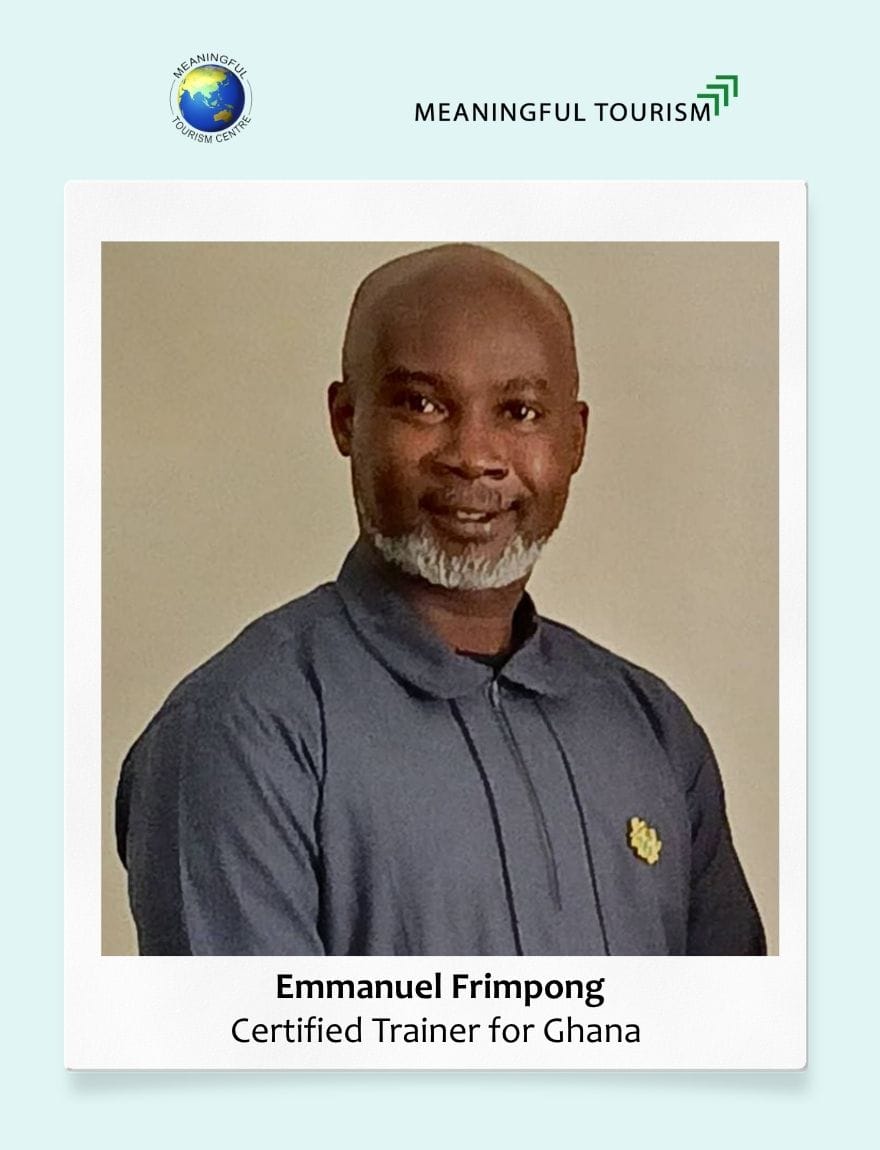
Emmanuel Frimpong is a Tourism and Hospitality Consultant, Analyst, and Lecturer at HOTCATT under the Ministry of Tourism, Arts, and Culture. He is the Founding President of Africa Tourism Research Network (ATRN) and Co-Founder/Vice President of the Africa Medical Tourism Council (AMTC). He serves as CEO of Pishon Consult Ltd, President of People of Purpose (a youth-focused NGO), and holds key roles in various global tourism and ecotourism organizations, including GAEST, WATO, WAEN, and IH. He is also the Country Head for the Pan African Heritage Museum (PAHM) and sits on its International Board.
Emmanuel is a CBT Curriculum Development Expert, a Global Ambassador for Tourism Education, and a Patron of GATHS. He was also recognized as the Most Influential Tourism Development Expert of 2023 by the Humanities Chamber of Commerce. He holds an MBA from the University of Leicester, a BA from KNUST, and other qualifications in hospitality and tourism management.
The Meaningful Tourism Weekly asked Emmanuel: What is the current situation of tourism in Ghana and how can the Meaningful Tourism Paradigm help to support its development?
His answer:
The Potential Impact of Overtourism in Europe on Africa
Overtourism has become a pressing challenge for many European destinations such as Barcelona, Venice, and Amsterdam. These cities face overcrowding, environmental degradation, rising costs of living and strained infrastructure due to the influx of millions of visitors annually. While overtourism is viewed negatively in Europe, it presents both opportunities and challenges for Africa’s tourism sector.
One significant impact is the shift in tourist flows. As European destinations struggle to balance visitor numbers, travelers are increasingly seeking alternative, less-crowded regions. Africa, with its vast landscapes, cultural diversity and emerging destinations, stands to benefit from this redirection. Countries like Kenya, Ghana, South Africa, and Tanzania can attract tourists who desire authentic, less commercialized experiences.
Secondly, overtourism in Europe has influenced policy and awareness in Africa. European debates on sustainability, responsible tourism, and carrying capacity have heightened global awareness. African tourism stakeholders are learning from Europe’s challenges to adopt proactive strategies such as eco-tourism, community-based tourism, and heritage conservation to avoid similar pitfalls.
However, there are also risks. The potential influx of tourists fleeing overcrowded European destinations may put pressure on Africa’s still-developing infrastructure. Without careful planning, Africa could replicate Europe’s mistakes, facing environmental strain, cultural dilution and uneven benefits for local communities.
In addition, overtourism in Europe shapes global tourism narratives and funding priorities. International organisations are channeling resources into sustainable tourism initiatives, many of which Africa can leverage. This creates an opportunity for the continent to position itself as a responsible and attractive destination.
In conclusion, while overtourism has strained Europe’s tourism industry, it provides Africa with lessons and opportunities. By embracing the concept of Meaningful Tourism practices, Africa can benefit from shifting tourist flows while safeguarding its natural and cultural assets.
Africa Tourism Research Network: Advancing Knowledge, Shaping Policy, and Strengthening Africa's Tourism Future
Over the past three years, the Africa Tourism Research Network (ATRN) has steadily established itself as one of the continent’s most promising intellectual and collaborative platforms dedicated to the advancement of tourism research, policy engagement and sector transformation. At a time when Africa’s tourism industry has been recovering from global disruptions, adapting to technological change and rethinking its development priorities, ATRN has emerged as a critical voice in shaping a more resilient, inclusive and knowledge-driven tourism future for the continent.
The last three years have been especially significant for tourism in Africa. The sector has faced the dual challenge of rebuilding confidence after the pandemic while responding to new realities such as digital disruption, sustainability pressures, changing consumer behaviour and the growing demand for authentic, community-based and culturally grounded travel experiences. In this evolving context, ATRN has played a strategic role by promoting evidence-based thinking and ensuring that tourism development conversations in Africa are informed by research, data and practical insight rather than assumption or imitation.
One of ATRN’s most commendable achievements has been its success in strengthening tourism scholarship across Africa. Through academic conferences, research forums, webinars, seminars, and collaborative engagements, the network has created an important space where scholars, researchers, students and industry professionals can meet to exchange ideas, present findings and discuss emerging trends affecting the sector. These engagements have helped build a stronger research ecosystem in Africa - one that is increasingly confident, relevant and capable of generating solutions tailored to African realities.
Beyond simply convening conversations, ATRN has also made a meaningful contribution to knowledge production and dissemination. Over the past three years, the network has encouraged and amplified research on some of the most pressing issues facing African tourism today. These include domestic and regional tourism development, heritage and cultural preservation, ecotourism and sustainability, women and youth participation in tourism value chains, digital marketing and destination branding, tourism investment, hospitality innovation, medical tourism and the role of artificial intelligence and emerging technologies in shaping travel and visitor experiences. By elevating these themes, ATRN has helped shift tourism discourse from a narrow focus on arrivals and revenue to a broader conversation about impact, inclusion, resilience, and long-term competitiveness.
Importantly, ATRN has contributed to the emergence of a more African-centred tourism narrative. For too long, tourism research on Africa has often been interpreted through external lenses, with insufficient attention paid to local context, indigenous knowledge, community priorities and the unique socio-economic structures of African destinations. ATRN has been instrumental in changing this. The network has encouraged scholars and practitioners to produce research that reflects African perspectives, African challenges and African opportunities. This intellectual repositioning is not only timely, it is necessary. A continent as diverse and dynamic as Africa cannot afford to build its tourism future solely on imported models. It must be guided by its own evidence, its own voice, and its own strategic vision.
Another area where ATRN has made a profound impact is in capacity building and mentorship. The future of African tourism depends not only on investment in infrastructure and destination promotion, but also on the development of skilled researchers, critical thinkers and policy influencers who can shape the sector from within. Over the past three years, ATRN has served as a valuable platform for nurturing emerging scholars, postgraduate students and early-career professionals. By offering opportunities for research presentation, academic networking, mentorship and exposure to senior experts, the network has helped cultivate the next generation of tourism leaders and knowledge producers on the continent.
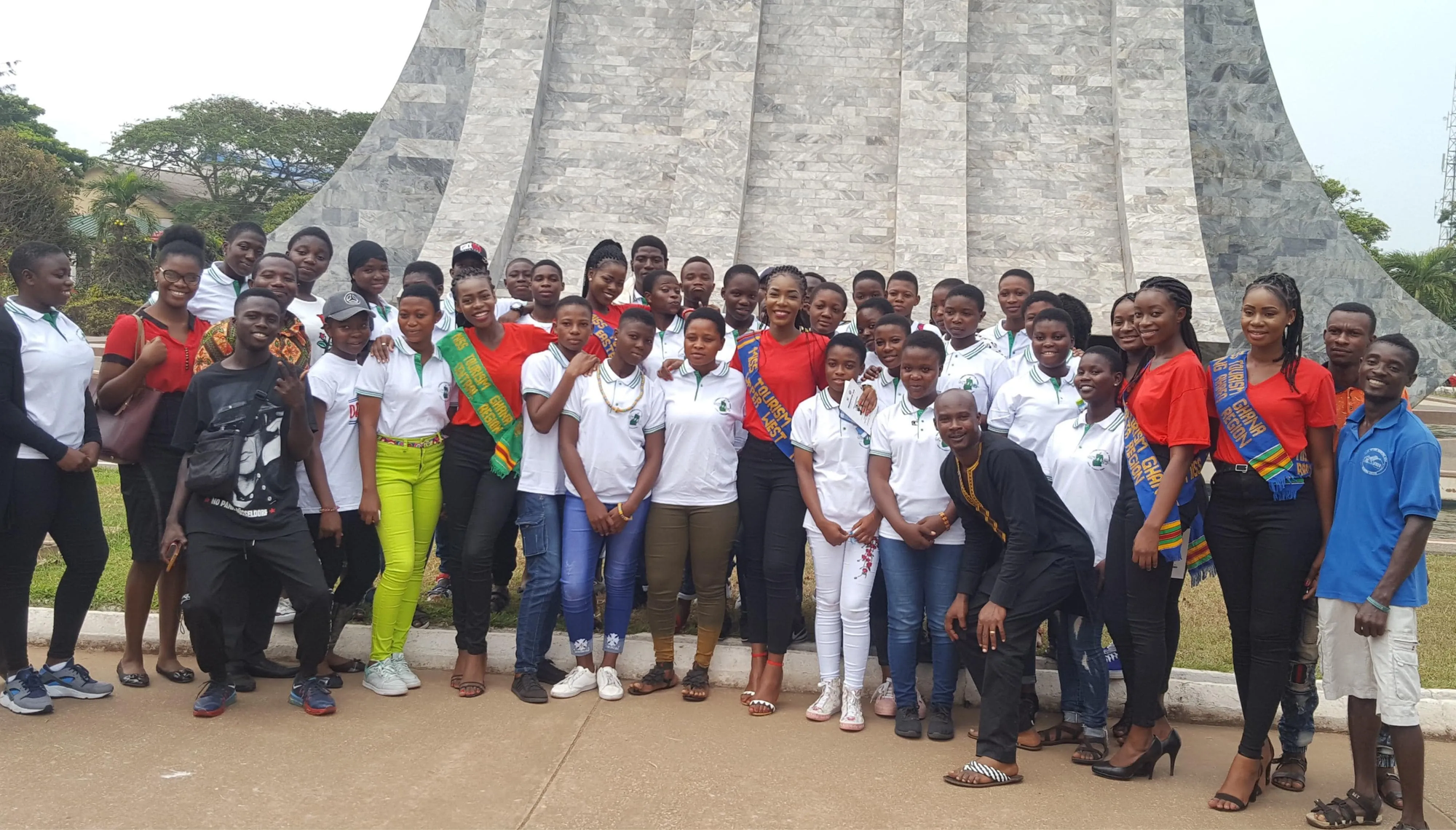
ATRN’s achievements have also been reflected in its growing role as a bridge between academia and industry. One of the persistent gaps in tourism development in many African countries has been the disconnect between research institutions and the practical needs of policymakers, investors, destination managers, and tourism enterprises. ATRN has worked to close this gap by encouraging research that is not only academically rigorous but also policy-relevant and actionable. This makes the network particularly valuable at a time when governments and private sector stakeholders increasingly need reliable insights to guide investment decisions, product development, destination competitiveness and sustainability strategies.
Furthermore, ATRN has helped strengthen regional and international collaboration. By fostering partnerships among African institutions and linking local researchers with global tourism scholars and networks, it has increased the visibility and credibility of African tourism research on the world stage. These collaborations have opened doors for joint studies, comparative research, knowledge exchange and broader recognition of African scholarship in global tourism discourse.
In summary, the work and achievements of the Africa Tourism Research Network over the past three years reflect more than academic progress, they represent the growth of a movement. ATRN has become an intellectual force helping to shape the future of tourism in Africa through research, collaboration, mentorship, and strategic engagement. As Africa positions tourism as a catalyst for economic growth, job creation, cultural preservation, regional integration and inclusive development, ATRN stands out as a vital institution ensuring that this future is built on knowledge, innovation and African leadership.
MTC Certified Trainers
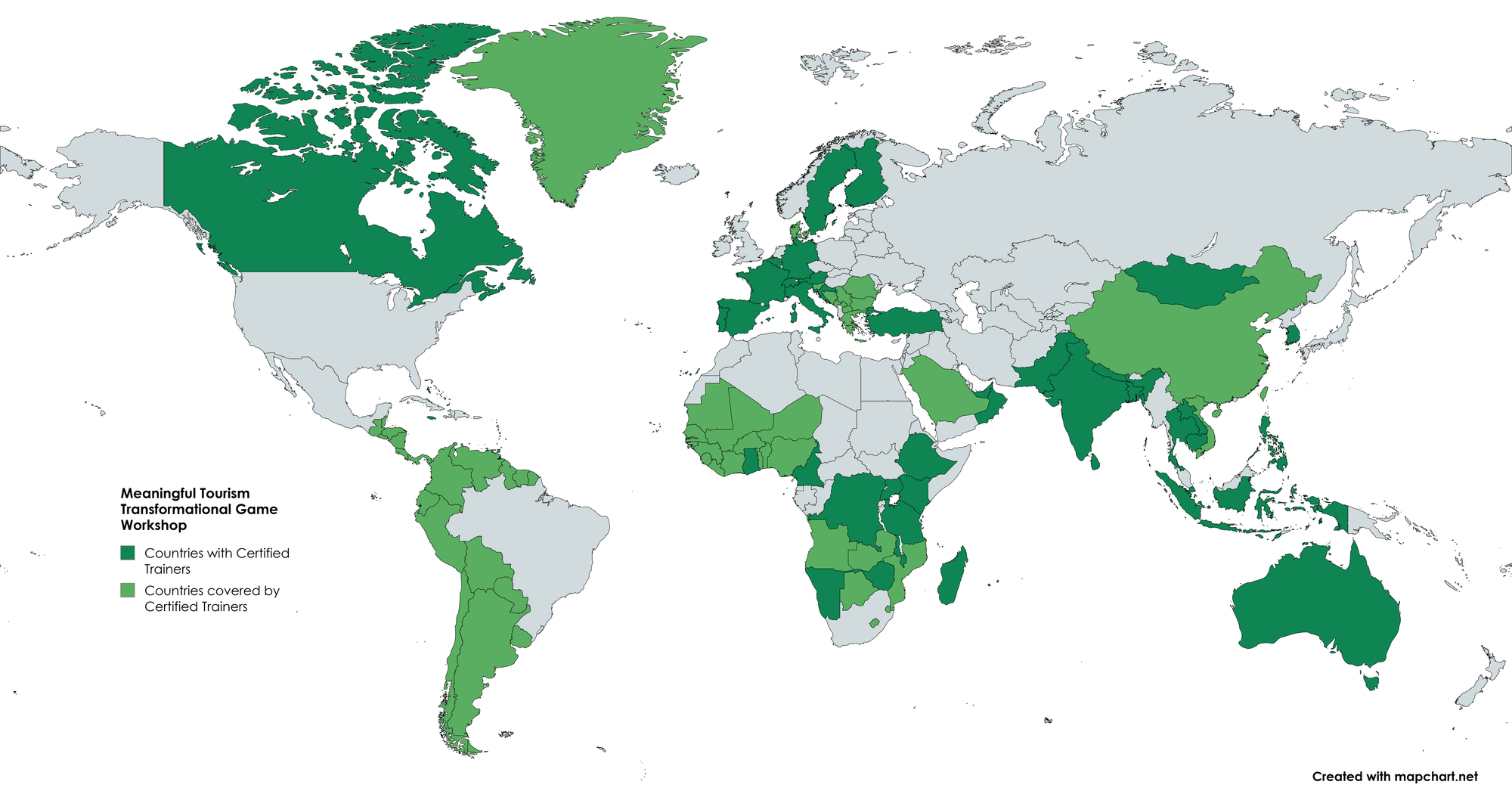
Please find below an overview of all our Certified Trainers for the Meaningful Tourism Transformational Game Workshop, along with the World Map showing the countries currently covered directly or indirectly.
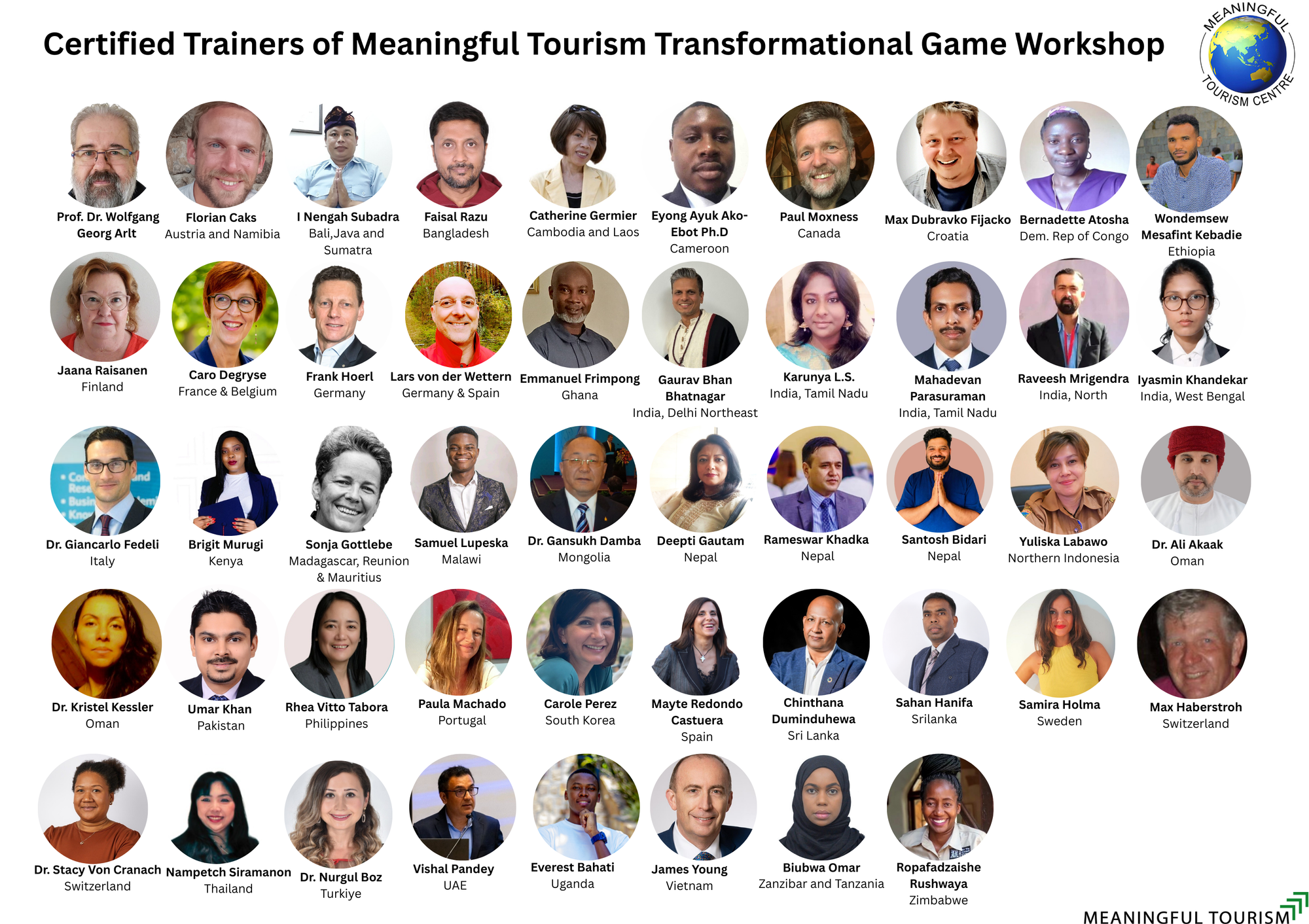
The network of MTC Certified Trainers is constantly growing. As shown on the map, many countries and regions worldwide are already served by dedicated experts. However, MTC is continuously looking for professionals with experience in training or lecturing and a passion for sustainable tourism to join the network and fill the blanks on the map.


Pakistan Travel Mart (PTM) 2026
April 3–5, 2026: Karachi
April 7–8, 2026: Lahore
Guangzhou International Travel Fair (GITF) 2026
May 21–23, 2026

Beijing International Travel & Lifestyle Fair (BITLF)
June 5–7, 2026
World Peace Forum 2026
September 21-23, 2026
Lumbini, Nepal
About Meaningful Tourism Weekly
Meaningful Tourism Weekly is published every Thursday by Meaningful Tourism Centre (MTC) - London and Kathmandu in collaboration with Travel Asia Now, led by Rhea Vitto Tabora.
Each issue features an Editorial, updates on MTC activities, a Best Practice Example, a profile of an MTC-certified trainer, news about upcoming events, and, occasionally, additional op-ed pieces from guest authors. Carefully selected news items, including videos and podcasts, are also included, with links to their original sources in the Meaningful Tourism News section.
Subscription to Meaningful Tourism Weekly is free, with the addition of a paid content section that includes a library of surveys, exclusive articles, conference presentations, and statistical data, offering subscribers invaluable resources.
Sponsorship opportunities are available for those interested in supporting this initiative.
For more information about MTC's training programs, market research, product adaptation, consulting services, conferences, strategy development, and marketing, visit our website or email us at info@meaningfultourismcentre.org.