How to avoid the trap of becoming too successful - The example of Tanzania & Zanzibar


Dear reader,
last week, we featured Mongolia as an example of the application of the Meaningful Tourism approach based on one of the three articles about Meaningful Tourism in Africa and Asia in the latest edition of the Bali Journal of Hospitality, Tourism and Culture Research
 I Nengah Subadra, Made Sudiarta, Ida Bagus Nyoman Krisna Prawira Yuda, I Wayan Bratayasa (Author)
This week, we look at another example, this time in Africa, namely the Meaningful Tourism and Sustainable Development in Tanzania and Zanzibar, based on the input of our Certified Trainer Biubwa Omar.
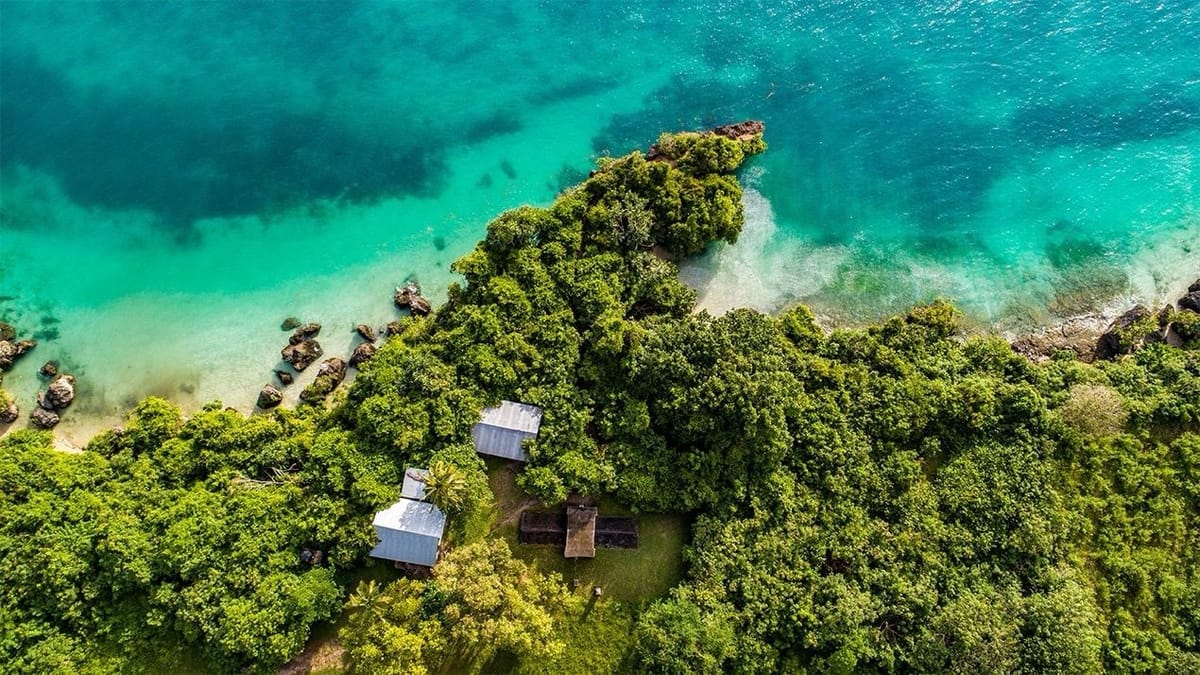
Tourism is one of the most important economic pillars in both Tanzania and Zanzibar, contributing significantly to national income, employment, and foreign exchange earnings. The country’s major attractions include world-class national parks such as the Serengeti and Ngorongoro Crater, the rich cultural heritage of local communities, and the island destination of Zanzibar. In Tanzania, tourism accounts for a substantial share of GDP, while in Zanzibar it contributes nearly one-fifth of the regional economy and supports large numbers of women and youth in tourism-related jobs.
In 2024, more than 5 million tourists visited the country. Zanzibar alone welcomed more than 900,000 visitors. However, the Executive Secretary of the Zanzibar Commission of Tourism, Mr. Arif Abbas Manji, is quoted as saying that “Our goal is not just to attract more visitors, itis to ensure each arrival contributes to a sustainable, resilient, and inclusive tourism economy, one that benefits Zanzibaris for generations.”

Local tour operators in Tanzania and Zanzibar play a central role in preserving heritage, supporting local employment, and distributing tourism benefits within local economies.
Products such as community tourism, eco-tourism, and halal tourism demonstrate how local operators contribute to inclusive growth while protecting cultural and environmental assets.
However, although tourism growth in Tanzania and Zanzibar has been strong, many communities do not fully benefit from this expansion. Overdependence on a few source markets, weak coastal zoning, limited community involvement, and ecological stress highlight that growth alone is insufficient. Traditional sustainability approaches, such as symbolic environmental actions or certification, are valuable but often fail to deliver measurable, long-term benefits across all stakeholder groups.
Meaningful Tourism emphasizes the use of local guides, drivers, suppliers, hotels, and craft producers. By strengthening compliance with local content regulations and promoting fair business relationships, a larger share of tourism revenue remains within the local economy, supporting livelihoods and reducing economic leakage.
Community-based tourism initiatives such as village tours, homestays, cultural experiences, and revenue-sharing mechanisms help uplift host communities. Support for education, health initiatives, youth training, and local entrepreneurship strengthens community ownership of tourism and encourages long-term stewardship of cultural and natural resources.
Practices such as waste reduction, marine and wildlife conservation partnerships, cleaner transport options, and visitor education ensure that beaches, forests, marine ecosystems, and wildlife remain healthy for future generations.
Furthermore, Meaningful Tourism supports the protection and promotion of authentic cultural expressions, including Swahili traditions, heritage sites, and religious values such as halal tourism. Clear guidelines for heritage interpretation help prevent cultural exploitation and ensure that tourism strengthens rather than dilutes local identity. Training in hospitality, safety, environmental management, digital skills, and service design improves professionalism, enhances visitor satisfaction, and strengthens the reputation of Tanzania and Zanzibar as quality destinations (ILO, 2021; UNWTO, 2022).
Meaningful Tourism promotes simple, practical tools that businesses can apply regularly. These include rapid self-assessment tools that score activities based on community benefits, environmental impact, visitor experience, employee well-being, and economic fairness.
Additionally, key performance indicators (KPIs) such as local employment rates, spending on local suppliers, visitor learning outcomes, waste reduction, and community partnerships help businesses measure and communicate their real value contribution.
Tanzania and Zanzibar already demonstrate Meaningful Tourism practices through marine zoning initiatives, women’s cooperatives, seaweed farming, spice farm tours, cultural heritage experiences, youth empowerment programs, and improved domestic connectivity. Growth opportunities exist in eco- and regenerative tourism, halal tourism, domestic tourism, diaspora engagement, and regional collaboration, positioning the destinations for future resilience.
To scale Meaningful Tourism, policy support is essential. Priorities include strengthening local content regulations, supporting community enterprises, improving access to finance for sustainable and digital upgrades, and enhancing collaboration between government, private sector, and communities. Keeping local operators at the centre of tourism development will ensure inclusive growth, environmental protection, and cultural integrity on the way towards a Meaningful Tourism Economy.
As always, all best wishes from the Meaningful Tourism Weekly team in Kathmandu and Manila and from the whole Meaningful Tourism community to all our readers!


Meaningful Tourism in three fairs in Asia – Weekly update
MTC, including its section COTRI, is supporting three major tourism fairs and conferences taking place in April, May and June 2026 in Pakistan and China. For all three fairs, special MTC RECOMMENDED EXHIBITOR and COTRI RECOMMENDED EXHIBITOR packages are available for exhibitors using MTC and COTRI to book their booth at no additional cost.
Last week, we shared the news about three introductory videos available on our MTC YouTube channel and on Instagram.

Some readers requested that we also provide the video transcript so they can share it with their colleagues and others interested in participating.
Always at your service, we are happy to provide three PDFs containing the video scripts. Please download them here:
Pakistan Travel Mart (PTM)
Guangzhou International Travel Fair (GITF) 2026
Beijing International Travel & Lifestyle Fair (BITLF)
As promised, we have started producing and uploading additional short videos with more details about the fairs, the markets they cover, and the benefits of being a Recommended Exhibitor at these fairs.
More detailed information is available on the MTC website and in the January 22, 2026 edition of this publication, Meaningful Tourism Weekly.
 Prof. Dr. Wolfgang Georg Arlt
PROF M Keynote Lecture on February 11, 2026 will be available as a live stream
The Founder and Executive Director of MTC, Prof. Dr. Wolfgang Georg Arlt, known as “PROF M” in the Meaningful Tourism Movement, has the pleasure of giving a keynote lecture at Global International College in Kathmandu on February 11.
For those who cannot attend in person, you can join the lecture via Microsoft Teams.
Further details are available in the Events section below.
Please be informed that the lecture starts at 8 a.m. Nepal time, which is 10:15 a.m. in Beijing, Singapore, and Manila; 3:15 a.m. in Berlin,as and 5:15 a.m. in Nairobi. However, a recording will be available after the lecture, so there's no need to get up in the middle of the night if you live in Europe or Africa. In San Francisco, it will be 6:15 p.m. the evening of February 10.
New training program for AI application for sustainable tourism and Carbon Credit Trading starting in April
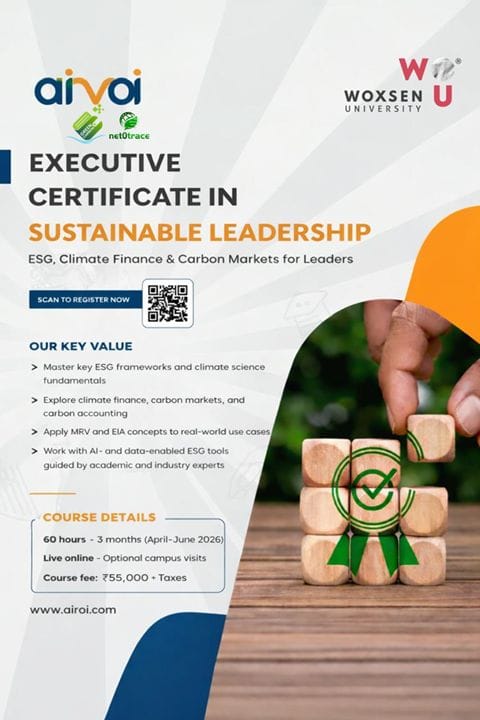
MTC's strategic partner, AIROI Inc., together with Woxsen University, is offering a certificate course in Sustainable Leadership, made for professionals and decision-makers working across ESG, climate finance, and carbon markets.
The 3-month, 60-hour live online program (April-May 2026) is designed to turn sustainability strategy into measurable business outcomes.
Participants will learn to:
∙ Apply leading ESG frameworks and climate science essentials in decision-making
· Navigate climate finance, carbon markets, and carbon accounting with confidence
· Use MRV and EIA tools through real-world, sector-specific case studies
∙ Work with AI- and data-enabled ESG tools used in live industry projects
A core highlight is hands-on learning on AIROI's proprietary platforms—Green
Carbon Wallet, Net0Trace, and NetOXchange—leveraging AI and blockchain for
transparent carbon accounting, digital MRV, asset traceability, and end-to-end
credit lifecycle management.
The program is offered online as live sessions from April to June 2026.
Further information is available at www.airoi.com.

Meaningful Tourism Community: The Meaningful Tourism Transformational Game Workshop Trainer
Bernadette Atosha, Trainer for the Democratic Republic of the Congo

Atosha Bernadette is a teacher and researcher at ISP-Bukavu’s Department of Hospitality and Tourism, where she has worked since 2018. Holding a Master’s in Tourism and Management from the University of Eldoret (Kenya), she is also the founder of APROVATOUR, a non-profit organization promoting sustainable tourism and environmental protection in the DRC. Passionate about empowerment, she leads initiatives that support women and girls in the fight against deforestation in Kahuzi-Biega National Park.

What is the current situation of tourism in the Democratic Republic of Congo (DRC), and how can the Meaningful Tourism Paradigm help to support its development?
Tourism in DRC remains one of the most promising yet underdeveloped sectors of the national economy. The country is endowed with extraordinary natural and cultural wealth from the world-renowned Virunga and Kahuzi-Biega National Parks, home to rare species such as mountain and eastern lowland gorillas, to the mighty Congo River, vibrant music and dance traditions, and a mosaic of cultures that reflect the heart of Africa’s diversity.
Despite these remarkable assets, the sector faces persistent challenges. Infrastructure gaps, limited accessibility, low visibility on the international market, and instability in certain regions have slowed the full realization of the DRC’s tourism potential. Nonetheless, there is a renewed sense of optimism. The government, together with private stakeholders and international partners, is working toward strengthening the foundations for sustainable tourism development through policy reforms, investment in ecotourism, and community empowerment.
In this context, embracing a meaningful tourism paradigm could become a turning point for the DRC’s tourism future. Meaningful tourism emphasizes responsible travel that creates genuine connections between visitors and host communities. It encourages travelers to engage deeply with local culture, respect the environment, and contribute positively to local economies. For the DRC, this approach aligns perfectly with our national priorities of sustainable development, peacebuilding, and inclusive growth.
By promoting community-based tourism initiatives, supporting local entrepreneurship, and integrating conservation with social impact, meaningful tourism can ensure that the benefits of the industry reach ordinary Congolese citizens. It can help preserve our natural and cultural heritage while fostering national pride and international recognition.
Ultimately, Meaningful Tourism offers the DRC not just a strategy for economic diversification but a vision for development that honors people, culture, and nature, transforming the country into a model of responsible tourism in Africa and beyond.
MTC Certified Trainers
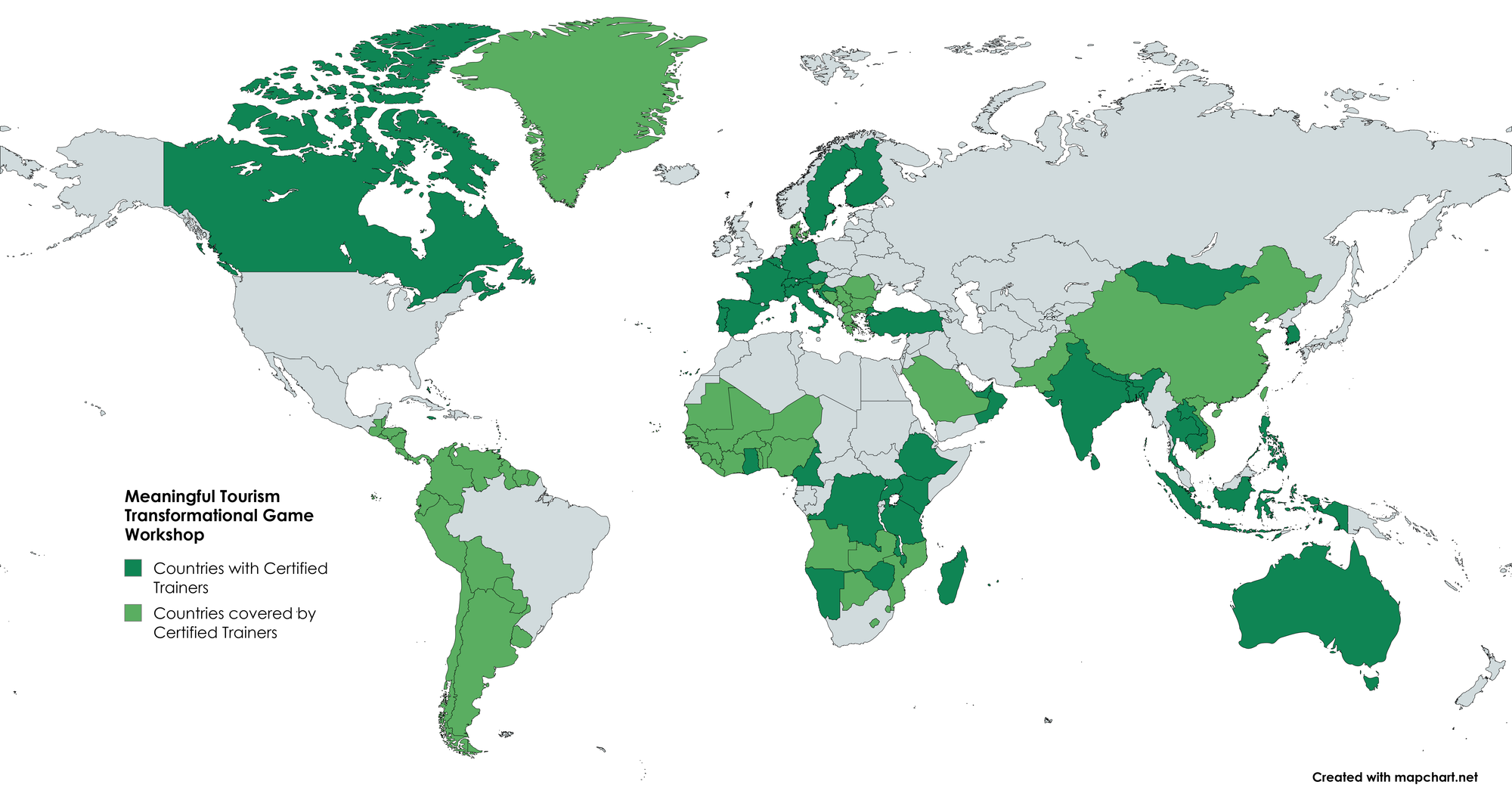
Please find below an overview of all our Certified Trainers for the Meaningful Tourism Transformational Game Workshop, along with the World Map showing the countries currently covered directly or indirectly.
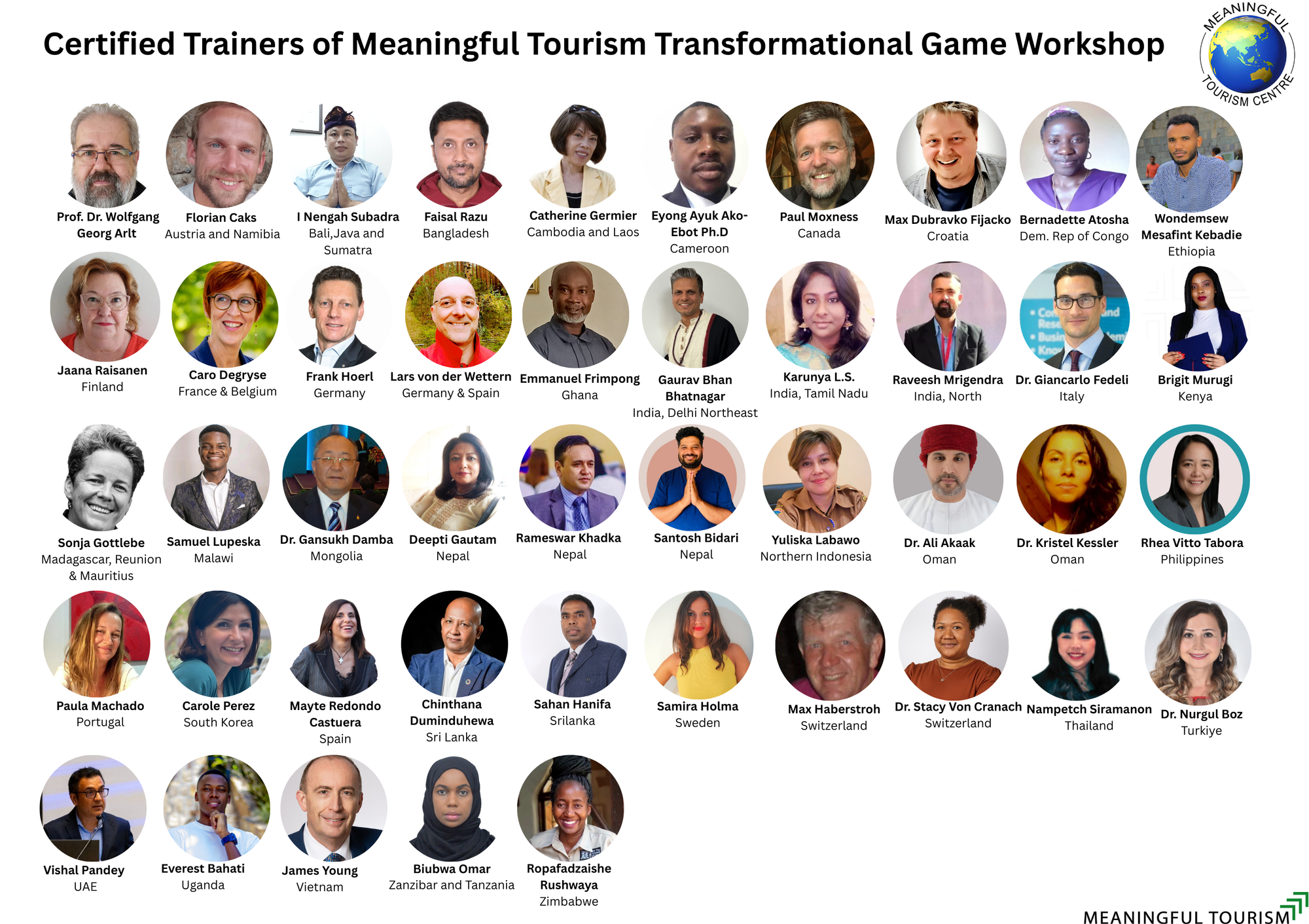
The network of MTC Certified Trainers is constantly growing. As shown on the map, many countries and regions around the world are already served by dedicated experts. However, MTC is continuously looking for professionals with experience in training or lecturing and a passion for sustainable tourism to join the network and fill the blanks on the map.
The next Train-the-Trainer workshop will take place on February 2, 2026. If you are interested in becoming a Certified Trainer for the Meaningful Tourism Transformational Game Workshop, providing different kinds of Implementation Support, or helping with establishing a Carbon Credit trading initiative, please contact us at office@meaningfultourismcentre.org.

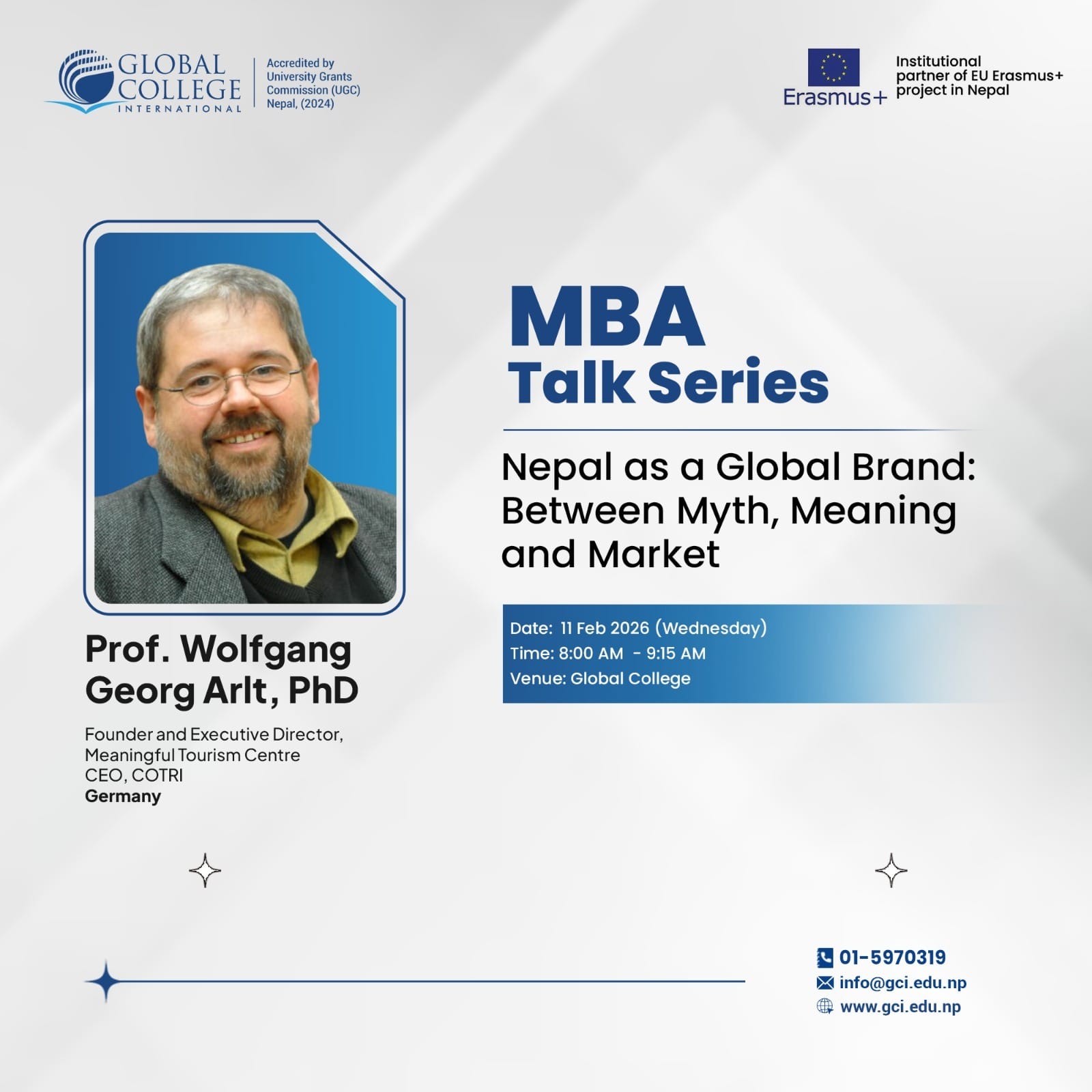
Global College International's MBA Talk Series on February 11, 2026
Prof. Dr. Wolfgang Georg Arlt, Founder and Executive Director of the Meaningful Tourism Centre and CEO of COTRI, will deliver a keynote lecture at Global College International's MBA Talk Series on February 11, 2026, titled "Nepal as a Global Brand: Between Myth, Meaning and Market."
For those who cannot attend in person, you can join the lecture via Microsoft Teams.

Pakistan Travel Mart (PTM) 2026
April 3–5, 2026: Karachi
April 7–8, 2026: Lahore
Guangzhou International Travel Fair (GITF) 2026
May 21–23, 2026

Beijing International Travel & Lifestyle Fair (BITLF)
June 12–14, 2026
About Meaningful Tourism Weekly
Meaningful Tourism Weekly is published every Thursday by Meaningful Tourism Centre (MTC) - London and Kathmandu in collaboration with Travel Asia Now, led by Rhea Vitto Tabora.
Each issue features an Editorial, updates on MTC activities, a Best Practice Example, a profile of an MTC-certified trainer, news about upcoming events, and, occasionally, additional op-ed pieces from guest authors. Carefully selected news items, including videos and podcasts, are also included, with links to their original sources in the Meaningful Tourism News section.
Subscription to Meaningful Tourism Weekly is free, with the addition of a paid content section that includes a library of surveys, exclusive articles, conference presentations, and statistical data, offering subscribers invaluable resources.
Sponsorship opportunities are available for those interested in supporting this initiative.
For more information about MTC's training programs, market research, product adaptation, consulting services, conferences, strategy development, and marketing, visit our website or email us at info@meaningfultourismcentre.org,.