The taste of Meaningful Tourism
Dear reader,
the new year started for a team of nine members of the Meaningful Tourism community with the task of finishing a chapter for a forthcoming book about transformative tourism and the role of AI, to be published in the first half of 2026 by one of the most famous publishing houses.
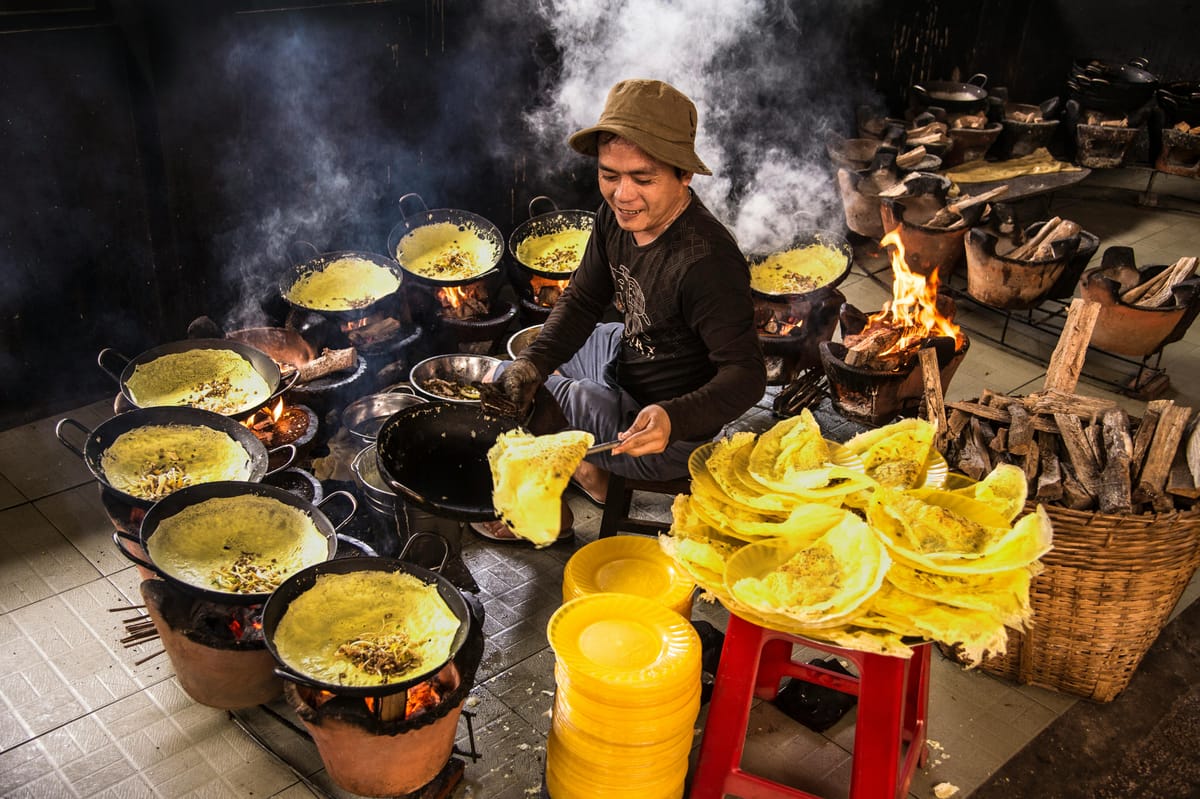
Among many other examples of the operationalization of the Meaningful Tourism paradigm is our Turkish trainer, Dr. Nurgül Boz, explaining how gastronomic experiences, which are not limited to eating and drinking but are also shaped by contact with local culture, knowledge acquisition, and social encounters, are part of the production of meaning. Based on the processes of tasting, learning, and interacting, tourists are enabled to move beyond a passive consumer role and become active participants in the context of gastronomy.
Earlier concepts promoting sustainable ways of food consumption, like Slow Food, are now within the context of Meaningful Tourism, also supported by the rapid development of AI-based applications. Rather than replacing creativity and cultural essence, AI in fact has the potential to deepen the experience through storytelling, contextual information presentation, and responsive personalization. AI-powered apps help not only to deepen tourists' cultural understanding by complementing restaurant recommendations with narratives about culinary heritage, ingredient origins, or producers' stories, AI can also support the long-term sustainability of the Meaningful Tourism economy by contributing to the documentation and transmission of cultural heritage through the digital representation of local cuisine.
The decisive mechanism in the concretization of Meaningful Tourism through gastronomy is the interaction between local producers, chefs, and tourists, creating an experiential space where meaning is socially co-constructed rather than individually consumed.
Within such a framework, AI-powered apps have many practical applications when it comes to supporting local sourcing, food and plastic waste reduction, and better working conditions for producers of gastronomic offers. AI's contribution to Meaningful Tourism, however, also extends to functions like supporting storytelling, making cultural context visible, and sensitive personalization.
In line with the demand of the Meaningful Tourism approach to provide benefits and satisfaction to all stakeholders, visitors can experience local culture, host communities can preserve authentic forms of gastronomy and benefits from job creating and markets for local products, employees can see themselves as guardians of local gastronomy traditions, companies are able to distinguish themselves from standardized offers of global players, governments are supported in their efforts to produce a local and regional identity and the environment benefits from shorter transportation routes, support of biodiversity and resilience by using local plants and animals.
Taken together, gastronomy and AI offer a good example for a coherent path to transform Meaningful Tourism from theory into practice as a functional and applicable paradigm that can guide destination development without reducing meaning to marketing rhetoric or technological abstraction.
More about this and many other fields in which Meaningful Tourism proves to be the best base for a sustainable way to integrate AI into the world of tourism, coming soon.
For already published texts and videos dealing with the importance of Meaningful Tourism for specific destination please refer to the Online Lectures available on https://institutetourism.com/mt-lectures/ and the three articles in the current issue of the Bali Journal of Hospitality, Tourism and Culture Research https://ojs.baliacademicpublishing.com/index.php/balijournalhtcr.
As always, all best wishes from the Meaningful Tourism Weekly team in Kathmandu and Manila and from the whole Meaningful Tourism community to all our readers!


Meaningful Tourism in three fairs in Asia – Weekly update
MTC, including its section COTRI, is supporting three major tourism fairs and conferences taking place in April, May, and June 2026 in Pakistan and China. For all three fairs, special MTC RECOMMENDED EXHIBITOR and COTRI RECOMMENDED EXHIBITOR packages are available for exhibitors using MTC and COTRI to book their booth at no additional cost.
This week, please find attached to this edition of Meaningful Tourism Weekly the information brochures for all three fairs, as well as the special offer MTC is providing for successful participation.
Please download them here:
Guangzhou International Travel Fair (GITF) 2026 Information
GITF Offer COTRI Recommended Exhibitor
Beijing International Travel & Lifestyle Fair (BITLF) Information and offer COTRI Recommended Exhibitor
Pakitan Travel Mart (PTM) Information and offer MTC Recommended Exhibitor
The “Recommended Exhibitor” packages are available free of charge, but only to exhibitors who book with MTC and COTRI via info@meaningfultourismcentre.org.
More news and insights about the fairs and the accompanying conferences featuring Meaningful Tourism every week here in Meaningful Tourism Weekly. Please also watch out for information videos published on LinkedIn, YouTube, and Instagram.

From Movement to Meaning: Why Cultural Intelligence Is Becoming Core to Tourism
By Atemnkeng Atabong, Founder of Voyant

Travel has never been more accessible.
Flights are cheaper. Booking is instant. Places that once felt distant now feel routine. And yet, for many travelers, the hardest part of travel hasn’t changed at all: knowing how to arrive.
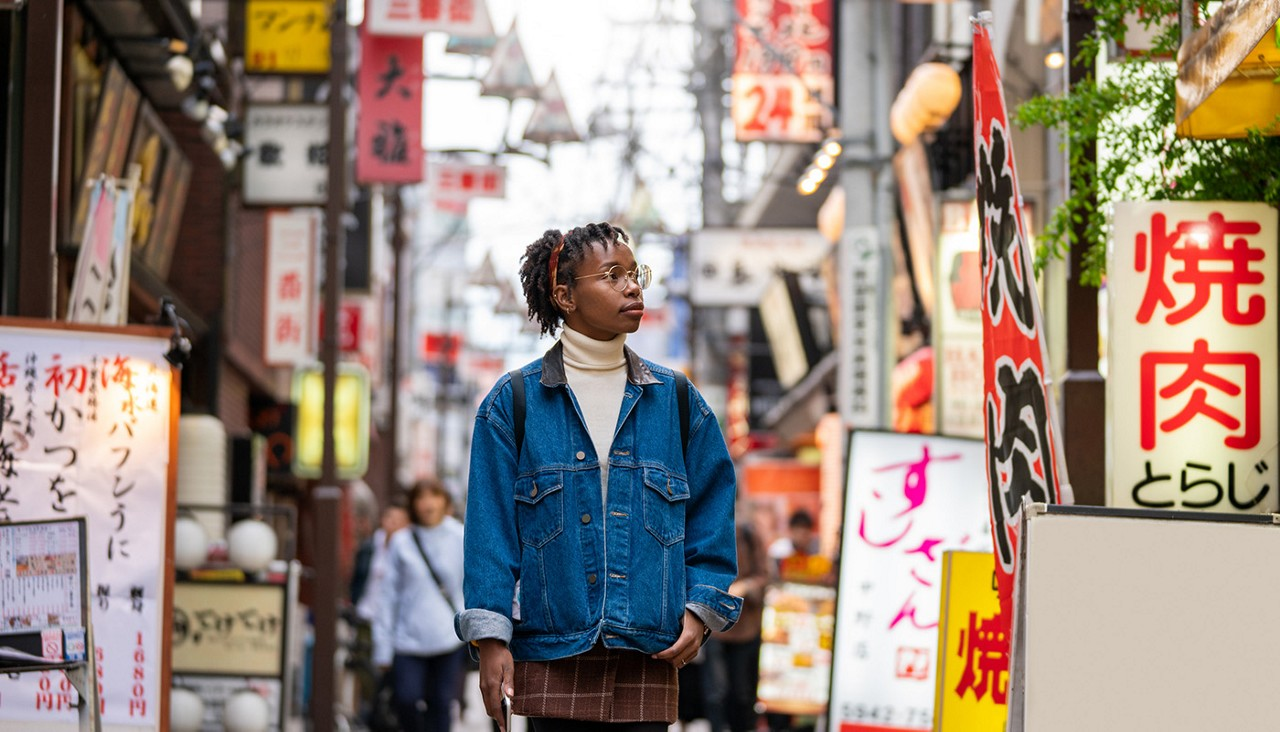
Most people have felt it. You land somewhere new and realize you don’t quite know how to operate. What’s appropriate here? Why does this space feel tense? Am I welcome, or just tolerated? Nothing has gone “wrong,” but something feels off.
That discomfort isn’t personal failure. It’s a system gap.
For decades, tourism innovation has optimized movement. How fast, how cheap, how seamless people can get from one place to another. That focus delivered scale. But it left something essential behind: context.
Meaningful tourism starts where logistics stop.
Meaningful Tourism Is Infrastructure, Not an Ethic
Meaningful or Regenerative tourism is often framed as a moral choice or a niche travel style. In practice, it behaves more like infrastructure.
Infrastructure exists to prevent failure before it happens. Good roads reduce accidents. Signs reduce confusion. Public systems make good behavior easier than bad behavior.
Cultural intelligence works the same way.
When travelers arrive without social or cultural context, behavior fills the gap. Decisions about dress, noise, photography, transportation, and interaction are made blindly. Even well-intentioned visitors can disrupt local rhythms simply because they don’t know how things work.
The result is friction on both sides. Travelers feel uncertain or out of place. Communities feel observed, crowded, or slowly displaced from their own spaces.
This isn’t about blame. It’s about design.
When people understand the social fabric of a place, their behavior changes naturally—where they go, how they interact, what they respect. Not because they were told what to do, but because they understand why it matters.
The Missing Layer in the Travel Stack
Cultural knowledge has always existed. It lives in local communities, academic research, guidebooks, and lived experience. What’s been missing is a way to deliver that knowledge at the moment it’s needed.
Most travel technology ends at transactions. Booking platforms optimize for conversion. Maps optimize for speed. Recommendation engines optimize for popularity.
Very few systems are designed for arrival, orientation, or social navigation.
Voyant was built around this gap: the absence of cultural intelligence as an operational layer in travel. Not culture as content to consume, but culture as situational awareness—helping travelers understand what kind of place they’re entering before friction begins.
This aligns directly with the goals of meaningful tourism:
- reducing cultural misunderstanding without flattening difference
- encouraging exploration that supports, rather than overwhelms, communities
- helping travelers feel confident without feeling entitled
Cultural intelligence doesn’t prescribe behavior. It creates understanding.
From Extraction to Feedback
Traditional tourism systems measure success through volume: arrivals, nights stayed, and spend. These metrics matter—but they don’t tell the whole story.
They don’t reveal where travelers feel lost, where locals feel crowded, or where misunderstanding turns into resentment.
A system grounded in cultural intelligence generates a different kind of signal. Patterns of hesitation, confusion, or avoidance show where context is missing and where destinations are under strain.
When handled responsibly, this insight becomes feedback—not extraction.
It allows destinations to see not just where people go, but how they experience a place, and how the place experiences them in return. That feedback can inform better design, better communication, and better distribution—without turning culture into a commodity.
A Shared Direction
Meaningful tourism isn’t about slowing travel or limiting access. It’s about recalibrating what the system optimizes for.
As travel continues to scale, the next phase of innovation won’t come from making movement faster or cheaper. It will come from helping people arrive with awareness—understanding the social weight of their presence and the living realities of the places they enter.
By treating cultural intelligence as infrastructure rather than an afterthought, Voyant operates in service of that shift. Not to control travelers, but to equip them.
In the future of tourism, movement alone will not be enough.
Understanding will be the differentiator.

Meet the Trainer for the Meaningful Tourism Transformative Game Workshop
Ropafadzaishe Rushwaya, Certified Trainer for Zimbabwe
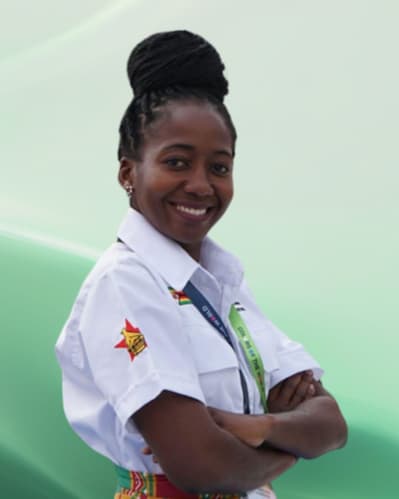
Ropafadzaishe Rushwaya is a passionate and purpose-driven hospitality and tourism professional with over a decade of experience spanning luxury lodges, destination marketing, and guest relations.
Deeply committed to sustainable tourism models that uplift local communities and protect natural environments, she has become an advocate for practices that balance economic growth with cultural and ecological responsibility.
Holding dual Master’s degrees in Tourism & Hospitality and Strategic Management, she combines strategic vision with hands-on execution to drive meaningful change. Her dedication has been recognized with the 2024 Presidential Award from the Hospitality Association of Zimbabwe.
Today, she continues to lead initiatives that promote sustainability, empower local talent, and shape a resilient, inclusive future for tourism.
The Meaningful Tourism Weekly asked Ropa: What is the current situation of tourism in Zimbabwe, and how can the Meaningful Tourism Paradigm help to support its development?
Her answer:
Zimbabwe’s tourism industry remains anchored in its rich natural and cultural heritage. Visitors are drawn to iconic sites such as the wildlife-rich national parks of Mana Pools, Hwange, and Gonarezhou; the spectacular Victoria Falls; and the ancient Great Zimbabwe Monuments, which testify to early African civilization. Beyond these renowned attractions, it is the warmth, smiles, and vibrant culture of Zimbabwe’s people that leave a lasting impression on tourists.

Over the years, Zimbabwe’s tourism landscape has evolved, influenced by both positive developments and external challenges. Economic fluctuations, global crises, and local constraints have affected visitor arrivals and investment. Yet, the government and the Ministry of Tourism are actively working to transform the sector by boosting GDP contribution and increasing tourist numbers through targeted strategies.
Initiatives include the “ZimBhoo” campaign, which encourages domestic tourism, promotes MICE (Meetings, Incentives, Conferences, and Exhibitions) tourism, and hosts high-profile events such as the UN Gastronomy Conference. Campaigns such as Amai’s Cookout have also successfully highlighted Zimbabwe’s culinary heritage and cultural richness nationwide.
The Meaningful Tourism paradigm supports this transformation by ensuring that all stakeholders truly benefit from tourism. Local women and children earn an income by selling arts, crafts, and handmade products; men benefit by carving and marketing stone sculptures; and investors help expand employment opportunities by building new hotels and lodges. The agricultural sector finds steady markets for fresh produce through tourism outlets, while universities and lecturers enhance their curricula and research focused on sustainable, inclusive tourism.
Ultimately, Meaningful Tourism promotes fair distribution of tourism’s benefits, values local culture and environment, and encourages collaboration across sectors. By integrating these principles, Zimbabwe’s tourism can grow not only in numbers but also in resilience, quality, and positive impact for communities and the nation as a whole.

MTC Certified Trainers
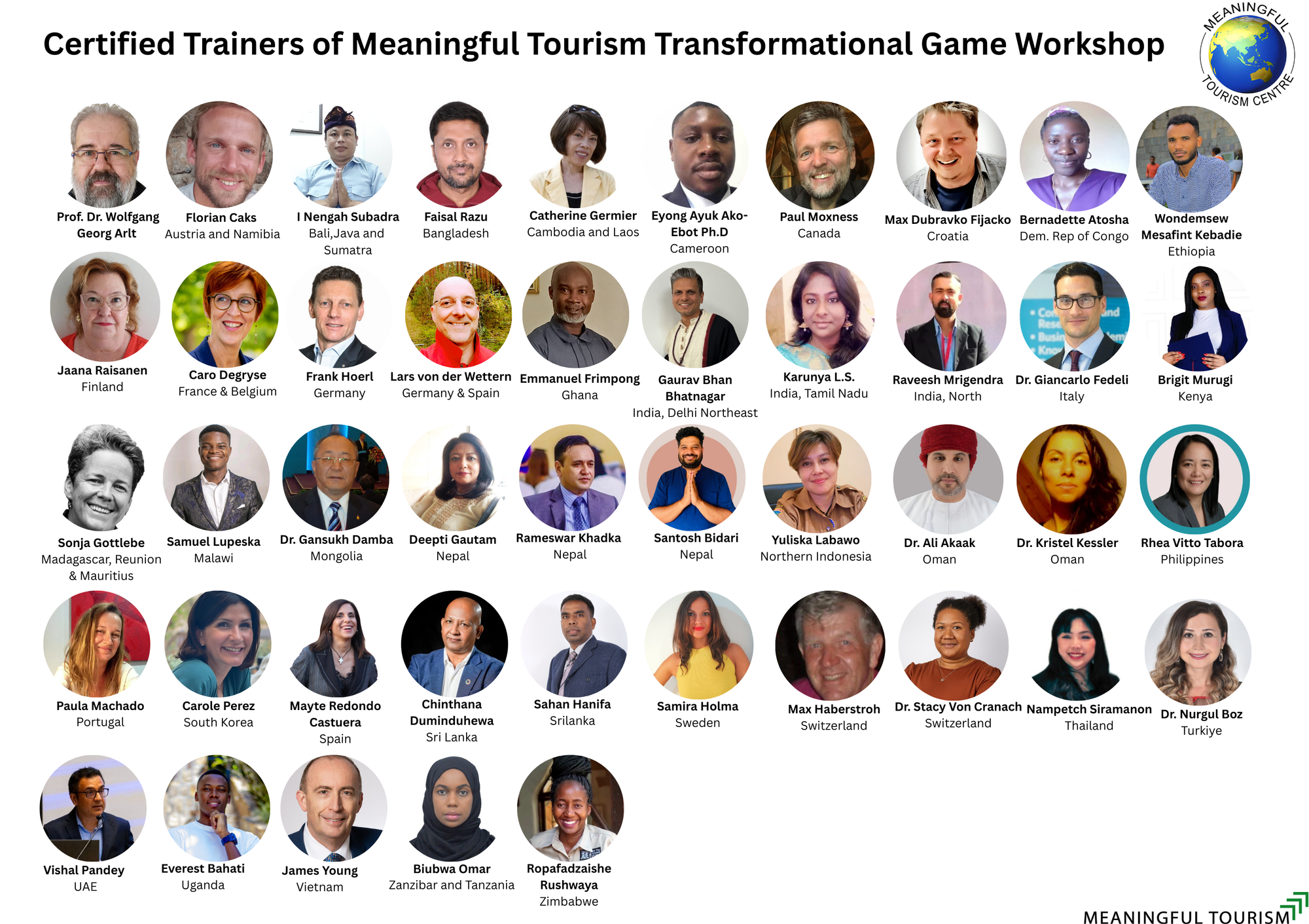
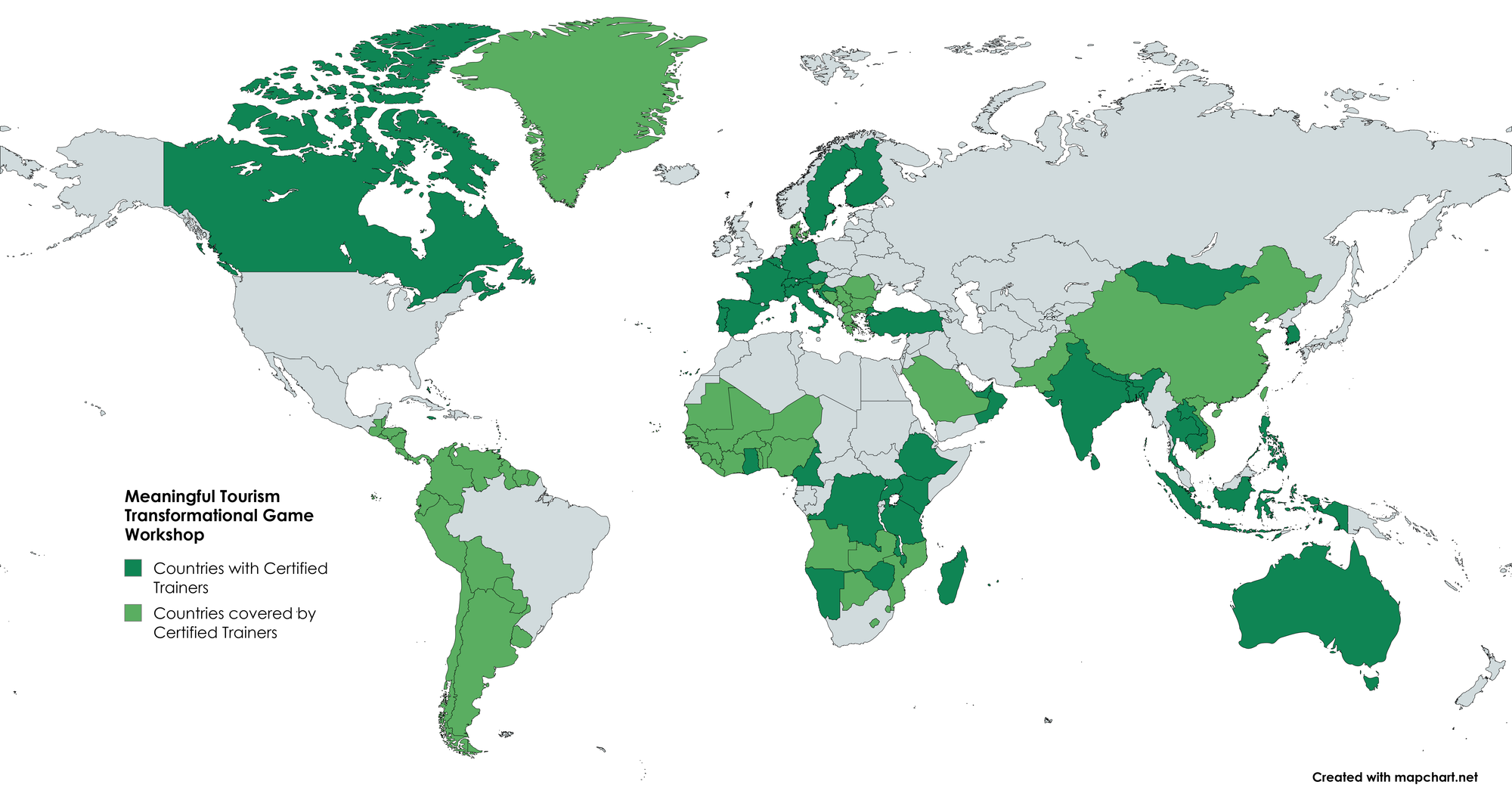
Please find below an overview of all our Certified Trainers for the Meaningful Tourism Transformational Game Workshop, along with the World Map showing the countries currently covered directly or indirectly.
The network of MTC Certified Trainers is constantly growing. As shown on the map, many countries and regions around the world are already served by dedicated experts. However, MTC is continuously looking for professionals with experience in training or lecturing and a passion for sustainable tourism to join the network and fill the blanks on the map.
The next Train-the-Trainer workshop will take place in the last week of January 2026. If you are interested in becoming a Certified Trainer for the Meaningful Tourism Transformational Game Workshop, providing different kinds of Implementation Support, or helping with establishing a Carbon Credit trading initiative, please contact us at office@meaningfultourismcentre.org.


Pakistan Travel Mart (PTM) 2026
April 3–5, 2026: Karachi
April 7–8, 2026: Lahore
Guangzhou International Travel Fair (GITF) 2026
May 21–23, 2026

Beijing International Travel & Lifestyle Fair (BITLF)
June 12–14, 2026
About Meaningful Tourism Weekly
Meaningful Tourism Weekly is published every Thursday by Meaningful Tourism Centre (MTC) - London and Kathmandu in collaboration with Travel Asia Now, led by Rhea Vitto Tabora.
Each issue features an Editorial, updates on MTC activities, a Best Practice Example, a profile of an MTC-certified trainer, news about upcoming events, and, occasionally, additional op-ed pieces from guest authors. Carefully selected news items, including videos and podcasts, are also included, with links to their original sources in the Meaningful Tourism News section.
Subscription to Meaningful Tourism Weekly is free, with the addition of a paid content section that includes a library of surveys, exclusive articles, conference presentations, and statistical data, offering subscribers invaluable resources.
Sponsorship opportunities are available for those interested in supporting this initiative.
For more information about MTC's training programs, market research, product adaptation, consulting services, conferences, strategy development, and marketing, visit our website or email us at info@meaningfultourismcentre.org.