AI within the framework of a Meaningful Tourism Economy



Dear reader,
this week, your humble editor has the pleasure to participate in the Multidisciplinary International Conference of the Mid-West University in Surkhet, Nepal, looking at ‘Interdisciplinary Synergies for a Sustainable Future in the Age of AI and Digital Transformation’.
The topic of the presentation will be AI within the framework of a Meaningful Tourism Economy, looking especially at the example of Nepal. Geopolitical frictions, climate change, technological progress, and new customer demands for transformative experiences provide the tourism sector of Nepal with the opportunity, but also the urgent need to develop a clear, holistic strategy and vision for the development of sustainable tourism.
The new government published many new initiatives, which, taken together, should finally bring the country, after two lost decades, into the 21st century. Unfortunately, just one month after being sworn in, two of the 14 ministers already had to leave their offices, among the same accusations of nepotism and shady business actions which led to the downfall of the previous government. At least it has been reported that the new minister for culture, tourism and aviation is considering ending the policy which forces non-Nepali citizens to pay more than double the price for domestic air tickets compared to the – increasing – amounts Nepali have to pay. Foreigners are also not allowed to pay in local currency, but need to use the US Dollar. As a result, the MU has to pay for the return ticket of your humble editor from Kathmandu to Surkhet (a 60-minute flight), almost 450 USD. For the same money, you can fly return between Kathmandu and Guangzhou.
As our regular readers know, the Meaningful Tourism paradigm was developed in response to the limitations of existing sustainable tourism frameworks and the absence of a holistic approach capable of integrating environmental, social, economic, and technological dimensions. Drawing on positive psychology, creative destruction theory, AI-enabled innovation, shifting demographic expectations, demand for transformational experiences, and evolving geopolitical conditions, Meaningful Tourism proposes a systemic reorientation of tourism development. It emphasises stakeholder alignment and the use of clearly defined, SMART key performance indicators to deliver both objectively measurable benefits and subjective satisfaction to all main stakeholders, namely the travellers, the host communities, the employees working in tourism service companies, the companies themselves, the different levels of government and the environment.
Meaningful Tourism is not intended to be another conceptual buzzword in tourism scholarship. Rather, it is proposed as a practical, forward-looking framework to address the profound structural challenges confronting the tourism sector in the coming decades. As climate change intensifies, digital technologies reshape economic systems, and societal expectations around sustainability and accountability increase, many tourism business models developed during the post-war tourism expansion are likely to face significant disruption.
In this context, Meaningful Tourism is positioned as a strategic paradigm to support the sector’s transition toward more resilient, responsible, and future-oriented forms of tourism development. In 2025, the Pacific Asia Travel Association (PATA) declared the development of “A Meaningful Tourism Economy” as the vision for the Asia-Pacific region, also showing the way for Nepal’s national tourism strategy.
Central to this transformation is the role of Artificial Intelligence, which is increasingly emerging as an enabling infrastructure that enhances transparency, operational efficiency, data-driven decision-making, and stakeholder coordination across tourism systems.
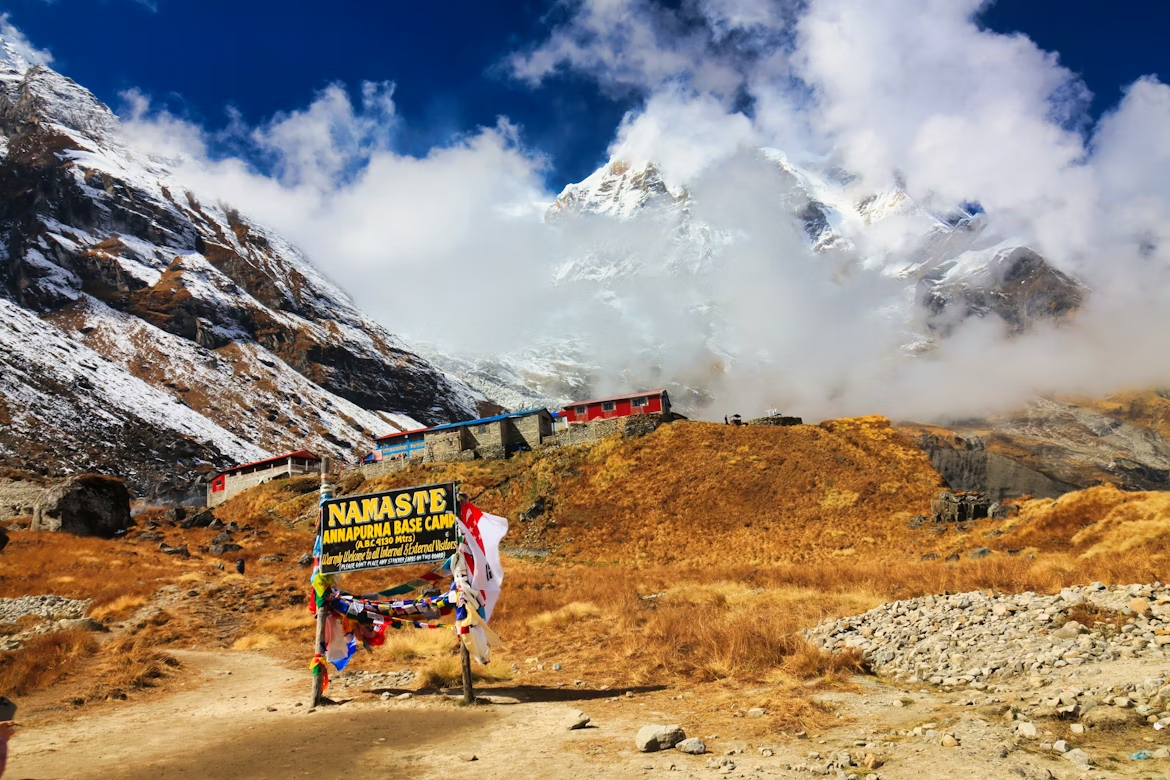
Nepal belongs to the destinations many people dream about visiting, but few ever do. International arrival numbers have been hovering around the one million level for years, with visitors spending less than 50 USD per person per day, despite very favourable conditions: half of mankind lives within five hours' flight, Nepal enjoys good air connectivity and abundant and diverse nature, culture, and heritage resources. The country is home to a hospitable English-speaking population; it offers a high level of safety, as well as affordable prices, a moderate climate and unique lighthouse icons including Lumbini, Buddha's birthplace, and eight of the ten highest mountains in the world. Nevertheless, it has deteriorated to an economy based on the export of workforce as the main contributor to its GDP and remains the world’s third-poorest country outside of Africa.
AI can play an important role in developing new customised demand-driven tourism products beyond sightseeing towards transformative experiences and to leverage the resources of the whole country throughout the year. It can produce with the inclusion of the interests of all stakeholders clear priorities of actions and indications of relations of cause and result.
To achieve progress with benefits and satisfaction for all stakeholders involved, AI has to operate within a framework of a Meaningful Tourism Economy, otherwise the negative aspects of the current tourism system will only be accelerated and deepened. All stakeholders will have to get access to information and training for the implementation of AI, both in higher educational institutions and within the tourism industry.
As always, all best wishes from the Meaningful Tourism Weekly team in Kathmandu and Manila, and from the whole Meaningful Tourism community to all our readers!


Meaningful Tourism in China - CTW AWARD 2026 and GITF 2026
The ongoing conflict in the Middle East and the disruption of international air routes continue to play havoc with planned events, also in China. MTC and its section COTRI also have to react to the changing situation.
The Chinese Tourist Welcome (CTW) Award 2026 will be conducted this year as an online event, happening on July 1t, 2026. This will give companies and organisations some more time to apply and will give a greater visibility to all winners.
If you are working with the Chinese outbound market, please consider to apply. Updated information can be found on the MTC website https://cotri.meaningfultourismcentre.org/chinese-tourist-welcome-award-2026/.
At the same time, after the downgrading of the Beijing International Travel and Lifestyle Fair (BITLF) to a domestic fair for its first instalment in June 2026, COTRI also had to cancel the organisation of the traditional annual outbound conference during the Guangzhou International Travel Fair (GITF) on May 21-23, and the COTRI Recommended Exhibitor service there for this year.
Traditional tourism fairs have been regarded by many already before the current crisis as an outdated format in times of AI and Zoom meetings, with tour operators and travel agencies losing importance as major business partners for destinations. Travellers increasingly choose the activity or topic of a trip first and then the best destination for it, whereas fairs still consist mainly of stands organised by NTOs. Hopefully, the renewed halt of business as usual will also help the tourism fairs in China to move to more appropriate, open, and interactive formats.
Meaningful Tourism in South Asia – New series of podcasts started!
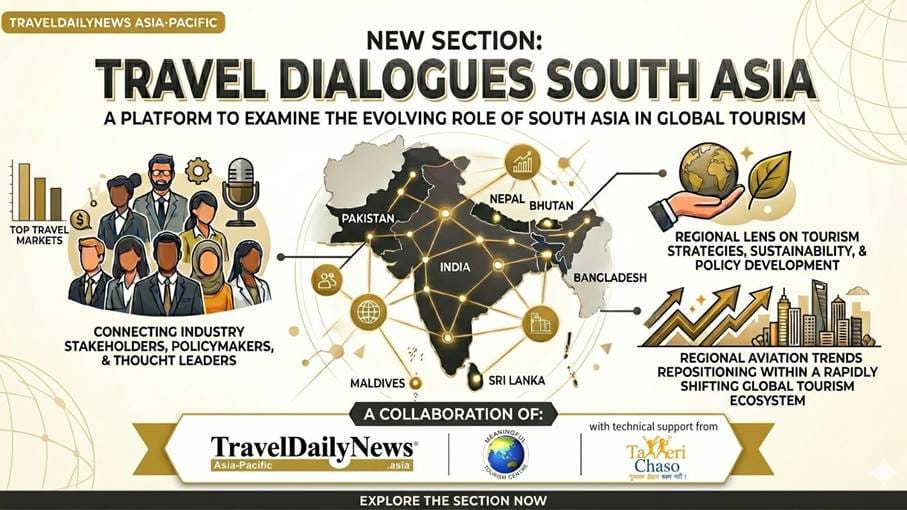
MTC and its partners TravelDailyNews Asia-Pacific and Tanneri Chaso started this week the TRAVEL DIALOGUES SOUTH ASIA new series of weekly podcasts concentrating on the development of Meaningful Tourism in South Asia, including Pakistan, India, Maldives, Sri Lanka, Nepal, Bhutan and Bangladesh.
The first 20 minutes featured your humble editor speaking about the tourism development in Nepal under the new government.
Future podcasts will bring insights from experts and professionals from all countries in region, which is home to a quarter of mankind but only attracts 2% of global international tourism arrivals.
Podcasts will go online every Wednesday morning (Asia time) and are available here: https://www.traveldailynews.asia/tag/travel-dialogues-south-asia/.
A teaser introducing the speaker of the next podcast will be published on Mondays.
All videos are also available on the MTC's YouTube channel.


If you are based in South Asia and would like to be one of our interview partners in the TDSA, please contact us or your local MTC Certified trainer.

Closing the Arrival Gap: How Cultural Intelligence Builds a More Meaningful Tourism Economy
By Atemnkeng Atabong, Founder and CEO of Voyant
Billions are spent marketing destinations to travellers. Almost nothing is spent preparing travellers for destinations.
The result is what we call the arrival gap: the window of disorientation when travellers lack the situational and cultural knowledge to move through a destination with awareness. They've researched flights, accommodations, and itineraries. What they haven't prepared for is how the place actually works: the social norms that govern daily interactions, the behavioural expectations that differ from their own, and the cultural context that turns a visit into something more than consumption. For the traveller, this produces anxiety, misunderstanding, and missed connection. For host communities, it produces friction and wear on the patience and goodwill that sustain a destination's relationship with tourism.
A traveller waves with an open palm in Athens, not knowing the gesture carries insult. Another clinks beer glasses in Budapest, unaware of the historical weight behind the discomfort at the table. Someone orders a cappuccino after lunch in Rome and wonders why the waiter paused. These are small moments. But they accumulate, and they shape how communities experience the presence of visitors.
Much of the tourism sector's attention has focused on the supply side of this equation. Destination marketing, infrastructure development, sustainability certification, overtourism management. These are necessary. But they share a common blind spot: they assume that once a traveller arrives, cultural understanding will happen on its own. It rarely does.
The platform Voyant was built to close this gap. Voyant is a cultural intelligence platform that prepares international travellers for arrival. Starting before departure, the app delivers daily cultural tips drawn from local knowledge, behavioural norms, etiquette, safety context, and the kind of situational awareness that most travellers only develop after weeks on the ground. Upon arrival, a comprehensive arrival briefing covers everything needed to navigate the first 48 hours with confidence: transit, currency, communication norms, emergency information, and the unwritten rules that shape how a place functions.
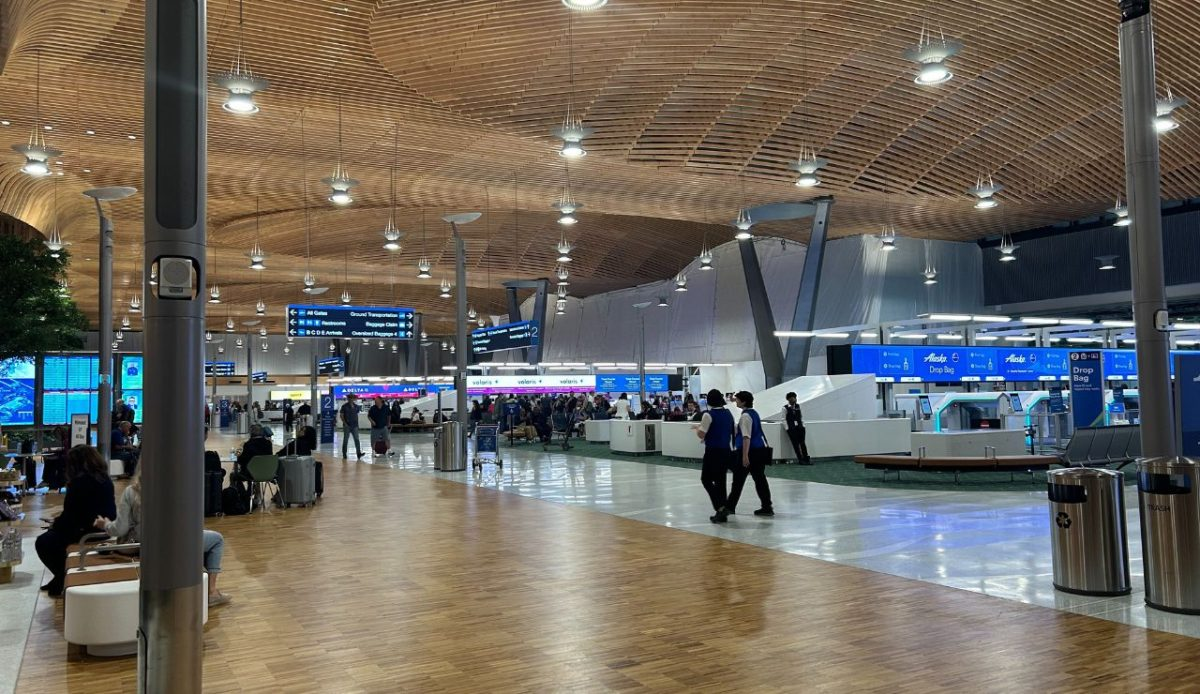
Every tip is built through a structured research and verification process that begins with documented traveller friction, local resident sentiment, and government tourism data. It is then filtered for real consequences, cultural accuracy, and tone. The goal is not to tell travellers what to see. It is to help them understand how to be where they are.
This distinction matters for the future of Meaningful Tourism. The conversation around sustainable and regenerative tourism has rightly focused on protecting destinations, distributing economic benefit, and reducing environmental impact. But one of the most overlooked drivers of tourism friction is behavioural: travellers who don't understand tipping customs, who misread social cues, who enter sacred spaces without awareness, who inadvertently create the very tensions that lead to overtourism backlash. These are not bad travellers. They are unprepared travellers.
Cultural intelligence is infrastructure. When a traveller understands that silence on a Tokyo train is an act of communal respect rather than coldness, or that refusing food in a Moroccan home carries weight beyond the plate, the entire quality of the encounter changes. Host communities feel seen rather than observed. Travellers feel oriented rather than anxious. The interaction moves from transactional to relational.
Voyant currently covers 30 destinations with cultural guidance verified through local sources and structured research. The platform is available on iOS and in beta on Android. The longer vision is to embed cultural intelligence into the travel ecosystem itself, working with universities, airlines, hotels, and tourism organizations to ensure that cultural preparation is not an afterthought but a standard part of the journey.
This is the vision: Most travel products help people get somewhere. Voyant helps them know how to be there.
About the Author
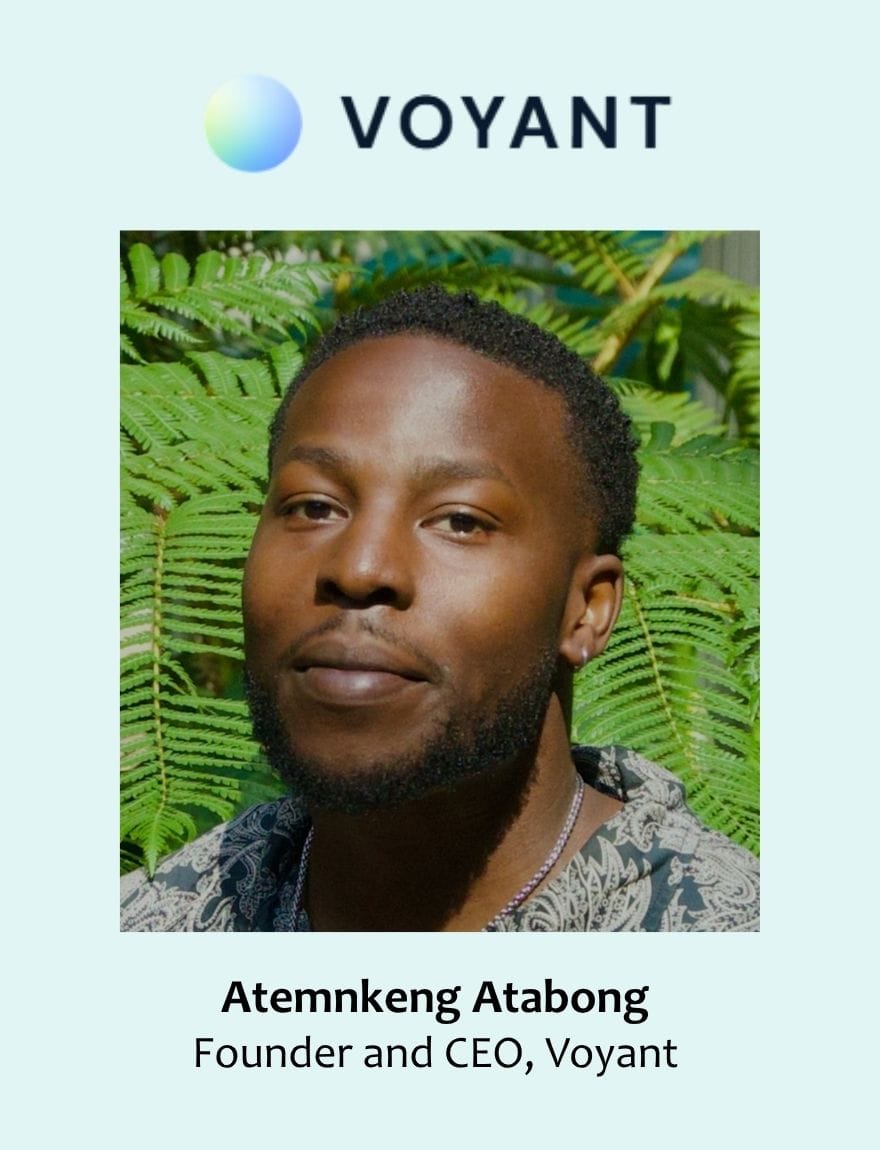
Atemnkeng Atabong is the founder and CEO of Voyant, a cultural intelligence platform for international travellers. A Cameroonian solo traveller, he has seen firsthand the stress that falls on both travellers and host communities when cultural context is missing. His work in responsible tourism research, including engagement with UNESCO and UNWTO frameworks, shaped the conviction that cultural preparation is not a luxury but essential infrastructure for a more equitable tourism economy. Based in Detroit, Atabong founded Voyant in January 2025 and is building it as both a consumer tool and an institutional layer for universities and tourism organizations preparing travellers for cross-cultural engagement.

Meaningful Tourism Community: The Meaningful Tourism Transformational Game Workshop Trainer
Dr. Eyong Ayuk Ako-Ebot - Certified Trainer for Cameroon
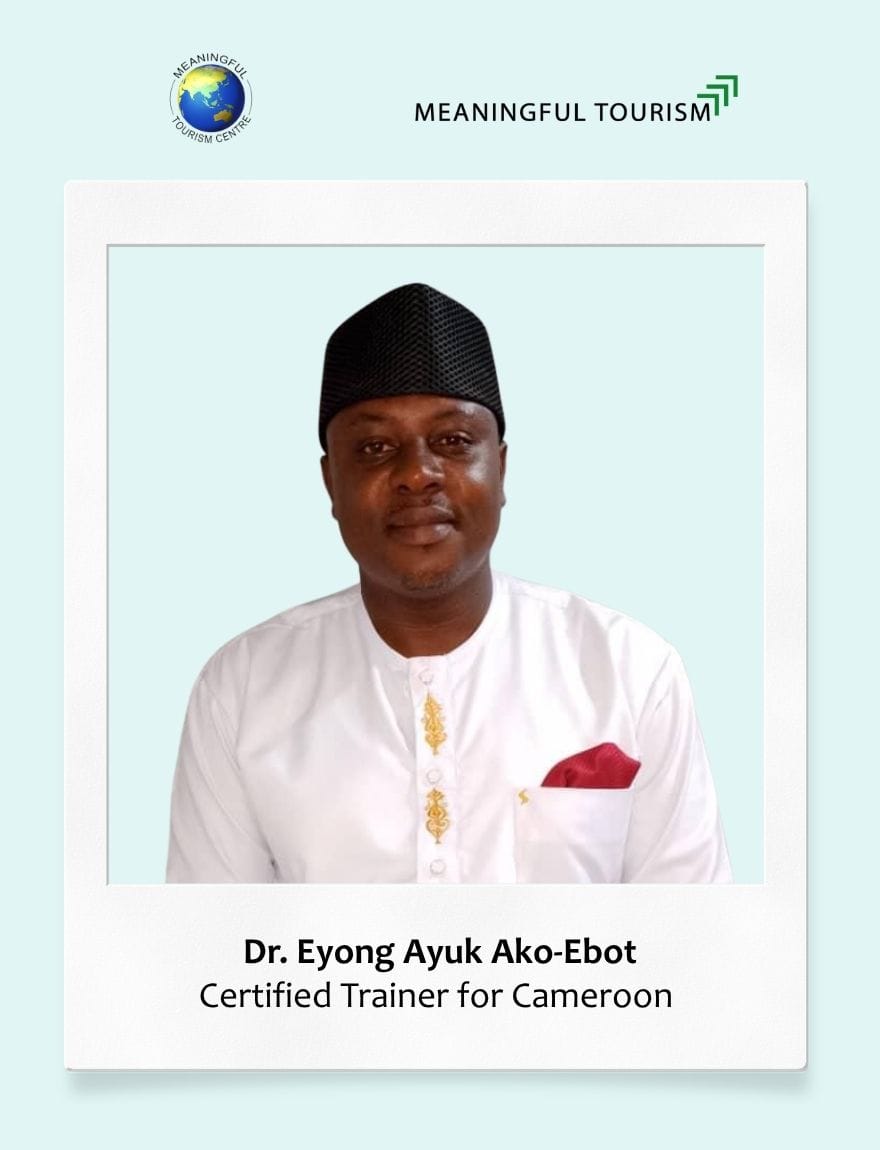
Dr. Eyong Ayuk Ako-Ebot is a tourism lecturer, researcher, and consultant specializing in sustainable and transformative tourism development. He holds a PhD in Management Studies (Tourism) from the University of South Africa, where his research focused on service quality frameworks for inbound tour operators in Cameroon. Dr. Eyong currently serves as a Lecturer at the University of Bertoua and teaches part-time at the University of Yaoundé I and the Baptist Higher Institute of Professional Studies.
His expertise covers areas such as tourism policy and planning, community and regenerative tourism, destination management, and the integration of ICT in tourism growth.
Meaningful Tourism Weekly: What is the current situation of tourism in Cameroon and how can the Meaningful Tourism Paradigm help to support its development?
Dr. Eyong:
Cameroon, also known in the tourism jargon as “All Africa in one country,” is a tourism haven in Africa. Within its four tourism cultural zones (Grassfield; Sawa; Fang Beti and Savannah), you will certainly have an authentic experience of Water life along the coastal line of Kribi and Limbe, or hike up the second tallest mountain (Mt. Cameroon) after Mt. Kilimanjaro in Africa, or eat the exotic traditional meals of Cameroonian gastronomy, or the cultural dances that feed the human spirit.

With a land surface area of about 4.56 hectares, tourists will discover very deep traditional and cultural values. Its eco-touristic potential, spanning from forests, water bodies, sacred places, traditional chiefdoms, waterfalls, and many more, leaves tourists wanting more. Access to the country is through its international airports, which are Yaoundé Nsimalen and Douala International airports.
Cameroon is a true melting pot of breathtaking touristic opportunities, offering its visitors safari, hiking, trekking, striking flora and fauna as well as its picturesque landscape. Despite this huge potential amidst a not-so-good business climate, the Cameroon government is doing its best to increase the number of international tourists visiting the country. Investment opportunities await those who are patient and daring.
With a holistic view of the vision of the Meaningful Tourism paradigm, Cameroon tourism can better harness its potential to reach and, why not, exceed 3.5 million tourists visiting its land. With the understanding that all six stakeholders in the industry can make reasonable gains and good business, the industry needs a complete overhaul in its mindset from its present state. Join us in this change action to apply the Meaningful tourism model, and let's maximize Cameroon’s touristic potential and take Cameroon Tourism to new heights.
MTC Certified Trainers
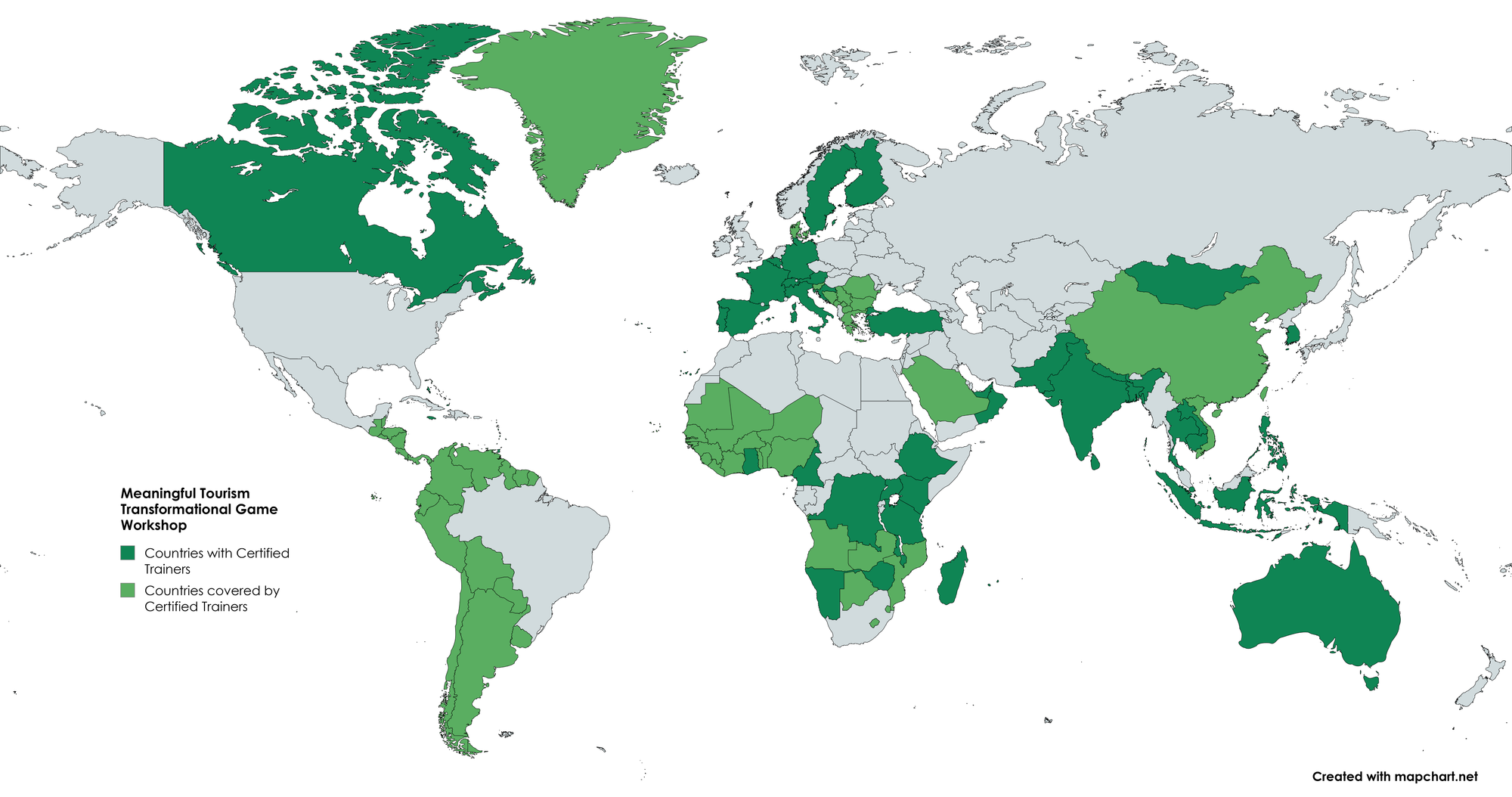
Please find below an overview of all our Certified Trainers for the Meaningful Tourism Transformational Game Workshop, along with the World Map showing the countries currently covered directly or indirectly.
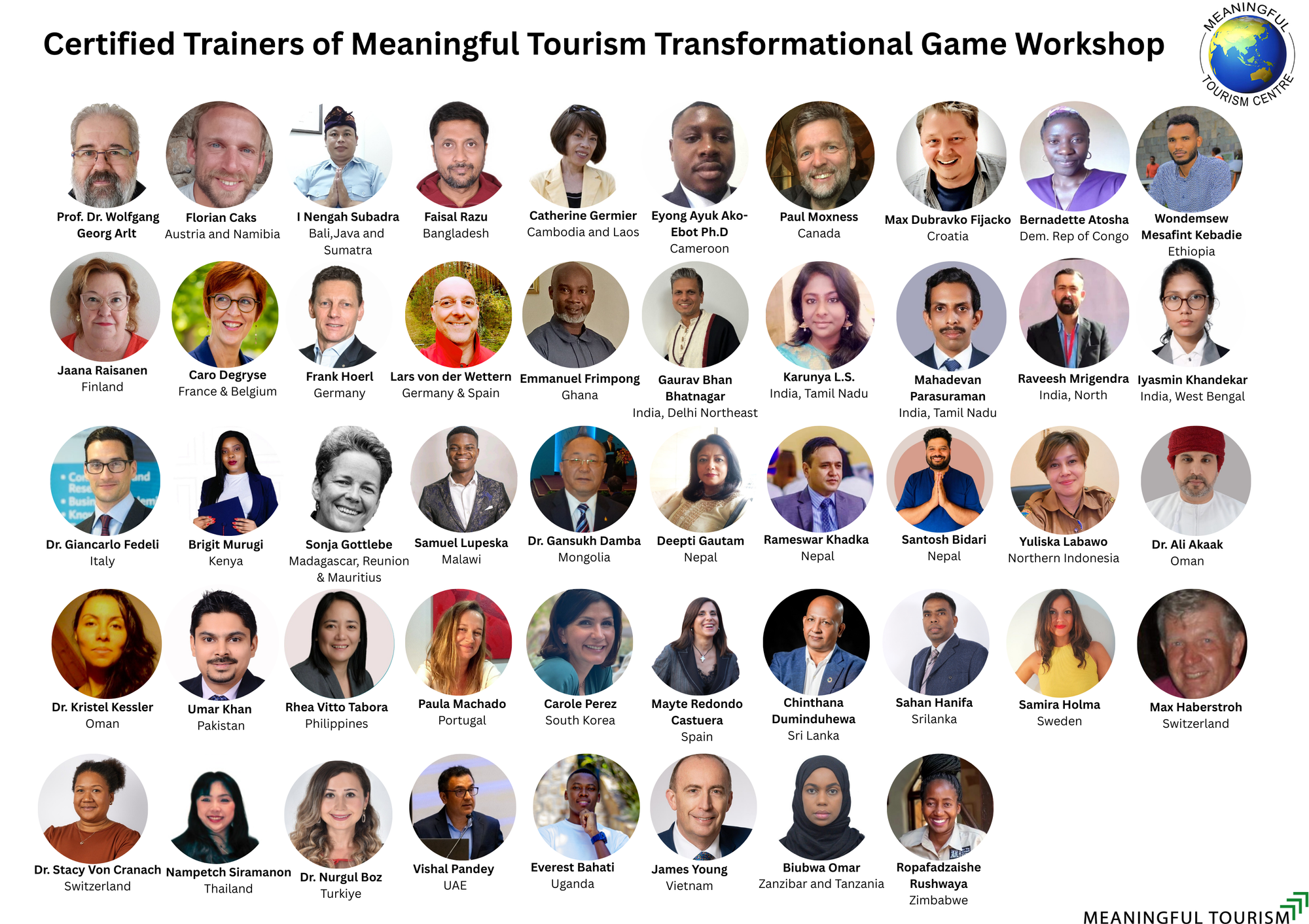
The network of MTC Certified Trainers is constantly growing. As shown on the map, many countries and regions worldwide are already served by dedicated experts. However, MTC is continuously looking for professionals with experience in training or lecturing and a passion for sustainable tourism to join the network and fill the blanks on the map.

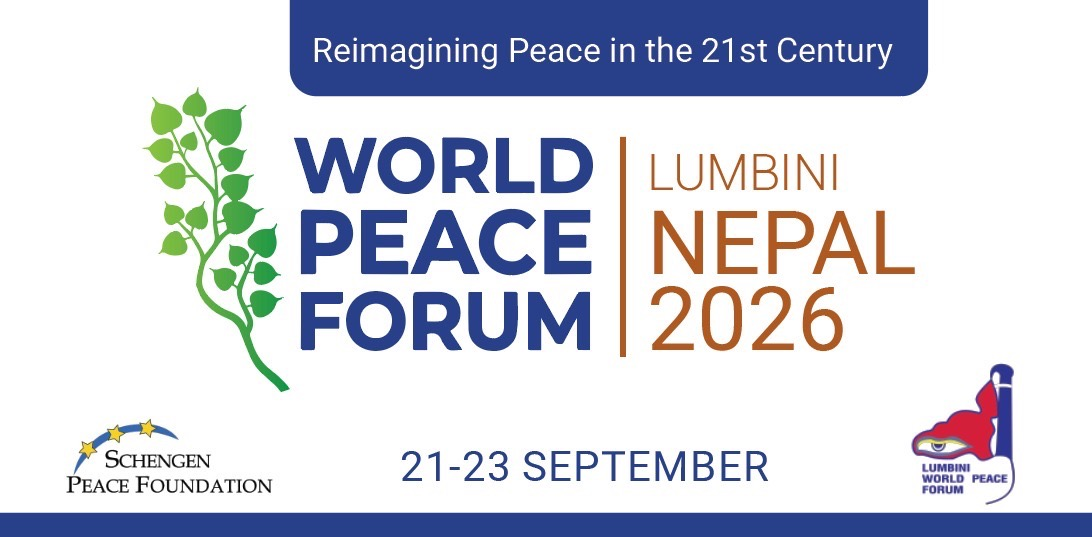
World Peace Forum 2026
September 21-23, 2026
Lumbini, Nepal
About Meaningful Tourism Weekly
Meaningful Tourism Weekly is published every Thursday by Meaningful Tourism Centre (MTC) - London and Kathmandu in collaboration with Travel Asia Now, led by Rhea Vitto Tabora.
Each issue features an Editorial, updates on MTC activities, a Best Practice Example, a profile of an MTC-certified trainer, news about upcoming events, and, occasionally, additional op-ed pieces from guest authors. Carefully selected news items, including videos and podcasts, are also included, with links to their original sources in the Meaningful Tourism News section.
Subscription to Meaningful Tourism Weekly is free, with the addition of a paid content section that includes a library of surveys, exclusive articles, conference presentations, and statistical data, offering subscribers invaluable resources.
Sponsorship opportunities are available for those interested in supporting this initiative.
For more information about MTC's training programs, market research, product adaptation, consulting services, conferences, strategy development, and marketing, visit our website or email us at info@meaningfultourismcentre.org.