South Asia – A transforming tourism destination



Dear reader,
The first quarter of the 21st century saw a dramatic rise of the Asia-Pacific region as an international tourism destination. In 2025, 330 million out of the total of 1.5 billion international trips ended here, representing almost a quarter (22%) of all international journeys. However, even though South Asia alone is home to a quarter of the global population, its share as a destination for international trips remained at only 2% with 36 million arrivals. China alone is receiving more than double the number of arrivals, even without counting visitors from Hong Kong SAR and Macau SAR. Moreover, South Asia was the only region in Asia which actually saw a decrease in arrivals in 2025 compared to 2024.
There is no lack of reasons to visit South Asia. It offers extensive cultural heritage as the home to some of the world’s oldest civilisations and major religions, as well as a striking natural diversity, from the Himalayas in the north to fantastic beaches in the south.
UNESCO has designated 67 World Heritage Sites in South Asia (including Afghanistan, Bangladesh, Bhutan, India, the Maldives, Nepal, Pakistan, and Sri Lanka). The first sites recognised as World Heritage Sites in South Asia were the Sagarmatha National Park and the Kathmandu Valley in Nepal, inscribed in 1979, home also of the headquarter of the Meaningful Tourism Centre. There are currently 53 cultural, 12 natural, and 1 mixed site in the region. India alone is home to 2/3 of the inscribed sites in the region with 43 sites, putting it in sixth position among all countries in the world with respect to the number of UNESCO World Heritage sites.
Lumbini in Nepal is, as the birthplace of Buddha, a focal point for 10% of mankind who follow his ideas. Tthe Taj Mahal is one of the most recognized global tourism icons. All mountains in the world with peaks above 8,000 m are located in South Asia.

However, for many years, tourism development has been hindered by political frictions and a lack of innovation and adequate storytelling by the tourism industry.
With the rising demand for transformative travel, going beyond recreation, sightseeing, and the creation of memories, South Asia has new opportunities to offer answers to the quest for wellbeing and happiness. More travellers within South Asia, as well as those from East and Southeast Asia, are becoming interested in visiting their own continent after having ticked off New York, London, and Sydney from their must-see list.
Rising transportation costs and the increasing average age of the travelling population will support the trend toward intracontinental trips rather than long-haul transcontinental travel. The war in the Middle East has given an additional push for South Asian destinations to look to the East rather than to the West for visitors.
To start a new regional discourse about the best ways to leverage the opportunities of changing demand and new technological instruments, but also to master the challenges of climate change and a lack of regional cooperation, TravelDailyNews Asia-Pacific, part of the TravelDailyNews Media Network, and the Meaningful Tourism Centre have started with the technical support of Tanneri Chaso a new series of podcasts to support the rise of a new era of tourism in South Asia, called Travel Dialogues: South Asia.
The weekly podcast series explores the dynamic and evolving travel and tourism landscape of South Asia by bringing together industry experts, thought leaders, and policy makers to discuss the latest developments, sustainability initiatives, and emerging trends shaping the region. From tourism strategies to regional policies and innovations, the podcasts delve into the pressing issues and opportunities that define South Asia's tourism sector within a fast-changing global framework. The region covered by the podcast includes, from West to East: Pakistan, India, the Maldives, Sri Lanka, Nepal, Bhutan, and Bangladesh.
For more information, please also see the MTC News below and the provided link to the brochure.
Your humble editor grew up in Germany as a member of the first generation of German men since 1618 who were not asked to shoot and kill other men they never met because they were wearing a different uniform. More than that, neighbours told to hate each other for centuries came together in Europe to build an increasingly united continent. Institutions like the European Tourism Commission (ETC) are promoting “Europe” as a single destination, and more than 80% of all international trips by EU citizens end in another EU country.
Meaningful Tourism needs peace, and Meaningful Tourism is actually a powerful tool to promote peace, especially among neighbours, which can also be visited by citizens with limited financial means.
Hopefully, South Asia will be inspired by the European example and pushed forward by the current reframing of the world order towards ending bygone conflicts and arriving at solutions for still existing, but solvable territorial claims. Developing a brand “South Asia” would be a powerful tool for the development of tourism in the region.
Two countries in the region, Nepal and Bangladesh, have just started the way towards modern tourism development under new governments. India is bound to finally realize its potential, and the Maldives and Sri Lanka seem to find solutions for their overtourism problems. The new podcasts will hopefully be able to help push the Meaningful Tourism development of South Asia in the right direction.
As always, all best wishes from the Meaningful Tourism Weekly team in Kathmandu and Manila, and from the whole Meaningful Tourism community to all our readers!


Meaningful Tourism in China
CTW AWARD 2026
In last week’s edition, we provided information about the Chinese Tourist Welcome (CTW) Award 2026.
We are happy to have already received the first applications. If you are working with the Chinese outbound market, please consider applying. Information can be found on the MTC website: https://cotri.meaningfultourismcentre.org/chinese-tourist-welcome-award-2026/.
The deadline for applications for the 2026 award is May 12, 2026.
GITF 2026
The conflict in the Middle East and disruptions to international air routes have resulted in another cancellation. The Beijing International Travel and Lifestyle Fair (BITLF) has been downgraded to a domestic fair for its first instalment in June 2026. Unfortunately, we will not be able to hold the planned tourism conference during BITLF and will not offer the COTRI Recommended Exhibitor service there.
However, GITF Guangzhou International Travel Fair (Guangzhou, May 21-23) will happen with a strong international hall and a conference organised by MTC division, COTRI.
Videos providing additional information about the advantages of participating are available on the MTC YouTube channel and Instagram.
The 2026 CTW Award ceremony will also be part of GITF and will be held on May 21, 2026.
Meaningful Tourism in South Asia – New series of podcasts starting on Wednesday, April 22
MTC and its partners TravelDailyNews Asia-Pacific and Tanneri Chaso are busily preparing the first edition of the TRAVEL DIALOGUES SOUTH ASIA, a new series of weekly podcasts concentrating on the development of Meaningful Tourism in South Asia, including Pakistan, India, Maldives, Sri Lanka, Nepal, Bhutan, and Bangladesh. The first 20 minutes will feature your humble editor speaking about the tourism development in Nepal under the new government.
It will go online on Wednesday, April 22, 2026 in the afternoon (Asia) and will be available here: https://www.traveldailynews.asia/
If you are based in South Asia and would like to be one of our interview partners in the TDSA, please contact us or your local MTC Certified trainer.
More information can be found here:
Meaningful Tourism in India
ITB Berlin has since many years successfully defended the position of the No. 1 global tourism fair. Messe Berlin, the organiser, used the leverage of the brand to establish satellite fairs in Singapore, China, and India.
MTC has been successfully organising stands at fairs in China (GITF) and Thailand (PTM PATA Travel Mart). The stand at the “other” PTM (Pakistan Travel Mart) in Karachi this month had to be cancelled, unfortunately, due to the war in the Middle East.
In 2026, MTC will for the first time participate in ITB India, taking place in Mumbai from September 1-3, 2026. We are offering to share the stand as an MTC Recommended Exhibitor, providing visibility for the growing Indian tourism market for lower costs, higher flexibility and visibility and support before, during, and after the exhibition.
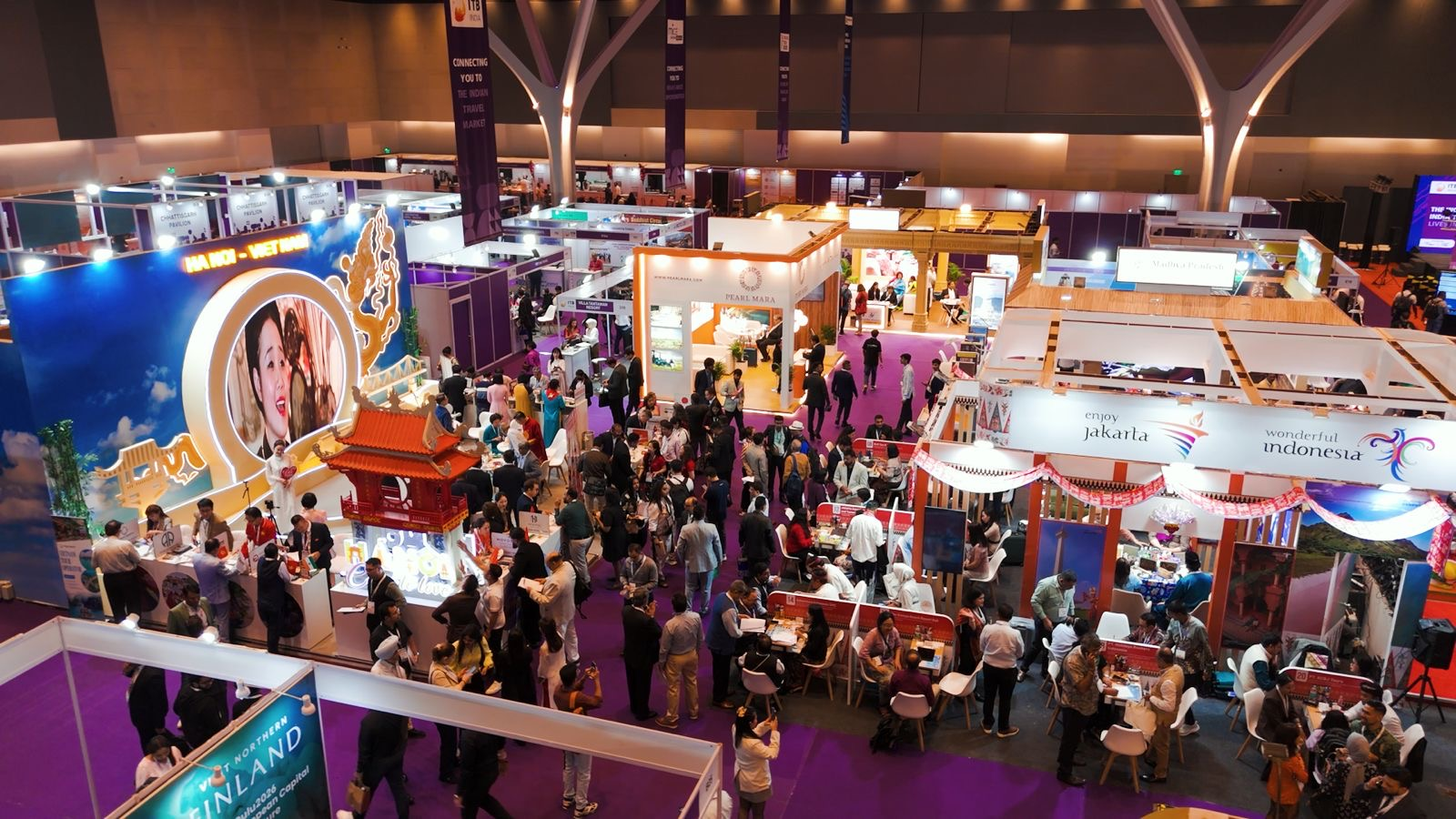
If you are interested in joining, just contact us at info@meaningfultourismcentre.org.

Exploring the Future of Meaningful Tourism: My Current Journey in Research and Practice
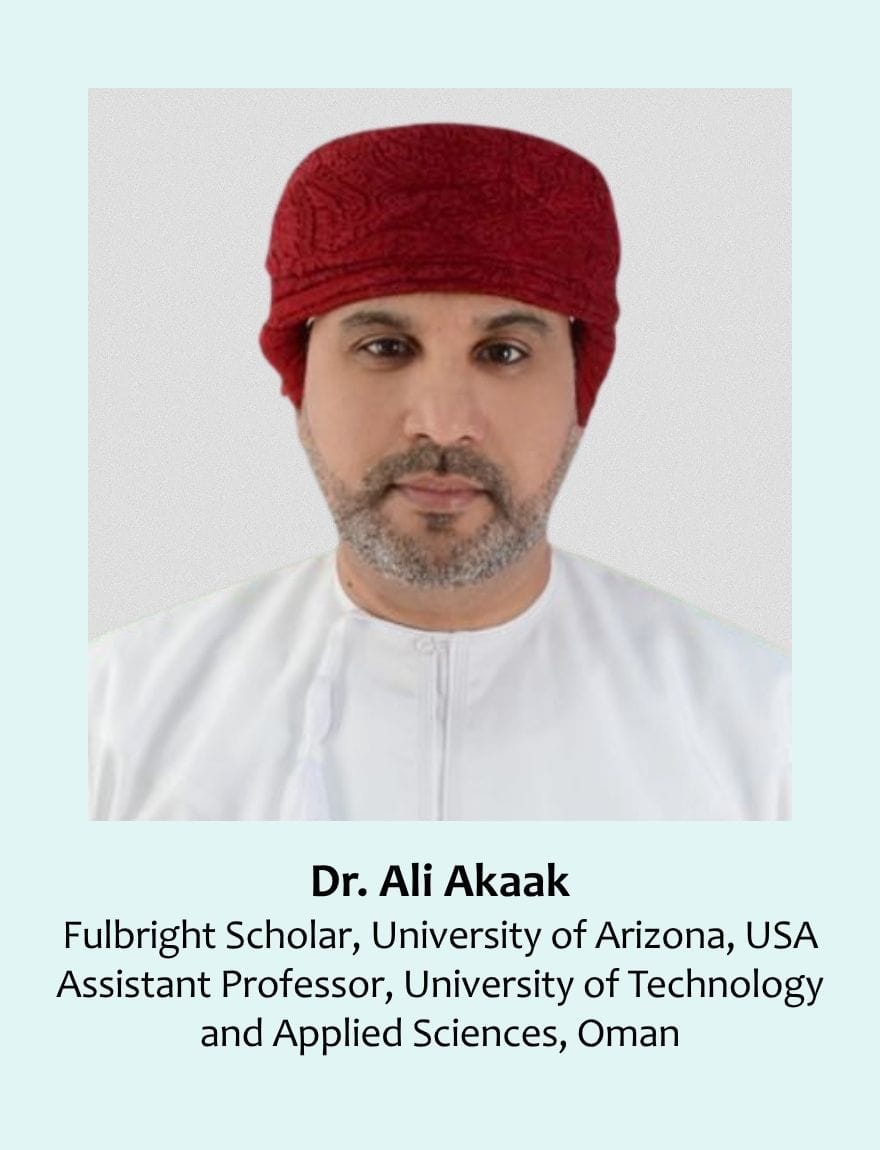
By Dr. Ali Akaak | CertifiedTrainer, Meaningful Tourism Center (MTC); Fulbright Scholar, University of Arizona, USA; Assistant Professor, University of Technology and Applied Sciences, Oman
Tourism today stands at a crossroads. Around the world, destinations are asking a fundamental question: How can tourism grow while still protecting nature, culture, and community well-being?
This question sits at the center of my current work as a tourism researcher, educator, and practitioner. As an Assistant Professor of Business and Tourism and a Visiting Fulbright Scholar at the University of Arizona, I am currently exploring how tourism can evolve into a more meaningful, sustainable, and culturally connected experience for both travelers and host communities.
My research journey began with a simple belief: tourism should not only move people across borders—it should also build understanding between societies and create lasting value for local communities. This belief continues to shape the projects I am working on today.
A Global Perspective from the Desert of Arizona
During my Fulbright research period in the United States, I have been focusing on one key question: How do international travelers perceive emerging destinations, and what motivates them to travel long distances?
My current research project examines the U.S. outbound tourism market and explores how destinations like Oman can better connect with American travelers seeking authentic, nature-based, and culturally rich experiences.
While Oman remains relatively undiscovered for many travelers in North America, it offers exactly the type of experiences many modern travelers are seeking dramatic landscapes, strong cultural heritage, welcoming communities, and a deep commitment to sustainability.
Through surveys, interviews with travel advisors, and discussions with tourism professionals, I am studying how travelers perceive long-haul destinations and what factors influence their travel decisions. The goal is to help destinations tell their stories more effectively while ensuring tourism development remains responsible and sustainable.
Learning from Communities and Stakeholders
Another important part of my work focuses on nature-based tourism and sustainability, particularly in the Dhofar region of southern Oman.
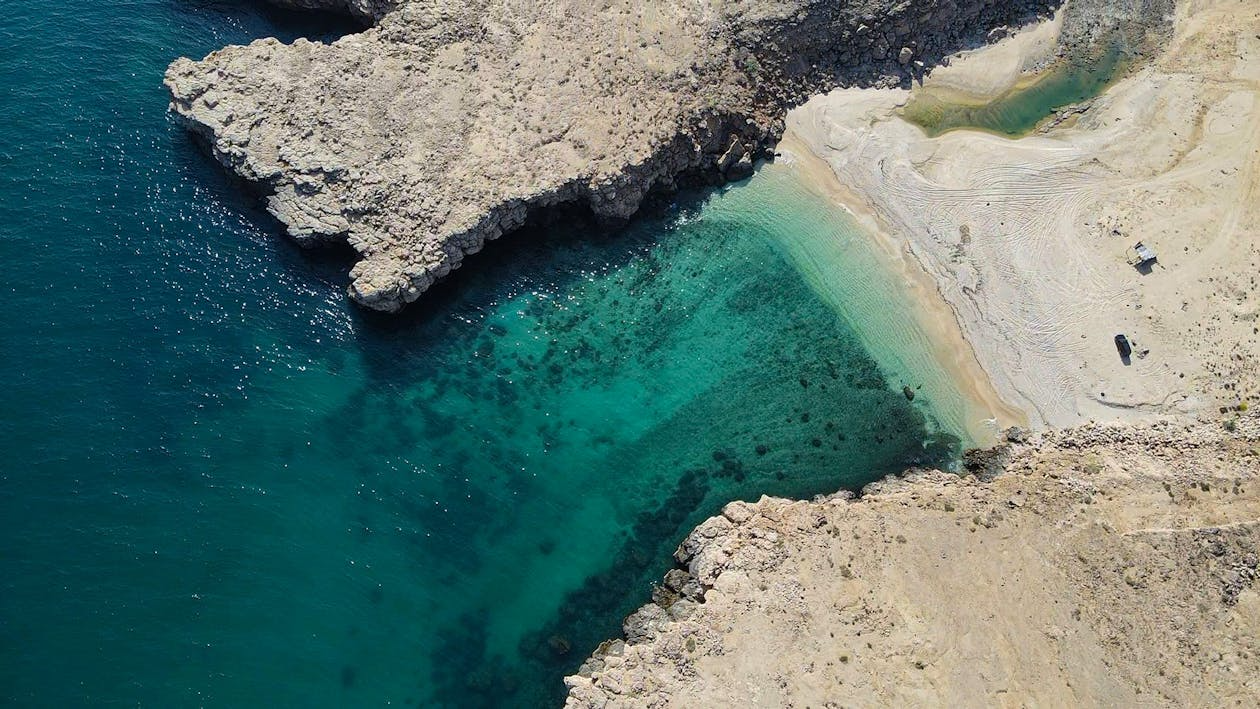
Over the past year, I have conducted interviews with government officials, tourism entrepreneurs, community members, and environmental organizations. These conversations revealed something powerful: many stakeholders share a strong desire to develop tourism in a way that protects landscapes, empowers communities, and celebrates local culture.
However, they also highlighted challenges—such as coordination between institutions, the need for stronger sustainability frameworks, and better support for local tourism entrepreneurs.
These insights are helping shape new ideas about how destinations can design tourism systems that balance economic opportunity with environmental protection and community well-being.
Meaningful Tourism in Practice
This work strongly connects with the philosophy of Meaningful Tourism—the idea that travel should create positive connections between visitors, places, and people.
For me, Meaningful Tourism is not just a concept. It is a practical approach that encourages destinations to move beyond mass tourism models and focus on experiences that are authentic, responsible, and enriching for everyone involved.
This includes supporting local guides and small tourism businesses, protecting natural ecosystems, and creating travel experiences that allow visitors to genuinely engage with the culture and stories of a place.
When tourism is developed in this way, it becomes more than an industry, it becomes a bridge between cultures.
Innovation and the Future of Destinations
Alongside sustainability research, I am also exploring how digital innovation and tourism entrepreneurship can strengthen destinations.
One initiative I am currently developing looks at how digital platforms can help visitors discover local experiences while also supporting small tourism businesses. Smart tourism tools can guide travelers toward nature trails, heritage sites, community experiences, and local markets, creating a more connected and immersive travel journey.
These innovations are particularly important for emerging destinations that want to grow tourism while maintaining authenticity and environmental balance.
Looking Forward
Tourism is one of the most powerful global forces connecting people and places. But the future of tourism will depend on how thoughtfully we design the systems that support it.
My current work—spanning research, policy discussions, and collaboration with tourism stakeholders—is part of a broader effort to rethink tourism as a force for sustainability, cultural understanding, and community development.
Through collaboration with academic institutions, tourism organizations, and the Meaningful Tourism community, I hope to contribute to a growing movement that places purpose, responsibility, and human connection at the heart of travel.
Because ultimately, the most memorable journeys are not just about where we go—they are about the relationships, stories, and understanding we bring back with us.

Meaningful Tourism Community: The Meaningful Tourism Transformational Game Workshop Trainer
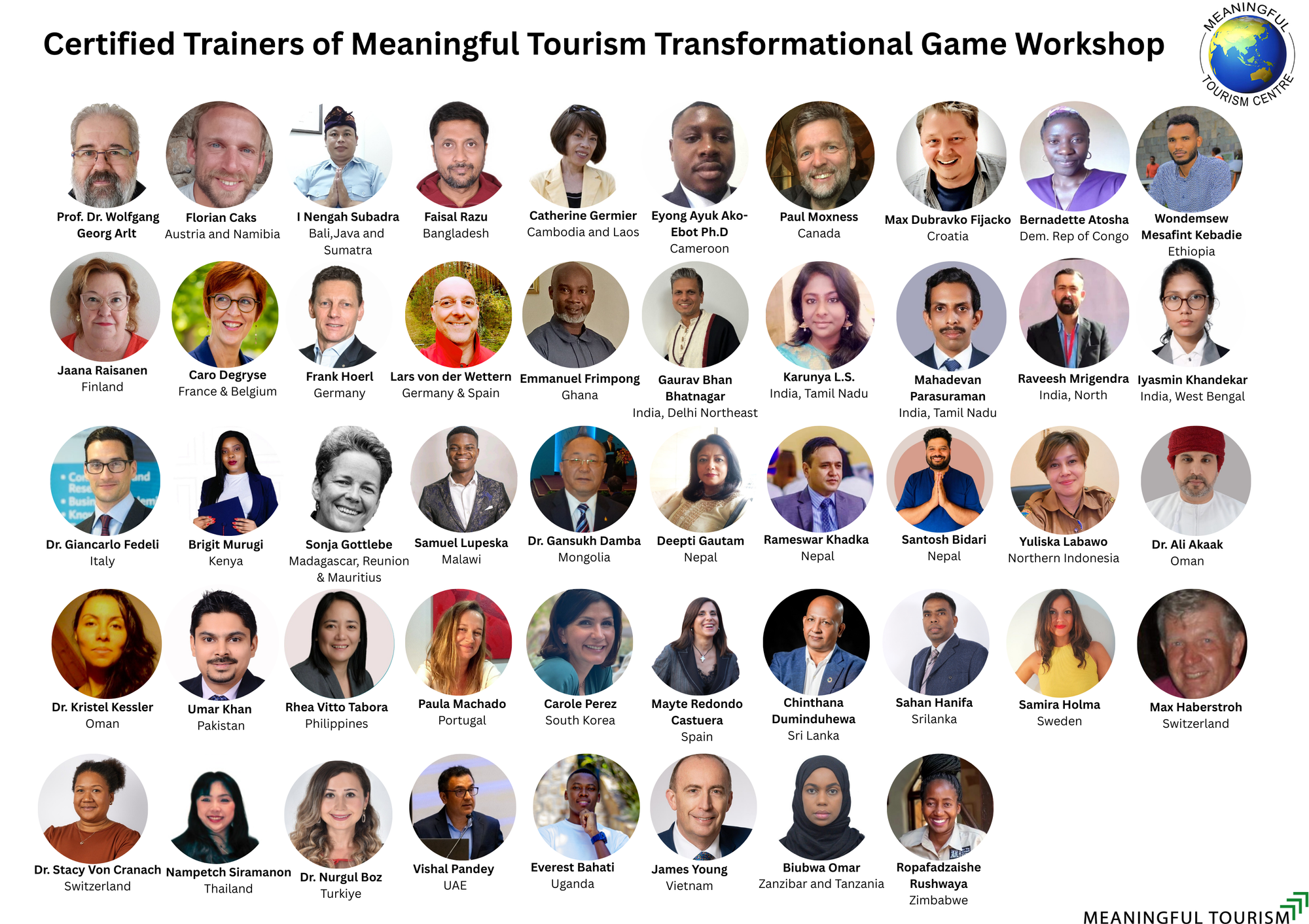
Catherine Germier-Hamel - Certified Trainer for Cambodia

Catherine (Cathy) Germier-Hamel is the founder & CEO of Millennium Destinations, a travel consultancy specializing in sustainable tourism across Southeast Asia. Eurasian by heritage, she was born in France and spent 17 years in South Korea before relocating to Cambodia in 2022.
With a passion for ethical travel, Catherine also serves as a Positive Travel Storyteller and eco-conscious consultant and photographer, documenting stories across the Mekong region under the handle “french.cath”. Her work integrates community-focused itineraries, responsible storytelling, and green practices—reflecting a deep commitment to wellbeing and environmental stewardship.
The Meaningful Tourism Weekly explores:
"What is the current situation of tourism in Cambodia, and how can the Meaningful Tourism paradigm help support its development?"
her answer...
Cambodia’s tourism sector is facing both exciting opportunities and significant challenges. After years of significant growth fueled by the popularity of Angkor Archaeological Park in Siem Reap and a surge in Chinese tourist arrivals until 2019, the pandemic caused international arrivals to plummet by over 80%. After a slow recovery process, the sector showed strong signs of recovery in 2024, with international tourist arrivals reaching 6.7 million, a 23% increase compared to 2023. However, visits to Angkor, a key indicator of leisure tourism, remain 55% below 2019 levels, highlighting that the recovery has been uneven. The government has set an ambitious target of 7.5 million visitors for 2025, under the inclusive slogan, “Tourism for All, All for Tourism.”
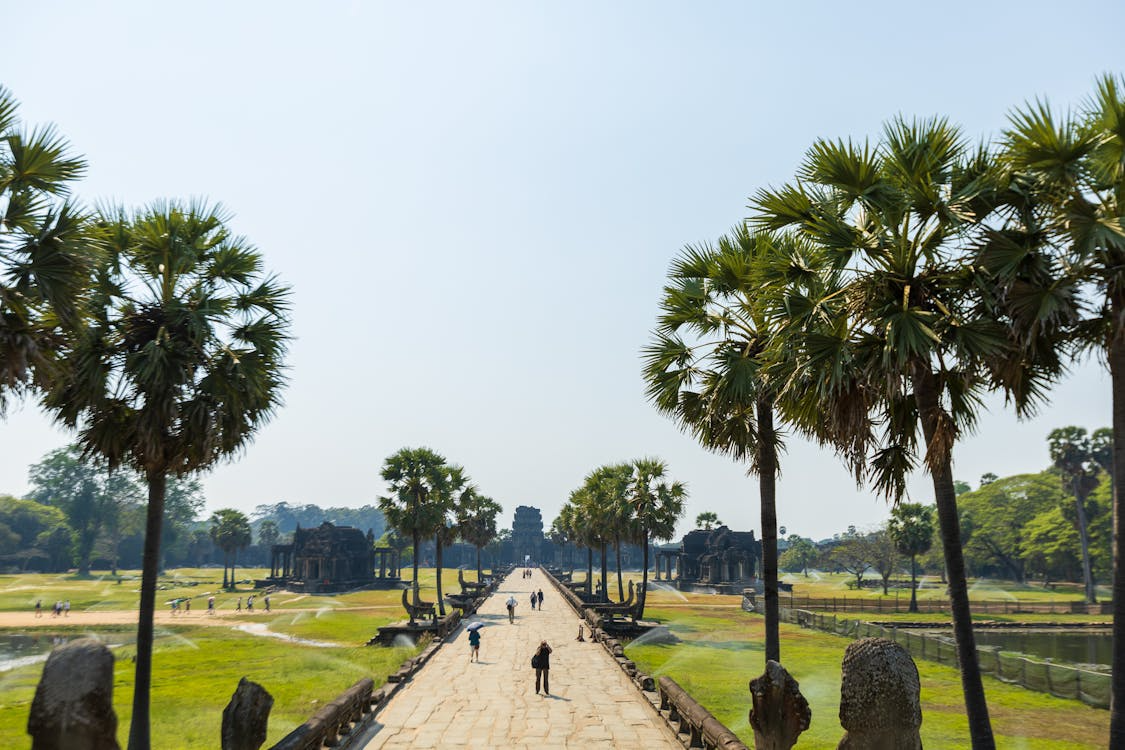
Cambodia’s tourism sector stands out for its exceptional cultural and natural heritage, its warm and welcoming people, and its distinctive rural landscapes and lifestyles, positioning the country as an authentic and inviting alternative in the region. However, the industry remains heavily reliant on Angkor Archaeological Park, with most visitors staying only a few days, often as an add-on to trips in neighboring countries. The sector also faces a high level of informality, with 88% of tourism jobs being informal, and suffers from a shortage of qualified professionals, particularly in management roles. There is also a lack of effective coordination among key stakeholders. These challenges highlight missed opportunities and limit both the economic impact and the long-term sustainability of Cambodia’s tourism industry.
Recently, the sector has undergone significant changes, with a new Minister of Tourism, the creation of the Cambodia Tourism Board, and improved collaboration among stakeholders. The government is investing in infrastructure, new national tourism schools, and green and digital skills to meet the growing demand for qualified professionals.
The Meaningful Tourism paradigm offers a promising path forward for Cambodia by emphasizing harmonized benefits for all stakeholders and integrating socioeconomic, environmental, and cultural values. This approach seeks to align the needs and interests of everyone involved in the tourism ecosystem, from local communities and businesses to visitors and government bodies.
Notably, initiatives such as the Cambodia Sustainable Landscape and Ecotourism project (CSLEP) and the sustainable tourism promotion program Destination Eco-Talents (DET), led by the International Organization of La Francophonie, and piloted in Cambodia with the support of local implementing partners like Millennium Destinations, are advancing professionalization and sustainability within the sector. DET places a special focus on empowering women, youth, and rural communities, helping to build a more inclusive and skilled tourism workforce.
By combining renewed governance, enhanced training and skills development, and innovative programs like DET and Meaningful Tourism, Cambodia is well-positioned to become a regional model for responsible and resilient tourism.
MTC Certified Trainers
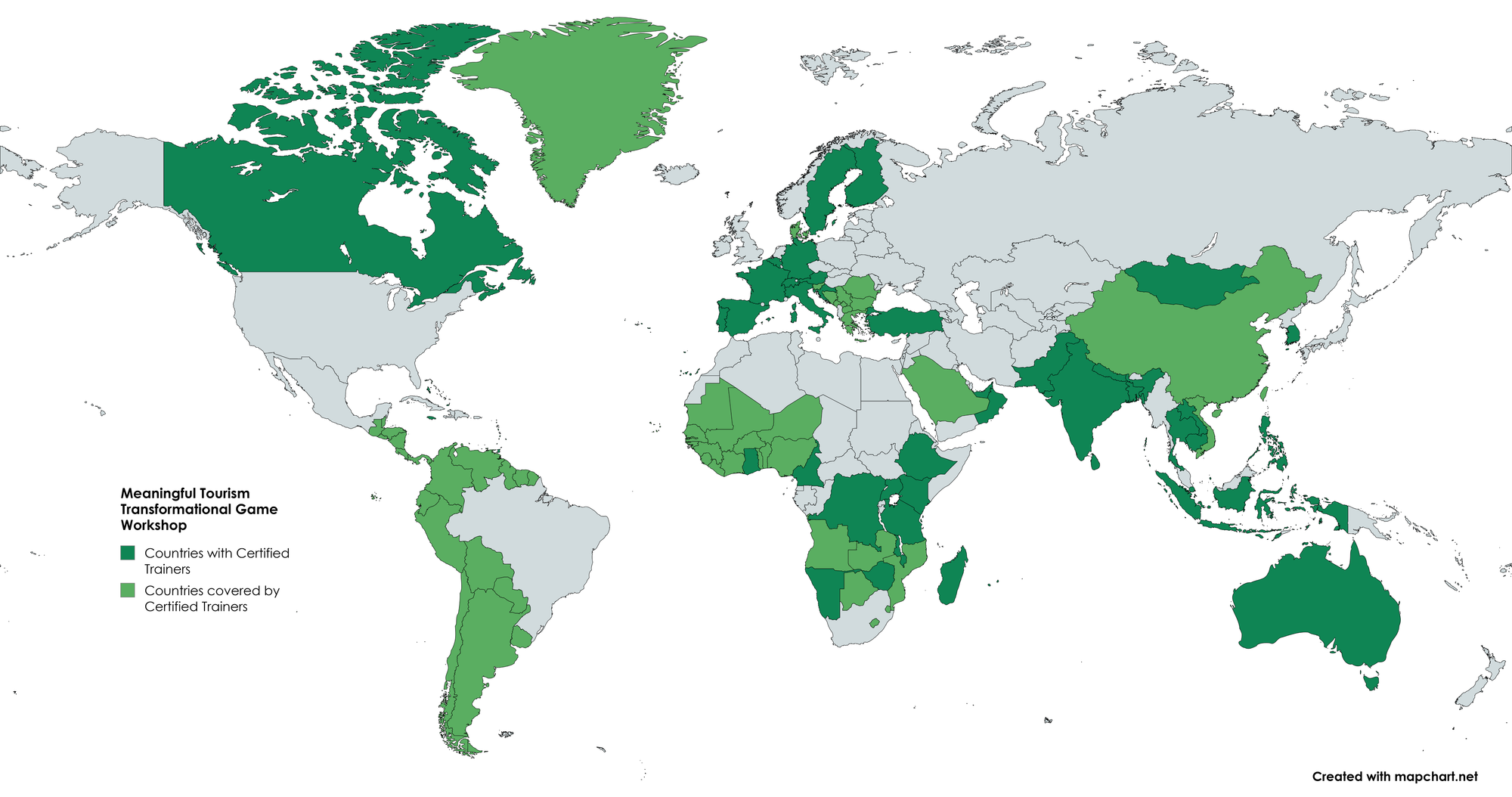
Please find below an overview of all our Certified Trainers for the Meaningful Tourism Transformational Game Workshop, along with the World Map showing the countries currently covered directly or indirectly.
The network of MTC Certified Trainers is constantly growing. As shown on the map, many countries and regions worldwide are already served by dedicated experts. However, MTC is continuously looking for professionals with experience in training or lecturing and a passion for sustainable tourism to join the network and fill the blanks on the map.

Guangzhou International Travel Fair (GITF) 2026
May 21–23, 2026
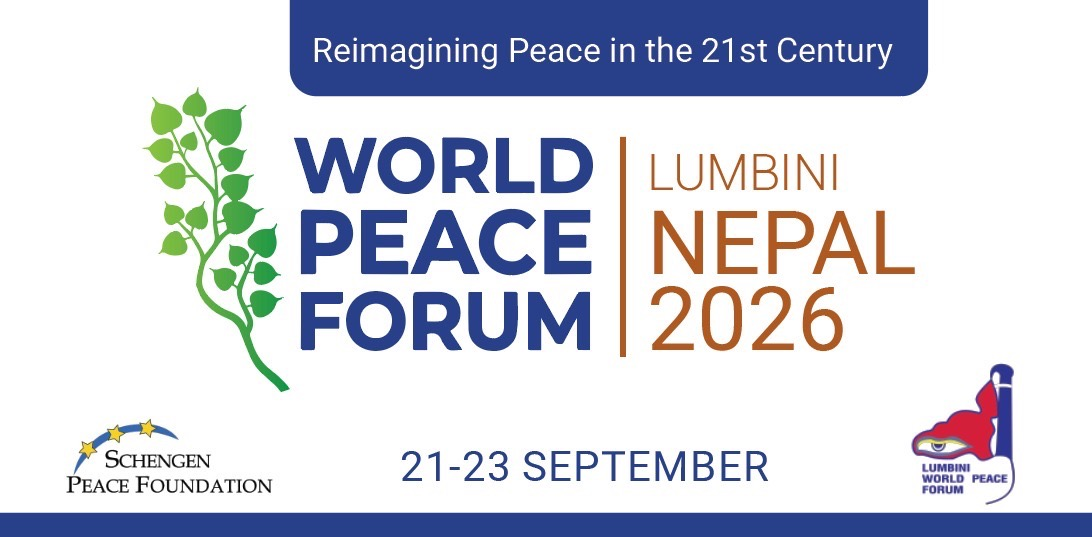
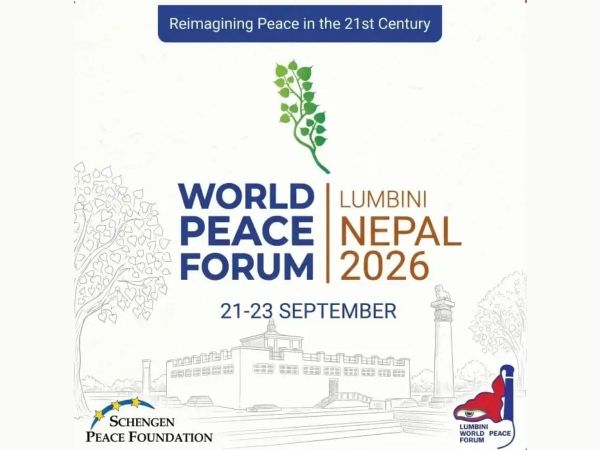
World Peace Forum 2026
September 21-23, 2026
Lumbini, Nepal
About Meaningful Tourism Weekly
Meaningful Tourism Weekly is published every Thursday by Meaningful Tourism Centre (MTC) - London and Kathmandu in collaboration with Travel Asia Now, led by Rhea Vitto Tabora.
Each issue features an Editorial, updates on MTC activities, a Best Practice Example, a profile of an MTC-certified trainer, news about upcoming events, and, occasionally, additional op-ed pieces from guest authors. Carefully selected news items, including videos and podcasts, are also included, with links to their original sources in the Meaningful Tourism News section.
Subscription to Meaningful Tourism Weekly is free, with the addition of a paid content section that includes a library of surveys, exclusive articles, conference presentations, and statistical data, offering subscribers invaluable resources.
Sponsorship opportunities are available for those interested in supporting this initiative.
For more information about MTC's training programs, market research, product adaptation, consulting services, conferences, strategy development, and marketing, visit our website or email us at info@meaningfultourismcentre.org.