Will the 21st century finally start?



Dear reader,
the famous Cambridge historian Eric Hobsbawm coined a terminology which dominated much of the global discourse following the publication of his book The Age of Extremes: The Short Twentieth Century, 1914–1991 in 1994. In the text, he described the period from the start of World War I to the fall of the Soviet bloc as "the short 20th century", following "the long 19th century", the period from the start of the French Revolution in 1789 to the start of World War I in 1914. Two years earlier, Francis Fukuyama had famously even declared “the end of history”.
However, in many ways, the 2020s appear to be still very much stuck in the last century, with a version of the Cold War reappearing and the global decline of democratic structures pointing even back towards times before World War II. Even the pandemic at the beginning of the current decade did not provide the cut towards a new era which could have been expected.
This observation certainly includes the tourism industry, which, despite all discussions about sustainability and overtourism before CoViD-19 happily returned after 2023 to the old structures, decorated by some greenwashing and some inconsequential certificates.
At the time this text was written, a small glimmer of hope appeared on the horizon, a hope that the world will, after all, not sleepwalk into World War III and that mankind can finally start dealing seriously with the many real problems and challenges it is facing. The attack on Iran and the consequential global economic crisis combined with climate change and AI might do the trick to bring home to the global discourse that we are living in times which are different from the end of the calendarial 20th century, when the future still looked bright - even with NASA and CNSA working on bringing humans back to the moon as if it still was 1969.
Climate change might not be in the headlines at the moment; however, that does not stop scientists to find that for many of the tipping points, the worst-case scenarios are, in fact, outperformed in a negative way by the real development again and again.
AI is offering new roads ahead into a better future if it is embedded in a democratic, transparent and sustainable economic ecosystem, in the case of tourism as part of a Meaningful Tourism Economy. However, if AI is used just as a version of the old growth-at-all-costs system on steroids, it will accelerate all the negative aspects without providing the possible benefits.
Meaningful Tourism is based on the insight that a sustainable development is only possible if all stakeholders, namely travellers, host communities, service providing staff and service providing companies, governments and the environment, gain objective benefits and subjective satisfaction from tourism. Achieving higher levels of Wellbeing and happiness are not only the goal for the guest, but also for employees working in the industry, success can not be achieved in a way which is destroying the cultural and natural assets the tourism industry has not produced, but which it is selling.
AI, used in the right way within the right structure, can support such development. There are challenges still to be solved, including reducing the energy needed to run data centres. Agentic AI is still in its infancy, and currently travellers, do not trust it with actually booking trips. However, with improved capabilities, trust will grow. We are using online banking and mobile payments like a duck takes to water, trusting our money to automatic processes done by machines. Most trips to do involve riding a canoe on a tropical river, but rather a flight between two cities, a couple of nights in a hotel bed and maybe a rented car.
However, without peace, the best Agentic AI is helpless to provide the perfect trip. Your humble editor was supposed to represent Meaningful Tourism at the PTM Pakistan Travel Mart in Karachi last week. Alas, the fires burning in the Middle East prevented the trip. Nevertheless, our Certified MTC trainer, Umar Khan, a citizen of Karachi, visited the fair and the accompanying conference and will provide a report in the coming edition of Meaningful Tourism Weekly.
As always, all best wishes from the Meaningful Tourism Weekly team in Kathmandu and Manila, and from the whole Meaningful Tourism community to all our readers!


Meaningful Tourism in China – CTW AWARD 2026
The conflict in the Middle East and the disruption of international air routes are still causing major disruption and have added even more importance to the No. 1 global tourism source market: China. There is still time to react by joining two major travel fairs in South and North China: GITF (Guangzhou, May 21-23) and BITLF (Beijing, June 5-7) instead. As a COTRI Recommended Exhibitor, you get all the support needed to turn a last-minute decision into a long-lasting success.
Videos providing additional information about the advantages of participating in one or more fairs are available on the MTC YouTube channel and Instagram.
China Outbound Tourism Research Institute (COTRI), a division of the Meaningful Tourism Centre, has also launched the Chinese Tourist Welcome (CTW) Award 2026.
Companies and organisations providing excellent services and products for Chinese outbound tourists are invited to apply for the prestigious CTW Award 2026. The Award competition has been held annually by COTRI since 2004. It has established itself as the leading award programme for the Chinese outbound tourism market, having presented service quality prizes to more than 150 tourism service providers, Destination Management Organisations, National Tourism Organisations, retailers, hospitality, marketing and communication companies, among others.
The CTW Award programme and its winners gain widespread exposure each year through a coverage in a wide range of international printed and digital media publications.
The 2026 CTW Award ceremony will be held on May 21, 2026 during the Guangzhou International Travel Fair (GITF, May 21 to 23, 2026). GITF is the oldest international tourism fair in China and the biggest in South China. This year, GITF is celebrating its 34th anniversary and will include again a major international tourism conference organised by COTRI.
Applications are evaluated by a jury of Chinese and Non-Chinese tourism experts. Gold, Silver and Bronze CTW Awards are awarded in five categories each:
- Product Innovation
- Internet/Media
- Service Quality
- Marketing
- Overall Performance
The 15 winners will receive a number of benefits, including receiving the most prestigious award in the Chinese outbound tourism market and the right to use CTW Award 2026 winner logo in all communication as well as participation in a high-profile awards ceremony during GITF 2026.
COTRI is proud to celebrate for the 20th time innovation, quality and customised marketing for Chinese travellers visiting destinations outside of China. Gone are the days when shopping and sightseeing were most important for the unexperienced Chinese travellers. Today, the visitors from the biggest outbound tourism source market in the world are looking for transformative experiences. They are willing and able to spend more than the average tourist, however, they also expect quality and customised services catering for their special interests. Winners of the CTW Award 2026 will join a distinguished group of previous winners, which included many major NTOs, DMOs, hotel groups and airlines, but also smaller specialised service providers.
The application is free of charge, and the application form is available on the COTRI website or can be requested by email using award@meaningfultourismcentre.org.
https://cotri.meaningfultourismcentre.org/chinese-tourist-welcome-award-2026/
The deadline for applications for the 2026 award is May 12, 2026.
Meaningful Tourism in South Asia – New series of podcasts
TRAVEL DIALOGUES SOUTH ASIA (TDSA) is a new series of weekly podcasts concentrating on the development of Meaningful Tourism in South Asia.
Experts and Industry Leaders from Pakistan, India, Maldives, Sri Lanka, Nepal, Bhutan and Bangladesh will share their views and visions in crisp 20-minute talks, looking at the challenges and opportunities for a region which is still underperforming in global tourism in comparison to Southeast and East Asia.
TDSA is a joint production of the long-standing friends and partners of the MTC, TravelDailyNews Asia-Pacific (TDN.asia), the Meaningful Tourism Centre (MTC), and the Nepal-based Tanneri Chaso.
New insights will be delivered every Wednesday at 4:00 PM Bangkok time, starting on April 22, 2026. Participation is free of charge.
More information can be found here:
MTC News will update you regularly about the new episodes.

Learning from Places: A Practical Perspective on Meaningful Tourism
By Lars von der Wettern, Founder & Host at Singular Places
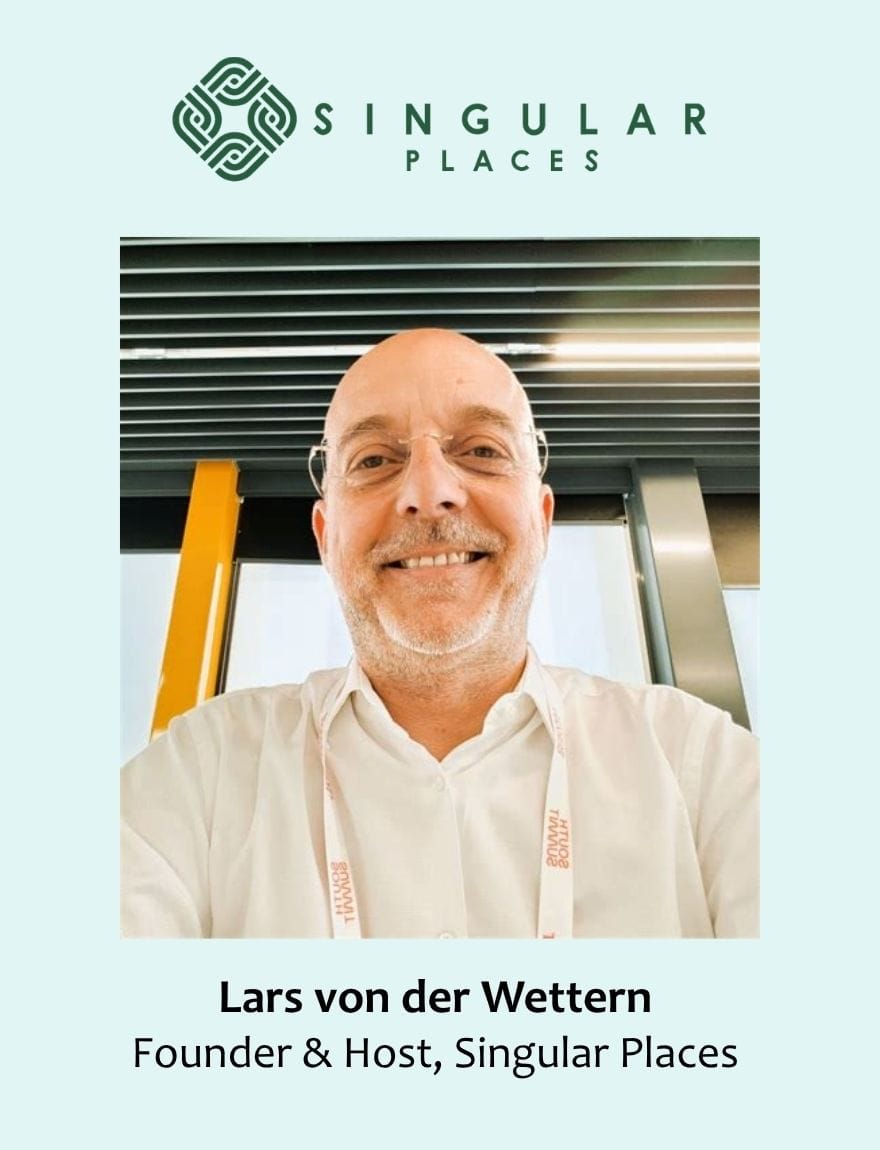
Meaningful Tourism already exists. It is just not always visible.
Across the world, there are independent hotels, lodges and hosts who are quietly shaping a better approach to tourism. Not through large-scale strategies or certifications, but through the way they run their places every day.
They are deeply connected to their surroundings. They work closely with local communities. They design experiences that reflect the identity of their region. And they do so while building viable, resilient businesses.
At the same time, there is a growing number of travellers looking exactly for these kinds of places. However, finding them is not always easy. The market is full of promises: “local”, “authentic”, “sustainable”. Many well-intended, but increasingly difficult to trust. For travellers, this creates uncertainty. For truly committed hosts, it creates a challenge to stand out.
This is where Singular Places was created.
Not as another platform, but as a curated community. A space where places are selected not through algorithms or surface-level criteria, but through a deeper understanding of their values, their way of operating and their long-term vision.
This approach also provides a certain assurance. That these places are part of a healthy local environment, not built on staged experiences, but on real connections. Places where guests are welcomed as contributors, not as a burden. Not as extractive consumers, but as curious travellers: learning, exploring and understanding the places they visit.
This is reflected not only in the experience itself, but also in the way value flows.
Through local employment, through local sourcing and partnerships, through taxes and contributions that remain within the region, and through spending that extends beyond the hotel or lodge into the wider community.
Many of them operate in the upscale segment, but not in a conventional sense. What defines them is not luxury as a standard, but the quality of experience, attention to detail and the authenticity of their connection to place.
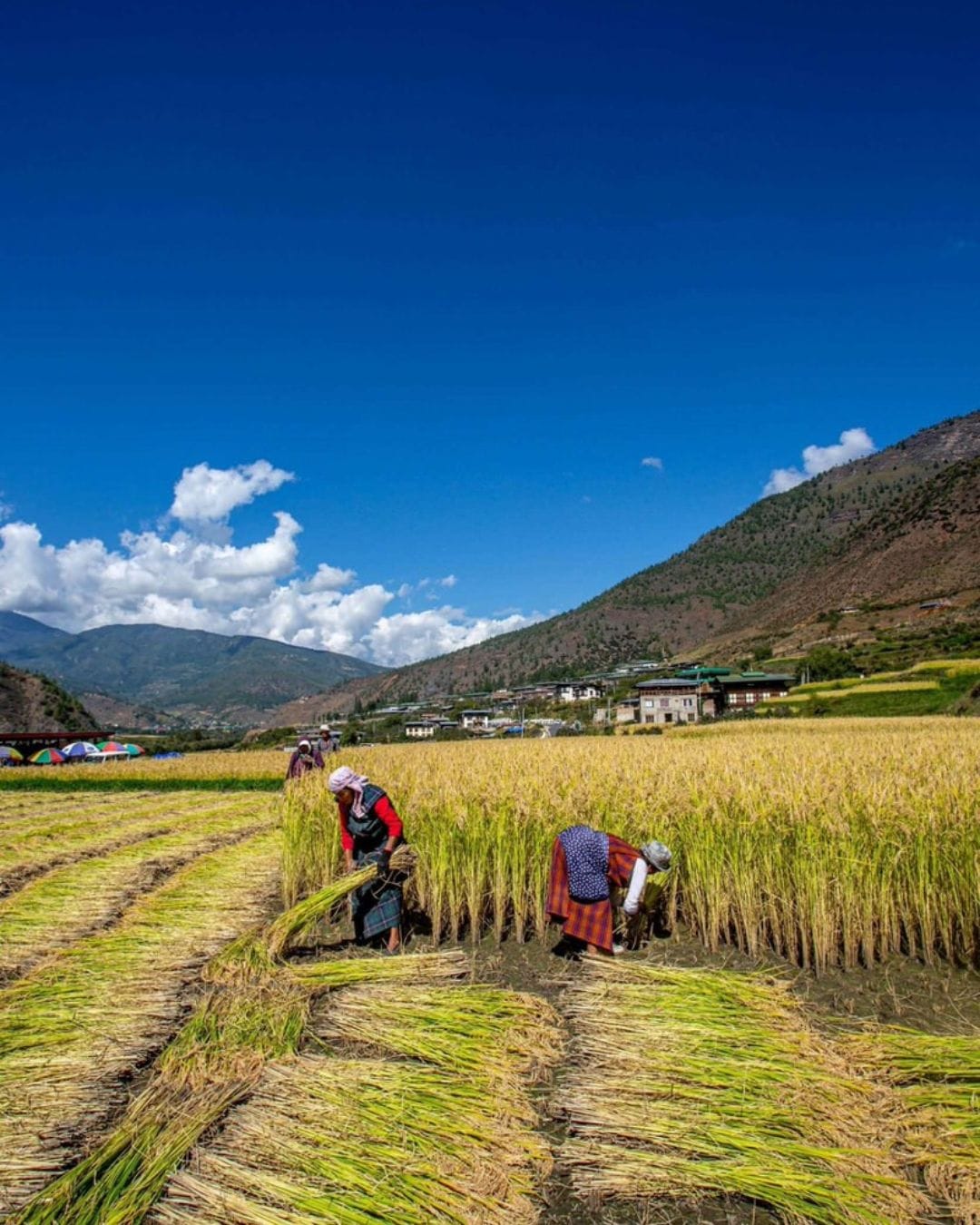
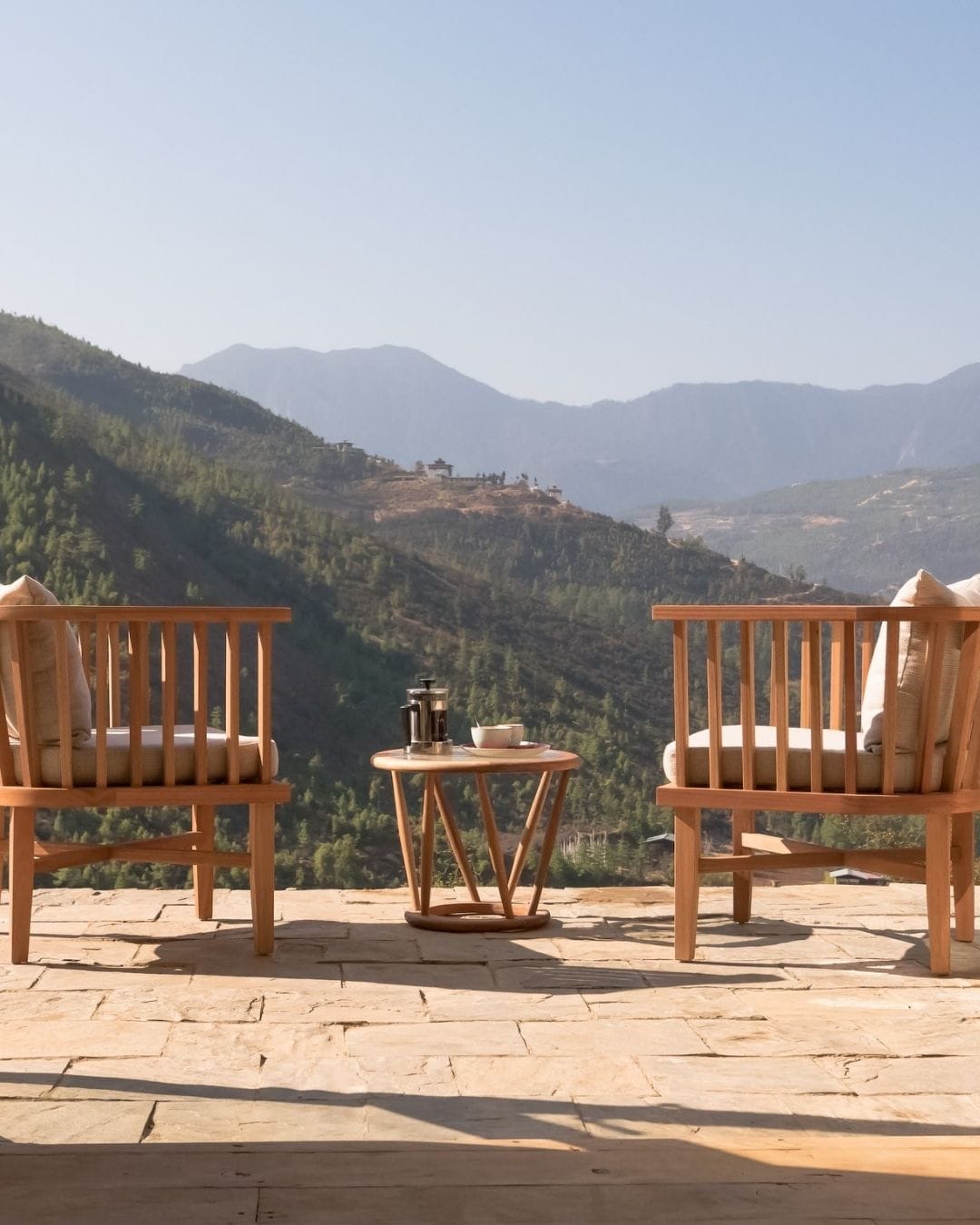
Experiences at Bhutan Spirit Sanctuary. Photos by Singular Places.
For travellers, this creates a different kind of journey. Not only about where to stay, but about how to experience a destination: through places that open doors to local culture, nature and people in a more meaningful way.For hosts, being part of the community is not only about visibility.
It is also about exchange. Sharing ideas, challenges and approaches with others who are navigating similar questions:
- how to balance guest expectations with local realities, how to evolve operations sustainably,
- and how to remain economically viable while staying true to a place.
Over time, this community has become more than a collection of individual places.
It acts as a network of “lighthouses”, real examples of how tourism can be developed in a way that creates value across multiple dimensions.
Each place contributes in its own way. Some through strong community integration, others through environmental practices, others through cultural preservation or innovative guest experiences. Together, they form a living landscape of what Meaningful Tourism can look like in practice.
This practical dimension naturally connects to a second layer of our work. By working closely with these places, we gain insights into what works, what evolves over time, and where challenges arise.
These learnings are then shared with other hotels, projects and destinations that are on a similar path, supporting them in developing their own approach, grounded in their specific context.
In this sense, Singular Places operates at the intersection of curation, community and development.
Connecting travellers with places that offer more meaningful experiences, while at the same time contributing to the evolution of tourism through real-world practice.
Therefore, the idea of Meaningful Tourism resonates strongly with us.
It reflects a shift that many in the industry have been sensing for some time: moving beyond reducing negative impact, towards creating value for all those connected to a place:
guests, communities, teams, environments and businesses alike.
When founding Singular Places, this thinking was already at the core of what we wanted to do, even if we did not yet use the same language.
Frameworks and concepts help define the direction. But it is through real places, real people and real projects that this direction becomes tangible.
For us, the most encouraging part is that this shift is already happening. Not only in large strategies or global discussions, but in many individual places around the world, quietly shaping a different future for tourism.

Meaningful Tourism Community: The Meaningful Tourism Transformational Game Workshop Trainer
Lars von der Wettern - Certified Trainer for Germany
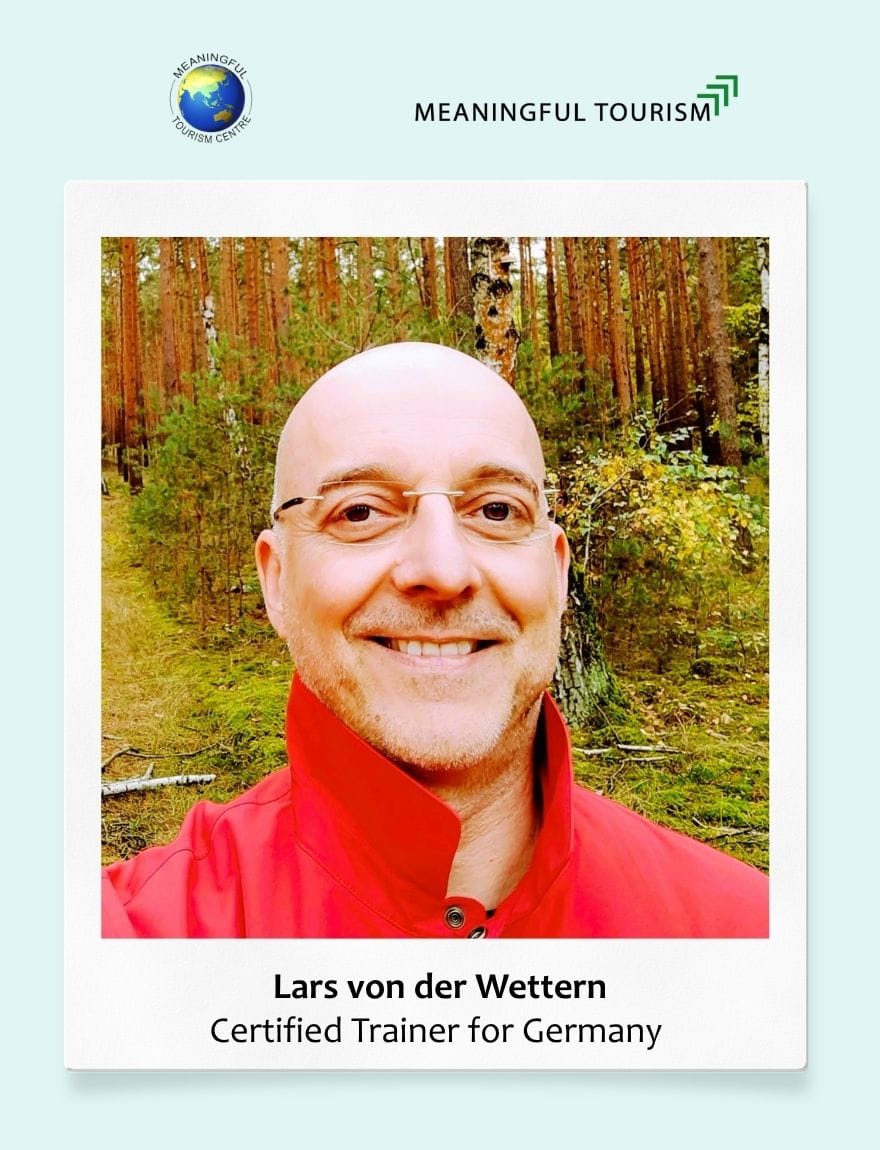
Lars von der Wettern is a visionary hotelier, consultant, and entrepreneur whose career spans over 25 years of redefining hospitality through human connection, sustainability, and transformative experiences.
Certified by Cornell University in Real Estate, Development, and Hotel Investment, and by the UK's Open University in Business Economics, Lars also holds diplomas in Project and Change Management and Strategic Marketing. His journey began with hands-on roles in food and beverage and revenue management, eventually leading him to executive leadership positions across Europe.
In 2004, Lars founded SolutionsHI, a strategic hotel consultancy aimed at elevating independent hotels and resorts through tailored strategies and an expansive international network. His passion for authentic hospitality led to the creation of Singular Places, a platform that connects travelers with unique, locally rooted accommodations committed to social and environmental impact.
As the Germany Ambassador for the Transformational Travel Council, Lars champions travel that fosters personal growth and meaningful connections. He is a sought-after speaker and educator, sharing his insights at conferences and seminars across Europe.
Lars von der Wettern's work embodies a commitment to making travel better—celebrating the uniqueness of destinations, the authenticity of hosts, and the transformative power of genuine hospitality.
The Meaningful Tourism Weekly asked Mr. Lars von der Wettern:
"What is the current situation of tourism in Germany, and how can the Meaningful Tourism paradigm help support its development?"
His answer...
In Germany, tourism has long been an economic pillar — yet it has never been fully recognised as a true value-creating sector in an otherwise heavily industrialised country. Recent years have challenged us to rethink its real role. The post-COVID surge in local travel offered a glimpse into how tourism can reconnect people to place. Yet, as borders reopened, many regions quickly reverted to old models: high-volume, low-value tourism that strains both communities and ecosystems.
Fortunately, a different path is emerging. Across Germany, forward-thinking regions are embracing Meaningful Tourism principles: fostering local collaboration, investing in sustainability, and experimenting with circular models of hospitality. These initiatives not only benefit communities and the environment — they also create richer, more resilient visitor experiences.
Still, it is only in a few places that we truly see the full value being understood: quality businesses acting as guardians of their place, good employment opportunities, strong local supply chains — from agriculture to culture to activities — and a diversification of risk, moving away from dependency on single sectors. Too often, efforts remain isolated: a single sustainable “lighthouse project,” rather than a deeper, meaningful connection between businesses, communities, and the local economy. The potential lies in creating wealth for all stakeholders.
At Singular Places, we see a growing appetite for authenticity and purpose-driven travel. Travellers today seek more than sights; they crave connection — to nature, to culture, to the stories of the people who shape a place. Yet many destinations still lack the frameworks to transform this demand into sustainable, long-term value.
This is where Meaningful Tourism becomes crucial. By focusing on all stakeholders — guests, hosts, businesses, and the environment — it offers a path forward. In Germany, the challenge is not simply to attract visitors, but to cultivate tourism that truly benefits local communities and ecosystems. The opportunity lies in embedding meaning into every step of the journey, from planning to policy to practice.
"If more destinations commit to these principles, Germany can lead by example — showing how tourism can be not just an industry, but a force for good: strengthening places, empowering people, and creating value that endures."
MTC Certified Trainers
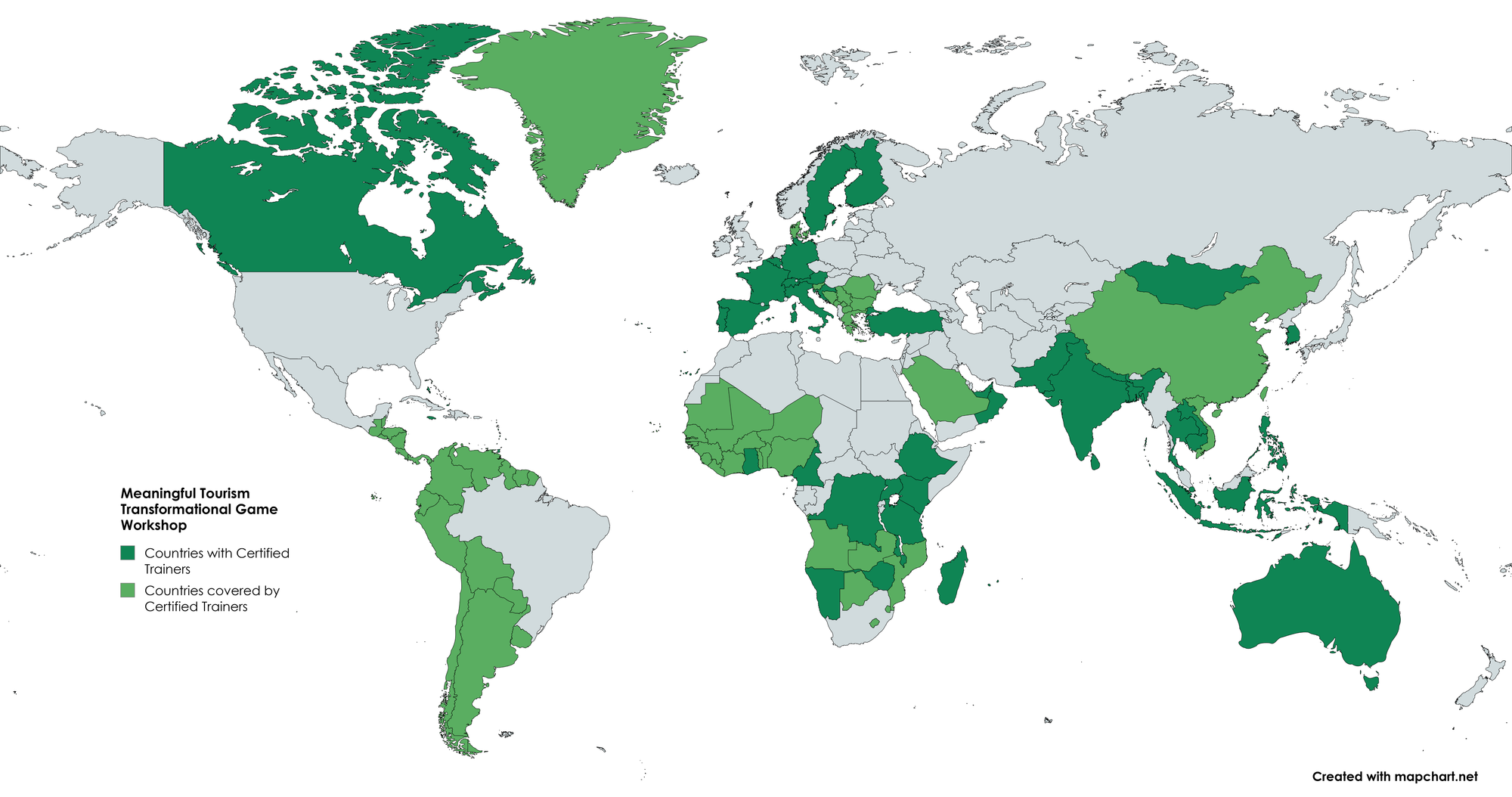
Please find below an overview of all our Certified Trainers for the Meaningful Tourism Transformational Game Workshop, along with the World Map showing the countries currently covered directly or indirectly.
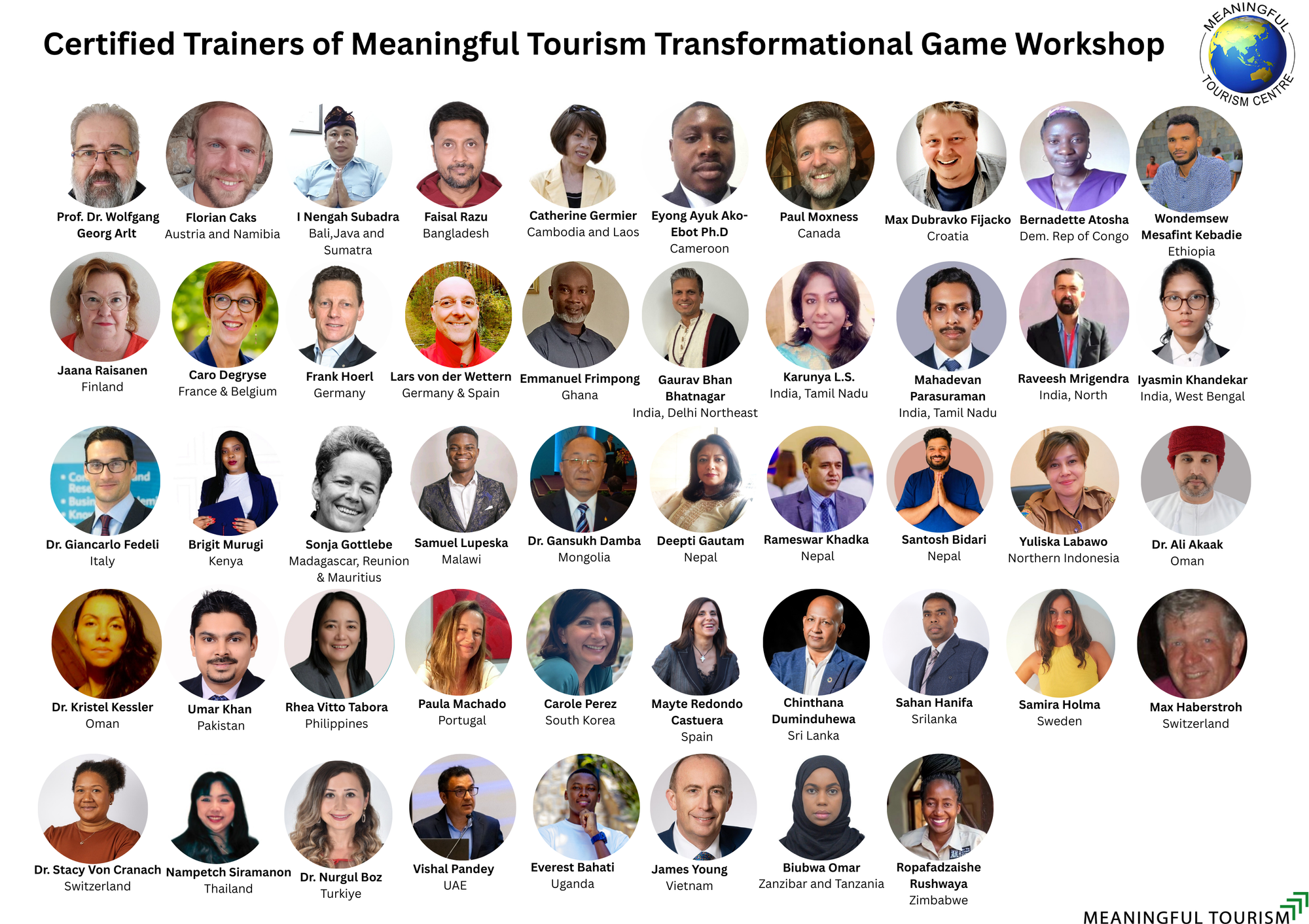
The network of MTC Certified Trainers is constantly growing. As shown on the map, many countries and regions worldwide are already served by dedicated experts. However, MTC is continuously looking for professionals with experience in training or lecturing and a passion for sustainable tourism to join the network and fill the blanks on the map.

Guangzhou International Travel Fair (GITF) 2026
May 21–23, 2026

Beijing International Travel & Lifestyle Fair (BITLF)
June 5–7, 2026
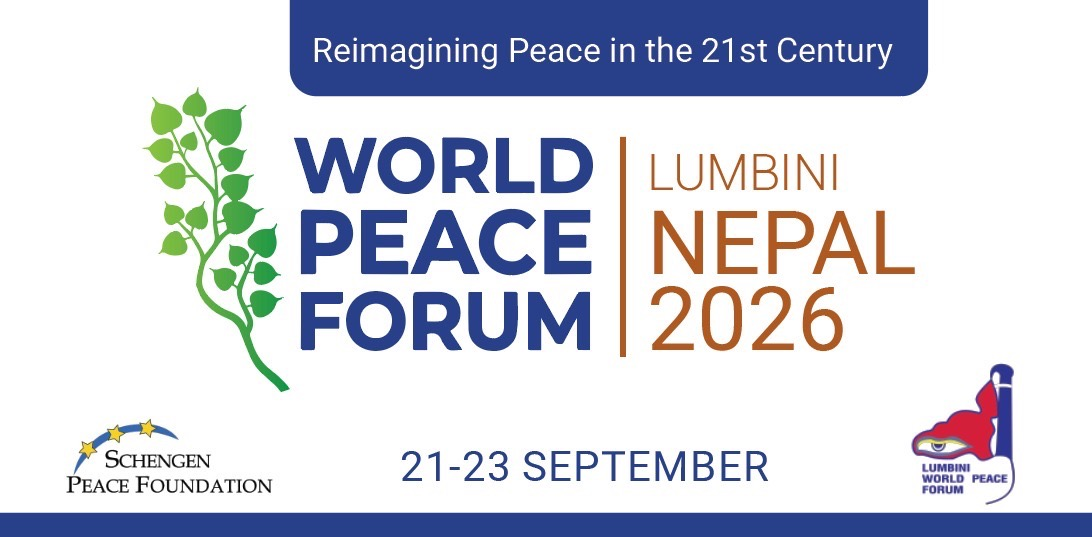
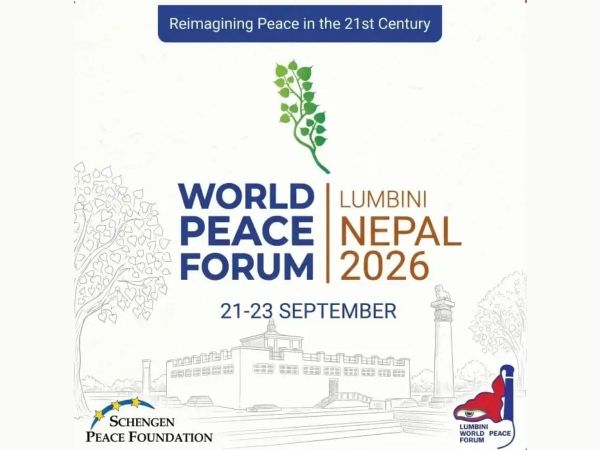
World Peace Forum 2026
September 21-23, 2026
Lumbini, Nepal
About Meaningful Tourism Weekly
Meaningful Tourism Weekly is published every Thursday by Meaningful Tourism Centre (MTC) - London and Kathmandu in collaboration with Travel Asia Now, led by Rhea Vitto Tabora.
Each issue features an Editorial, updates on MTC activities, a Best Practice Example, a profile of an MTC-certified trainer, news about upcoming events, and, occasionally, additional op-ed pieces from guest authors. Carefully selected news items, including videos and podcasts, are also included, with links to their original sources in the Meaningful Tourism News section.
Subscription to Meaningful Tourism Weekly is free, with the addition of a paid content section that includes a library of surveys, exclusive articles, conference presentations, and statistical data, offering subscribers invaluable resources.
Sponsorship opportunities are available for those interested in supporting this initiative.
For more information about MTC's training programs, market research, product adaptation, consulting services, conferences, strategy development, and marketing, visit our website or email us at info@meaningfultourismcentre.org.