AI – An important part of a Meaningful Tourism Economy

Dear reader,
Discussions about the necessary changes in the way tourism services are organized and consumed tend to take place in silos: Some discussions concentrate on SDGs and the environment, others on short-term profitability, others on strengthening the role of local communities, still others about technological changes - and everybody has an opinion about overtourism.
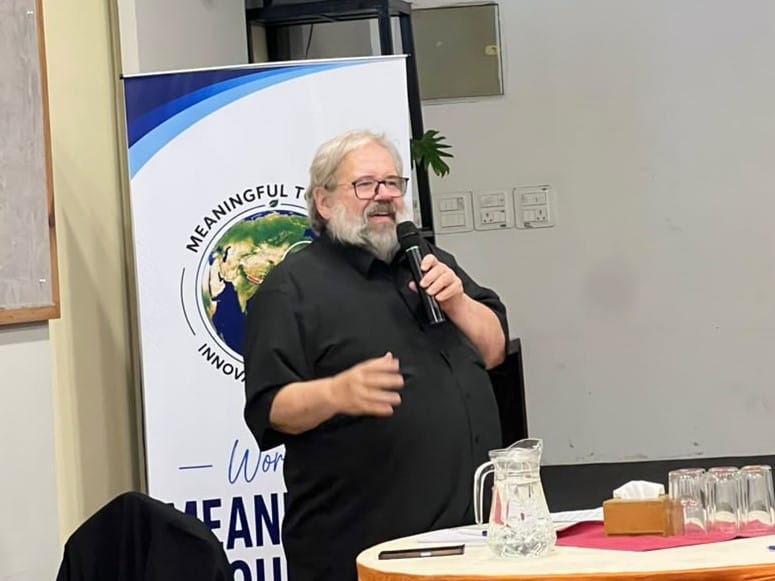
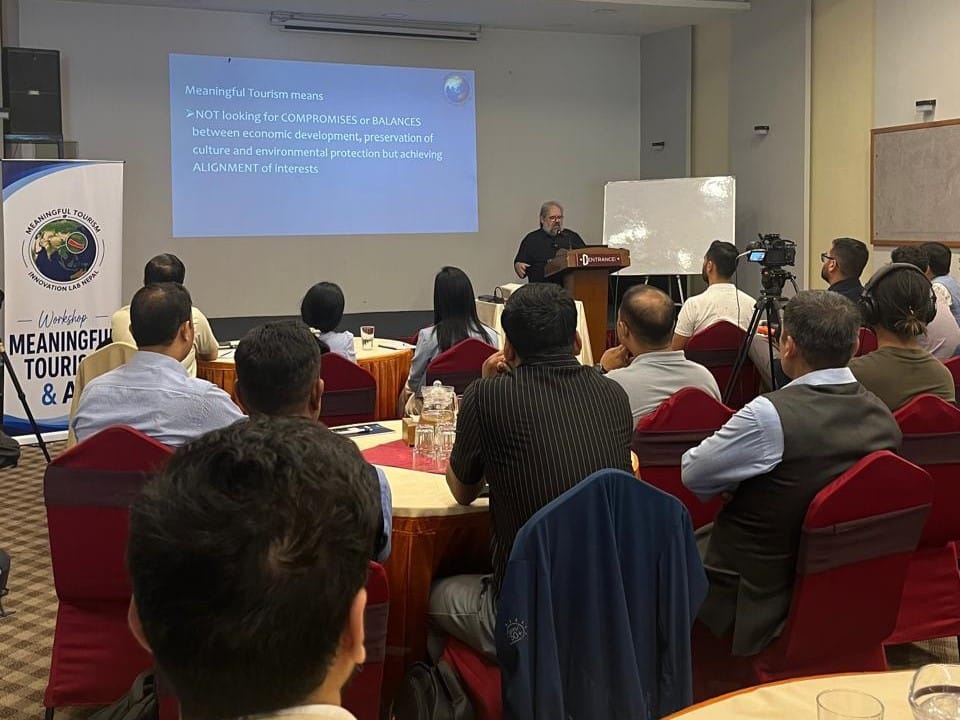
Meaningful Tourism is about breaking up these silos in favour of a holistic approach and the development of solutions which provide benefits and satisfaction for all stakeholders. That is why the first offline workshop of the Meaningful Tourism Innovation Lab Nepal this week had “Meaningful Tourism & AI” as topic, bringing together two parts of the picture which need to be treated together and as tools helping each other, not as being contradictory forces.
The workshop was held on August 10, 2026, with almost 40 participants from more than 20 different companies and organisations. Tour operators, travel agencies, but also tech companies and DMCs sent one or several participants; one company gave six members of their management the chance to take part. The morning was filled with two presentations in the morning by your humble editor about Meaningful Tourism for Nepal and about AI within a Meaningful Tourism Economy by the co-director of MTIL Nepal, Suman Baral, following by a healthy Nepali networking lunch. In the afternoon, work groups were formed, one of which discussed developing KPIs for all stakeholders in a specific area near Kathmandu. Another group developed an immersive product for visitors to Bhaktapur, one of the three former capitals of Nepal within the Kathmandu Valley, which planned to teach Newari woodcarving to Chinese visitors, including planting a tree at the end to compensate for the wood used during the week-long training. Two groups tackled the question of how to improve the experience of luxury tourism visitors.
Nepal is getting a number of new five-star hotels and new direct air connections to Pokhara, the “tourism capital” of the country. However, outside the hotels, customers are confronted with poor transport infrastructure and no specific offers, for example, for business and first-class passengers upon arrival at the airport. The “flexible” approach to keeping schedules is considered normal for domestic tourists and maybe also for backpackers, but will not be welcomed by guests with more money than time. Another example discussed was the lack of a single certified Halal restaurant or hotel in the country. Some companies are claiming to be Halal, but without an independently certified proof that is keeping customers away from the country, as participants of the workshop could tell from personal experience of lost business because of this lack of preparation. Nepal has very good air connections with the Middle East and also with Southeast Asia, home of many affluent Muslims, however the number of visitors from these countries is very small.
In all group discussions, the role of AI was discussed as a tool both for the development and execution of offers and also for the marketing in different source markets.
The next workshop in Nepal will take place on September 24, 2026. The length will be improved from six hours to eight hours, as the experience of the first workshop showed that more time is needed to get results and impulses for the practical application of Meaningful Tourism tools.
A video showing some of the highlights of the workshop will be available. Watch this space for more information.
The week was also successful for the Meaningful Tourism movement with the establishment of two new Meaningful Tourism Innovation Labs in Pakistan and in Mongolia. See the MTIL News below for details.
Looking forward, your humble editor will be in Mumbai for ITB India and will provide a presentation about Meaningful Tourism for India and Beyond on September 2, 2026 during the fair's conference part. Any reader present in Mumbai is most welcome to make an appointment to meet in person on September 1 or 2 at the fair.
As a special treat for our readers, 15 Complimentary Trade Visitor passes for ITB India are available. See MTC News below to learn how to save 25 USD.
As always, all best wishes from the Meaningful Tourism Weekly team in Kathmandu and Manila, and from the whole Meaningful Tourism community to all our readers!


Summary of the latest edition of Travel Dialogues South Asia Podcast
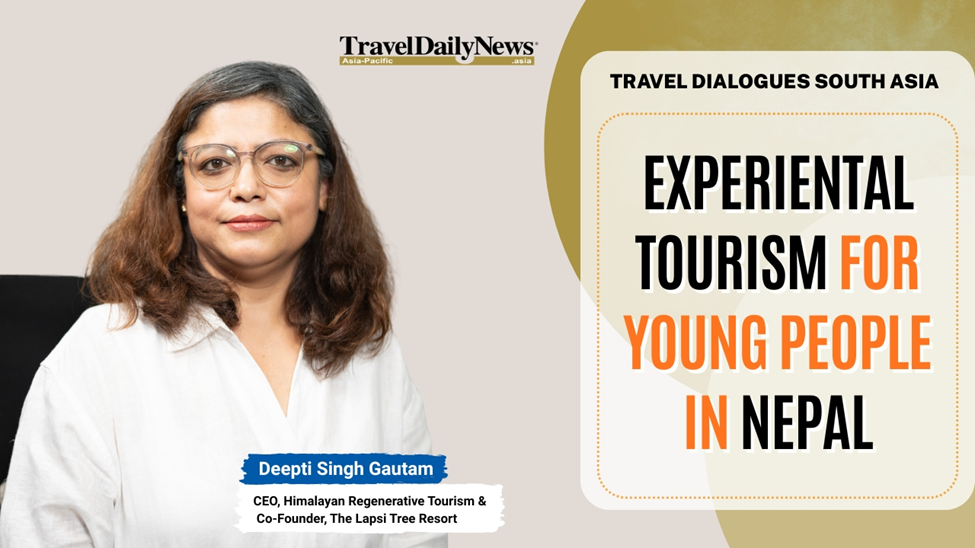
Every week, MTC and its partners TravelDailyNews Asia-Pacific and Tanneri Chaso provide a new episode of the TRAVEL DIALOGUES SOUTH ASIA series of podcasts concentrating on the development of Meaningful Tourism in South Asia, including Pakistan, India, Maldives, Sri Lanka, Nepal, Bhutan, and Bangladesh.
Experiential tourism in Nepal is creating deeper connections between international visitors and rural communities, combining education, cultural exchange, traditional knowledge and authentic local experiences. The potential of experiential tourism in Nepal to create meaningful connections between international visitors and rural communities was explored in a Travel Dialogues South Asia interview with Deepti Singh Gautam, a Nepalese tour operator and tourism expert specialising in rural and experiential tourism. She discussed the sector’s development with your humble editor a.k.a. PROF M, focusing particularly on immersive programmes designed for international students and educational institutions.
Moving beyond traditional tour operating
Gautam’s involvement in tourism developed from her earlier experience in hospitality as co-founder of The Lapsi Tree. Her approach subsequently evolved towards creating programmes that enable travellers to engage more deeply with Nepal’s communities rather than simply visit established attractions.
Her work goes beyond the conventional tour operator model based on transport, accommodation and meals. Instead, she develops content and programmes in collaboration with international schools and universities, positioning herself as an education partner that helps institutions create experiences around specific learning objectives.
This model represents a different direction for experiential tourism in Nepal, where the tourism product is built around participation, learning and interaction with host communities.
Nepal’s diversity as a tourism resource
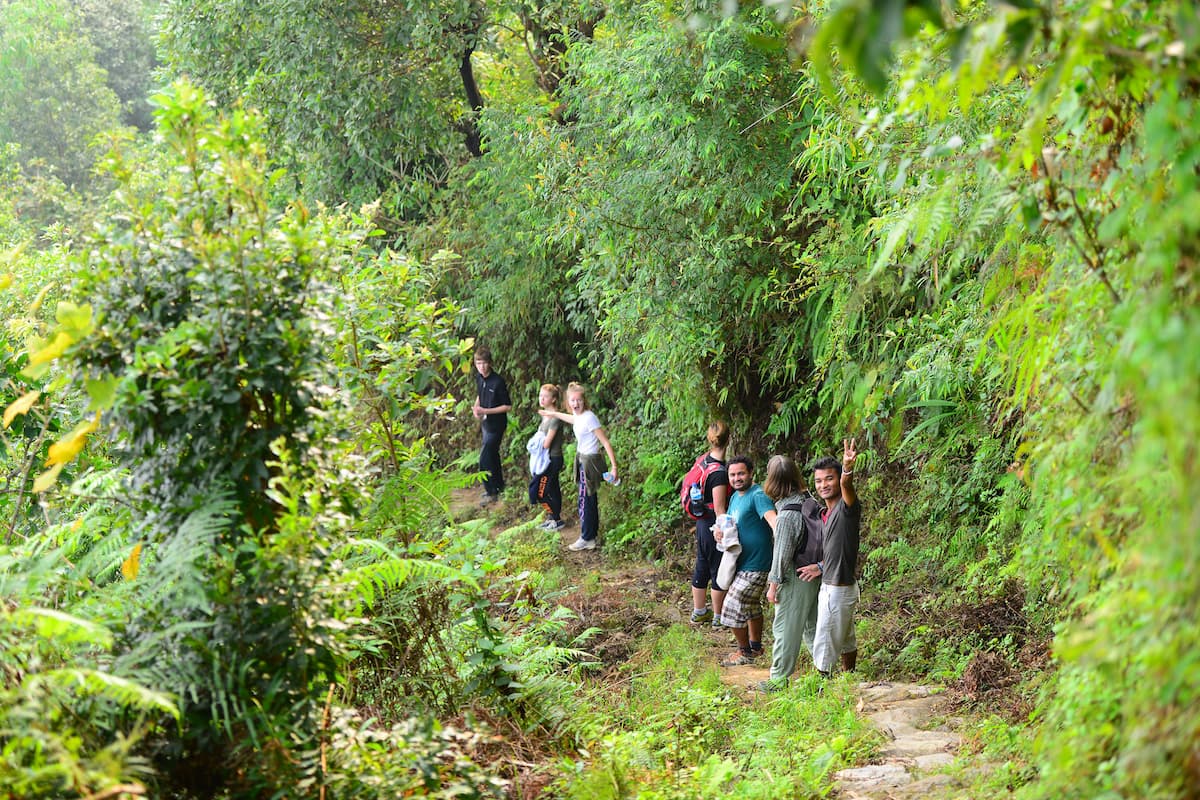
Nepal’s geography provides a broad foundation for tourism diversification. From the world’s highest mountains to the lowlands of the Terai, the country encompasses different landscapes, cultures and biodiversity.
While Nepal remains internationally associated with Mount Everest and adventure tourism, Gautam sees significant potential to develop specialised programmes that introduce visitors to other dimensions of the country.
Tourism also has the potential to create additional employment, particularly in rural areas. This gives community-based and experiential tourism an economic dimension alongside its cultural and educational role.
International students and immersive travel
Educational travel is a central element of Gautam’s approach to experiential tourism in Nepal. The programmes are designed to provide deeper engagement than conventional educational trips or volunteering activities.
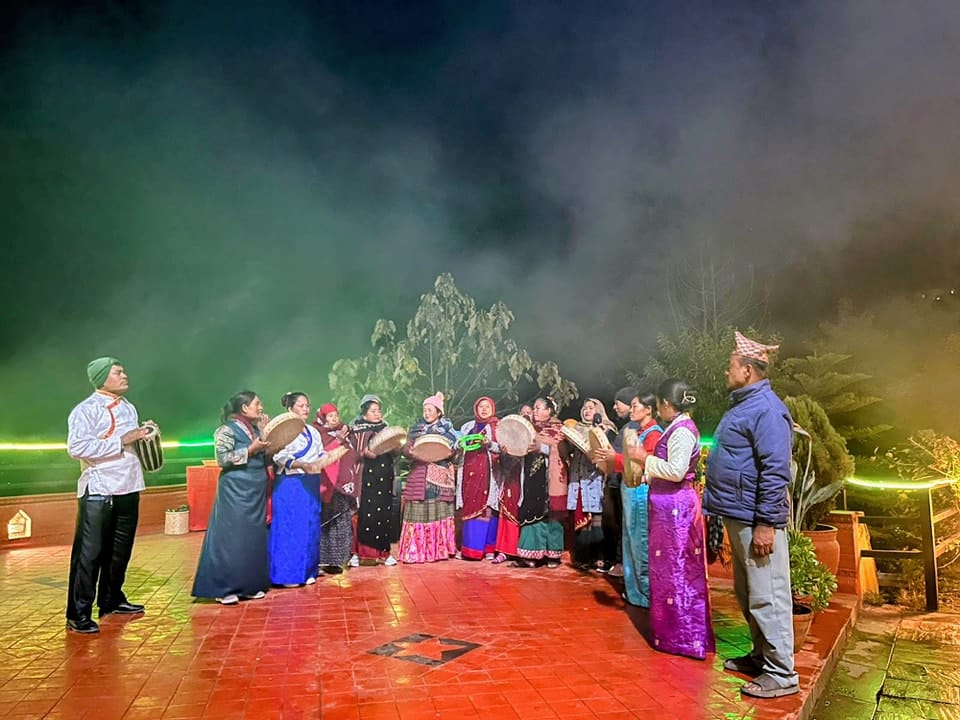
International students interact directly with communities, exchanging ideas and knowledge with local residents. The objective is not simply for visitors to observe a different culture but to develop an understanding of different ways of life and perspectives.
The programmes also incorporate the concept of global citizenship, encouraging students to consider how societies can contribute to a sustainable, peaceful, just, humane and inclusive world.
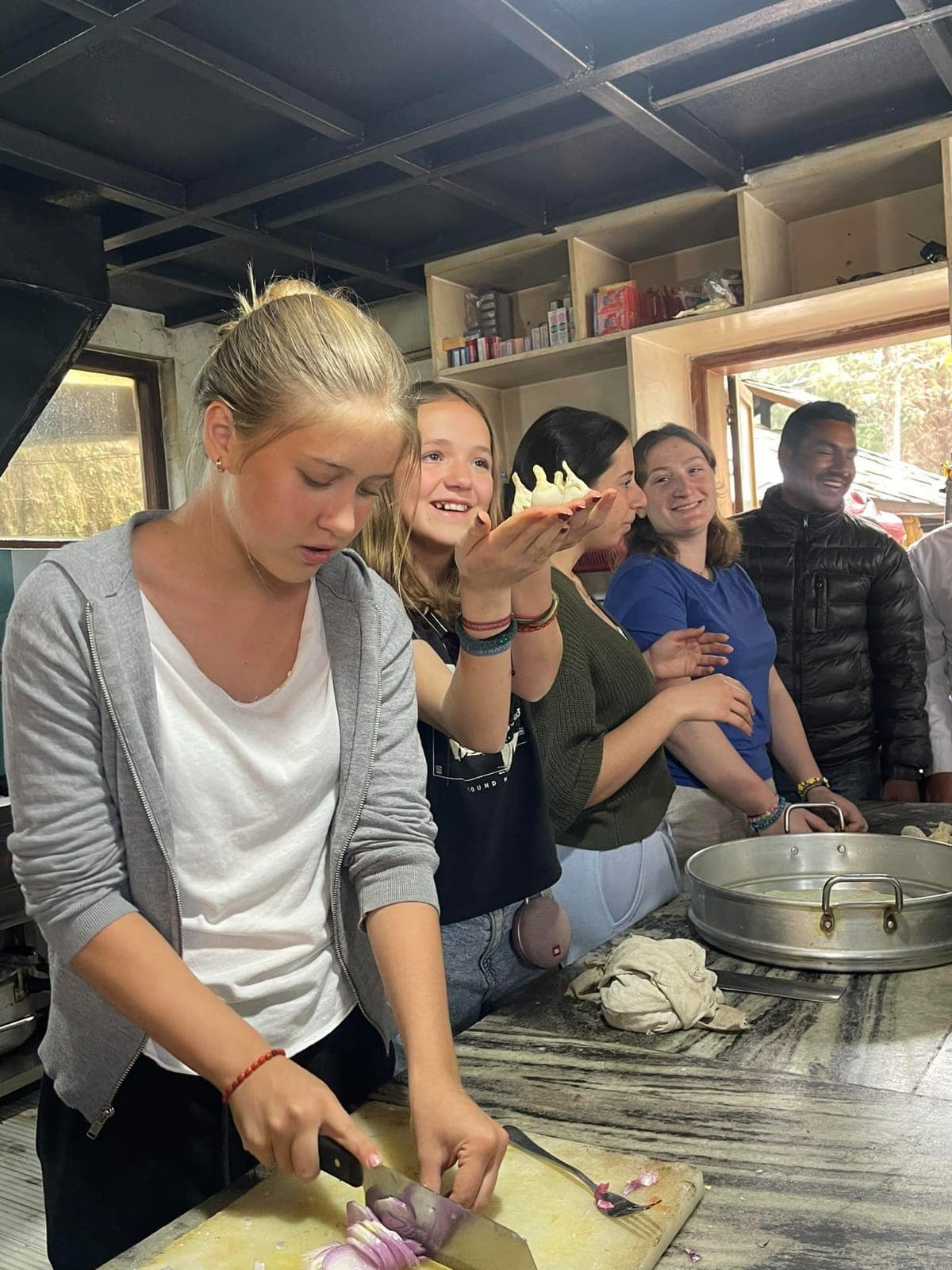
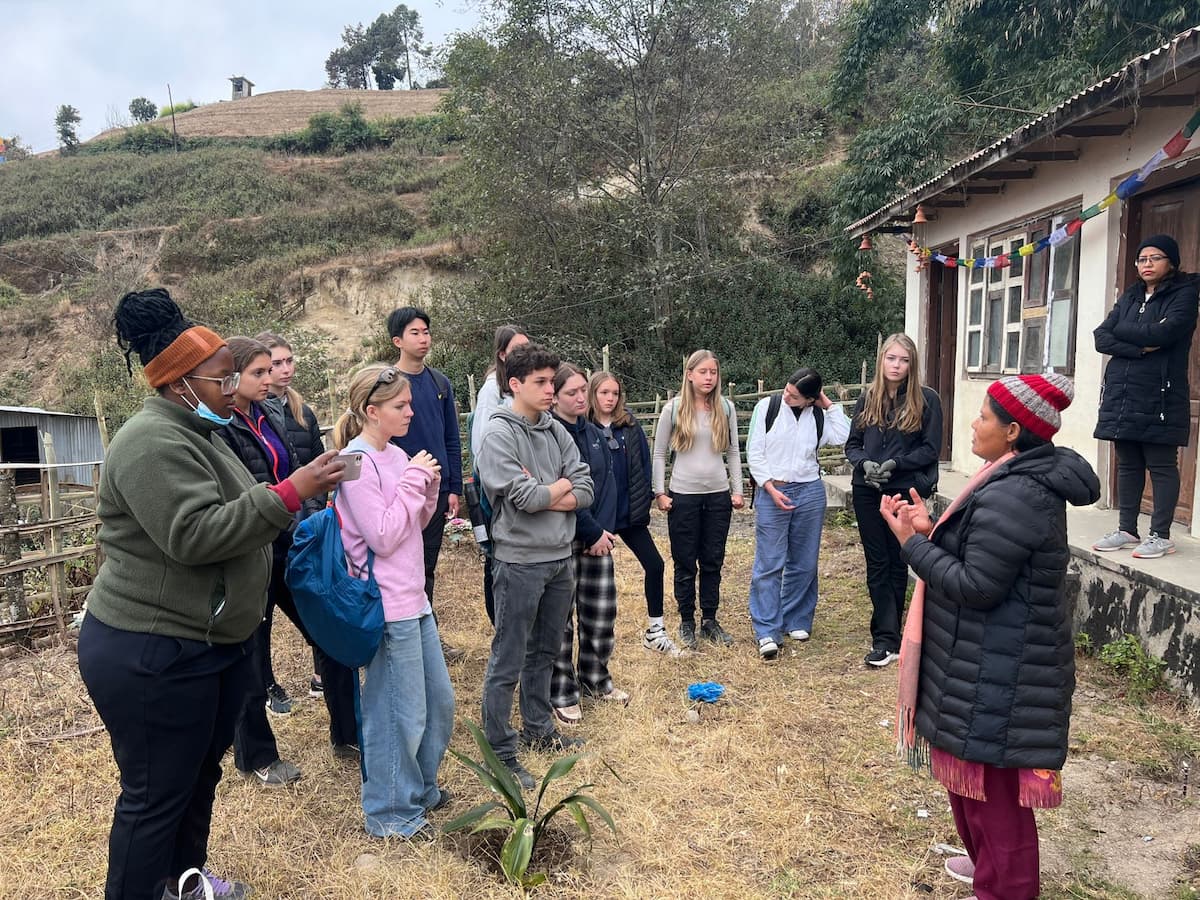
Photos by The Lapsi Tree
Creating a reciprocal exchange
The model is designed to generate benefits on both sides of the visitor-host relationship. International participants gain access to local knowledge, traditions and everyday life, while communities have an opportunity to communicate their own experience and learn from international visitors.
For rural communities, these interactions can contribute to cross-cultural understanding, employment creation and greater confidence among young people in the value of their own heritage and knowledge.
For visitors, rural Nepal can demonstrate how locally developed solutions and different approaches to everyday life contribute to community well-being and contentment.
This reciprocal dimension distinguishes the programmes from tourism experiences in which the visitor remains largely a consumer of a predefined product.
Remote areas as tourism assets
Developing tourism in rural Nepal nevertheless presents operational challenges. International programmes must meet high standards covering ethics, trust and safety, while operators also have to manage political uncertainty and the growing consequences of the climate crisis.
Nepal’s geography creates additional difficulties. Roads and infrastructure can be challenging in remote areas, making risk assessment, safety protocols and emergency planning essential. Preparedness for events such as earthquakes is particularly important when operating programmes involving international students. DiscoverTop Destinations
However, Gautam also identifies remoteness as an asset. Less accessible communities can provide some of the country’s most authentic opportunities for human connection and cultural exchange.
Nepal’s tradition of hospitality and the interconnected nature of rural communities provide another advantage. In remote areas, community networks can offer practical support, including food and shelter when necessary.
Communication remains a challenge
One of the weaknesses identified in Nepal’s tourism development is marketing and communication. The country has extensive tourism resources, but communicating those experiences effectively to international audiences remains a challenge.
Gautam places particular importance on developing communication skills among young Nepalese tourism professionals so they can explain and present the country’s tourism offering more effectively.
For specialised educational programmes, the marketing strategy also differs from mainstream tourism promotion. Rather than relying primarily on general travel fairs, the emphasis is on direct B2B engagement with universities, international schools and organisations operating within the education sector.
From travel agency to education partner
The development of experiential tourism in Nepal illustrates how the role of tourism businesses can extend beyond selling conventional packages.
In Gautam’s model, the operator becomes an educational partner, working with institutions to co-create content and programmes according to specific objectives. This approach connects tourism with education, community development and cross-cultural exchange.
Nepal’s rural communities, cultural diversity, hospitality and geographical characteristics provide the foundations for these experiences. At the same time, their development requires professional safety standards, stronger communication capabilities and structured cooperation with international partners.
Ebook Meaningful Tourism Weekly – The best 25 editorials July 2025 to June 2026 for the participants of Kathmandu Workshop
The new MTC eBook, which brings together 25 of the Meaningful Tourism Weekly editorials of the last twelve months from July 2025 through June 2026, has been included in the services provided to the first offline workshop of the MTIL Nepal this week. It is also bundled as a free gift in other services of the Meaningful Tourism Centre and the Meaningful Tourism Innovation Labs.
Readers who do not wait for such an occasion are invited to purchase the eBook for 18 USD, provided in two versions as a PDF and as an eBook optimized for the Thorium reader, including also a link for a free download of the Thorium reader.
Order your copy by sending an email to info@meaningfultourismcentre.org.
Meet PROF M in Mumbai, Presentation on September 2nd, 2026 – 15 free tickets for our readers!
As mentioned last week, Messe Berlin Singapore office, the organisers of ITB India, has confirmed that your humble editor will give a 30-minute presentation during the conference happening as part of the fair with the title “Meaningful Tourism as a tool for sustainable tourism development in India and beyond”. The exact time has been confirmed as September 2 at 1.30 pm.
Hopefully some of our readers will have the opportunity to participate, using our FREE TICKETS! Meaningful Tourism Centre can offer 15 Complimentary Trade Visitor passes to our readers. The Trade Visitor Pass provides access to the exhibition and conference programmes across all three days. Tickets are given on a first-come, first-served basis, so please hurry to contact us to get your free complimentary Trade Visitor pass, worth 25 USD.

First Meaningful Tourism & AI Workshop on Monday, August 10th, 2026 a great success
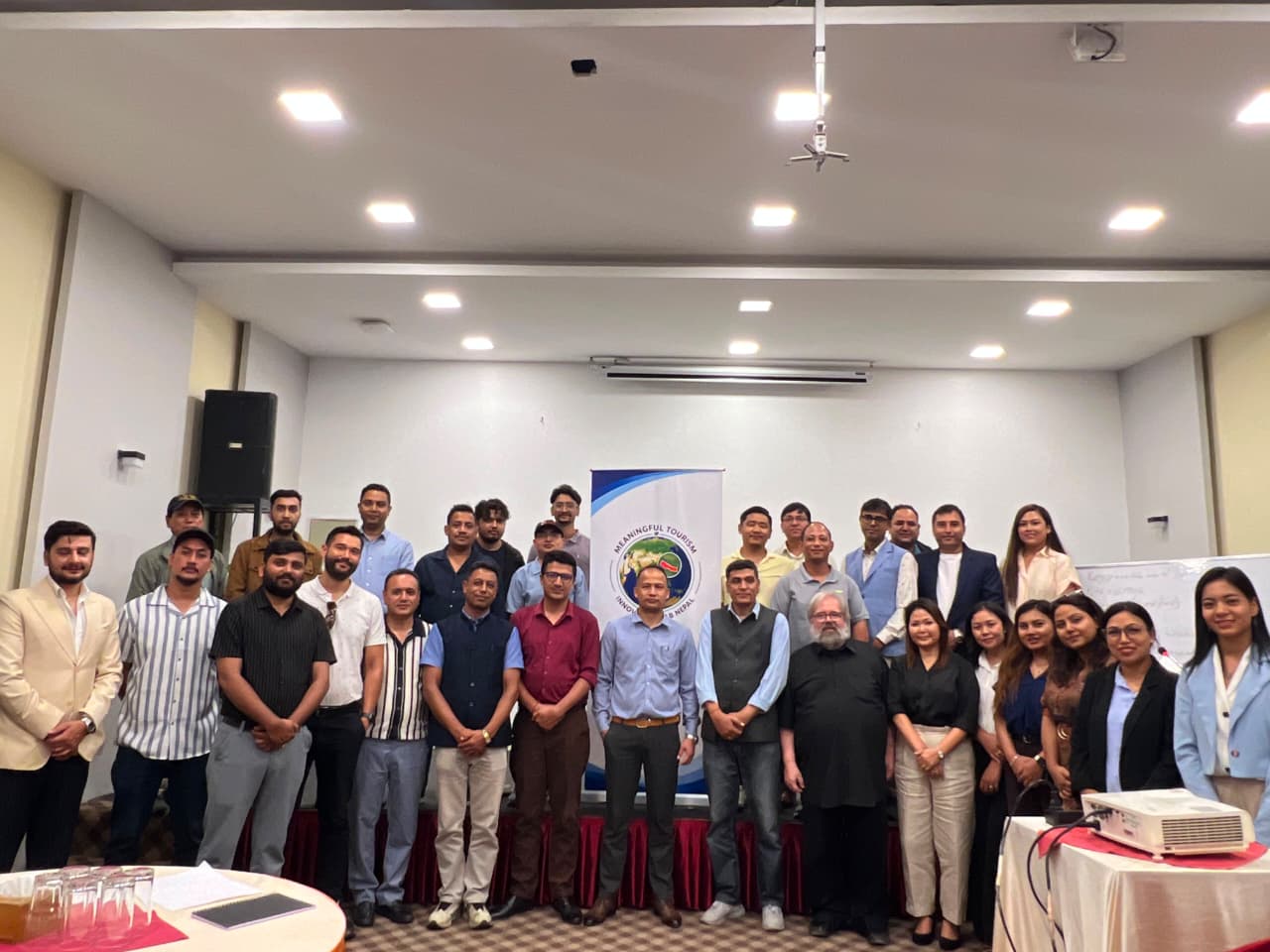
As mentioned in the editorial above, the workshop of the Meaningful Tourism Innovation Lab (MTIL)Nepal received a very good reception both in the number of participants as well as in the feedback given at the end with “good” and “very good” marks by the majority of participants. Time was seen as too short, especially to go deeper into AI applications. As a result, the next workshops will be extended by two hours.
Already, more than 20 people have registered their interest in taking part on September 24th, 2026. Our readers can also register at https://mt.meaningfultourismcentre.org/meaningful-tourism-artificial-intelligence-workshop-2/ or by contacting Ms. Sapana Adhikari at info@meaningfultourismcentre.org, or by telephone at 970 708 2726.
Number of Meaningful Tourism Innovation Labs grows to five
The Meaningful Tourism Centre is partnering with a growing group of partners, starting Meaningful Tourism Innovation Labs as a tool for the practical implementation of the Meaningful Tourism tools and the support of a Meaningful Tourism Economy.
After the establishment of MTIL Nepal as headquarter and content provider for all MTILs, the cooperation between MTIL Nepal and MTIL Bangladesh was signed last month in Dhaka, with the DIU Daffodil International University, Department of Tourism and Hospitality as partner.
This month, in quick succession, the MTILs for West Africa, Mongolia and Pakistan followed. For West Africa, which comprises 16 countries, our partner is the African Tourism Research Network, based in Ghana. For Mongolia, two major organisations have agreed to develop the MTIL: the Sustainable Tourism Development of Mongolia Organisation and the Tourism Education and Development Society of Mongolia, both based in Ulaanbaatar, the capital of Mongolia. The partner for Pakistan is the Sustainable Tourism Development Organization of Pakistan, with its headquarter in Karachi.

Meaningful Tourism Community: The Meaningful Tourism Transformational Game Workshop Trainer
Samuel Lupeska - Certified Trainer for Malawi
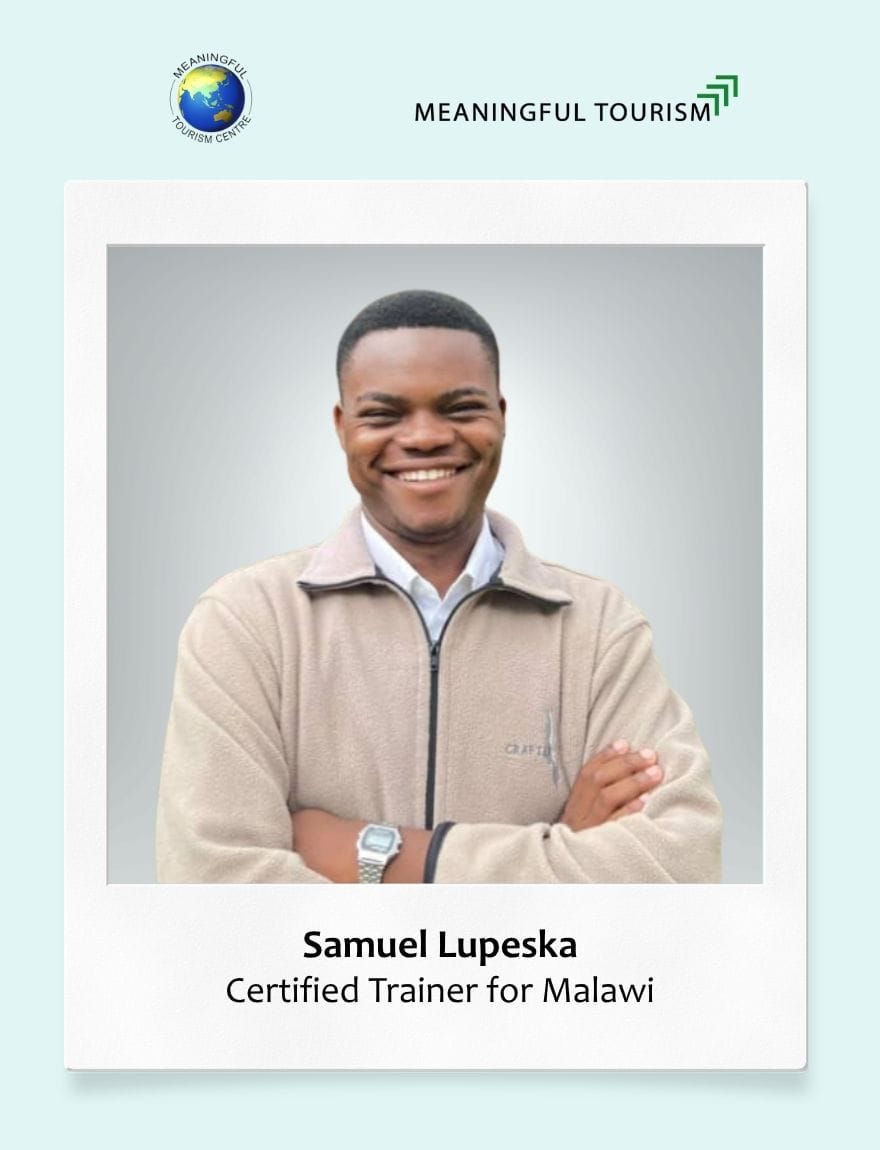
Samuel Lupeska is an agribusiness and sustainability professional with years of experience in multi-stakeholder project management, community-driven solutions, and measurable impact frameworks. He is currently serving as Project Manager at the Centre for Conflict Management and Women Development Affairs (CECOWDA), leading a GEF-funded initiative aimed at improving community-based waste management in Blantyre, Malawi.
He is an expert in aligning objectives across visitors, communities, employees, businesses, governments, and environmental stakeholders to advance holistic sustainable development. He holds a Bachelor of Science in Agribusiness Management from Lilongwe University of Agriculture and Natural Resources (LUANAR). He has a proven ability to design and facilitate transformational workshops, develop SMART KPIs, and implement scalable strategies for climate-resilient systems. He is also adept at leveraging game-based learning methodologies to foster collaboration and sustainable innovation in tourism, agriculture, and waste management.
Meaningful Tourism Weekly: What is the current situation of tourism in Malawi, and how can the Meaningful Tourism Paradigm help to support its development?
Samuel: Here's the current tourism situation in Malawi.
- Infrastructure & Accessibility: Underdeveloped airports, poor roads to key sites (e.g., Mulanje Mountain), and unreliable utilities deter high-value tourists
- Economic Leakage: Revenue is lost through overseas payments for local services and inflated pricing that sidelines domestic tourists.
- Stakeholder Misalignment: Communities near parks face hostility toward conservation efforts, while poaching threatens wildlife. Service inconsistencies from airports to lodges undermine Malawi’s brand.
- Policy Execution: Despite robust frameworks (e.g., MW2063 vision, National Tourism Policy), implementation lags due to fragmented coordination across ministries and weak enforcement.
How Meaningful Tourism Can Catalyze Change
- Visitors: Develop SMART KPIs for visitor satisfaction (e.g., service quality, safety), reducing harassment, and ensuring pricing transparency.
- Host Communities: Integrate communities into tourism value chains (e.g., cultural tourism, crafts) using MT’s role-play workshops to foster ownership. Example: Train communities near Majete Wildlife Reserve to view wildlife as economic assets (" This elephant funds our school ").
- Environment: Enforce eco-certifications for lakeside hotels to prevent pollution, aligning with Malawi’s climate resilience goals.
- Businesses and Employees: Advocate for tax reforms to lower operational costs and incentivize local sourcing (e.g., textiles for lodges), boosting affordability.
- Government: Streamline inter-ministerial coordination (e.g., Tourism, Transport, Finance) via MT’s "alignment over compromise" approach to accelerate infrastructure projects.
- Global Partnerships: Leverage MT’s network to attract sustainable investments (e.g., cable cars on Mulanje Mountain) and share best practices (e.g., Rwanda’s community-led gorilla tourism).
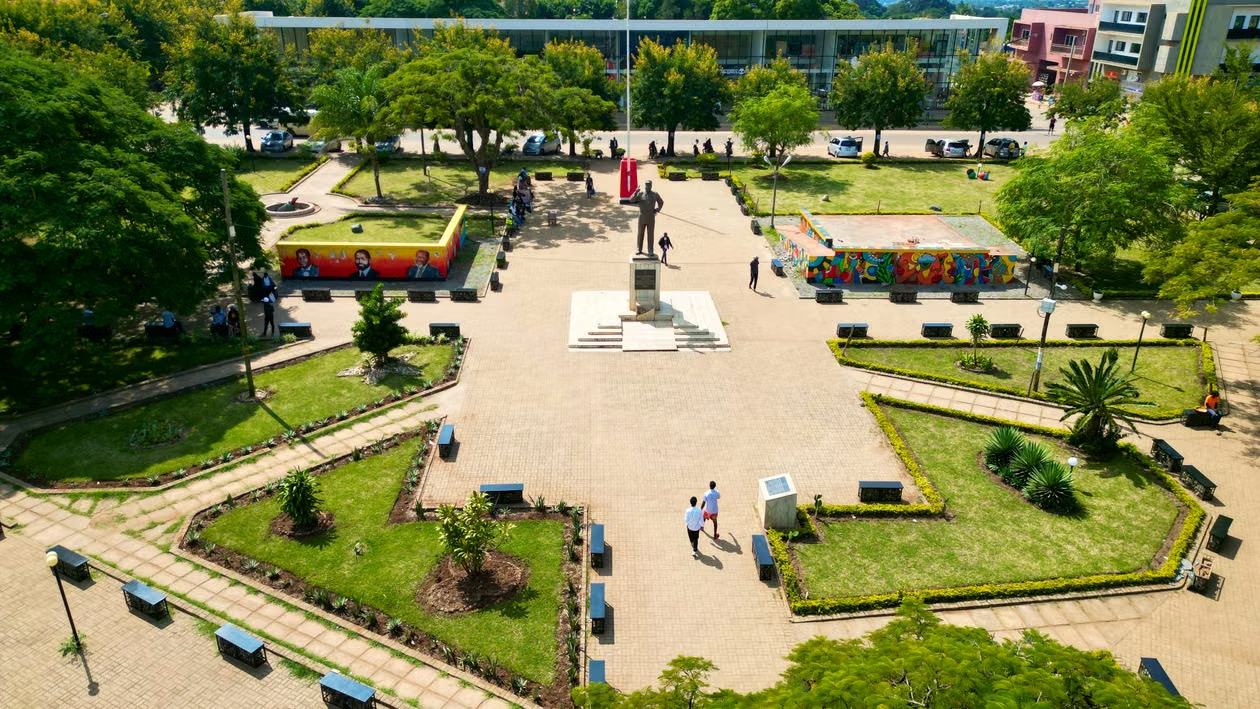
The Path Forward
Malawi’s MW2063 vision positions tourism as a pillar for inclusive wealth. By adopting MT’s transformational workshops, Malawi can:
- Turn ‘stakeholder conflicts’ into shared-value strategies (e.g., community-ranger partnerships against poaching).
- Embed measurable KPIs across all sectors (e.g., tourist spending retention, community revenue shares).
- Amplify its unique selling proposition: authentic warmth + untouched natural beauty.
MTC Certified Trainers
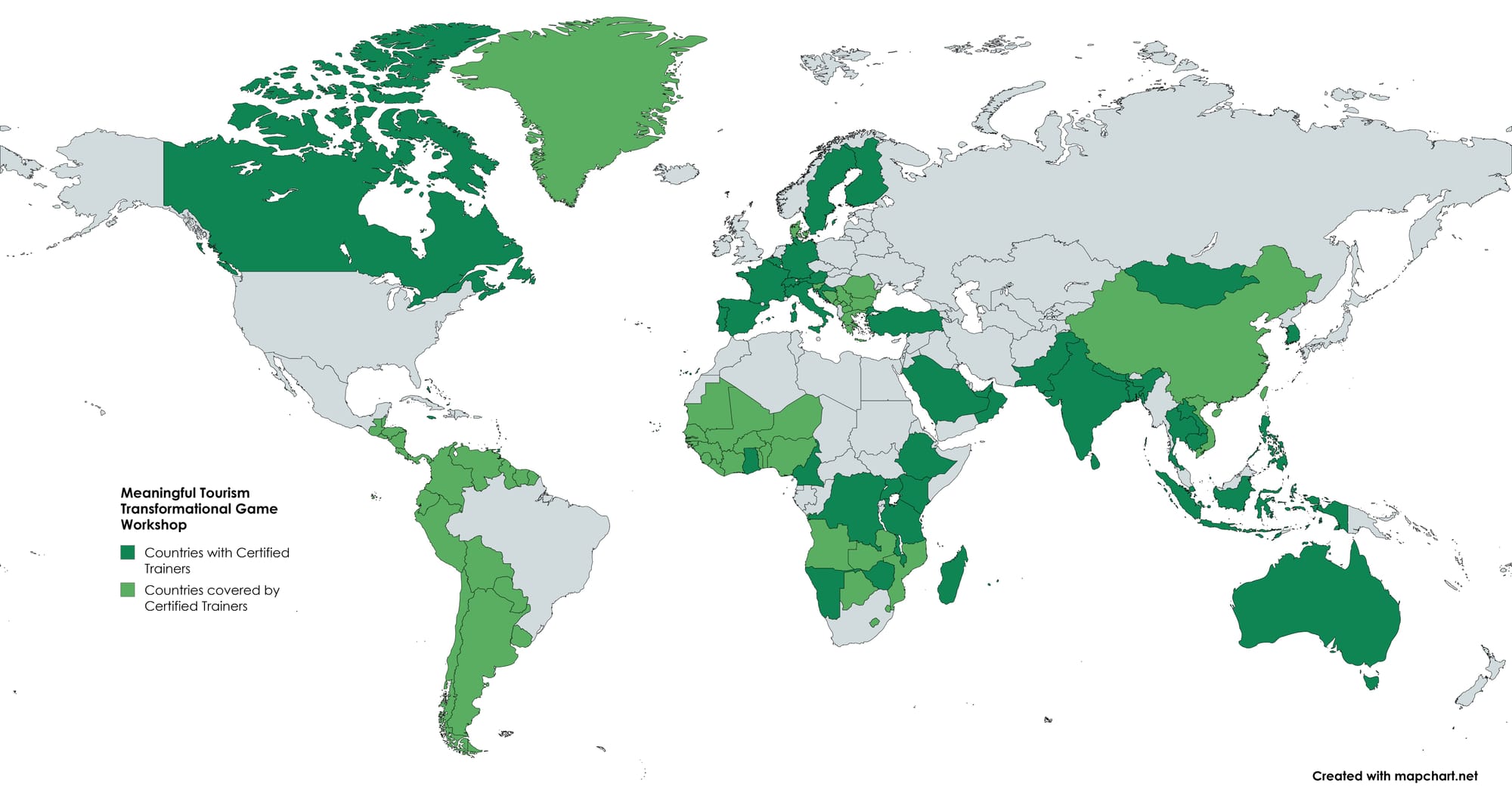
Please find below an overview of all our Certified Trainers for the Meaningful Tourism Transformational Game Workshop, along with the World Map showing the countries currently covered directly or indirectly.
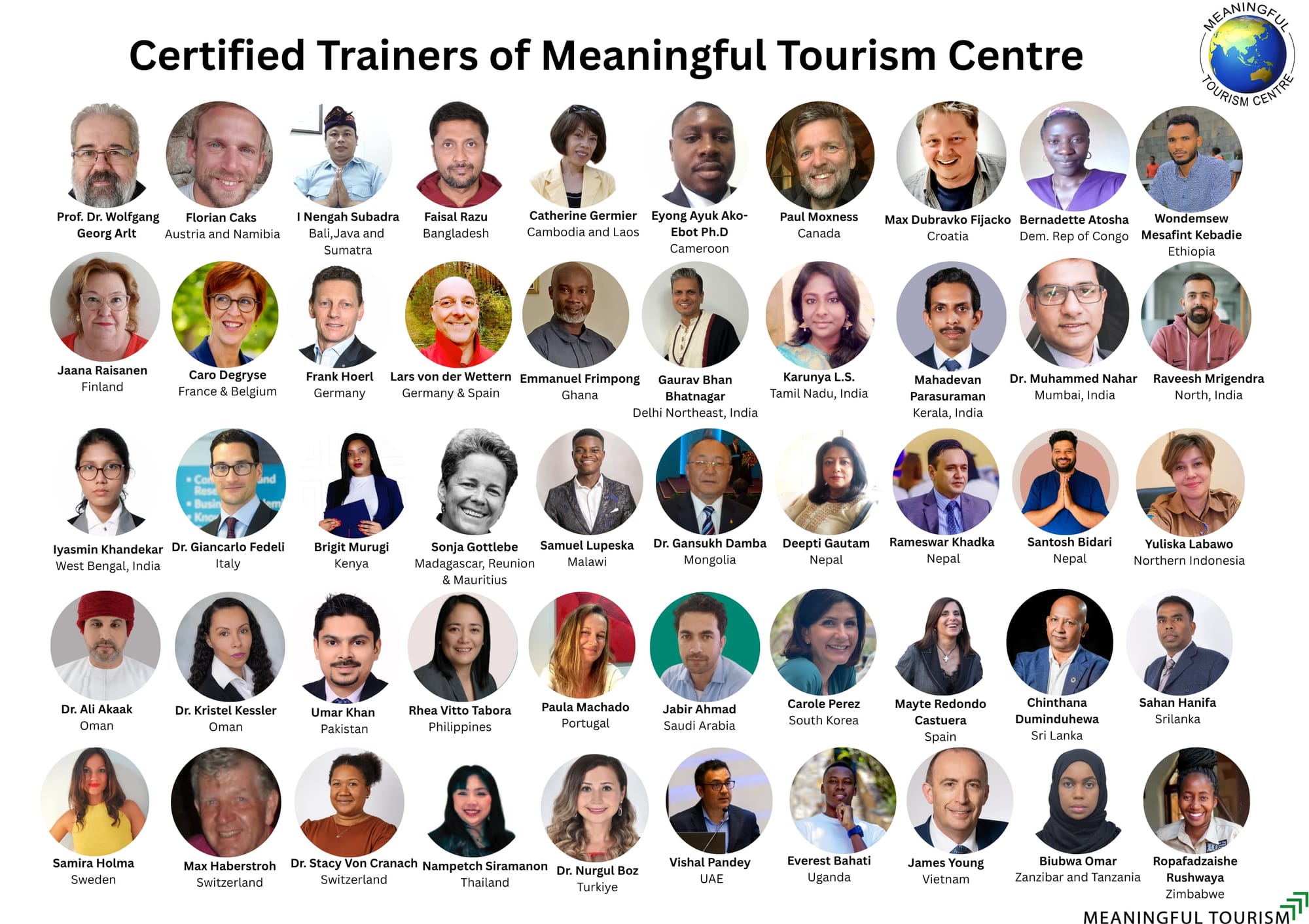
The network of MTC Certified Trainers is constantly growing. As shown on the map, many countries and regions worldwide are already served by dedicated experts. However, MTC is continuously looking for professionals with experience in training or lecturing and a passion for sustainable tourism to join the network and fill the blanks on the map.

ITB India
September 1 - 3, 2026
Jio World Convention Centre, Mumbai, India

Prof. em. Dr. Wolfgang Georg Arlt FRGS FRAS, Executive Director of Meaningful Tourism Centre and CEO of China Outbound Tourism Research Institute (COTRI), will give a 30-minute presentation titled “Meaningful Tourism as a tool for sustainable tourism development in India and beyond” on September 2 at 1:30 pm.
We are excited to offer 15 complimentary Trade Visitor passes to our readers, courtesy of Meaningful Tourism Centre! Each pass grants access to the exhibition and conference programmes across all three days — a value of $25 USD. Passes are available on a first-come, first-served basis, so don't wait. Contact us today to secure your complimentary pass.
About Meaningful Tourism Weekly
Meaningful Tourism Weekly is published every Thursday by Meaningful Tourism Centre (MTC) - London and Kathmandu in collaboration with Travel Asia Now, led by Rhea Vitto Tabora.
Each issue features an Editorial, updates on MTC activities, a Best Practice Example, a profile of an MTC-certified trainer, news about upcoming events, and, occasionally, additional op-ed pieces from guest authors. Carefully selected news items, including videos and podcasts, are also included, with links to their original sources in the Meaningful Tourism News section.
Subscription to Meaningful Tourism Weekly is free, with the addition of a paid content section that includes a library of surveys, exclusive articles, conference presentations, and statistical data, offering subscribers invaluable resources.
Sponsorship opportunities are available for those interested in supporting this initiative.
For more information about MTC's training programs, market research, product adaptation, consulting services, conferences, strategy development, and marketing, visit our website or email us at info@meaningfultourismcentre.org.