Poverty Trap and Tourism

Dear reader,
the legal structure organising the Meaningful Tourism Centre moved to Singapore last week; however, the main office of MTC is still in Nepal. This country is the third-poorest in the world outside of Africa – for no apparent reason.
Shubham Thapa, a student at the KUSOM Kathmandu University School of Management, recently published an interesting article shedding some light on the Poverty Trap Nepal, like many other countries, finds itself in.
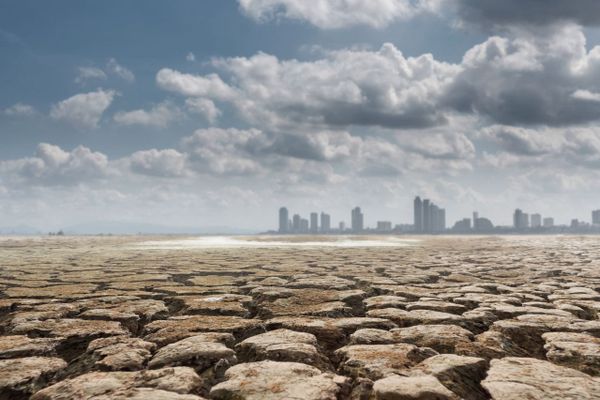
About 20% of Nepalis are working abroad. They sent home more than USD 13 billion in the first ten months of the Fiscal Year 2025/26. How does a country take in this much and end up no closer to escaping poverty? The problem was described by the Estonian economist Ragnar Nurkse seventy years ago, naming it the Vicious Circle of Poverty: Low income leaves little room for saving, low saving limits capital formation, low capital per worker keeps productivity low, and low productivity reproduces low income. As Nurkse put it: A poor country is poor because it is poor.
In the case of Nepal, the fact that the biggest part of the money earned abroad is also spent on goods made abroad, especially in the economies of the two giant neighbours India and China, does not help at all to create an ecosystem suitable for domestic or foreign direct investment.
When a developing country receives or borrows capital and spends it on consumption instead of productivity, the circle stays intact. Three symptoms show how Nepal has become entrenched in this poverty trap: remittance dependency, public debt, and an informal economy the state cannot tax.
Outflows of workers and remittances accelerated sharply about twenty years ago, as Nepal began building its economy around labor export instead of agriculture or industry, with most of those earnings being used for consumption, not investment. Much of what households buy is imported, so the money leaks back out, widening the trade deficit and undercutting domestic tradable goods.
Two decades after that acceleration began, the dependency hasn’t eased. Growth still depends on exporting workers, not on what farms and firms at home produce.
The per capita income in Nepal stands at about USD 1,660, far below the world average of roughly USD 14,550. That is the base the debt has to be serviced from.
Nepal’s total income is too low to cover what it spends each year on salaries, food, fuel and interest, so it borrows to fill the gap. That money goes mostly to consumption and old debt, not to roads, factories or schools, so it adds no new income. Interest and inflation then push needs up while income stays flat, so next year’s gap is bigger and more borrowing follows.
Furthermore, a large share of the economy sits outside any tax system’s reach. Estimates of Nepal’s market operating informally exceed 50%. 70% of transactions happen without an invoice, using informal banking channels. Therefore, tax revenue can’t close the gap, not because rates are too low, but because so much activity never reaches a taxable transaction. Borrowing fills what collection can’t.
However, an economy that stays largely informal starves the state of the revenue it needs for the education and health systems that would raise productivity. Nepal lacks the institutional capacity to convert those advantages into productivity: an economy formal enough to tax, an education system that builds real skills, and a state that borrows to build rather than to get by.
This vicious circle, which can be found in many other developing countries as well in different forms, also affects tourism seriously. Instead of the development of a Meaningful Tourism Economy, which provides benefits and satisfaction to all stakeholders involved, the bigger part of the tourism products relies on offering low prices rather than innovative offers. Many of the most talented young people are not in the country; those who stay find it difficult to raise investment for new business ideas. The under-invested transport infrastructure is a major stumbling block for any tourism offers, with a highway between the two major cities, Kathmandu and Pokhara, which requires six hours of driving to cover 200 km, and notoriously delayed domestic flights based on airports and aircraft that lack modern equipment to prevent the frequent stopping of services due to rain or low visibility. Not a single business class seat is available on domestic flights for the affluent travellers which are supposed to stay in the growing number of Five-Star hotels.
Certainly, there is improvement compared to the situation in earlier decades, and yes, there are many individual persons and companies trying to develop a sustainable tourism ecosystem for their country, in Nepal as in other countries with a similar situation. Meaningful Tourism is the way tourism can contribute to getting out of the poverty trap.
As always, all the best wishes from the Meaningful Tourism Weekly team in Kathmandu and Manila, and from the whole Meaningful Tourism community to all our readers!


Summary of the latest edition of Travel Dialogues South Asia Podcast
Every week, MTC and its partners TravelDailyNews Asia-Pacific and Tanneri Chaso provide a new episode of the TRAVEL DIALOGUES SOUTH ASIA series of podcasts concentrating on the development of Meaningful Tourism in South Asia, including Pakistan, India, Maldives, Sri Lanka, Nepal, Bhutan, and Bangladesh.
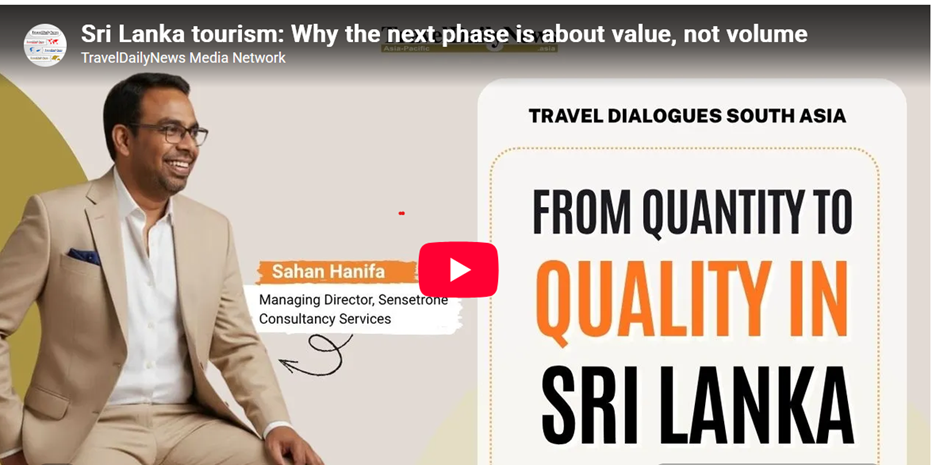
Sri Lanka is recalibrating its tourism model, placing greater emphasis on visitor value, sustainability and experience rather than simply pursuing higher arrival numbers.
The changing Sri Lanka tourism strategy was the focus of a recent Travel Dialogues South Asia conversation between Sahan Hanifa, Managing Director of Sensetrone Consultancy Services, and your humble editor.
The discussion explored the country’s tourism recovery, changing source markets, overtourism management, product diversification and the potential for local communities to participate more directly in the visitor economy.
Moving from visitor numbers towards value
Sri Lanka’s tourism sector is currently going through what Hanifa describes as a period of recovery and recalibration.
By the middle of the year, the country had welcomed approximately 1.2 million tourists and was moving towards a target of 2.5 million arrivals.
However, the strategic priority is changing.
Rather than focusing primarily on increasing visitor numbers, the government is seeking to generate greater value from each traveller.
The objective is a more value-driven tourism model, where economic performance is considered alongside the quality of the visitor experience and the longer-term sustainability of the destination.
This represents an important shift for the Sri Lanka tourism strategy.
Growth remains important, but the discussion suggests that the country increasingly wants to examine what each visitor contributes rather than measuring success solely through arrival statistics.
India leads while China recovers
Source-market diversification is another important component of the strategy.
India currently represents the country’s leading source market within South Asia. The industry projects between 600,000 and 1.2 million Indian visitors by 2030.
Hanifa also identifies a change within the Indian market. Higher-value Indian travellers who previously selected destinations such as Australia or Europe are increasingly considering Sri Lanka for quality experiences.
China, meanwhile, is recovering.
Visitor numbers are around 110,000, compared with more than 200,000 before the pandemic, according to the discussion. China is consequently viewed as an important market with further growth potential.
European, American and Australian travellers remain important, while Bangladesh is identified as an emerging market, with expectations of reaching 100,000 visitors.
Setting limits on tourism growth
Sri Lanka’s move towards value rather than volume also raises a fundamental question: how many tourists can the country sustainably accommodate?
According to the discussion, the Deputy Minister of Tourism has established a national ceiling of five million tourists annually, taking into consideration Sri Lanka’s sensitive ecosystems and cultural heritage.
Visitor management is also being considered at individual attractions.
At Sigiriya, the discussion refers to a carrying-capacity limit of 500 tourists. National parks are also placing limits on the number of safaris.
The approach reflects an attempt to protect individual destinations before visitor pressure begins to undermine either their environment or the quality of the experience.
Managing fewer visitors while protecting revenue
Restricting numbers creates another challenge for tourism businesses and destination managers: maintaining economic returns.
The discussion identifies several potential mechanisms, including higher prices, more selective booking channels and digital visitor-management systems.
The objective is to manage visitor volumes while recovering sufficient revenue from tourism.
Environmental programmes and policies designed to protect natural assets and maintain cleanliness at tourism sites are also part of the wider approach.
The Sri Lanka tourism strategy therefore links visitor management with economic value rather than treating sustainability and revenue as entirely separate objectives.
Diversifying beyond traditional beach tourism
Product diversification will be critical if Sri Lanka wants visitors to explore more of the country and engage with a wider range of experiences.
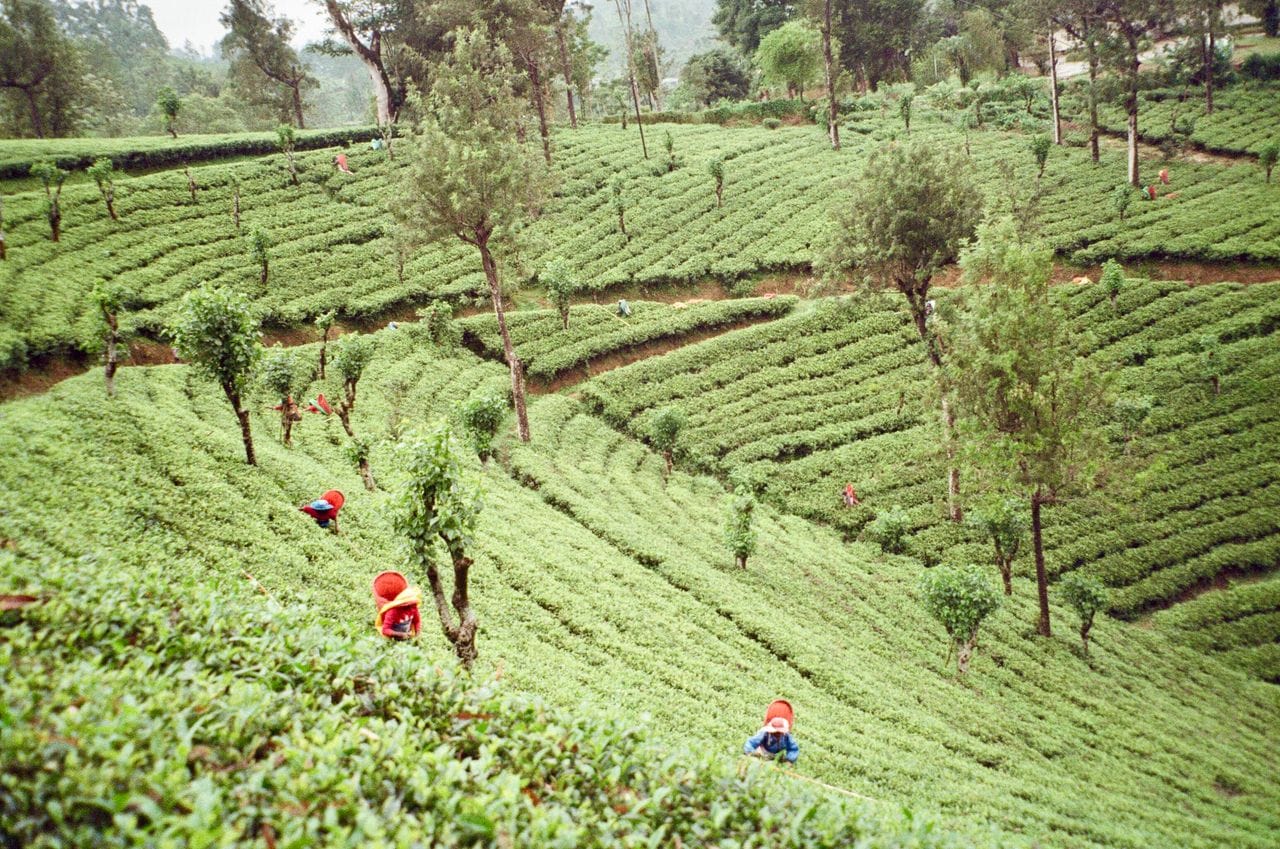
The destination is looking beyond its established beach tourism offer towards areas including the East Coast and tea-growing regions.
Different source markets may also require different products.
Chinese visitors, for example, show strong interest in cultural tourism, supported by historical and cultural connections between China and Sri Lanka stretching back around 2,000 years.
Privacy-focused villas are also being considered for higher-segment Chinese travellers.
European visitors, meanwhile, frequently seek beach activities such as surfing and other recreational experiences.
The broader objective is to make experience a key differentiator for Sri Lankan tourism.
From sightseeing to meaningful experiences
The discussion moves beyond product development towards a deeper question: how can tourism create more meaningful connections between travellers and local communities?
Hanifa sees opportunities to move visitors beyond conventional sightseeing towards experiences that involve local people directly.
Examples discussed include cooking with local families, participating in tea harvesting through a “tea picker for a day” experience, and joining local singing and dancing activities.
These experiences can serve more than one purpose.
They provide travellers with direct interaction with local culture while creating economic opportunities for the communities hosting them.
According to the discussion, community-based experiences can also help generate respect between visitors and residents and provide younger people in rural areas with new opportunities.
Measuring community participation remains a challenge
There are nevertheless gaps in the current model.
While communities already receive benefits from tourism, the discussion notes that Sri Lanka does not yet have a comprehensive measurement tool for assessing stakeholder involvement.
At the same time, efforts are being made to encourage new investors and businesses through measures including VAT exemptions.
Developing stronger measurement could become increasingly important if community benefit is to form a measurable component of the country’s tourism strategy.
It would allow tourism performance to be assessed not only through arrivals and expenditure, but also through how effectively economic value reaches local stakeholders.
Visa flexibility supports priority markets
Visa policy forms another part of the tourism equation.
According to the discussion, Chinese travellers currently benefit from a 30-day visa-free policy.
Sri Lanka is also seeking flexibility in its visa approach towards what Hanifa describes as “valuable guests”, with the objective of making travel more convenient for priority visitors.
Combined with market-specific products and experiences, visa facilitation can support the wider objective of attracting travellers who align with the country’s value-driven approach.
Building more value from tourism
Sri Lanka’s tourism transformation is therefore about more than increasing arrivals.
The emerging strategy combines source-market development, visitor limits, environmental protection, product diversification and community involvement.
At its centre is a relatively straightforward objective: create greater value from tourism while protecting the assets that make people want to visit in the first place.
The discussion between Sahan Hanifa and Prof. Dr Wolfgang Georg Arlt also demonstrates that value can have several meanings.
It can mean higher economic returns from individual visitors.
But it can also mean better experiences, greater benefits for local communities and reduced pressure on sensitive natural and cultural sites.
For Sri Lanka, the next phase of tourism growth may therefore be determined not simply by how many travellers arrive, but by where they travel, what they experience, how much value they create and how widely that value is shared.

New home for the Meaningful Tourism Centre: Singapore
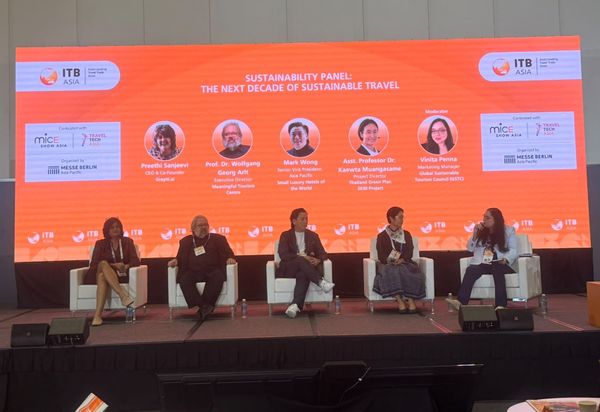
Last week, your humble editor visited the ITB ASIA in Singapore; however, at the same time, the visit also helped to finalise the establishment of the new legal base of the Meaningful Tourism Centre. Singapore is famous for its transparent and rational regulations for doing business, attracting profit- and non-profit organisations from around the world, with NGOs like the Forum for the Future Asia Pacific or the World Trade Organisation.
The main office of MTC remains in Nepal, with Meaningful Tourism Innovation Labs and Certified MTC trainers in many countries in the world.
Office of the Meaningful Tourism Centre in Kathmandu closing next week for Tihar
Last week the office was closed for Dashain, the most important festival for Nepal. However, that does not constitute the end of religious and family ceremonies and gatherings. Next week, Tihar, Nepal's five-day festival of lights, is celebrated annually as the second-biggest holiday after Dashain. Again, public life will come to a standstill.
Back on LinkedIn
As mentioned in last week's Special Edition, Meaningful Tourism Weekly is back on LinkedIn. The full edition of Meaningful Tourism Weekly is published on Ghost and is free to subscribe to for everybody.
 Prof. Dr. Wolfgang Georg Arlt
However, we are also publishing a shortened version on LinkedIn. This version could not be provided in the last few weeks as the LinkedIn account was hacked. With this issue resolved, we are resuming publication of the LinkedIn version of our newsletter.

Meaningful Tourism Innovation Lab (MTIL) Pakistan
MTIL Pakistan Moves from Concept to Action with Hunza Pilot and Halal Tourism Roadmap
MTIL Pakistan is moving into its implementation phase, building on the successful Zoom meeting on 14 October 2026, where key stakeholders first agreed on the framework and priorities. In the latest coordination, Hunza community tourism has now been proposed as the first pilot project under MTIL Pakistan, reflecting the earlier decision to start with community-based tourism in the northern areas and ensure that local residents receive a fair share of benefits and satisfaction. Coastal tourism has been identified as a subsequent area for development.
In line with MTIL’s mandate to go beyond visitor numbers, participants confirmed that Pakistan-specific Key Performance Indicators (KPIs) will be developed to track community welfare, environmental protection, accessibility, destination carrying capacity, and the quality of employment and economic value generated by tourism. This directly follows the earlier commitment to measure annual progress in social, environmental and economic dimensions rather than volume alone.
Halal tourism and accessible tourism, previously highlighted as strategic opportunities for Pakistan, have now been given a concrete next step through a planned Halal Tourism Roundtable at Federation House in Karachi. Supported by Prof. Dr Wolfgang Georg Arlt and with the proposed participation of external expert Fazal Bahardeen of CrescentRating, based in Singapore, the roundtable will focus on structuring and promoting Pakistan’s halal-compliant conditions – including potential in halal medical tourism – under the MTIL Pakistan framework.
Looking ahead, Prof. Dr Arlt has been invited to Pakistan Travel Mart in Islamabad in April 2027, where a dedicated Meaningful Tourism conference and a tourism-industry think-tank session are envisaged. These events will serve to deepen collaboration between federal and provincial bodies, the private sector and local communities, as originally envisaged when MTIL Pakistan was set up as a neutral platform under the MoU signed with Born Xplorer Destination Management Company.
Together, these developments confirm that MTIL Pakistan is progressing from planning to practice, with concrete pilot projects, clear KPIs and structured engagement on Halal and community-based tourism now forming a coherent national roadmap.

Developing Meaningful Tourism in Bougainville: The Work and Vision of BACTA
By Lorena Ritsi Nanei, Director / Interim Chief Executive Officer, Bougainville Arts, Culture and Tourism Authority (BACTA)
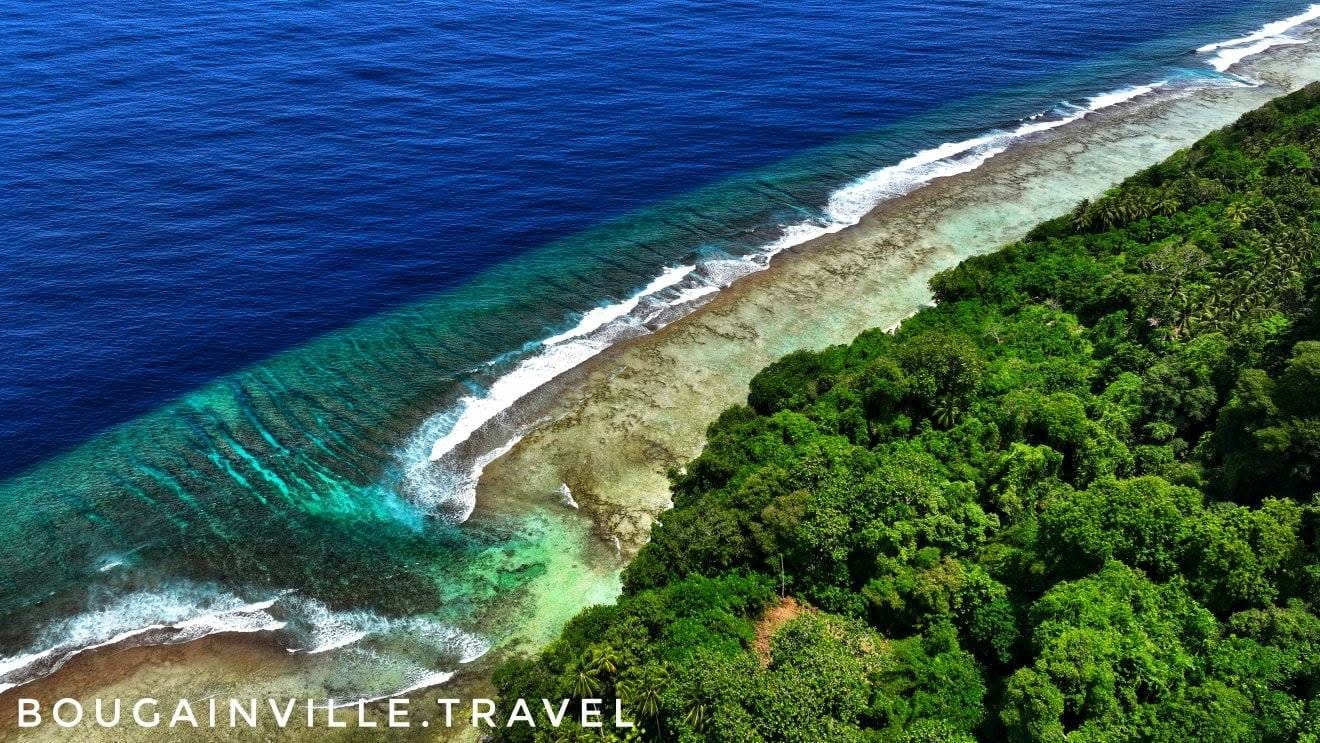
Tourism presents an important opportunity for Bougainville to create sustainable livelihoods, preserve its rich cultural heritage and share its unique identity with the world. With its diverse traditions, pristine coastlines, natural landscapes, historical sites and strong community connections, Bougainville has the potential to become one of the Pacific’s most distinctive tourism destinations.
As Interim Chief Executive Officer of the Bougainville Arts, Culture Tourism Authority (BACTA), my work focuses on helping translate this potential into practical development opportunities for the people of Bougainville.
Strengthening BACTA’s Institutional Foundation
BACTA is the statutory authority responsible for the development and promotion of arts, culture and tourism in Bougainville. An important priority is moving the Authority from its establishment phase towards full operationalisation of the BACTA Act 2022.
This transition involves strengthening institutional capacity, advancing the development of regulations and standards, building strategic partnerships and identifying practical programmes that can support the growth of the tourism sector.
Like many emerging institutions, BACTA faces challenges relating to operational funding, staffing, infrastructure and technical resources. These constraints highlight the importance of stronger government support, effective partnerships and investment in the systems required to deliver sustainable tourism development.
My approach is to position BACTA as a coordinating institution that works collaboratively with the Autonomous Bougainville Government, Papua New Guinea Tourism Promotion Authority, customary landowners, communities, tourism operators and development partners.
Preserving Cultural Heritage Through Tourism
Bougainville’s cultural identity is one of its greatest strengths. Its traditional knowledge, cultural practices, local arts, historical landmarks and community stories provide opportunities to develop authentic tourism experiences while supporting cultural preservation.
BACTA recognises that communities and cultural custodians must be central to decisions about how their heritage is documented, protected and presented to visitors. Tourism should not commercialise culture at the expense of its meaning or integrity. Instead, it should create opportunities for communities to share their heritage on their own terms and receive appropriate recognition and benefits.
Partnerships with cultural institutions, including the National Museum and Art Gallery, are important to this work. Collaboration can strengthen heritage management, knowledge sharing and the preservation of historical and cultural assets for future generations.
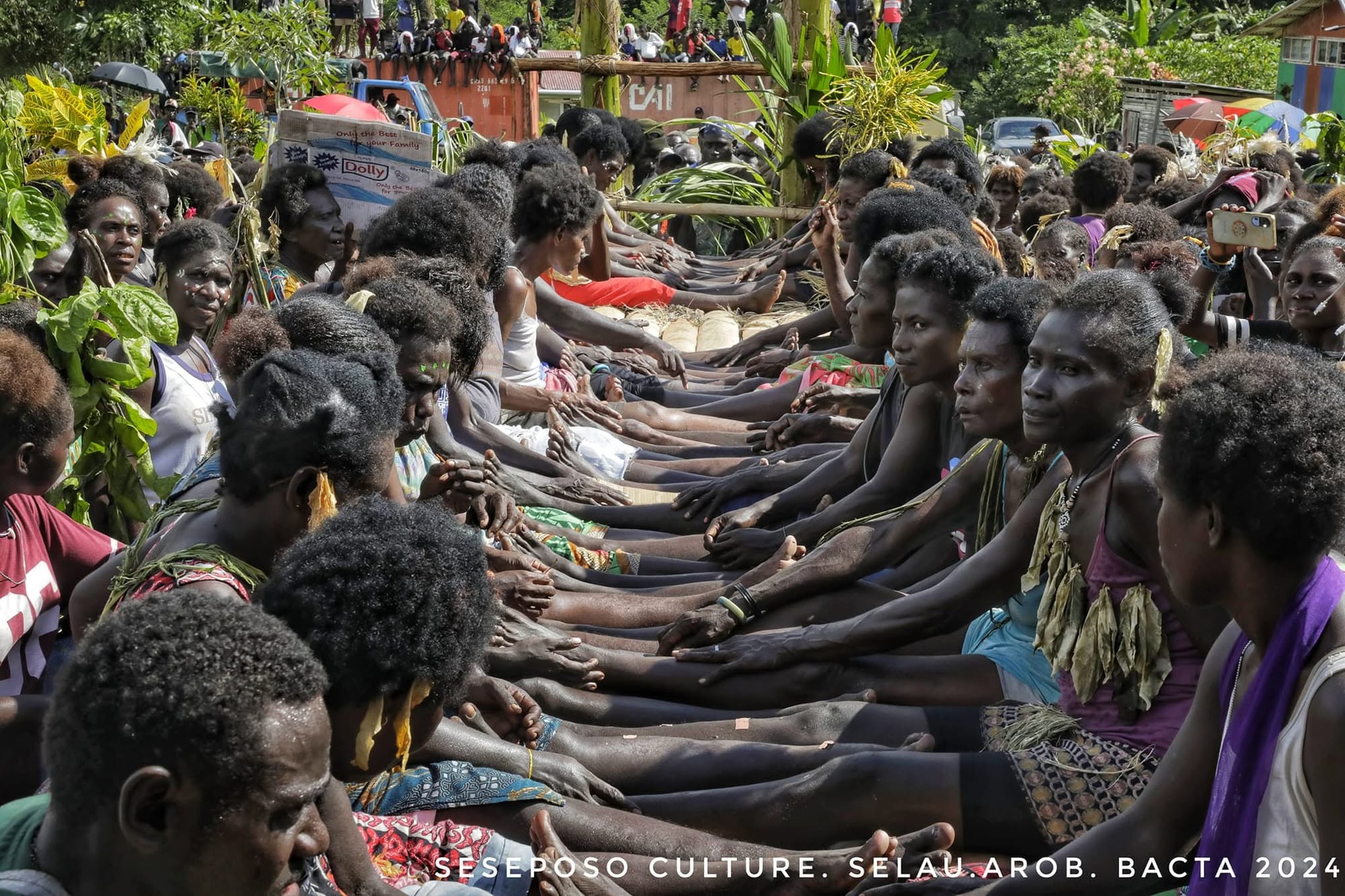
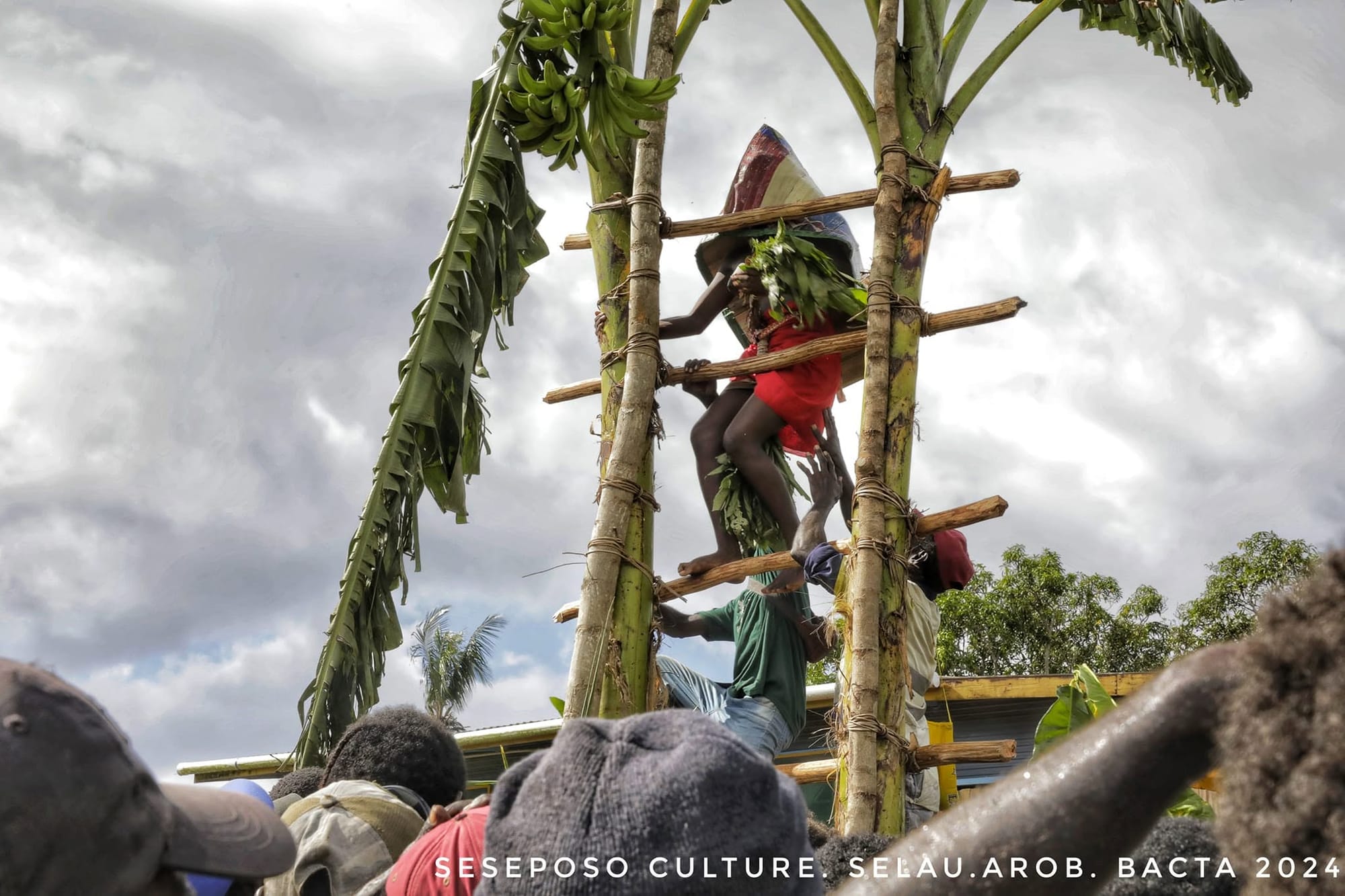
SESEPOSO CULTURAL CEREMONY. Seseposo is considered a sacred cultural ceremony for girls who first experience their menstrual cycle. In translation, Seseposo means "Banana Climbing." The Buka people initiate Seseposo to welcome girls into womanhood, and the practice is usually passed down from mothers to daughters through family chieftainships. The occasion is rarely practiced in Bougainville's Northern Region and is held every 20 years. Source: Bougainville.travel
PRIORITY PROJECT
Numa Numa Trail Initiative: Mapping Heritage and Tourism Opportunities
One initiative that reflects this direction is the Numa Numa Trail project. This is a similar tourism product as the Famous KOKODA TRACK in Papua New Guinea. Through GIS mapping, field consultations and engagement with local leaders, communities and customary landowners, the initiative seeks to identify and document historical, cultural and tourism assets.
The Numa Numa Trail has the potential to become a signature heritage trekking destination for Bougainville, comparable to Papua New Guinea’s famous Kokoda Track, showcasing the region’s significant wartime history, rugged landscapes and rich cultural heritage while creating sustainable tourism opportunities and meaningful economic benefits for local communities.
This work can provide a stronger evidence base for future destination planning, helping identify potential visitor experiences, access requirements, landownership considerations and community priorities.
The initiative also demonstrates that tourism development begins well before a destination is marketed. It requires research, consultation, responsible planning and community participation. By connecting heritage documentation with local knowledge, the project can help establish a foundation for future tourism products and investment opportunities.
This will allow BACTA to protect the integrity of the project, manage expectations and ensure that any future promotion is responsible, evidence-based and supported by the relevant stakeholders.
Applying the Meaningful Tourism Approach
My vision for Bougainville’s tourism development is closely aligned with the principles of Meaningful Tourism. This approach encourages us to measure success not only by visitor arrivals or tourism revenue, but also by the benefits tourism creates for communities, workers, businesses, cultural custodians and the environment.
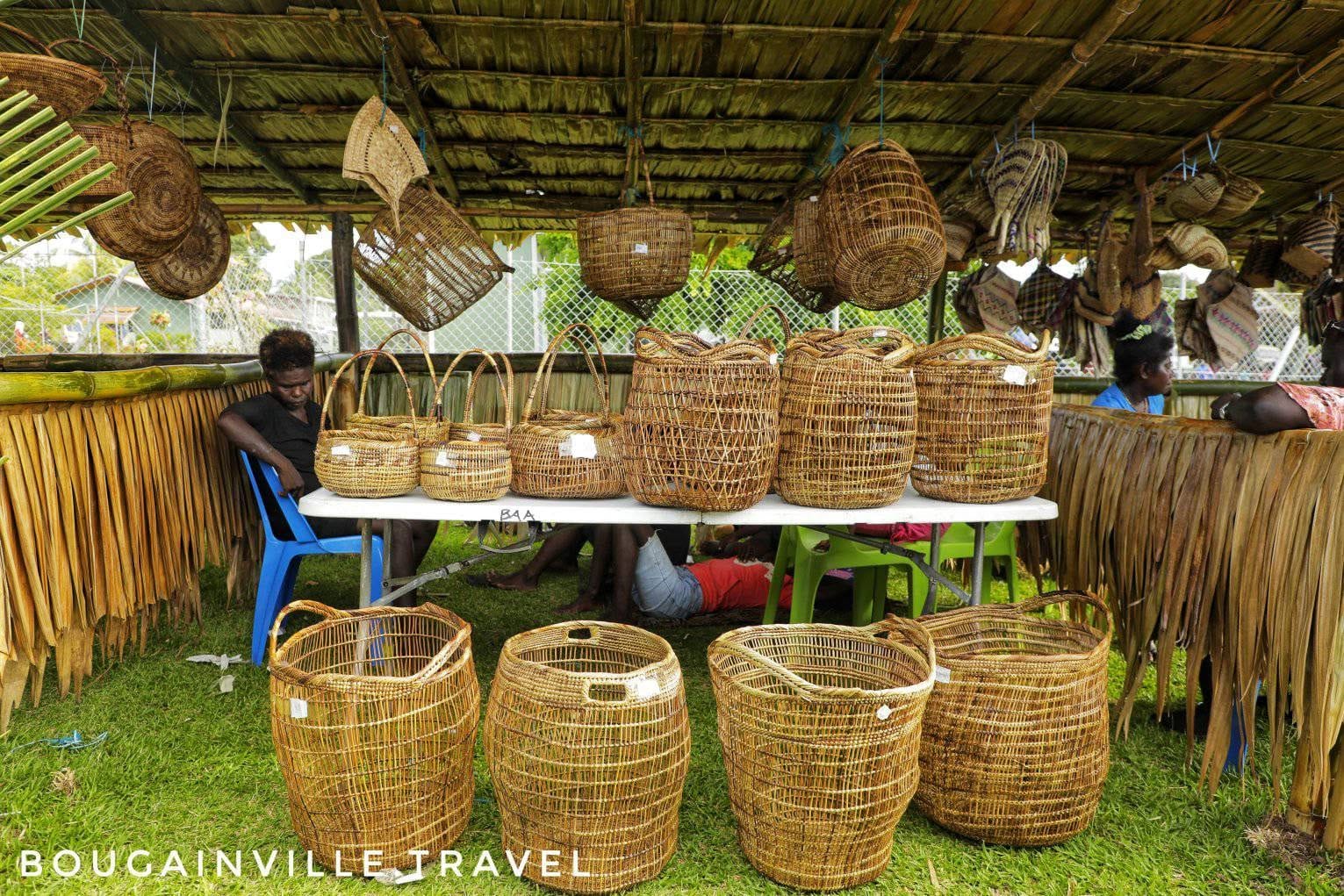
For Bougainville Arts Culture Tourism Authority, this means supporting community-based tourism, strengthening local tourism associations, improving the capacity of accommodation providers and guides, and creating opportunities for artists, artisans and small businesses.
It also means ensuring that tourism promotion is matched by destination readiness, visitor safety, appropriate standards and quality experiences.
Meaningful Tourism offers a practical way to connect economic development with cultural integrity, environmental responsibility and community wellbeing. It encourages us to ask whether tourism is genuinely improving local livelihoods and protecting the assets that make Bougainville special.
Looking Ahead: Creating Lasting Benefits
The next stage of BACTA’s work is to strengthen its operational capacity, advance its regulatory framework, build effective partnerships and support the development of tourism destinations across Bougainville.
Achieving these priorities will require sustained investment and collaboration between government, communities, customary landowners, the private sector and development partners.
I believe Bougainville’s tourism future must be built on the principle that communities are not simply participants in tourism; they are its essential partners and custodians. Their knowledge, culture, land and hospitality are central to the visitor experience and must be respected throughout the development process.
Ultimately, my work with Bougainville Arts Culture Tourism Authority (BACTA) is about helping establish the foundations for a tourism industry that creates opportunities for local people while protecting Bougainville’s cultural and natural heritage.
For me, Meaningful Tourism is not simply about bringing visitors to Bougainville. It is about ensuring that tourism creates lasting value for our communities, preserves our identity and contributes to a stronger future for generations to come.

Meaningful Tourism Community: The Meaningful Tourism Transformational Game Workshop Trainer
Yuliska Labawo - Certified Trainer for Northern Indonesia
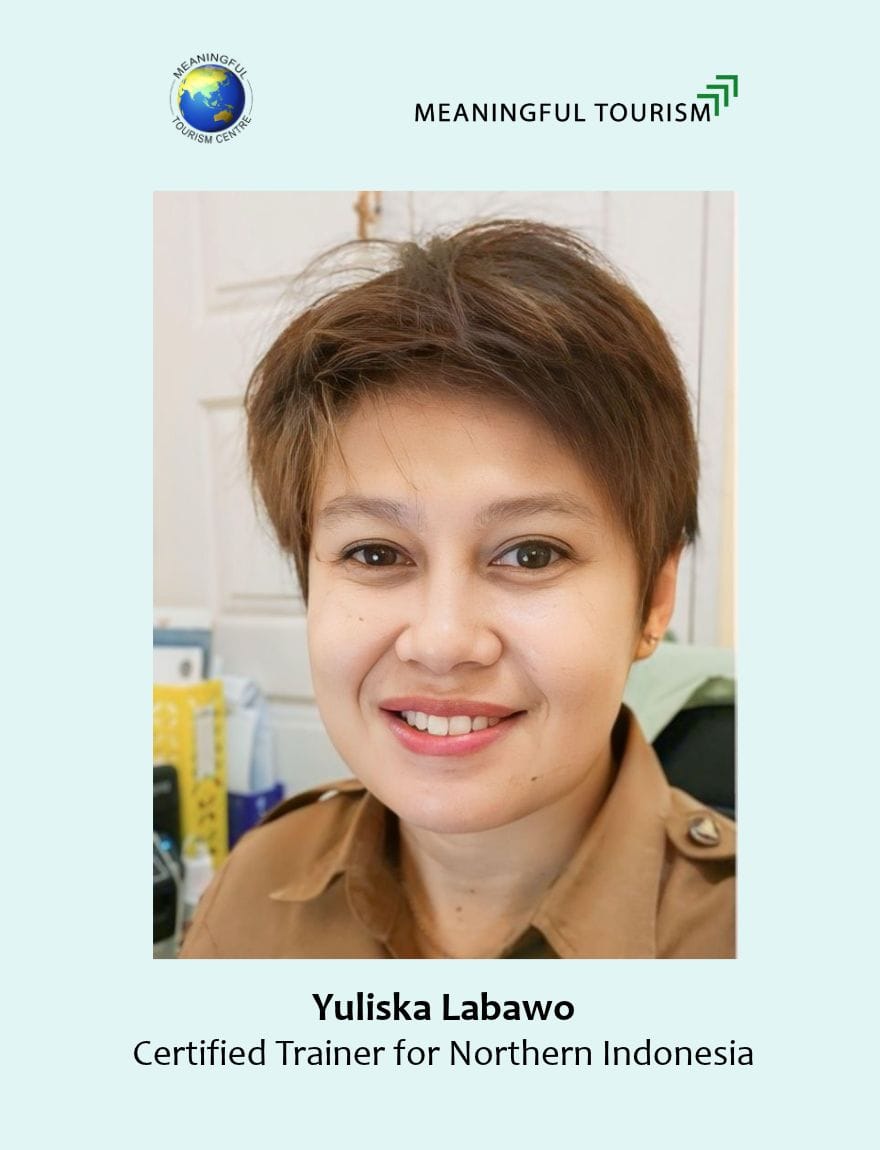
Yuliska Labawo brings over a decade of experience in tourism through her work with the Banggai Regency Tourism Department. She holds a Bachelor’s degree in English Literature from Sam Ratulangi University and a Master’s in Tourism from Udayana University, focusing on sustainable tourism strategy, policy, and economics.
Certified in Sustainable Tourism Management and Indonesia’s Destination Leadership Program, Yuliska is an accomplished speaker, mentor, and interpreter. Passionate about community-based tourism and sustainable development, she is recognized for her leadership, communication skills, and commitment to advancing Indonesia’s tourism sector.
Meaningful Tourism Weekly: What is the current situation of tourism in Northern Indonesia, and how can the Meaningful Tourism Paradigm help to support its development?
Yuliska: The tourism landscape in Northern Indonesia—including North Sulawesi, Gorontalo, North Maluku, and Central Sulawesi—is characterized by vast natural and cultural wealth. In recent years, particular attention has turned to Central Sulawesi & Banggai region, encompassing Banggai Regency, Banggai Laut, and Banggai Kepulauan. Destinations such as Piala Waterfall, Paisupok Lake, and Oyama Beach have started to attract international interest, positioning Banggai as an emerging tourism destination.


Bunaken National Marine Park in North Sulawesi. Credit: Renee Grinnell Capozzola
However, this growing popularity also presents significant challenges. Many of these destinations are gaining rapid exposure through social media and travel networks, yet the capacity of local governments and communities to manage tourism sustainably remains limited. The absence of balanced destination management risks leading to environmental degradation, cultural commodification, and social imbalance, particularly when viral tourism is not matched with strategic planning and community involvement.
The Meaningful Tourism paradigm offers a solution by promoting a development model that prioritizes quality over quantity, focusing on long-term value for tourists, residents, businesses, and the environment.
In the context of Banggai and Northern Indonesia, this means creating tourism experiences that are respectful of local culture, support environmental conservation, and generate equitable economic benefits.
Implementing the Meaningful Tourism approach involves capacity building for local stakeholders, promoting community-based tourism, and ensuring that tourism revenues circulate locally. It also requires collaborative governance, where decision-making involves not only government authorities but also local communities, businesses, and conservation entities.
MTC Certified Trainers
Below is an overview of all Certified Trainers for the Meaningful Tourism Transformational Game Workshop, along with the World Map showing the countries we currently cover.
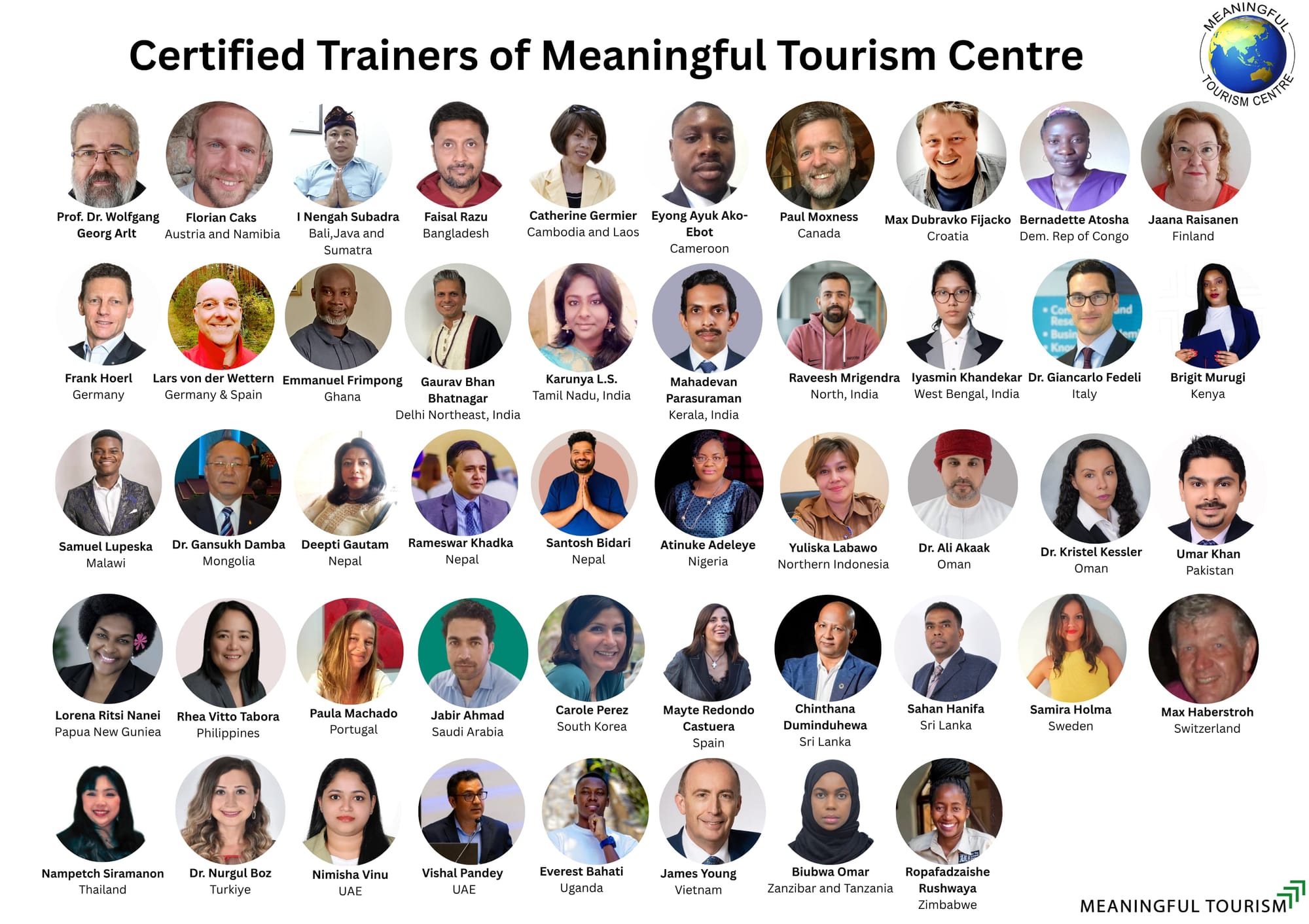
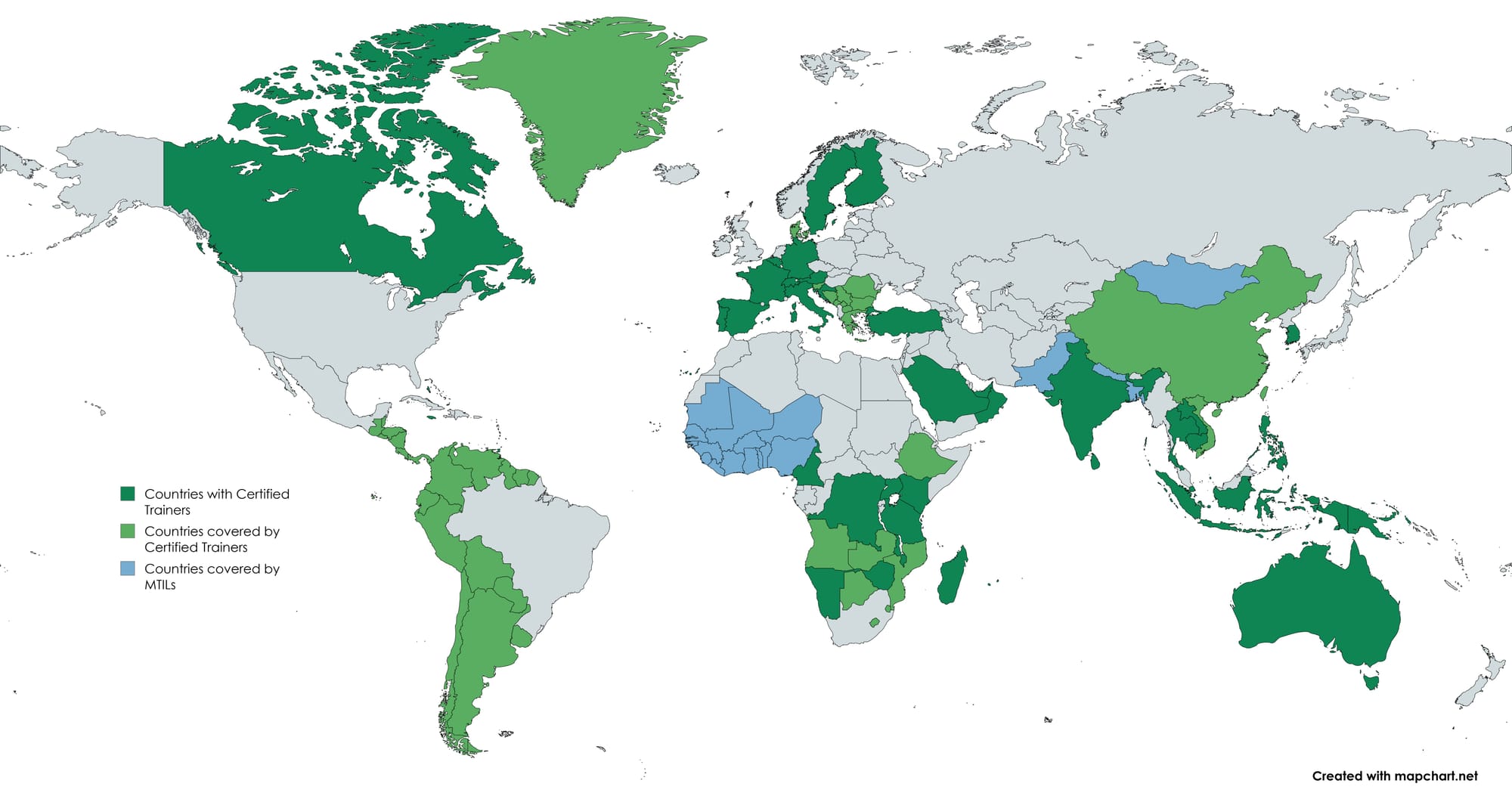
The MTC Certified Trainer network is constantly growing. As the map shows, dedicated experts already serve many countries and regions worldwide. However, MTC is continuously looking for professionals with experience in training or lecturing and a passion for sustainable tourism to join the network and fill the gaps on the map.
About Meaningful Tourism Weekly
Meaningful Tourism Weekly is published every Thursday by Meaningful Tourism Centre (MTC) - London and Kathmandu, in collaboration with Travel Asia Now, led by Rhea Vitto Tabora.
Each issue features an Editorial, updates on MTC activities, a Best Practice Example, a profile of an MTC-certified trainer, news about upcoming events, and, occasionally, additional op-ed pieces from guest authors. The Meaningful Tourism News section also includes carefully selected news items, including videos and podcasts, with links to their original sources.
Subscription to Meaningful Tourism Weekly is free, with the addition of a paid content section that includes a library of surveys, exclusive articles, conference presentations, and statistical data, offering subscribers invaluable resources.
Sponsorship opportunities are available for those interested in supporting this initiative.
For more information about MTC's training programs, market research, product adaptation, consulting services, conferences, strategy development, and marketing, visit our website or email us at info@meaningfultourismcentre.org.