From post-pandemic to post-war tourism



Dear reader,
the transformation of the global economy, including the tourism economy, is happening faster than anybody expected. With the war in the Middle East and the interruption of energy supplies and transportation routes on water and in the air well into its third month, we see another chapter of the story of modern tourism written, a story which has been characterised by explosive growth, increasing demands and expectations, and rapidly unveiling challenges.
International travel was completely transformed in 1970 with the arrival of the Boeing 747. Suddenly, the middle class in many European countries and in the USA could afford what had previously been a luxury for the wealthy. As tourism emerged as a characteristic of contemporary life, leisure travel, package vacations, and sightseeing increased dramatically.
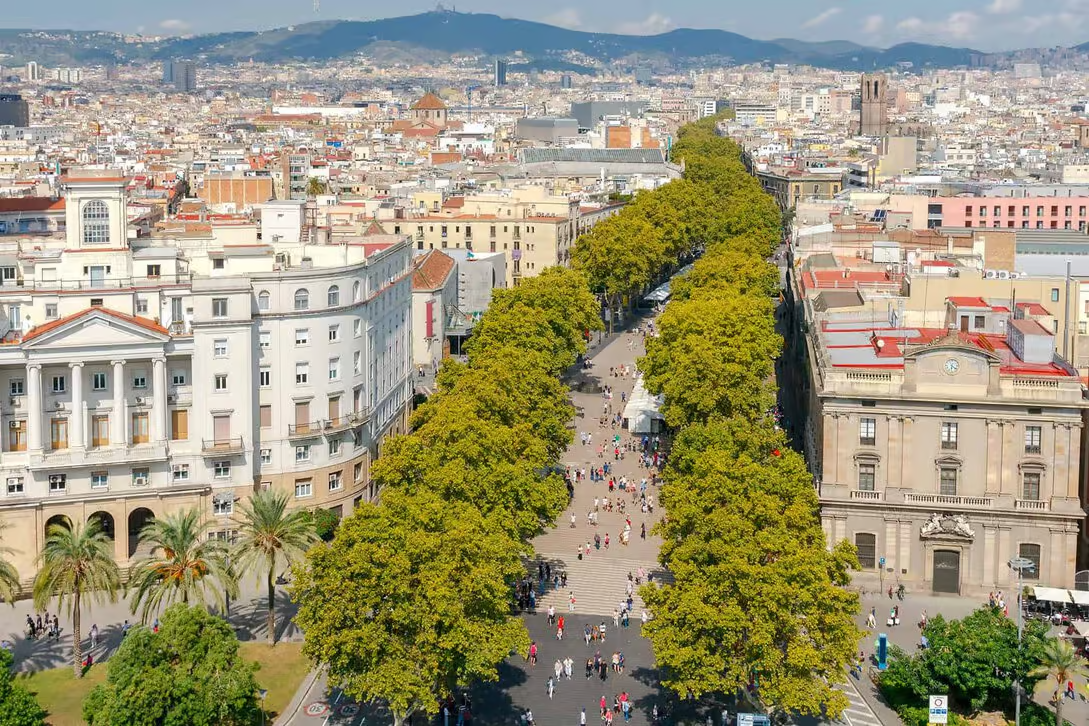
The impact of tourism resulted in significant changes to urban environments. For example, Barcelona's Las Ramblas began as a local promenade before growing into a popular tourist destination worldwide. More economic opportunities resulted from these improvements, but they also increased hostility between residents and tourists.
The industry reached a crucial point after 50 years of almost continuous expansion. As places struggled to control people and maintain quality of life, overtourism became a catchphrase. The Swedish phrase "Flygskam," which means "flight shame," became widely used.
The COVID-19 pandemic transformed the debate about tourism. Many agreed that the global tourism industry should shift from chasing arrival numbers to prioritizing quality, authenticity, experience, and personal transformation. Demand moved from mass entertainment, shopping, and travel to meaningful and captivating experiences and recently further towards transformative experiences.
Many governments and service providers are going back to using well-known measures, such as growth rates and arrival numbers, as indicators of success. They are giving lip service to a move from quantity to quality; in most cases, however, they are only talking about the goal, not about the way to reach it and the necessary destructive innovation. AI is recognized as a game-changer, again in most cases without a clear idea of which direction the acceleration possible now should move the industry.
The demand for tourists has changed. From recreation to sightseeing, to experiences, and now to transformation. The role of destinations has moved for a growing part of the market from being a background for resting on a beach or in the mountains to a place for taking photos of locals and attractions and further to actually talking to the locals, creating memorable experiences.
In 2026, we reached the stage where locals are given the role of teachers, of skills like cooking or dancing as well as teachers of happiness and wellbeing in a world which becomes more and more scary to live in by the day.
There is no return to the old ways, as can be seen by phenomena like workforce dissatisfaction and a lack of staff, revolting host communities and local resistance, increasing government restrictions and a loss of positive image of tourism.
Three main forces prevent the return to the “good old times”:
- A slowing global economy and increasing political instability
- Artificial Intelligence (AI) redefining job markets and the relations between the different stakeholders in tourism
- Climate change as the most significant long-term disruptor
Tourism as we knew it—sunbathing on crowded beaches, ski holidays, strolling in city centres—is fading. Environmental, economic, and social pressures are pushing tourism indoors, off-season, and off the beaten path. This means more demand for:
- Transformative experiences
- New destinations
- Thematic travel centred on health, education, spirituality, and wellbeing
As the global tourism industry navigates climate disruption, societal transformation including a shift towards older demographies, changing global power structures and increasing costs of travel, it has become obvious that tourism again must evolve—not just in purpose, but in practice. That’s where Meaningful Tourism comes in.
As regular readers of the Meaningful Tourism Weekly know, Meaningful Tourism is a paradigm that helps to ensure that tourism brings both objective benefits and subjective satisfaction to all six main stakeholder groups:
- Travelers and guests
- Host communities
- Employees in tourism and hospitality service providing companies
- Tourism and hospitality businesses
- Governments at all levels
- The material and immaterial environment
The war in the Middle East will hopefully end soon in one way or another; however, the results will have repercussions for years to come. At the same time, the race towards the tipping points of climate change has not stopped, even though it has not dominated the headlines in the last nine weeks. AMOC, the exchange of warm and cold water between Antarctica, the Gulf of Mexico and the North polar sea, including the Gulf Stream as part of it, is now forecasted to collapse with a more than 50% probability within decades. More short-term, global climate will very likely reach new records in levels of high temperature based on the strongest El Niño on record currently unfolding.
The Meaningful Tourism Centre is in the process of establishing Meaningful Tourism Innovation Labs in different countries to help destinations, companies and governments to translate the insights and to use the tools provided by Meaningful Tourism for concrete action based on a solid holistic strategy. You will find more information about the MTILs in the MTC News section below.
As always, all best wishes from the Meaningful Tourism Weekly team in Kathmandu and Manila, and from the whole Meaningful Tourism community to all our readers!


Meaningful Tourism in South Asia – Podcast summary
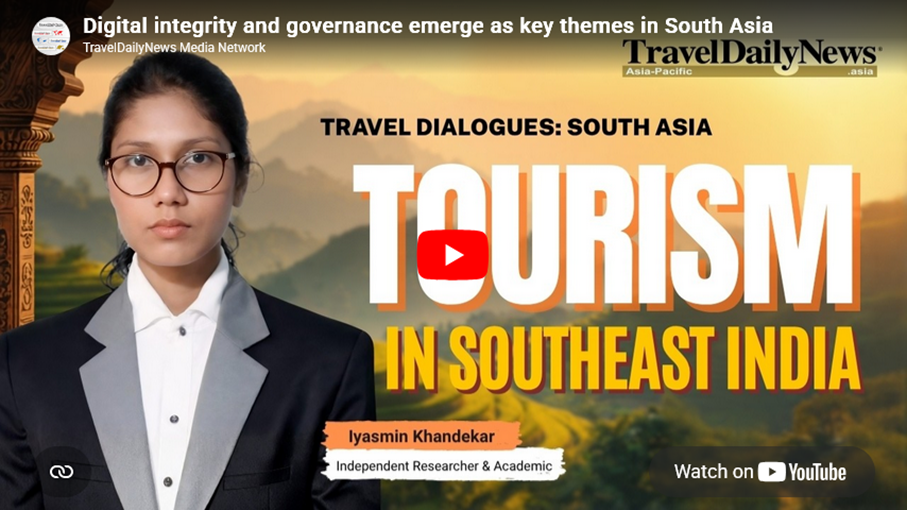
As mentioned last week, MTC and its partners TravelDailyNews Asia-Pacific and Tanneri Chaso have started the TRAVEL DIALOGUES SOUTH ASIA series of weekly podcasts concentrating on the development of Meaningful Tourism in South Asia, including Pakistan, India, Maldives, Sri Lanka, Nepal, Bhutan, and Bangladesh.
A short introduction video with the Avatar of your humble editor talking about the podcast series in English, Bangla, Hindi, Nepali, Singhalese and Urdu is also available on the MTC YouTube channel.
This week, the podcast featured your humble editor speaking with Iyasmin Khandekar, tourism researcher and Certified MTC trainer in India. The full podcast can be found here:
https://www.traveldailynews.asia/column/interviews/south-asia-tourism-resilience/
All videos are also available on MTC's YouTube channel.


This week's podcast focused on digital integrity and governance emerging as key themes in South Asia. According to the expert Iyasmin Khandekar, South Asia tourism resilience is increasingly being shaped by digital integrity, ethical governance, and stronger community participation.
Khandekar argues that digital integrity in tourism extends beyond promotional messaging and should reflect the alignment between a destination’s online narrative and its actual institutional performance. She notes that fragmented and exaggerated digital narratives, combined with misinformation and inconsistent visitor experiences, have contributed to a growing trust gap in parts of the Indian tourism sector. According to the discussion, destinations should increasingly treat digital communication as a governance mechanism rather than solely a marketing exercise.
The podcast highlights that claims related to safety, sustainability and local empowerment need to be supported by verifiable data to build credibility among international travellers, particularly as concerns over greenwashing continue to grow.
Khandekar emphasises the importance of rebuilding legitimacy through stewardship, procedural fairness and transparent communication with host communities and travellers alike. Ethical accountability, the discussion noted, plays a growing role in demonstrating resilience and reliability to global markets.
A key theme throughout the Travel Dialogues South Asia conversation is the need for stronger host community participation in tourism development. The Meaningful Tourism approach presented during the dialogue advocates co-creation, enabling local stakeholders such as artisans and homestay operators to shape their own tourism narratives and digital presence. Trainers and facilitators are described as acting as bridges between communities and broader tourism systems.
This collaborative model creates tourism products that are more authentic, resilient and socially inclusive, while also helping communities adapt to climate-related and operational challenges
West Bengal is presented in the podcast as an example of a destination with strong cultural and natural assets that remains underrepresented internationally due to fragmented branding and limited digital integration. It highlights opportunities to reposition the destination through an integrated digital narrative framework focused on resilience, transparency and year-round tourism development. Destinations such as the Sundarbans and Kolkata’s heritage areas were referenced as examples of locations with significant potential for Meaningful Tourism experiences.

The Travel Dialogues South Asia session also examines the imbalance between overtourism in established destinations and underpromotion in lesser-known regions. Popular tourism hubs including Goa, Shimla, Manali, and the Everest region are examples of destinations facing infrastructure pressure and congestion. At the same time, destinations such as Bishnupur and the coastal regions of West Bengal continue to receive limited international visibility despite their tourism potential, based partly on the insufficient digital integrity and limited regional cooperation.
Proposed solutions include developing transparent digital platforms for emerging destinations, encouraging regional collaboration across South Asia and shifting tourism models away from volume-driven growth towards value-based and resilience-focused development.
In the summary, the podcast concludes that South Asia’s tourism sector would benefit from stronger regional collaboration, with countries such as India, Nepal and Bhutan working together to create integrated tourism circuits and coordinated destination narratives. The development of a Meaningful Tourism Economy will plan an important role in this process.
New MTC Certified trainers joining the Meaningful Tourism network
In the coming week, several experts from different countries will participate in the final Train-the-Trainer session in May, ending their preparation with the certification as CTW trainers. In the coming editions of Meaningful Tourism, we will introduce them to our readers.
Meaningful Tourism Innovation Labs developing
If you ask as a traveller, a local inhabitant, an employee in a tourism or hospitality company, a company owner or manager, a politician or administrator or an NGO representing the interests of the environment if tourism does make them happy, the answer is probably No.
Tourism is often still organised for groups of tourists who want to relax and do some sightseeing based on little experience and information and with little concern about the consequences of their visit in an authentic setting dominated by normally friendly local service providers and inhabitants.
In fact, too many visitors concentrated on too few places at too limited a time with too limited customised offers are leading to dissatisfied visitors, annoyed locals, frustrated employees, unprofitable companies, erratic policies and severe environmental damages and accelerated climate change.
The answer is the establishment of a Meaningful Tourism Economy, providing material benefits and emotional satisfaction for all stakeholders involved, increasing the wellbeing of all concerned and using the opportunities of AI to improve, instead of destroy, transformational experiences in tourism.
However, how can, as a traveller, a host, an employee or owner of a micro-, small- or major company, a policymaker and a champion of the environment start today to move in small, concrete steps in the direction of a better tourism of the future and increased benefits and satisfaction for all?
Becoming a member of the Meaningful Tourism Movement starts with such small steps in the form of self-assessment, information, trainings, and workshops, all helping to find the orientation and the ways to walk into the right direction.
The Meaningful Tourism Innovation Lab (MTIL) is an important element of these offers, combining online and offline elements with a clear orientation for local improvement based on a proven global approach and a vision shared among others by the Pacific Asia Travel Association (PATA): A Meaningful Tourism Economy.
The MTIL is the structure which constitutes a physical meeting place for activities, exchanges of ideas and practical cooperation. The first Meaningful Tourism Innovation Lab is starting in the coming weeks in Kathmandu/Nepal, the seat of the HQ of the Meaningful Tourism Centre. The partner for the development of the MTIL is I:Stem, an innovative company with a lot of expertise and experience especially with regard to the implementation of AI in tourism. Further MTILs are already under debate for India, Pakistan, Bangladesh, West Africa and Turkiye.
Activities include trainings with a focus on Meaningful Tourism Economy tools, AI implementation within a Meaningful Tourism Economy, Innovation Lab intensive workshops, participation in regional and national tourism projects, source market familiarisation trainings and participation in tourism fairs and conferences.

Meaningful Tourism Community: The Meaningful Tourism Transformational Game Workshop Trainer
Dr. Nurgül Boz - Certified Trainer for Türkiye
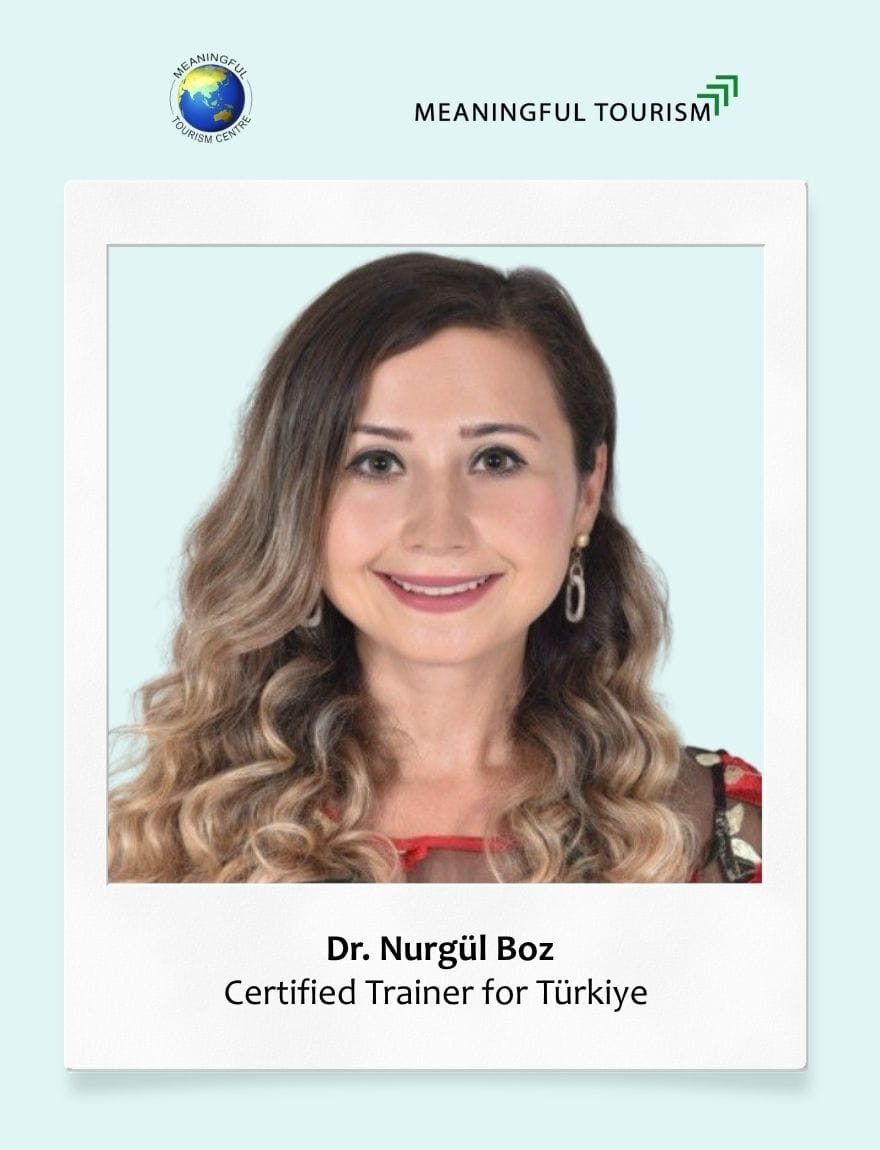
Dr. Nurgül Boz is an assistant professor at Alanya Alaaddin Keykubat University in Antalya, Turkey, specializing in gastronomy and culinary arts with over 15 years of professional and academic experience.
She was the first PhD graduate of the Gastronomy and Culinary Arts Doctorate Program at Akdeniz University, completing her doctoral studies under Prof. Dr. Bahattin Özdemir and a distinguished jury. Her research explores consumer innovativeness in gastronomy, entrepreneurial intentions in tourism education, and digital food trends, with a keynote presentation on the latter at ICMCER-Virtual-2025.
A globally engaged scholar, Dr. Boz has led Erasmus workshops, including hosting Namibian academics, collaborated with FERRANDI Paris, and presented at Istanbul’s “Colors of the World Expo” on meaningful, sustainable tourism. Her work has been published in prestigious Q1 journals such as Current Issues in Tourism and the Journal of Multidisciplinary Academic Tourism.
Dr. Boz’s contributions bridge academic research and practical applications, advancing sustainable gastronomy and tourism through innovative, culturally rich, and globally connected initiatives.
Dr. Nurgül Boz’s work exemplifies a dedication to fostering sustainable tourism and culinary arts, driving impactful research, and promoting global collaboration in the field.
The Meaningful Tourism Weekly explores:
"What is the current situation of tourism in Türkiye, and how can the Meaningful Tourism paradigm help support its development?"
Her answer...
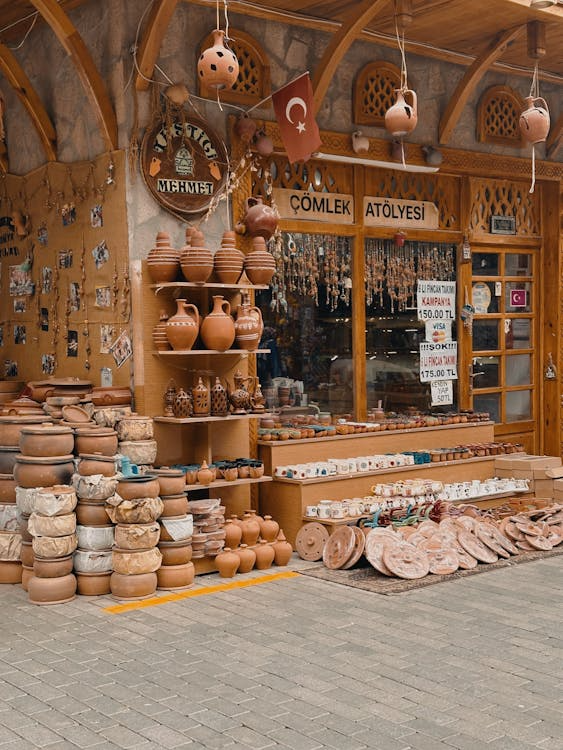
Tourism in Türkiye has been undergoing a dynamic transformation, especially in the aftermath of the COVID-19 pandemic. While traditional tourism destinations such as Istanbul, Antalya, and Cappadocia continue to attract millions of visitors, there is a noticeable shift towards more sustainable, localized, and experience-oriented travel. Türkiye's rich cultural heritage, diverse gastronomy, and natural landscapes provide fertile ground for developing deeper, more meaningful tourism experiences.
However, challenges persist. Overtourism in major cities, underdevelopment of rural destinations, and the environmental strain caused by mass tourism are ongoing issues. Moreover, the lack of inclusive strategies often limits the involvement of local communities in the tourism value chain. This is where the Meaningful Tourism paradigm, introduced by Prof. Dr. Wolfgang Georg Arlt, can offer transformative potential.
The Meaningful Tourism paradigm emphasizes creating value for all stakeholders—tourists, host communities, businesses, and the environment. In Türkiye’s context, applying this approach means empowering local producers, promoting cultural authenticity, and fostering respectful intercultural interactions. For instance, initiatives that support women entrepreneurs in culinary tourism, promote indigenous food practices, or encourage storytelling around intangible heritage can align well with Meaningful Tourism principles.
To move forward, policymakers, academics, and tourism professionals must collaborate to integrate Meaningful Tourism into national strategies. Doing so will not only strengthen Türkiye’s global tourism appeal but also ensure resilience, equity, and sustainability across the sector, transforming tourism into a powerful tool for inclusive development.
MTC Certified Trainers
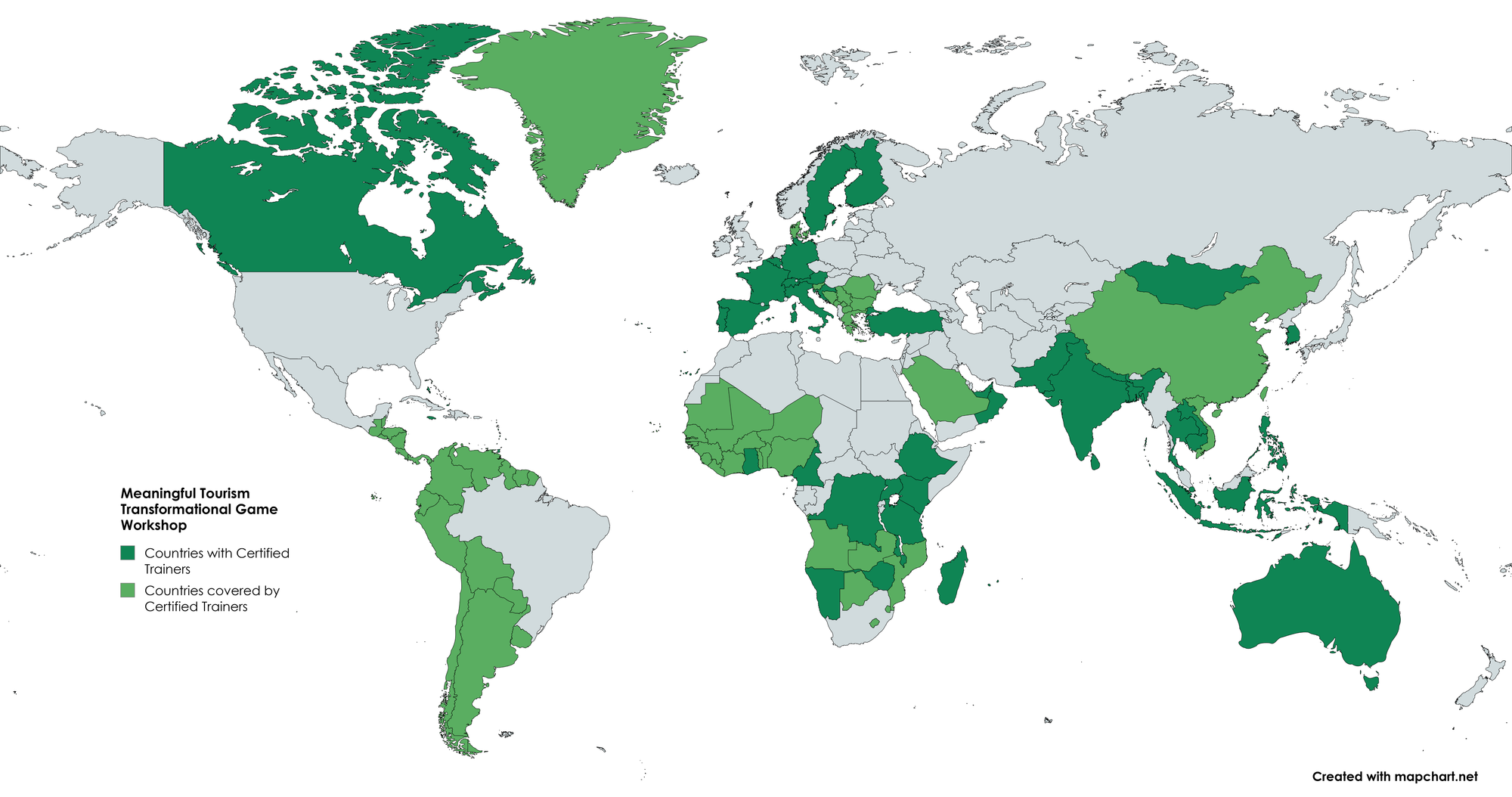
Please find below an overview of all our Certified Trainers for the Meaningful Tourism Transformational Game Workshop, along with the World Map showing the countries currently covered directly or indirectly.
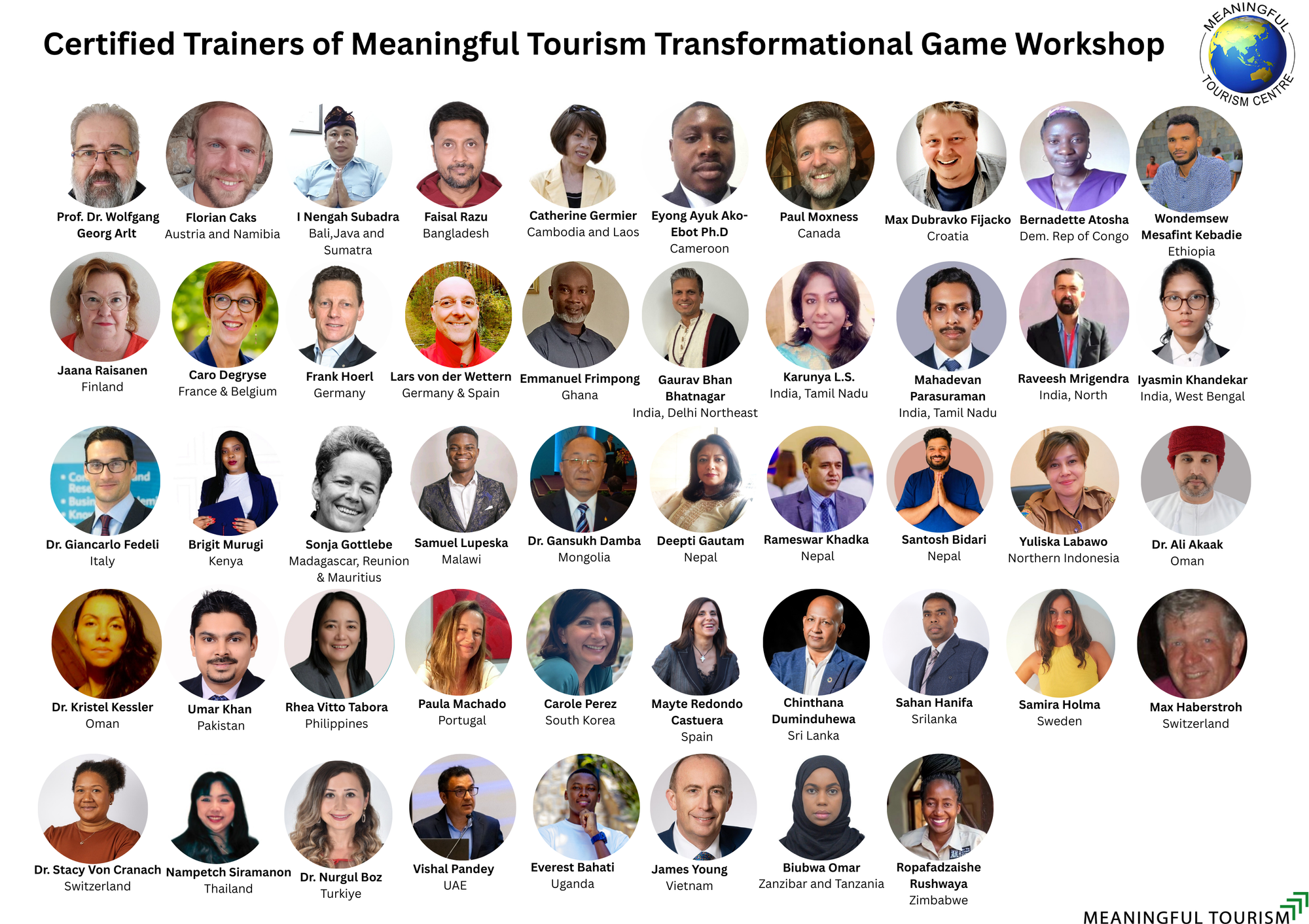
The network of MTC Certified Trainers is constantly growing. As shown on the map, many countries and regions worldwide are already served by dedicated experts. However, MTC is continuously looking for professionals with experience in training or lecturing and a passion for sustainable tourism to join the network and fill the blanks on the map.

PATA Annual Summit 2026

Pacific Asia Travel Association (PATA) is holding its Annual Summit 2026 in South Korea in the coming week, including the election of a new leadership. MTC is a proud member of PATA.
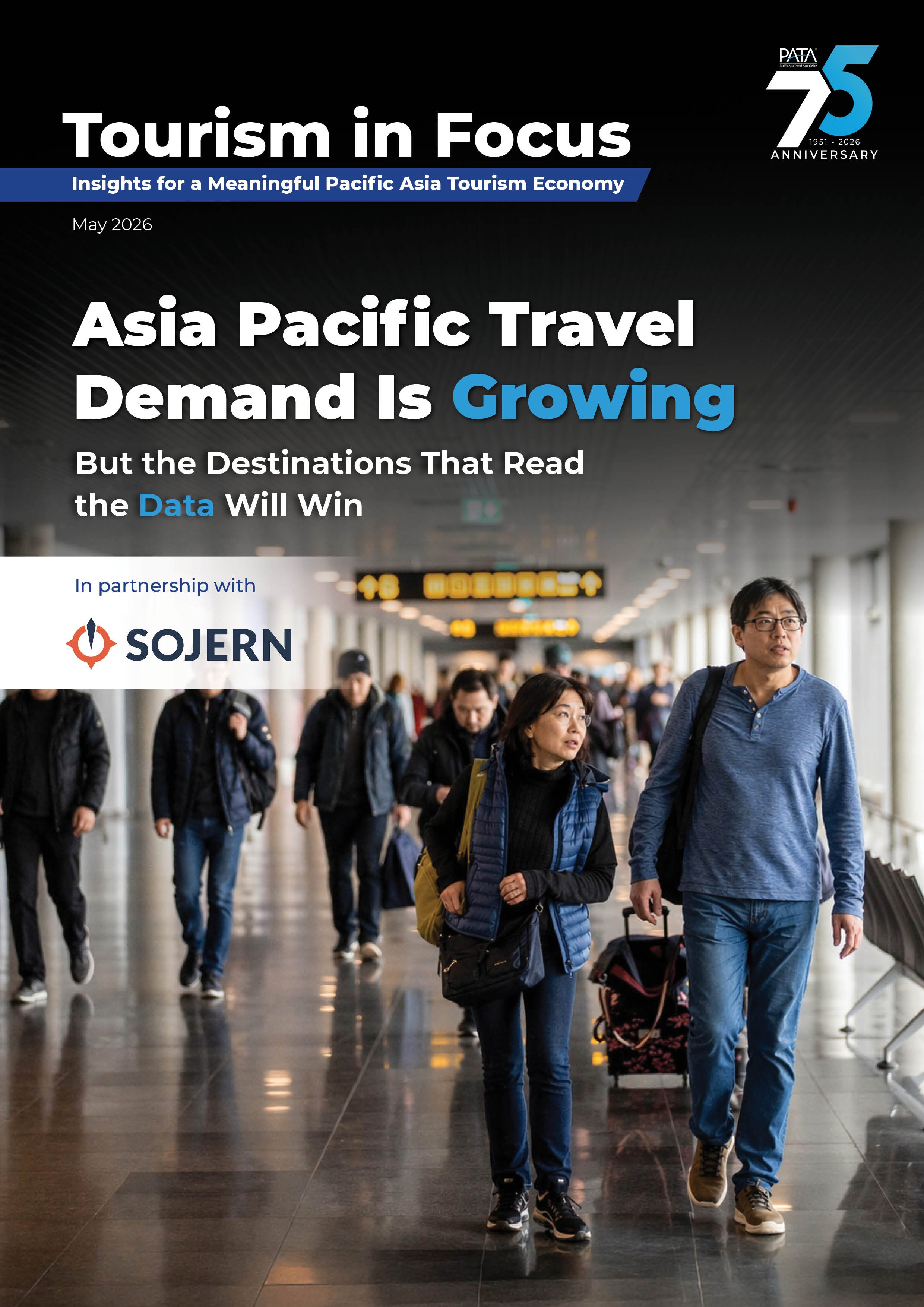
In preparation for the Summit, PATA also published the latest issue of Tourism in Focus – Insights for a Meaningful Pacific Asia Tourism Economy.
Meaningful Tourism Weekly readers can download it for free here:
About Meaningful Tourism Weekly
Meaningful Tourism Weekly is published every Thursday by Meaningful Tourism Centre (MTC) - London and Kathmandu in collaboration with Travel Asia Now, led by Rhea Vitto Tabora.
Each issue features an Editorial, updates on MTC activities, a Best Practice Example, a profile of an MTC-certified trainer, news about upcoming events, and, occasionally, additional op-ed pieces from guest authors. Carefully selected news items, including videos and podcasts, are also included, with links to their original sources in the Meaningful Tourism News section.
Subscription to Meaningful Tourism Weekly is free, with the addition of a paid content section that includes a library of surveys, exclusive articles, conference presentations, and statistical data, offering subscribers invaluable resources.
Sponsorship opportunities are available for those interested in supporting this initiative.
For more information about MTC's training programs, market research, product adaptation, consulting services, conferences, strategy development, and marketing, visit our website or email us at info@meaningfultourismcentre.org.