Meaningful Tourism welcomes new subscribers

Dear reader,
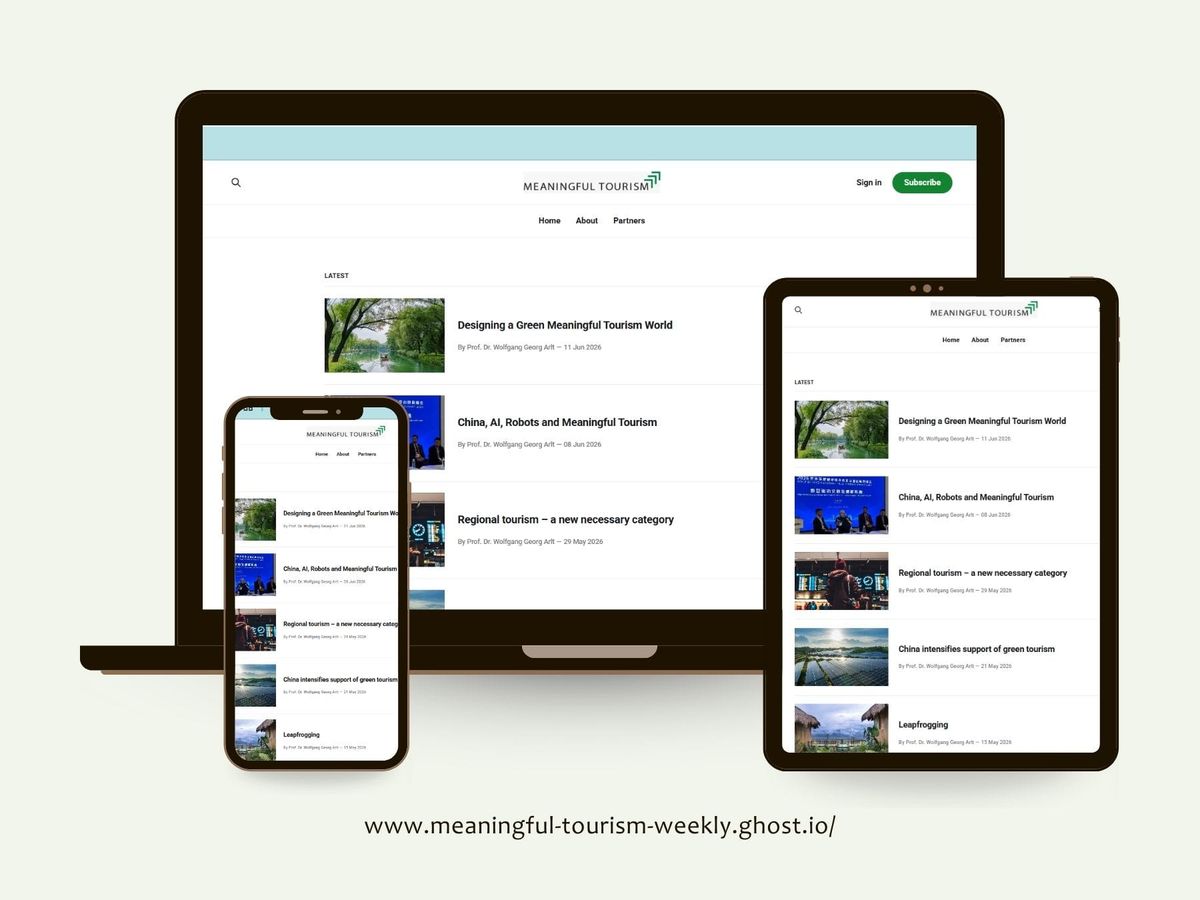
this week, we are very happy to welcome many new readers who have subscribed to the Meaningful Tourism Weekly Editorial newsletter on LinkedIn, the “little sister” of the full Meaningful Tourism Weekly Newsletter on https://meaningful-tourism-weekly.ghost.io/.
The editorial is covering each week different aspects of the development of tourism in the world from the perspective of the building of a Meaningful Tourism Economy, as also envisaged in the Vision Statement of Pacific Asia Travel Association (PATA).
Your humble editor, who has been given the nickname “PROF M” (M for Meaningful with a capital M), shares his thoughts, experiences and insights, based on research, feedback from the more than 40 partners and trainers around the world and sometimes personal experiences in almost fifty years of activity in tourism.
In the full edition this week, we are offering, besides this editorial, a guest article by the Iranian tourism philosopher Fereshte Rashvandi, who provides a very special perspective on the Meaningful Tourism approach.
In the MTC News, a report from the 15th Asian Tourism Forum, which was being held in Ulaanbaatar, is documenting the global level of Meaningful Tourism Movement.
We also have the pleasure to offer the updated information about the Self-Assessment process as an easy and cost-efficient way for SMEs and small organisations to start walking along a path towards sustainability, profitability and indeed survival as a member of the Meaningful Tourism Movement.
Furthermore, there is information about the eBook bringing together the 25 best editorials of the last twelve months (July 2025 – June 2026) that is nearing completion.
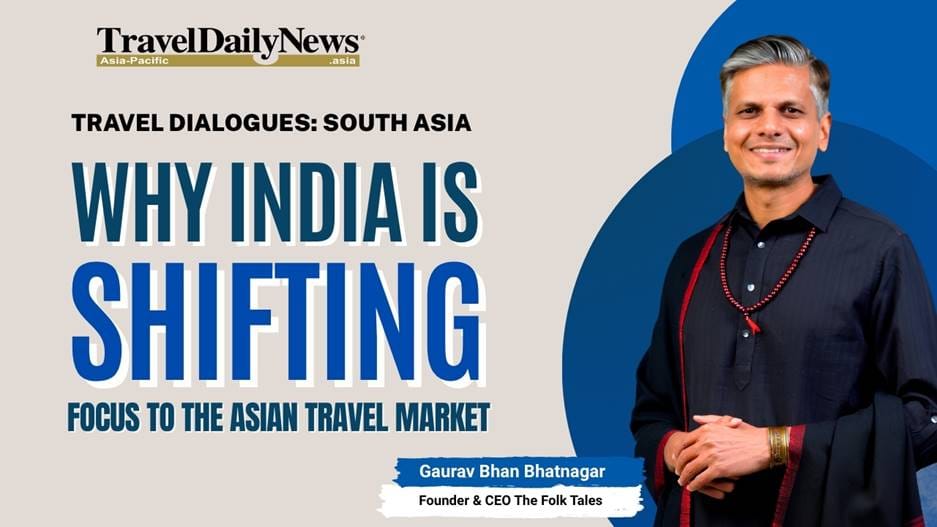
Next to the editorial, MTC news and the guest article, there is more: A summary of the Travel Dialogues South Asia, where this week your humble editor is speaking with Gaurav Bhan Bhatnagar, founder of Folk Tales about the new direction tourism in India is taking.
As mentioned before, all this content is available for free from the full edition of Meaningful Tourism Weekly at https://meaningful-tourism-weekly.ghost.io/. By subscribing to the full edition, you will guarantee to receive the weekly edition to your email box.
For all readers, including those who joined long ago, the last days brought some hope that the war in the Middle East or at least the energy crisis might come to an end soon. The basic challenges – and opportunities – of climate change, AI and changing customer demand and behaviour however have not changed and the need to build a Meaningful Tourism Economy is becoming more and more apparent. For some companies and destinations that might mean increased resilience and profitability, for others it is no less than a question of survival.
As always, all best wishes from the Meaningful Tourism Weekly team in Kathmandu and Manila, and from the whole Meaningful Tourism community to all our readers!


Travel Dialogues South Asia podcast
Sustainable tourism in India: community models and future growth
The evolution of sustainable tourism in India was explored in the latest Travel Dialogues South Asia discussion between your humble editor and Gaurav Bhan Bhatnagar, founder of Folktales, a company focused on community-centric travel experiences.
A shift towards meaningful and community-based tourism
The Indian tourism sector is undergoing a transition towards more meaningful and experience-driven travel. This shift is reflected in the emergence of models that prioritise storytelling, cultural immersion and direct engagement with local communities.
Folktales, founded in 2013, represents this approach by designing tailor-made experiences that go beyond traditional sightseeing. The focus is on creating value for all stakeholders, including tourists, local communities, service providers and authorities, while ensuring that communities actively participate in shaping tourism products.
Within this context, sustainable tourism in India is increasingly associated with inclusivity, authenticity and long-term socio-economic benefits.
Current tourism dynamics and infrastructure progress
India has experienced strong growth in domestic tourism, particularly in the post-pandemic period, where internal travel has surpassed international arrivals. Government initiatives and improved infrastructure have played a key role in supporting this trend.
Developments in airports, road networks and digital payment systems have enhanced accessibility and convenience for travellers. While visa processes have improved, further streamlining is required to strengthen international competitiveness.
Despite these advances, international tourism remains largely concentrated on well-known attractions such as the Taj Mahal, along with yoga and Bollywood-related experiences. This concentration limits the visibility of the country’s broader tourism offering.
Addressing overtourism and unlocking new destinations
A major challenge for sustainable tourism in India is the imbalance between heavily visited destinations and underexplored regions. Popular locations such as Agra, Jaipur, Goa and Kerala face overcrowding, while culturally and environmentally rich areas remain largely untapped.
Regions including the Himalayas, Northeast India, eastern coastal areas and tribal regions offer significant potential for diversification. Promoting these destinations through storytelling and targeted digital communication is seen as essential for redistributing visitor flows and enhancing destination resilience.
Community empowerment through tourism models
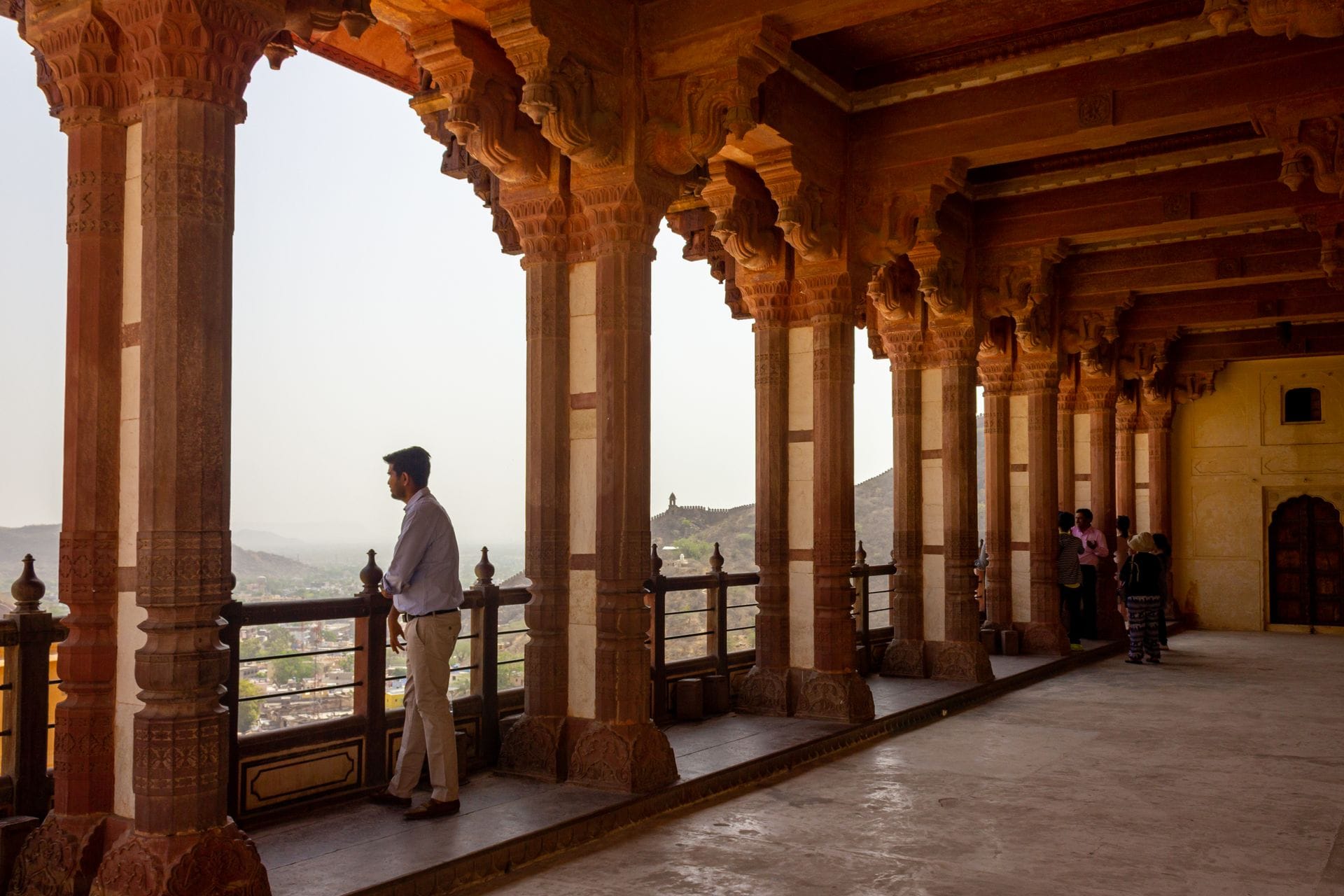
A key component of sustainable tourism development is the integration of local communities as equal stakeholders. Traditional tourism models often position communities as passive participants, whereas newer approaches aim to involve them directly in the design and delivery of experiences.
Folktales’ model focuses on taking travellers into communities rather than bringing communities into tourism spaces. This includes immersive cultural activities, workshops with artisans and interactions with local professionals, such as conservationists and heritage specialists.
Artisans are compensated for their participation regardless of product sales, ensuring direct economic benefit and reinforcing their role as active contributors to the tourism value chain. The use of “storytellers” instead of conventional guides further enhances the experiential dimension of travel.
Expanding into new source markets
Looking ahead, there is increasing recognition of the potential to attract travellers from Asian markets. Countries such as Japan, South Korea, Singapore, Vietnam and Thailand present opportunities due to cultural connections, particularly through Buddhism, as well as growing middle-class demand for travel.
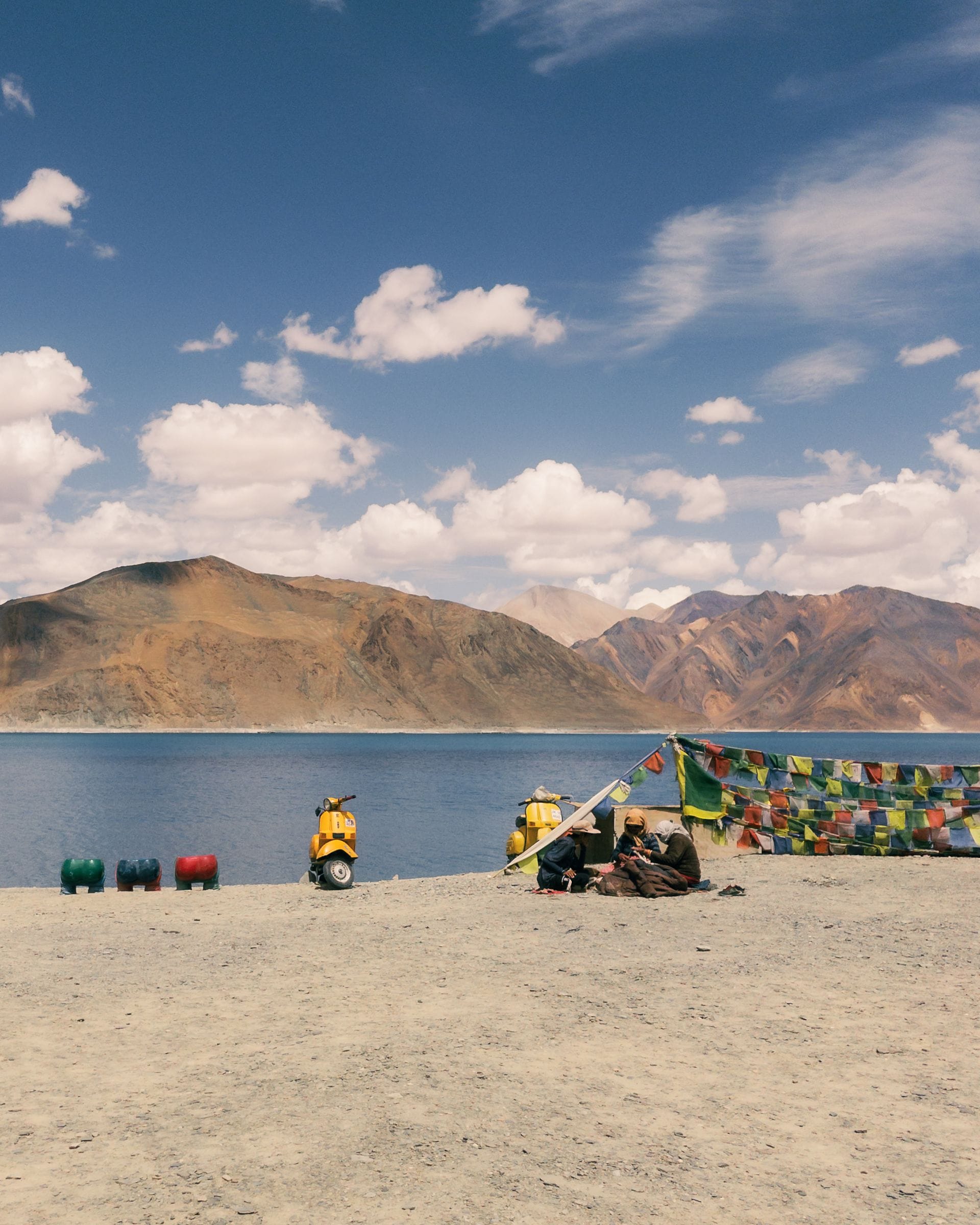
Destinations such as Ladakh, Sikkim and Arunachal Pradesh offer strong potential for developing Buddhist tourism circuits and wellness-focused experiences. At the same time, culinary similarities between Northeast India and Southeast Asia provide additional opportunities for market alignment.
The development of sustainable tourism in India will depend on effectively positioning these experiences to new audiences, while maintaining authenticity and avoiding over-commercialisation.
Outlook for sustainable growth
The future of sustainable tourism in India is closely linked to its ability to balance growth with inclusivity and community engagement. By expanding beyond traditional destinations, strengthening local participation and targeting new markets, the country can enhance its global tourism positioning.
The emphasis on storytelling, cultural preservation and direct economic impact creates a foundation for long-term development, ensuring that tourism contributes meaningfully to both local communities and the broader economy.
Full text in TravelDailyNews.asia
Meaningful Tourism in Mongolia
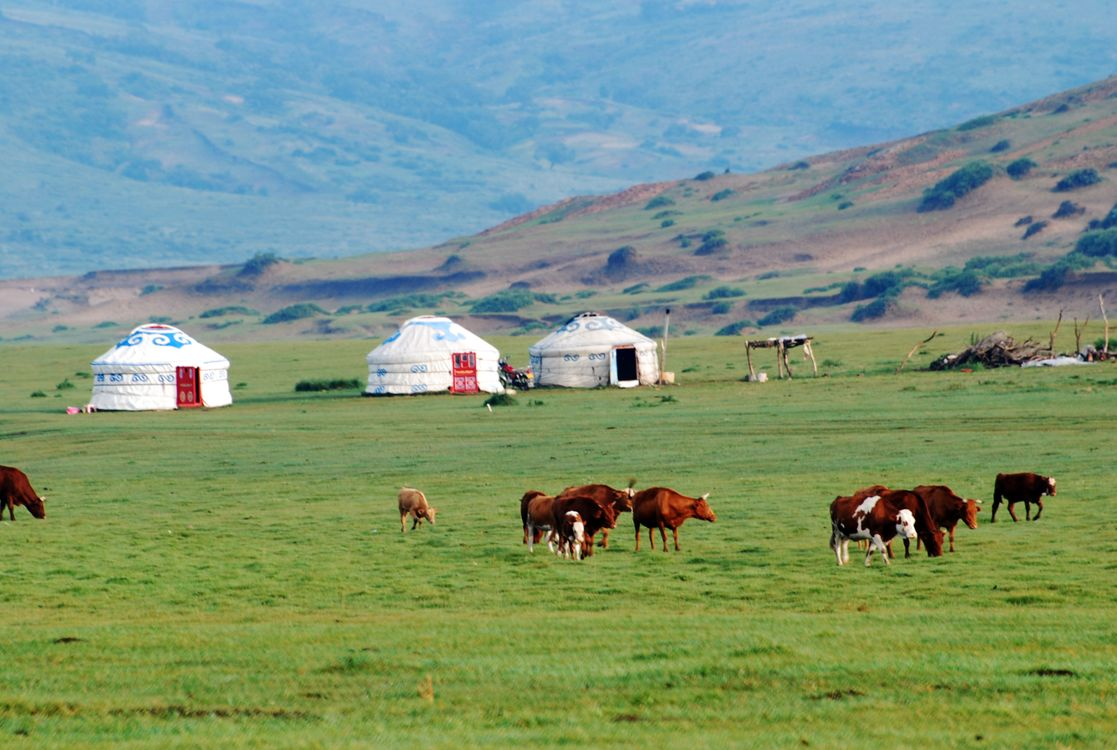
Last week, the 15th Asian Tourism Forum was being held in Ulaanbaatar with the theme “The Asian Paradigm of Hospitality and Tourism,” bringing together more than 100 leading tourism experts, researchers, policymakers, and industry executives from 22 countries.
The forum was jointly organized by Mongolia’s Ministry of Culture, Sports, Tourism and Youth, the Ulaanbaatar Tourism Department, the Mongolian Tourism Association, Hong Kong Polytechnic University, and the Tourism Education and Development Society.
Since its establishment in 1993, the Asian Tourism Forum has served as an important platform for discussing tourism trends, hospitality management, marketing innovation, and sustainability challenges throughout Asia.
Delegates from South Korea, Australia, China, Sri Lanka, Cambodia, the United States, Germany, and other countries are discussing some of the most pressing issues shaping the future of tourism in Asia. Topics include sustainable tourism development, digital transformation, artificial intelligence, service robotics, environmental and social governance standards, workforce development, and regional cooperation.
For Mongolia, however, the conference represented more than an academic gathering. It is a statement of ambition from a country seeking to transform tourism into one of the pillars of its economic diversification strategy.
This year’s gathering in Ulaanbaatar arrived at a pivotal moment for Mongolia’s tourism sector. The country’s tourism industry stands at the intersection of opportunity and responsibility.
During the 15th Asian Tourism Forum in Ulaanbaatar, Prof. em. Dr. Wolfgang Georg Arlt FRGS FRAS, Executive Director of the Meaningful Tourism Centre Ltd, together with Prof. Dr. Damba GANSUKH, Chairman of the Sustainable Tourism Development Center of Mongolia, and Certified MTC trainer for Mongolia, presented their latest research titled “A Meaningful Tourism Approach to Nomadic Tourism Development: A Case of Mongolia”.
Executive summary:
Mongolia aims to welcome 2 million international visitors by 2030, generating more than USD 3 billion in tourism spending and creating substantial employment and economic benefits across the country. Achieving this ambition requires the development of high‑quality nomadic tourism products, improved infrastructure, and stronger integration of herder households into tourism value chains.
To support this national goal, UNDP/PAGE initiated a comprehensive study to design the Ger and Nature (G&N) scheme, a concept intended to strengthen nomadic tourism through sustainable, market‑driven, and culturally grounded approaches. The study assessed tourism demand, emerging global trends, and the potential of nomadic culture‑based eco‑tourism. It also examined the likely environmental, economic, and social impacts of the G&N scheme, with particular attention to the participation of herder families and the inclusion of local communities.
Building on this foundation, the MTC Meaningful Tourism Centre has recently emphasized the need for countries to transition toward a sustainable Meaningful Tourism economy—one that ensures benefits for all stakeholders. In this context, the research applied the Meaningful Tourism approach to evaluate how nomadic tourism in Mongolia can be improved in terms of product quality, organization, sustainability, business volume, and profitability.
The study specifically analyzed the roles and expectations of key stakeholders in nomadic tourism—herders, tour operators, government bodies, local communities, and visitors—and identified the challenges that may arise during the implementation of the Meaningful Tourism Game Workshop, a participatory tool designed to co‑create solutions and strengthen collaboration.
Overall, the research provides a structured pathway for developing a high‑quality, inclusive, and sustainable nomadic tourism model that aligns with Mongolia’s long‑term tourism vision.
Easy start for SMEs and small companies to become a Meaningful Tourism Movement Member
As a special service available only for SME and micro companies or organisations with up to 10 employees, a guided Self-Assessment provides a fast track to analyse the situation of your company or organisation using Meaningful Tourism SMART Key Performance Indicators and to identify two areas where improvement is necessary and possible.
See the information on how to become a Certified Meaningful Tourism Movement Member (Level 1) for two years for less than 100 USD. Please download the information brochure below.
For individual persons, and travel companies and organisations of all sizes, MTC is offering online and offline trainings. Participation will lead to Level 1 or Level 2 certification.
Detailed information can be found at https://mt.meaningfultourismcentre.org/mtc-services-and-products/.
New eBook “Meaningful Tourism Weekly – The best 25 Editorials July 2025 to June 2026”
For all old and new subscribers of the Meaningful Tourism Weekly a new publication will be offered by MTC from next month, bringing together the best 25 Editorials of the past twelve months in one easy to read and search eBook.
The good news: All travel companies and individual customers using the services of MTC before the end of June 2026 will receive a free copy of the eBook.

From Consumption to Encounter: Rethinking the Meaning of Travel
By Fereshte Rashvandi
In recent decades, tourism has been measured almost exclusively through the language of growth. We track arrivals, overnight stays, and visitor spending as the primary signs of success. Yet, framing travel only through these numbers narrows its true purpose. When tourism is organized solely around consumption, places are reduced to stages for our convenience, and local communities are turned into service providers. This is not a judgment against enjoyment, but a practical question: what is lost when we reduce the act of travel to mere consumption? To rethink this, we must look at three core pillars of travel: how we meet others, how we inhabit a place, and how we take responsibility for our presence.

The first pillar is the quality of our encounters. Travel offers the rare chance to step outside our bubble and meet people whose lives, landscapes, and perspectives differ from our own. These meetings can remain thin, limited to the quick transactions of a customer buying a service, or they can become moments of genuine human connection. If we look beyond the labels of "host" and "guest," we see the potential for a deeper exchange. Every interaction is a chance to recognize the other person as someone with their own history, struggles, and dreams. Moving from an efficient service transaction to a meaningful human contact is the foundation of a transformative journey. It is about shifting from seeing the "other" as a means to our holiday experience, to seeing them as a partner in our shared world.
The second pillar is how we inhabit a place. Modern travel often rewards speed—we want to see more, move faster, and squeeze as many destinations into our itinerary as possible. In this race, places become mere points on a map rather than environments where we stay long enough to notice the natural rhythm of life. To truly experience a place, we must "dwell" there, even if only for a short time. This means being fully present and paying attention to the everyday habits that make a destination unique. We must act to protect the spirit and specific character of a place, ensuring it isn’t erased by the constant demand for mass-market attractions. This is the difference between consuming a destination as a backdrop for a photo and experiencing it as a living, breathing home for its residents.
The third pillar is our ethical responsibility. When we travel, our presence is never neutral—it always has an impact. When we enter spaces where others live and work, our choices have consequences. We must recognize that the people we encounter have a right to be respected. Destinations are not just products; they are living systems that require care. When we align our travels with the long-term well-being of the local community and the health of their environment, we transform tourism from a model of extraction—taking what we want—into a model of partnership. This is the ultimate ethical shift: recognizing that our presence should leave the destination, and the people within it, in a state of dignity and health.

From Theory to Practice
Moving from consumption to encounter is a practical necessity. In practice, this means moving away from "must-see" checklists toward intentional engagement. For the traveler, this means choosing locally-owned homestays or spending an afternoon in a neighborhood café rather than focusing solely on crowded landmarks. Consider community-based tourism, where visitors participate in local craft workshops or learn about traditional farming. Here, the "product" is not a sight to be consumed, but a shared experience that respects the artisan and adds depth to the traveler's perspective. Such simple actions bridge the gap between abstract ideals and the reality of travel.
Conclusion
Meaningful tourism is not a niche product or a marketing label; it is a fundamental redefinition of the purpose of travel. By integrating economic goals with these three pillars—human connection, mindful presence, and ethical responsibility—we transform the visitor from a mere consumer into an active partner.
As the industry evolves, this transition is not a luxury, but a requirement for a sustainable future. I invite you to reflect: what practices have helped you move beyond the role of a consumer to that of a true guest? I would be delighted to hear your thoughts on how we might foster such meaningful encounters in the destinations we visit and manage.
About the Author
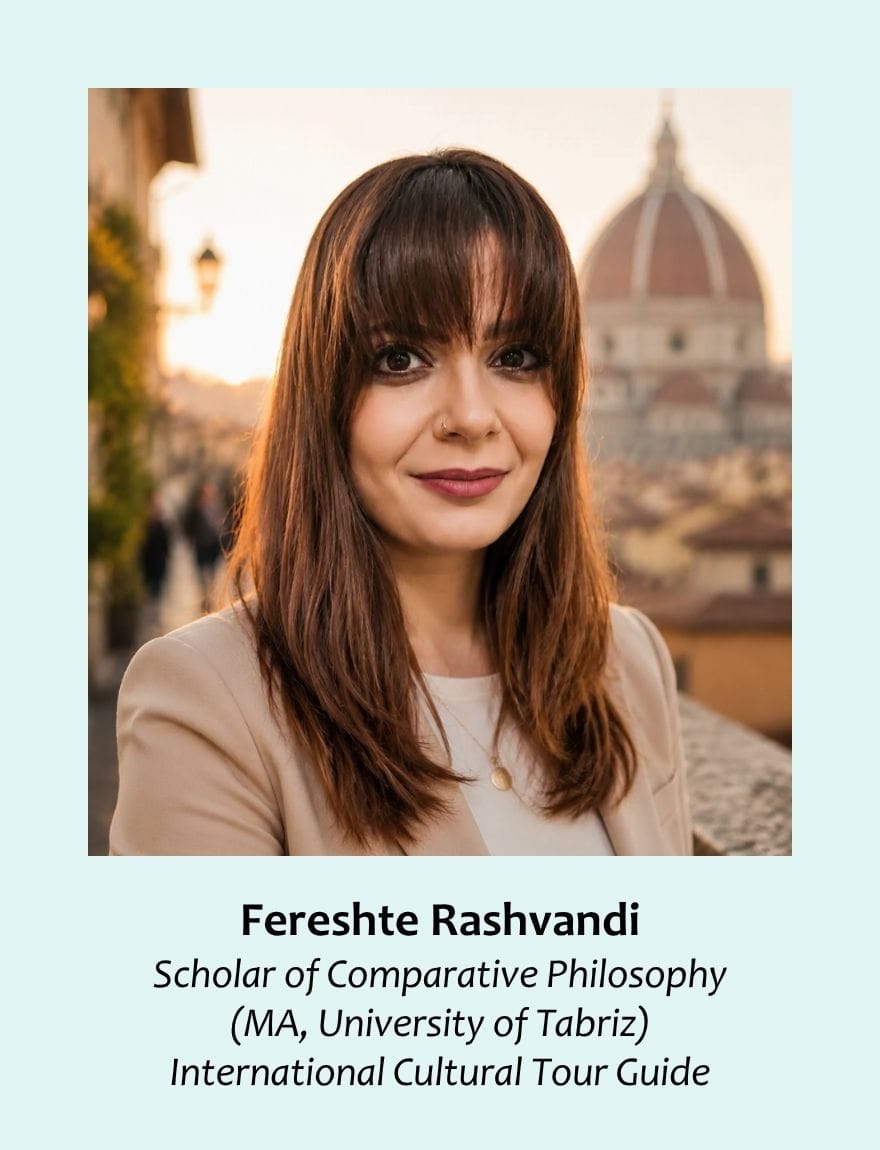
Fereshte Rashvandi is a scholar of Comparative Philosophy (MA, University of Tabriz) and an international cultural tour guide. Her research interests lie at the intersection of continental philosophy and the ethics of tourism, drawing upon the phenomenological insights of Heidegger and Merleau-Ponty, the dialectics of Hegel, the ethics of alterity of Levinas, and the critical observations of Benjamin.
Fereshte’s work explores how travel can transcend mere consumption to become a site of meaningful encounter—an ethical space where host and guest engage in mutual recognition. Having navigated both the complexities of organizational management in the arts and the hands-on realities of guiding in diverse cultural landscapes, she bridges the gap between abstract theory and destination practice. Her multidisciplinary background allows her to translate profound philosophical inquiries into actionable strategies for sustainable, human-centric, and truly “meaningful” tourism.

Meaningful Tourism Community: The Meaningful Tourism Transformational Game Workshop Trainer
Paula Machado - Certified Trainer for Portugal
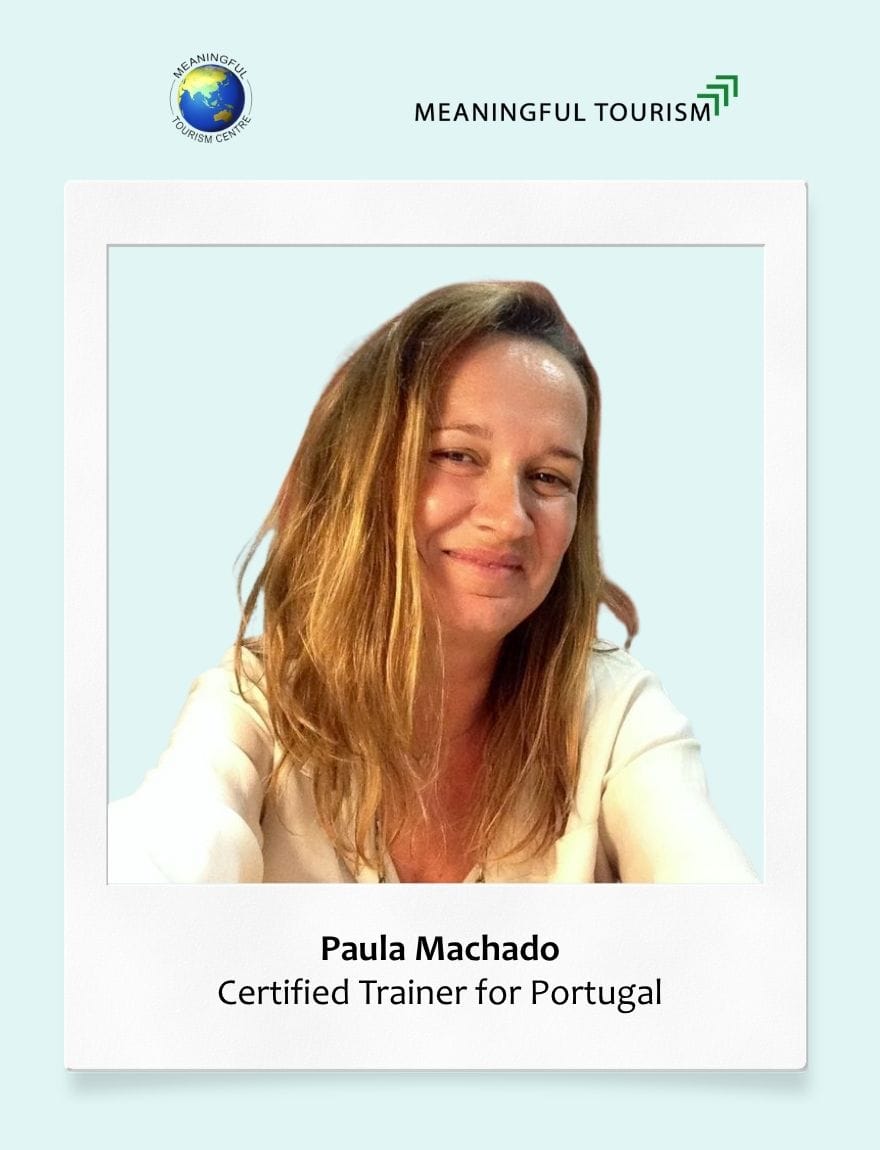
Paula Machado brings over 18 years of extensive international experience in tourism, spanning public administration, sustainability consulting, and tourism promotion across Europe and Asia.
As the founder of SusTravel, she offers specialized services to public and private organizations to develop and implement sustainable tourism strategies aligned with global Environmental, Social, and Governance (ESG) standards.
A certified Travelife Coach and Auditor, Paula has successfully guided numerous tourism businesses in achieving sustainability certification and embedding responsible practices into their operations.
She holds a Law Degree from the University of Macau, complemented by advanced training in Tourism Management and Sustainability, enabling her to combine legal expertise with strategic vision and a deep commitment to fostering transformative and responsible tourism development.
Meaningful Tourism Weekly: What is the current situation of tourism in Portugal, and how can the Meaningful Tourism Paradigm help to support its development?
Paula: Tourism in Portugal is thriving. In 2023, the country welcomed 30 million guests and recorded 77.2 million overnight stays, surpassing pre-pandemic levels. Of these, 53.8 million were by international visitors, while domestic tourism remained strong with 23.4 million stays (about 30% of the total). In 2024, preliminary data shows further growth, with 31.6 million guests and 80.3 million overnights, marking a 4% year-on-year increase.
Tourism now contributes approximately 16.5% of the national GDP, reflecting its vital role in the Portuguese economy.
However, this success brings challenges—overtourism in cities and coastal areas, housing pressure due to short-term rentals, regional imbalance, and environmental stress in fragile ecosystems. Portugal must now manage growth without undermining the cultural and natural assets that make it attractive.

How can the Meaningful Tourism paradigm support its development?
The Meaningful Tourism paradigm offers a practical framework for addressing these challenges by aligning the interests of six key stakeholders: visitors, host communities, employees, service providers, governments, and the environment.
Instead of focusing on trade-offs, it promotes shared value through the creation of SMART Key Performance Indicators that measure both impact and satisfaction.
Workshops like the Meaningful Tourism Transformational Game allow stakeholders to explore real-world issues through role-play and collaborative solution-building. This approach encourages sustainable strategies tailored to local realities, helping Portugal evolve into a model of resilient, inclusive, and meaningful tourism, where economic success is balanced with social and environmental responsibility.
MTC Certified Trainers
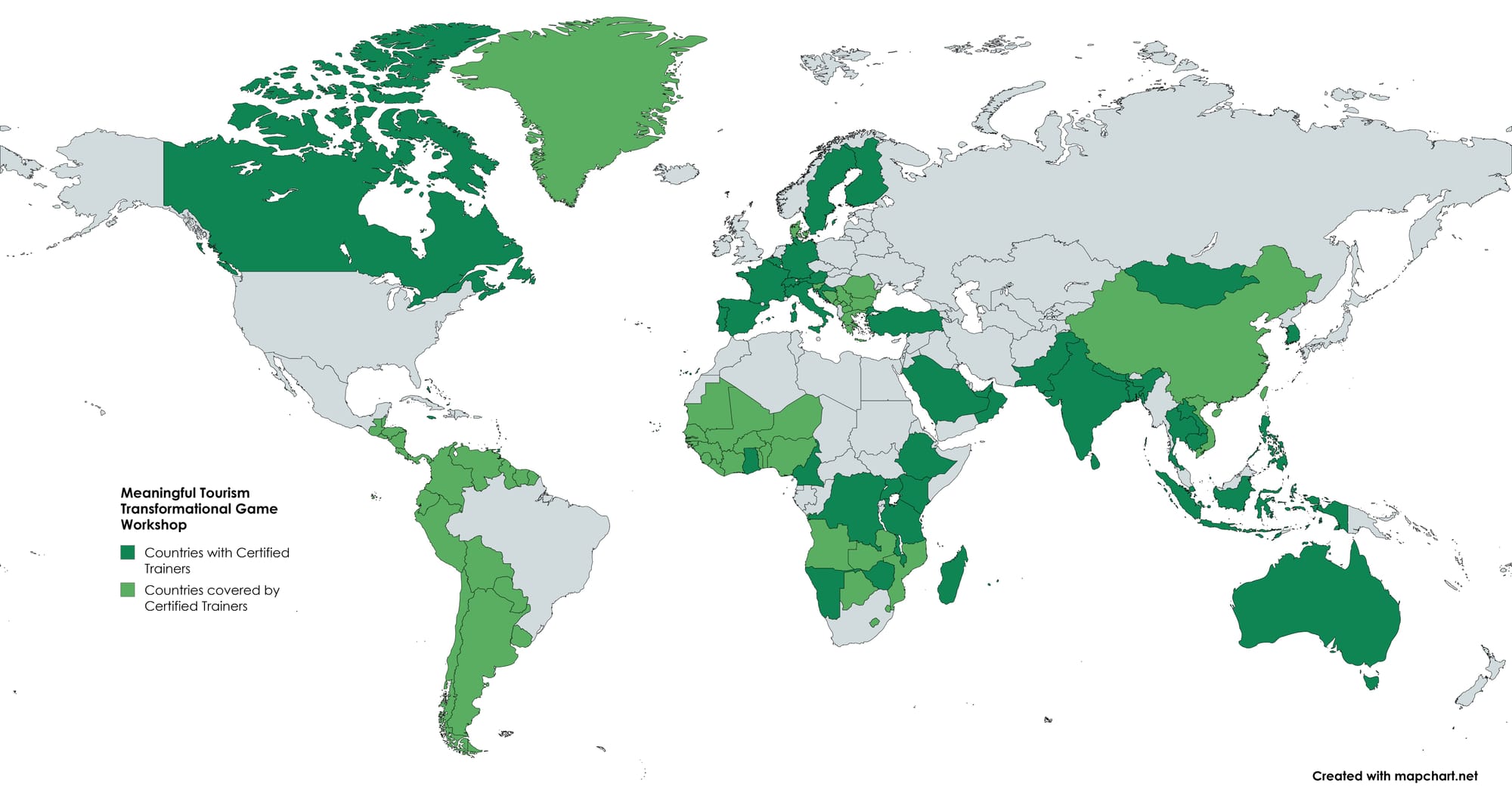
Please find below an overview of all our Certified Trainers for the Meaningful Tourism Transformational Game Workshop, along with the World Map showing the countries currently covered directly or indirectly.
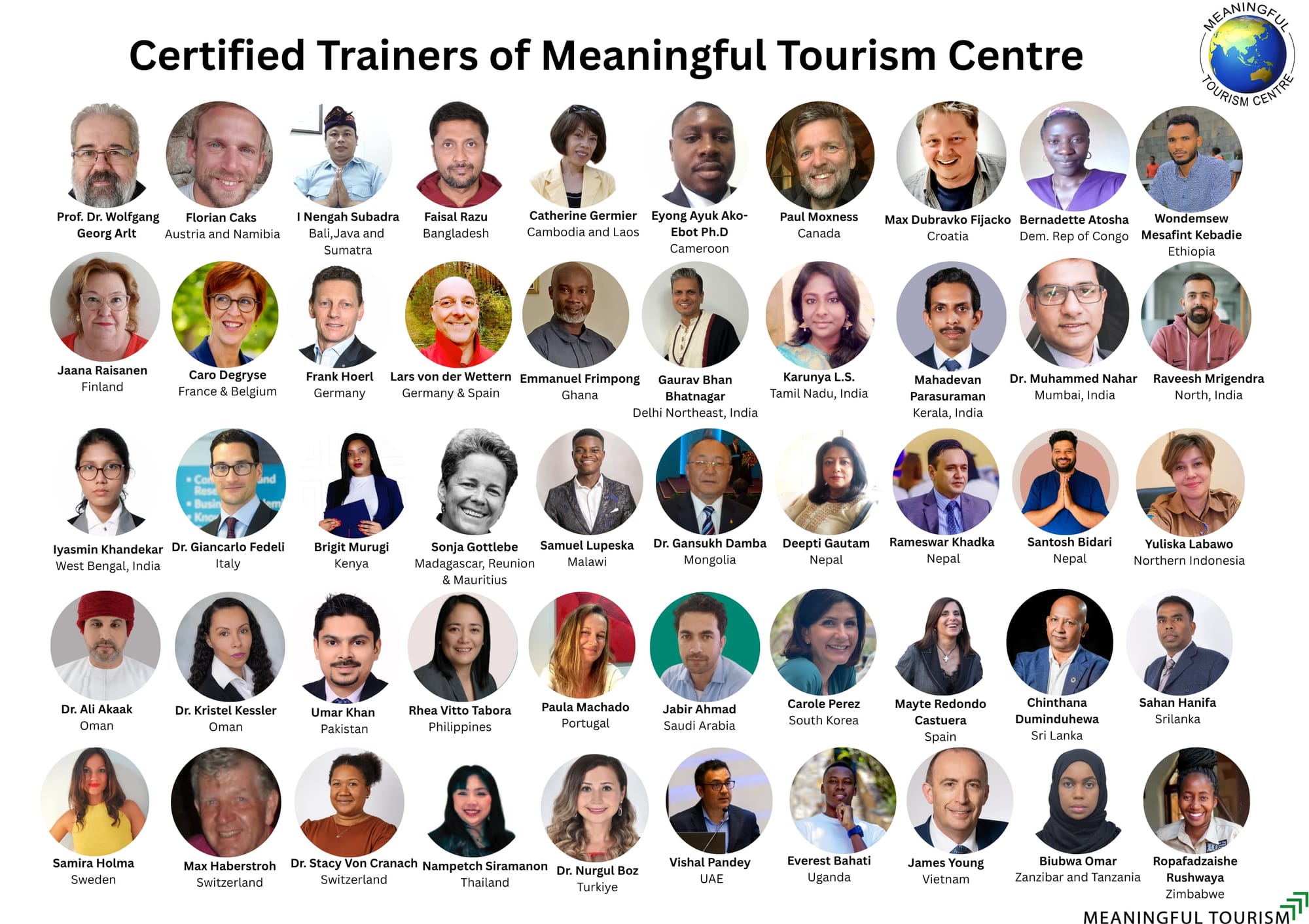
The network of MTC Certified Trainers is constantly growing. As shown on the map, many countries and regions worldwide are already served by dedicated experts. However, MTC is continuously looking for professionals with experience in training or lecturing and a passion for sustainable tourism to join the network and fill the blanks on the map.
About Meaningful Tourism Weekly
Meaningful Tourism Weekly is published every Thursday by Meaningful Tourism Centre (MTC) - London and Kathmandu in collaboration with Travel Asia Now, led by Rhea Vitto Tabora.
Each issue features an Editorial, updates on MTC activities, a Best Practice Example, a profile of an MTC-certified trainer, news about upcoming events, and, occasionally, additional op-ed pieces from guest authors. Carefully selected news items, including videos and podcasts, are also included, with links to their original sources in the Meaningful Tourism News section.
Subscription to Meaningful Tourism Weekly is free, with the addition of a paid content section that includes a library of surveys, exclusive articles, conference presentations, and statistical data, offering subscribers invaluable resources.
Sponsorship opportunities are available for those interested in supporting this initiative.
For more information about MTC's training programs, market research, product adaptation, consulting services, conferences, strategy development, and marketing, visit our website or email us at info@meaningfultourismcentre.org.