Leapfrogging



Dear reader,
international tourism is still based on a relatively small number of destinations receiving the majority of visitors. France alone was visited by more international guests than the whole continent of Africa together. Similarly, the four most visited cities, Bangkok, Hong Kong, London and Macau together reach the same number of arrivals as France.
One way for Least and Less Developed Countries (LDCs) to catch up can be leapfrogging. By establishing a Meaningful Tourism Economy, they have a chance to build strong tourism sectors without copying the damaging paths taken by many established destinations. Instead of following a linear route from low-value, mass tourism to higher-quality, sustainable models, LDCs can “jump ahead” by adopting advanced technologies, policies, and holistic strategies and practices from the start. This approach can help them avoid environmental degradation, cultural erosion, and unstable, low-wage tourism economies.
One of the most important areas for leapfrogging is environmental management. Many mature destinations expanded quickly with little regard for ecosystems, allowing uncontrolled coastal development, overuse of water, and pollution. LDCs can instead adopt strict land-use planning and environmental impact assessments before growth surges. For example, they can prioritize eco-lodges, small-scale community-owned accommodation, and protected areas rather than large all-inclusive resorts. Using modern, AI-based tools such as satellite mapping, climate risk modelling, and smart water and energy systems, they can manage visitor flows and resource use from the outset, preserving natural assets that are often their main draw.
Technology enables further leapfrogging. Instead of investing heavily in traditional travel agents and printed marketing, LDCs can build tourism around digital platforms, mobile payments, and data analytics. This allows them to reach international markets at lower cost, support local entrepreneurs to sell directly to visitors, and gather real-time information about demand and impacts. Digital tools can also support visitor management, such as timed-entry booking for popular sites and apps that guide tourists to less-visited areas, reducing pressure on fragile hotspots.

In terms of social and cultural impacts, many established destinations failed to protect local communities from displacement, loss of access to resources, and cultural commodification. LDCs can learn from these mistakes by embedding community participation and benefit-sharing into tourism from the beginning. Leapfrogging here means designing policies that require local ownership stakes, employment quotas, and fair contracts with global operators. It also involves early investment in training for local guides, managers, and artisans so that higher-value jobs stay within the community. Strong cultural policies can ensure that traditions are presented on local terms rather than shaped purely by tourist demand.
The approach of Meaningful Tourism which demands the creation of objective benefits and subjective satisfaction for ALL stakeholders, measured by transparent SMART KPIs (Key Performance Indicators) will provide tools for the development and control of such policies.
Economic structure is another area where leapfrogging is crucial. Traditional tourism models often rely on low wages, seasonal jobs, and high levels of profit repatriation by foreign companies. LDCs can instead prioritize higher-yield, lower-volume tourism that focuses on quality experiences rather than sheer numbers. They can promote niche segments such as ecotourism, cultural tourism, adventure tourism, and wellness and wellbeing retreats that attract visitors willing to pay more, stay longer, and respect local norms. Strategic incentives can attract investors who align with long-term sustainable goals, while discouraging speculative, short-term projects which often result in high levels of leakage of the economic benefits.
Finally, leapfrogging in governance means setting up integrated tourism planning to move towards a Meaningful Tourism Economy from the start, rather than trying to regulate after problems appear. Cross-sector coordination between tourism, environment, infrastructure, and culture ministries in connection to local communities and NGOs can ensure coherent policies. LDCs can adopt international best practices and standards early on, drawing on lessons from destinations that have successfully shifted to sustainable models.
China has shown a high level of adaptivity to the concept of leapfrogging. It went from no private cars to EVs, from no landline telephones to Smartphones, from cash directly to mobile payment.
In international tourism, the first phase of recreational trips was left out going directly to sightseeing and shopping and the phase of experiences was left out going directly to transformational travels.
In sum, leapfrogging allows LDCs to turn their latecomer status into an advantage. In some areas, especially telecommunication and banking, such jumps occurred in many countries. By learning from others’ mistakes and using modern tools and policies from the outset, and by translating the experiences with online services into tourism, they can build tourism sectors that protect the environment, empower communities, and generate more stable, equitable economic benefits.
As always, all best wishes from the Meaningful Tourism Weekly team in Kathmandu and Manila, and from the whole Meaningful Tourism community to all our readers!


Meaningful Tourism in South Asia – Podcast summary
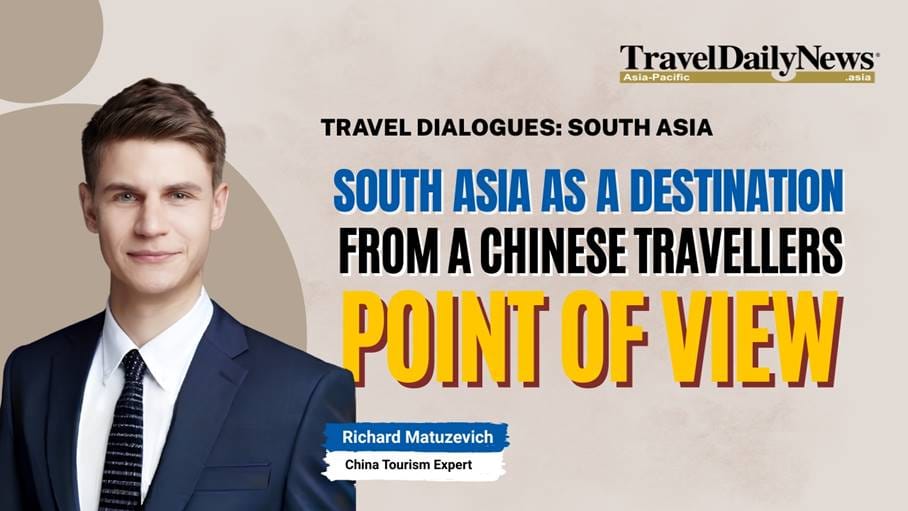
Every week, MTC and its partners TravelDailyNews Asia-Pacific and Tanneri Chaso provide a new episode of the TRAVEL DIALOGUES SOUTH ASIA series of podcasts concentrating on the development of Meaningful Tourism in South Asia, including Pakistan, India, Maldives, Sri Lanka, Nepal, Bhutan, and Bangladesh.
This week, the podcast featured your humble editor speaking with Richard Matuzevich, one of the best China tourism experts, about the possibilities and challenges to attract more Chinese visitors to South Asia.
The full podcast can be found here:
https://www.traveldailynews.asia/column/interviews/chinese-outbound-tourism-south-asia/
All videos are also available on the MTC YouTube channel.
Many destinations, especially in Southeast Asia and South, Asia are looking east to find substitutes for the European visitors, who have to be patient and brave if they want to use Doha or Dubai as transit airports, and indeed other guests who are scared by the global instability and the rumours about dwindling Kerosine stockpiles.
Chinese outbound tourism is hailed by many NTOs in the region as a possible saviour for the season.
This week, guest who spoke with your humble editor was based in Beijing. Our good friend Richard Matuzewich, an industry expert with over two decades of experience in China’s tourism sector, gave his insights about the dynamics of China’s outbound tourism to South Asia. In a nutshell, he pointed out that Chinese outbound tourism to South Asia presents a strong potential, but requires improved positioning, connectivity and tailored experiences to compete especially with Southeast Asia.
He explained that the Chinese outbound tourism market has undergone significant transformation over the past decade. Prior to the pandemic, travel patterns were largely defined by organised group tours, with itineraries focused on visiting multiple iconic landmarks and engaging in extensive shopping, often driven by price differentials and social status considerations.
In the post-pandemic environment, the market has matured considerably. Travellers are now more experienced, digitally savvy and increasingly independent. The focus has shifted from visiting landmarks to seeking meaningful, experience-driven travel, with an emphasis on learning, cultural engagement and value-based consumption. While shopping remains relevant, it is now more selective and oriented towards quality.

This shift directly impacts how destinations must position themselves to attract demand, particularly in emerging regions such as South Asia. Despite its rich cultural and natural assets, South Asia has not achieved the same level of success as Southeast Asia in attracting Chinese travellers. The key issue is not the lack of attractions, but rather the absence of clear positioning and market readiness.
Recognition among Chinese travellers remains limited. Destinations such as the Maldives, Nepal and Sri Lanka have achieved some visibility, typically linked to specific travel purposes, such as honeymoons or spiritual experiences. However, many other destinations in the region lack a clearly defined value proposition that resonates with the Chinese market.
Perceptions of safety, ease of travel and service quality also play a critical role. Chinese travellers prioritise convenience, including simplified visa procedures, reliable flight connectivity and seamless service delivery. In addition, digital readiness has become essential, as travellers expect access to mobile payments, digital booking platforms and integrated travel services.
As Richard Matuzevich underlined, one of the defining characteristics of Chinese outbound tourism to South Asia is the expectation of a fully digital travel experience. The widespread use of mobile payments and digital platforms in China has shaped traveller behaviour, creating a strong preference for destinations that can offer similar levels of convenience.
South Asian destinations currently face gaps in this area, including limited adoption of digital payment systems and insufficient integration with Chinese digital ecosystems. This extends to marketing, where destinations are often underrepresented on key platforms such as Xiaohongshu and Douyin, reducing their visibility among potential travellers.
Improving connectivity, both in terms of aviation and digital infrastructure, is therefore a critical component of destination competitiveness.
Asked by your humble editor, how South Asia could become more successful in attracting Chinese visitors, he answered that to unlock the potential of the Chinese market, South Asia requires a targeted and coordinated approach. Short-term priorities include improving accessibility through streamlined visa processes and enhanced flight connectivity, as well as addressing safety perceptions through consistent communication and reputation management.
Equally important is the development of clearly defined tourism products tailored to Chinese traveller preferences. This includes packaging experiences in a way that communicates a strong narrative and purpose, similar to how destinations such as Bali have successfully positioned specific offerings like wellness and yoga retreats.
Digital marketing strategies must also evolve, with increased engagement on Chinese platforms and collaboration with key opinion leaders to build awareness and credibility. Familiarisation trips remain relevant, but need to incorporate digital influencers alongside traditional trade partners to reflect changing consumption patterns.
In conclusion, your humble editor and Richard Matuzevich agreed that the long-term outlook for Chinese outbound tourism to South Asia remains positive, with substantial growth potential driven by rising demand for new and differentiated destinations. However, realising this opportunity will require a holistic strategy that combines market positioning, product development, digital integration and public-private collaboration.
Welcoming new MTC Certified trainers!
This week, several experts from different countries participated in the final Train-the-Trainer session in May, two of them ending their preparation with the certification as CTW trainers; more will follow soon.
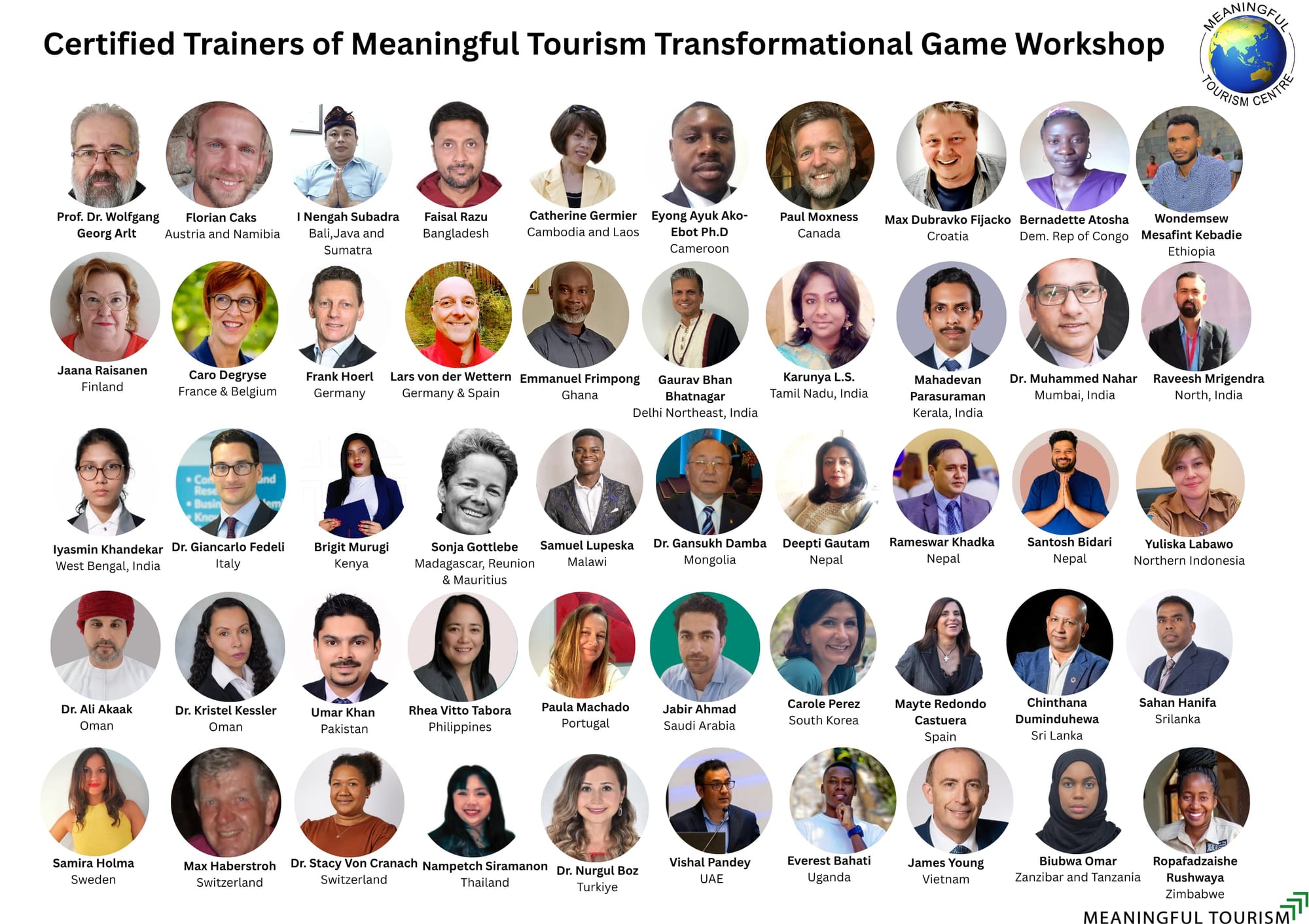
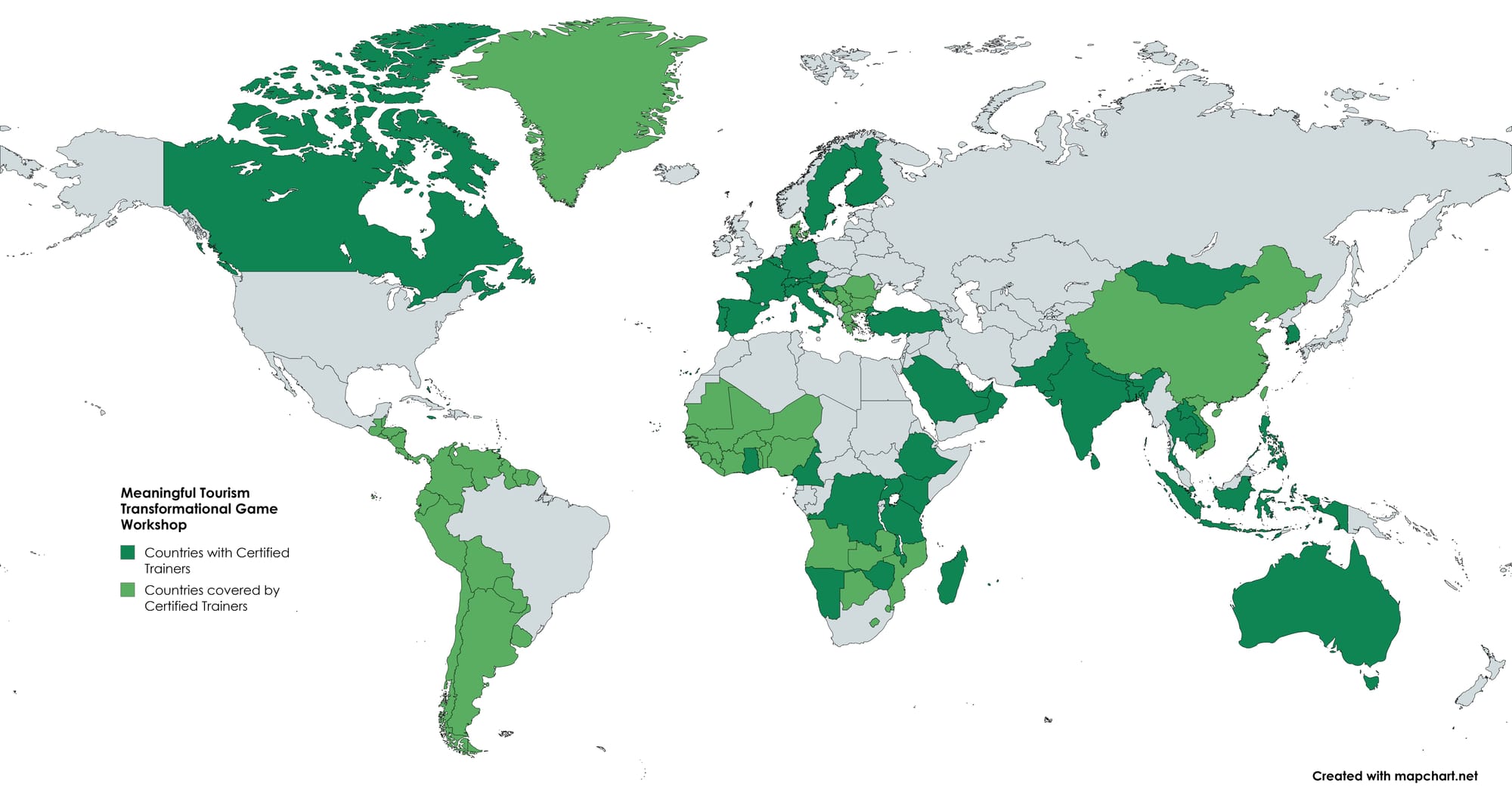
You will find their names and photos below, and also on the updated version of the poster showing all Certified MTC trainers. The world map showing which countries and destinations are covered by our trainers has also been updated. Please see below. Starting next week, we will introduce them to our readers in more detail, one by one.
Dr. Muhammed Nahar from Mumbai, India

Dr. Muhammed Nahar is a tourism and sustainability expert with extensive experience in sustainable tourism, ecotourism, destination development, and community-based tourism initiatives.
He is associated with the Indian Institute of Tourism and Travel Management (IITTM) and has contributed to several international projects, research publications, and policy discussions related to responsible tourism and environmental sustainability. Holding a PhD, he has worked with global organizations and industry stakeholders to promote meaningful tourism practices, sustainable destination management, and capacity-building programs across the tourism sector. He will concentrate on Mararashtra State.
Jabir Ahmad from Saudi Arabia

Jabir Ahmad is the Founder and CEO of Jecoluxe. He is an experienced technology leader and Staff Software Engineer with over 17 years of expertise in large-scale infrastructure, cloud technologies, site reliability engineering, and software systems.
He has worked with leading global organizations, contributing to scalable and innovative technology solutions while actively sharing insights on AI, cloud computing, and system design. He will be responsible for MTC in KSA.
Meaningful Tourism Innovation Lab Nepal agreement signed, starting activities in June
In the last edition, we introduced the concept of the Meaningful Tourism Innovation Lab (MTIL) as the next step of supporting the translation of insights into concrete action to build a Meaningful Tourism Economy for the stakeholders involved.
The MTIL is the structure which constitutes a physical meeting place for activities, exchanges of ideas and practical cooperation. The agreement for the first Meaningful Tourism Innovation Lab has been signed for Nepal, which is also the seat of the HQ of the Meaningful Tourism Centre. The partner for the development of the MTIL is I:Stem, which will also provide space within their office building for an MTIL Nepal secretariat and the usage of the lecture halls in the building.
The first Meaningful Tourism Innovation Lab intensive workshops are planned to start in the coming month.
Plans for the opening of MTILs in other countries are progressing and will be reported here.

Meaningful Tourism Community: The Meaningful Tourism Transformational Game Workshop Trainer
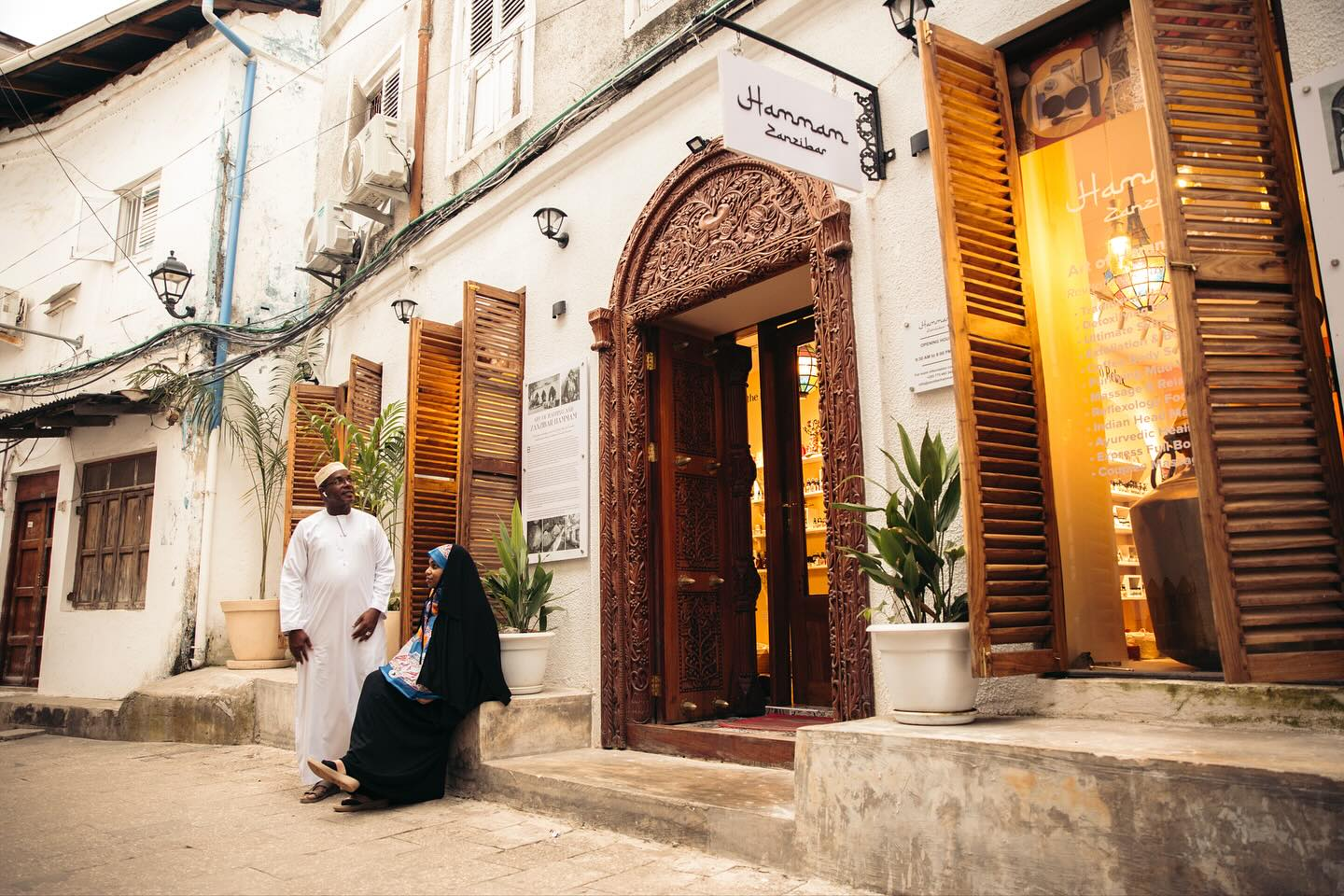
Biubwa Omar - Certified Trainer for Tanzania & Zanzibar
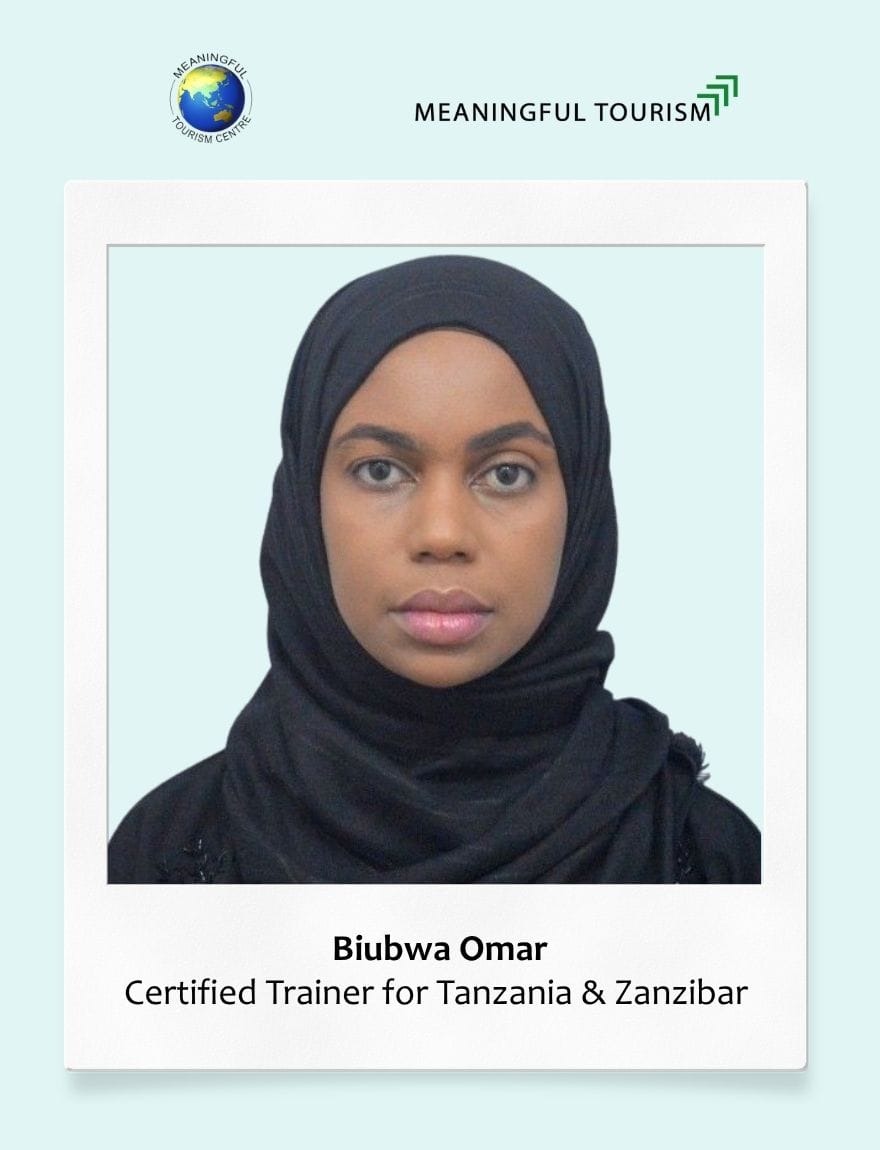
Biubwa Omar is a visionary entrepreneur and advocate for sustainable tourism, women’s empowerment, and economic development in Zanzibar, Tanzania.
As Chairperson of the Zanzibar Women Chamber of Commerce (ZWCC), she champions gender equality, fostering opportunities for women-led businesses through training, market access, and financial literacy programs. As Managing Director of Safari Gateway Ltd, Biubwa crafts unforgettable safari and beach holiday experiences, promoting responsible travel that supports local communities and preserves Tanzania’s natural and cultural heritage.
A Board Director in the Tourism Cluster at the Zanzibar National Chamber of Commerce (ZNCC), she drives strategic initiatives to enhance Zanzibar’s global competitiveness as a sustainable tourism destination. Biubwa is also a pioneer in Halal tourism, working to establish Zanzibar and Tanzania as leading Muslim-friendly travel destinations.
Passionate about creating impact-driven solutions, she builds strategic partnerships to attract investment, strengthen business networks, and empower women and youth, shaping a vibrant future for Zanzibar’s tourism and economy.
Biubwa Omar’s work embodies a commitment to sustainable tourism, empowering communities, and fostering economic growth through innovative and inclusive practices.
The Meaningful Tourism Weekly explores:
"What is the current situation of tourism in Tanzania and Zanzibar, and how can the Meaningful Tourism paradigm help support its development?"
Her answer...
Tourism in Tanzania, including Zanzibar, continues on a steady growth trajectory, reflecting the country’s rich diversity of natural wonders, cultural heritage, and historical significance. In the post-pandemic era, the sector has rebounded strongly, with rising visitor arrivals from both traditional markets like Europe and emerging ones such as the Middle East and Asia. Zanzibar, in particular, has become a hotspot for investment in luxury and mid-range accommodations, drawing travelers to its idyllic beaches, vibrant Swahili culture, and UNESCO World Heritage-listed Stone Town. Meanwhile, mainland Tanzania remains globally renowned for its national parks — Serengeti, Mikumi, and Nyerere (Selous) — where the growth of eco-lodges and sustainable safari camps signals a shift toward responsible tourism practices.

Both the Government of Tanzania and the Revolutionary Government of Zanzibar are committed to developing tourism sustainably. Joint initiatives are underway to promote cultural sensitivity, safeguard heritage sites like Kilwa and Bagamoyo, and empower indigenous communities, including the Maasai and Hadzabe, ensuring they are active participants in the tourism value chain.
In this context, the Meaningful Tourism paradigm offers a timely and strategic framework. By emphasizing purposeful travel that respects local culture, preserves the environment, and ensures economic and social benefits for host communities, Meaningful Tourism aligns seamlessly with Tanzania’s broader development goals. It supports efforts to reduce poverty, create employment, and nurture pride in the country’s unique identity and traditions.
Prioritizing value-driven, impactful travel experiences over mass tourism can help Tanzania and Zanzibar attract more responsible and conscientious visitors. Meaningful Tourism fosters deeper engagement between travelers and local communities, transforming tourism into a powerful tool for inclusive development and long-term sustainability.
“As Tanzania and Zanzibar look to the future, Meaningful Tourism provides an essential pathway to a more resilient and equitable tourism sector.”
MTC Certified Trainers
Please find below an overview of all our Certified Trainers for the Meaningful Tourism Transformational Game Workshop, along with the World Map showing the countries currently covered directly or indirectly.
The network of MTC Certified Trainers is constantly growing. As shown on the map, many countries and regions worldwide are already served by dedicated experts. However, MTC is continuously looking for professionals with experience in training or lecturing and a passion for sustainable tourism to join the network and fill the blanks on the map.
About Meaningful Tourism Weekly
Meaningful Tourism Weekly is published every Thursday by Meaningful Tourism Centre (MTC) - London and Kathmandu in collaboration with Travel Asia Now, led by Rhea Vitto Tabora.
Each issue features an Editorial, updates on MTC activities, a Best Practice Example, a profile of an MTC-certified trainer, news about upcoming events, and, occasionally, additional op-ed pieces from guest authors. Carefully selected news items, including videos and podcasts, are also included, with links to their original sources in the Meaningful Tourism News section.
Subscription to Meaningful Tourism Weekly is free, with the addition of a paid content section that includes a library of surveys, exclusive articles, conference presentations, and statistical data, offering subscribers invaluable resources.
Sponsorship opportunities are available for those interested in supporting this initiative.
For more information about MTC's training programs, market research, product adaptation, consulting services, conferences, strategy development, and marketing, visit our website or email us at info@meaningfultourismcentre.org.