New podcast series highlights Meaningful Tourism in South Asia


Dear reader,
two weeks ago, we mentioned the new series of podcasts to support the rise of a new era of tourism in South Asia, called Travel Dialogues South Asia. The first two instalments have been published and a number of interview partners for the coming editions are already booked. The aim is to start a new regional discourse about the best ways to leverage the opportunities of changing demand and new technological instruments, but also to master the challenges of climate change and a lack of regional cooperation, using the tools of Meaningful Tourism paradigm. With our partners TravelDailyNews Asia-Pacific, part of the TravelDailyNews Media Network, and with the technical support of Tanneri Chaso studio here in Nepal, we are reaching 30,000+ viewers each time.
A small example confirmed your humble editor this week that the need to talk about “South Asia” as a region and a brand is necessary. One of our future interviewees, a sharp mind and careful analyst, answered to a message talking his view of the destination South Asia, that he is not that familiar with Southeast Asia. He misread what he saw as we are all used to “South” and “Asia” being part of the name “Southeast Asia” and automatically add in our mind the “missing” part.
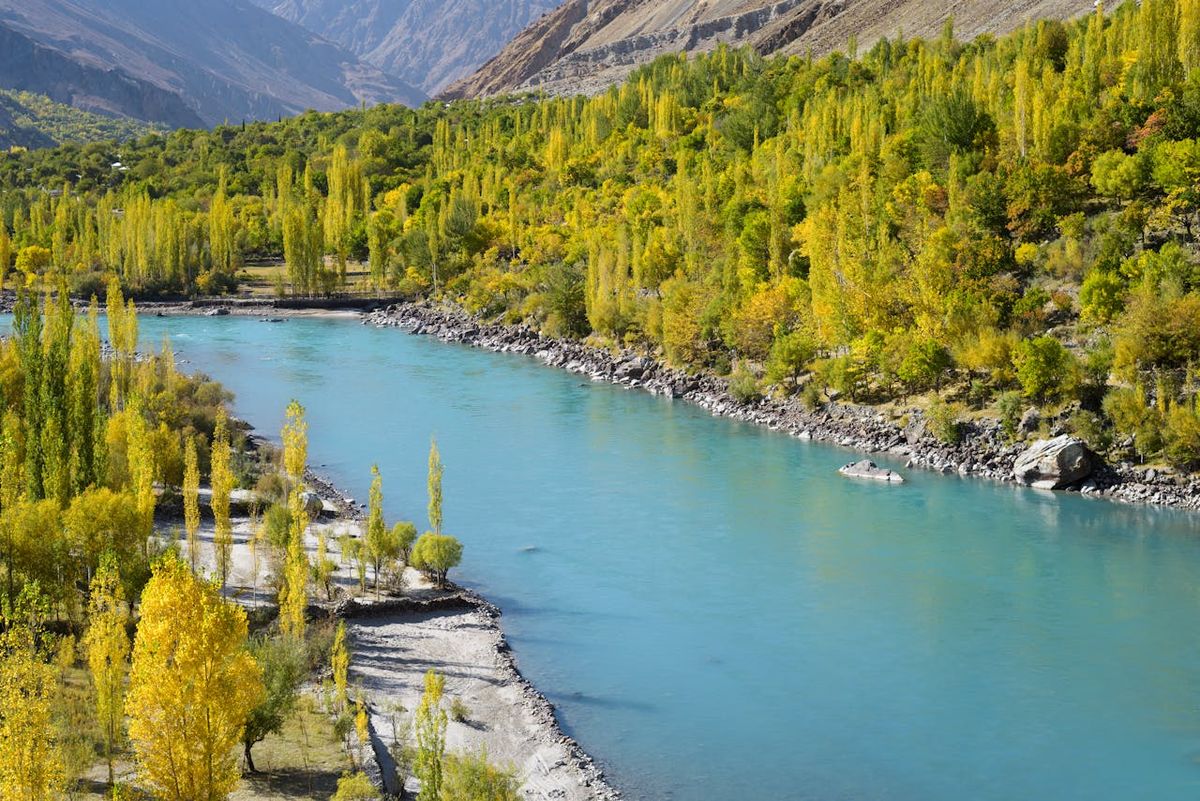
This week's podcast talks about Pakistan, a hidden gem in South Asia with regard to tourism. The Meaningful Tourism Centre was supposed to have a stand at the Pakistan Travel Mart 2026 earlier this month and your humble editor was supposed to participate in the Sustainable Destinations Forum accompanying the PTM. Alas, the global transportation crisis made it impossible to travel from Kathmandu to Karachi to experience the Pakistan Travel Mart's 5th edition under the theme "Shaping the Future of Travel: Innovation, Sustainability & Global Connectivity, with a B2B Roadshow extension in Islamabad.
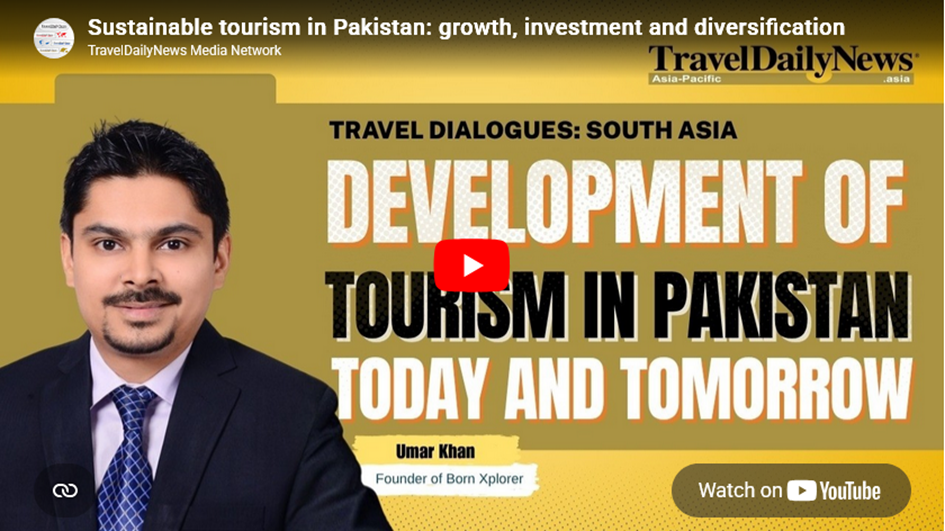
The development of sustainable tourism in Pakistan was the focus of the Travel Dialogues South Asia episode, featuring Umar Khan, founder of Bon Explorer and the Sustainable Tourism Development Organization of Pakistan, in conversation with your humble editor.
South Asia accounts for approximately one-quarter of the global population, yet attracts only around 2% of international tourist arrivals. This imbalance highlights the significant growth potential of the region compared to more established destinations in Southeast and East Asia.
Within this context, Pakistan is positioned as a destination with considerable untapped potential, supported by its large population base and diverse tourism assets.
Prior to the COVID-19 pandemic, Pakistan recorded more than three million international tourist arrivals. This figure declined sharply during 2020 and 2021, reflecting global travel restrictions. However, recovery has been evident, with arrivals exceeding two million in 2023.
Looking ahead, projections indicated a return to pre-pandemic levels and beyond, with expectations to surpass three million arrivals by 2026. This outlook was supported by proactive initiatives from the Pakistan Tourism Development Corporation, aimed at enhancing accessibility and strengthening the country’s tourism offering. Of course, the conflict in the Middle East and the disruption of many air routes have put a question mark now to these projections.
Nevertheless, the introduction of simplified visa procedures, including visa-on-arrival for travellers from 126 countries, has certainly contributed to improving access. At the same time, the resumption and launch of direct air connections, including routes from Central Asia and Bangladesh, are supporting inbound travel flows.
From a Meaningful Tourism point of view, diversification of tourism products is an important aspect. Pakistan offers a wide range of tourism experiences, including diverse seasonal landscapes, adventure tourism, cultural heritage, gastronomy and emerging marine activities. However, the development of sustainable tourism in Pakistan requires further expansion and structuring of these offerings to meet evolving traveller expectations.
A key challenge remains the limited level of structural investment in accessible tourism infrastructure. Addressing this gap is considered essential for enabling broader participation and enhancing the overall visitor experience.
The focus on quality is increasingly evident through the development of human resources in the tourism sector. There has been a notable rise in demand for tourism education, with both public and private institutions offering specialised programmes, certifications and diplomas. Now, online courses provided by the Meaningful Tourism Centre will be integrated into these efforts.
This trend is contributing to the professionalisation of the workforce and the delivery of higher-quality services. In parallel, the adoption of Meaningful Tourism principles is encouraging the provision of customised, experience-driven services that increase visitor satisfaction and per capita expenditure.
Umar Khan pointed out in the podcast that there is strong optimism regarding the future trajectory of tourism in Pakistan, particularly over the next five years. International hotel groups are demonstrating renewed confidence, investing in new properties, including five-star developments. Government policy is also evolving to support tourism-specific investments, encouraging private sector participation in resort development across the country. This includes initiatives in previously underdeveloped coastal areas as well as inland destinations.
Collaboration between the public and private sectors is being strengthened through partnerships, think tanks and coordinated development programmes led by national and regional tourism authorities.
The diversification strategy includes the development of specialised segments that can enhance the value proposition of the destination. Health and wellness tourism is gaining traction, supported by partnerships with international healthcare providers.
Religious tourism continues to expand, with initiatives such as the Kartarpur Corridor attracting Sikh pilgrims, while restoration efforts at additional religious sites aim to broaden appeal. Halal tourism initiatives are supporting these activities. Cultural heritage also plays a central role, with UNESCO-listed sites undergoing conservation and protection to ensure long-term sustainability.
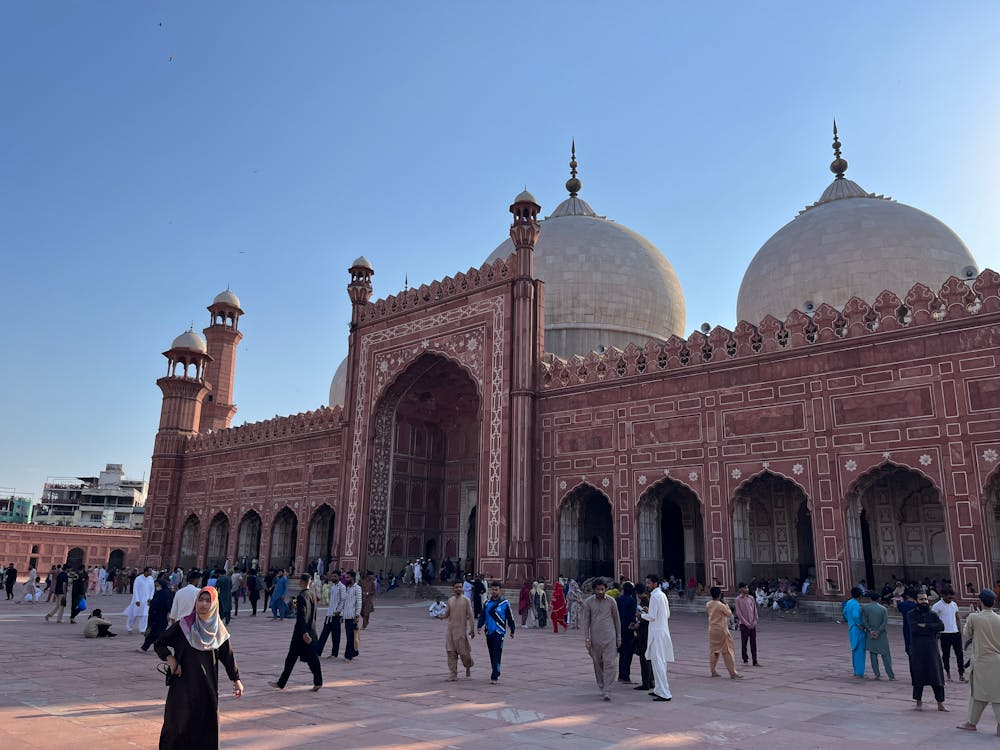
The evolution of sustainable tourism in Pakistan, especially in the form of Meaningful Tourism, reflects a broader shift towards quality-driven growth, diversification and improved infrastructure. By focusing on accessibility, investment and experience enhancement, the country is positioning itself as an emerging destination within the South Asian tourism landscape.
More information about the podcast and the whole Travel Dialogues South Asia series can be found on https://traveldailynews.asia. From the next edition, Meaningful Tourism Weekly will carry the summary of each podcast as part of the Meaningful Tourism Centre News.
If you are based in Pakistan, India, the Maldives, Sri Lanka, Nepal, Bhutan, or Bangladesh, or work with these markets and are interested in being one of our interview partners in Travel Dialogues South Asia, please contact MTC.
Links to all Travel Dialogues South Asia podcasts are provided in the MTC News below.
As always, all best wishes from the Meaningful Tourism Weekly team in Kathmandu and Manila, and from the whole Meaningful Tourism community to all our readers!


Meaningful Tourism in China - CTW AWARD 2026 - Celebrating excellence in Chinese outbound tourism
More than 130 million outbound trips will make China in 2025 again by far the biggest international outbound tourism source market. A Meaningful Tourism Economy cannot afford to ignore the almost 10% of international travellers originating from Mainland China.
Chinese travellers are still willing to pay more money than most other tourists, however, they demand customized products catering to their special interests. Value for Money is the new mantra, having replaced the conspicuous consumption of pre-pandemic times.
COTRI China Outbound Tourism Research Institute is showcasing Best Practice Examples of how to be successful in the Chinese market since 2004. CTW Chinese Tourist Welcome Award are given each year to companies and organisations to highlight their innovations and achievements.
The CTW Chinese Tourist Welcome Award 2026 is now open for applications, celebrating excellence in the global Chinese outbound tourism market. Over a period of more than two decades, the CTW Award has become the industry’s leading recognition, honouring over 150 outstanding tourism service providers, destination management organizations, national tourism boards, hospitality Brands, retailers, and marketing companies worldwide.
This year’s award ceremony will take place on July 1st, 2026, and for the first time, it will be held online offering greater visibility and engagement for winners and a chance for a global audience to learn from the initiatives of their colleagues. Applications are free of charge and will be evaluated by an international jury of Chinese and non-Chinese tourism experts across five categories: Product Innovation, Internet and Media, Service Quality, Marketing, and Overall Performance, with Gold, Silver, and Bronze Awards in each. Winners will receive prestigious certification, global media exposure, the right to use the CTW Award 2026 logo, and valuable recognition among industry leaders. Gold winners will also have the opportunity to present their awarded activities during the ceremony.
If your organization provides exceptional services or products for Chinese outbound travelers, this is your chance to stand out on a global stage. Submit your application before the deadline on June 20th, 2026, and be part of one of the most respected awards in Chinese outbound tourism.
Application is easy and free.
More information here: https://cotri.meaningfultourismcentre.org/chinese-tourist-welcome-award-2026/.
By the way, if you want to see a short video with the Avatar of your humble editor speaking about CTW Award 2026, you can find the video on the MTC's YouTube channel.
Meaningful Tourism in South Asia – Podcast content summaries provided here every week
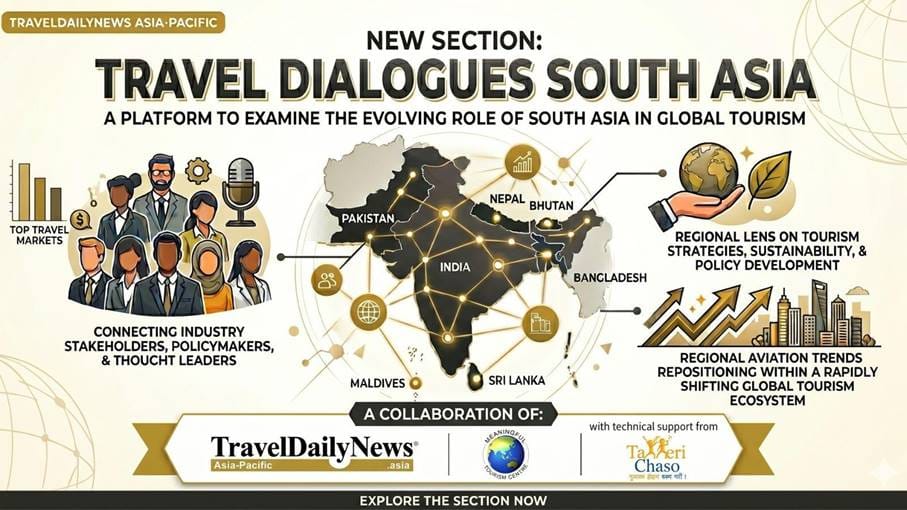
As mentioned in the editorial, MTC and its partners TravelDailyNews Asia-Pacific and Tanneri Chaso have started the TRAVEL DIALOGUES SOUTH ASIA series of weekly podcasts concentrating on the development of Meaningful Tourism in South Asia, including Pakistan, India, Maldives, Sri Lanka, Nepal, Bhutan, and Bangladesh.
Starting with the first edition, a summary of the content of each podcast will be provided here in MTC News, leaving the editorial free to cover other topics.
Podcasts will go online every Wednesday morning (Asia time) and are available here: https://www.traveldailynews.asia/tag/travel-dialogues-south-asia/.
A teaser introducing the speaker of the next podcast will be published on Mondays.
All videos are also available on the MTC YouTube channel youtube.com/@MeaningfulTourism.
A short introductory video with the Avatar of your humble editor talking about the podcast series in English, Bangla, Hindi, Nepali, Sinhalese, and Urdu is also available on the MTC YouTube channel.

The AI Commoditization Curve: Why Human Expertise is the Ultimate Travel Premium
By Suman Baral, CEO and Founder of I.STEM Lab

We have spent billions teaching algorithms how to perfectly optimize a weekend city break, but a line of code still cannot tie a climbing knot or read the shifting ice of a Himalayan glacier.
If you stand in front of a monument today, you don't really need a human guide to tell you what year it was built. You just point your phone at the architecture, and generative AI will scrape the internet to deliver a highly accurate, multilingual history in seconds. The "information layer" of the global travel industry has been completely commoditized. General knowledge is now free.
But as a data analyst watching the behavioral shifts in global tourism, I see a fascinating paradox unfolding: The more AI automates standard sightseeing, the more valuable specialized, human-curated experiences become.
The AI Commoditization Curve
We are witnessing a massive, data-driven bifurcation in travel behavior. According to recent industry surveys, including data from major booking engines like Expedia, nearly 50% of global travelers are now willing to use generative AI to plan their trips. Standardized travel (city tours, museum hopping, and basic beach vacations) is becoming completely frictionless and algorithm-driven.
But this technological saturation is exactly what makes authentic, high-stakes environments infinitely more valuable. You cannot algorithmically generate the physical endurance required for peak climbing. A chatbot cannot replicate the deep, multi-generational ecological knowledge required to navigate remote trails or lead a wild honey hunting expedition on a sheer cliff face.
For these specialized trips, AI is not the product; it is merely the switchboard. The true premium product is the local human expert.
The 0.1% Paradigm: Optimizing for Transformation
The core issue is that our current digital infrastructure is not built for specialized human experiences; it is built for mass volume. Massive Online Travel Agencies (OTAs) optimize their predictive algorithms for high-frequency, low-value transactions.
To build a meaningful digital ecosystem for the future of travel, we have to rewrite the foundational business models. Instead of optimizing mass churn, what happens if travel tech platforms set their target repeat purchase rate at a highly selective 0.1 percent?
By designing an architecture around a 0.1% repeat purchase rate, a platform stops trying to sell a million cheap, generic city tours. Instead, the algorithm is forced to optimize for profound, once-in-a-lifetime transformational trips. This data model prioritizes high-yield, deep-impact travel where the true value lies in rigorous local expertise and genuine human connection.
Killing the Scarcity Algorithm
If we are optimizing for high-stakes travel, we also have to completely overhaul how data is presented to the traveler.
Traditional platforms rely heavily on manipulative data practices. They use artificial countdown timers or fake "limited availability" badges to induce panic booking, while burying the true cost of complex trips in hidden fees. From a data governance perspective, this poisons the well of trust before the traveler even packs their bags.
The future requires clean, transparent data schemas. Rather than bundling everything into a confusing, generic package, a transparent platform clearly delineates the base itinerary cost. Crucially, highly specialized requirements, such as high-altitude permits, specialized rescue insurance, or niche climbing gear, must be explicitly presented as "addons to be charged separately."
This is an economic necessity. By clearly separating the base intent from the specific add-ons, we ensure that funds are routed directly and accurately to the specific local service providers who actually incur the risk.
The Economics of Human Expertise
According to the UN Environment Programme, in many developing tourism destinations, a staggering 80% of traveler expenditure leaks out of the local economy, siphoned off by foreign-owned airlines and centralized online platforms.
When we shift the data architecture away from mass volume and use decentralized models, where local operators can connect directly with traveler intent, the physical landscape changes alongside the digital one. When capital is routed directly to the ground level, that 80% leakage stops. High-yield revenue from specialized expeditions flows directly into the community, funding local guest houses and ensuring that the physical infrastructure of tourism is owned by the people who host it.
AI is undeniably brilliant at taking friction out of planning. But the actual magic of travel, survival, the awe, the human connection, cannot be coded. We don't need AI to replace local guides. We just need it to build a better, fairer bridge to them.
About the Author
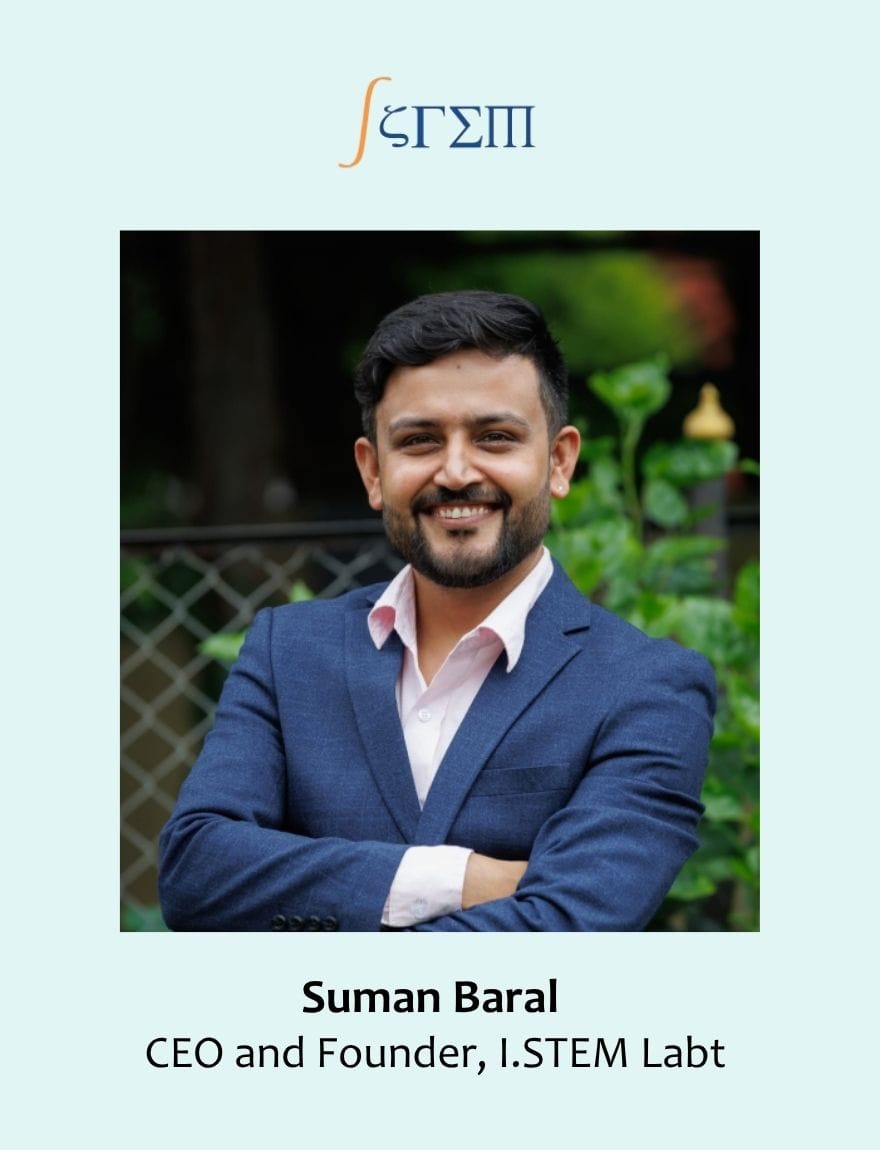
Suman Baral is a tech enthusiast and the CEO and Founder of I.STEM Lab, an IT and AI company based in Nepal and the US. He brings experience from both academia and various professional domains, having worked with private companies, government bodies, and major international organizations like the World Bank, the United Nations, and RIMES.
Suman is at the forefront of the Meaningful Tourism Innovation Lab, where he works to redefine the sector by translating Meaningful Tourism principles into actionable innovation. He is also the co-founder of bidmytrip.ai, a travel platform that changes how tourists connect with destinations. It helps travelers get authentic, personalized experiences while ensuring that local businesses and guides benefit directly.
Suman is also a Corporate AI Trainer who helps companies practically use Artificial Intelligence in their daily work. He makes complex AI topics simple to understand, giving teams the right tools to work smarter and faster.

Meaningful Tourism Community: The Meaningful Tourism Transformational Game Workshop Trainer
Raveesh Mrigendra - Certified Trainer for North India
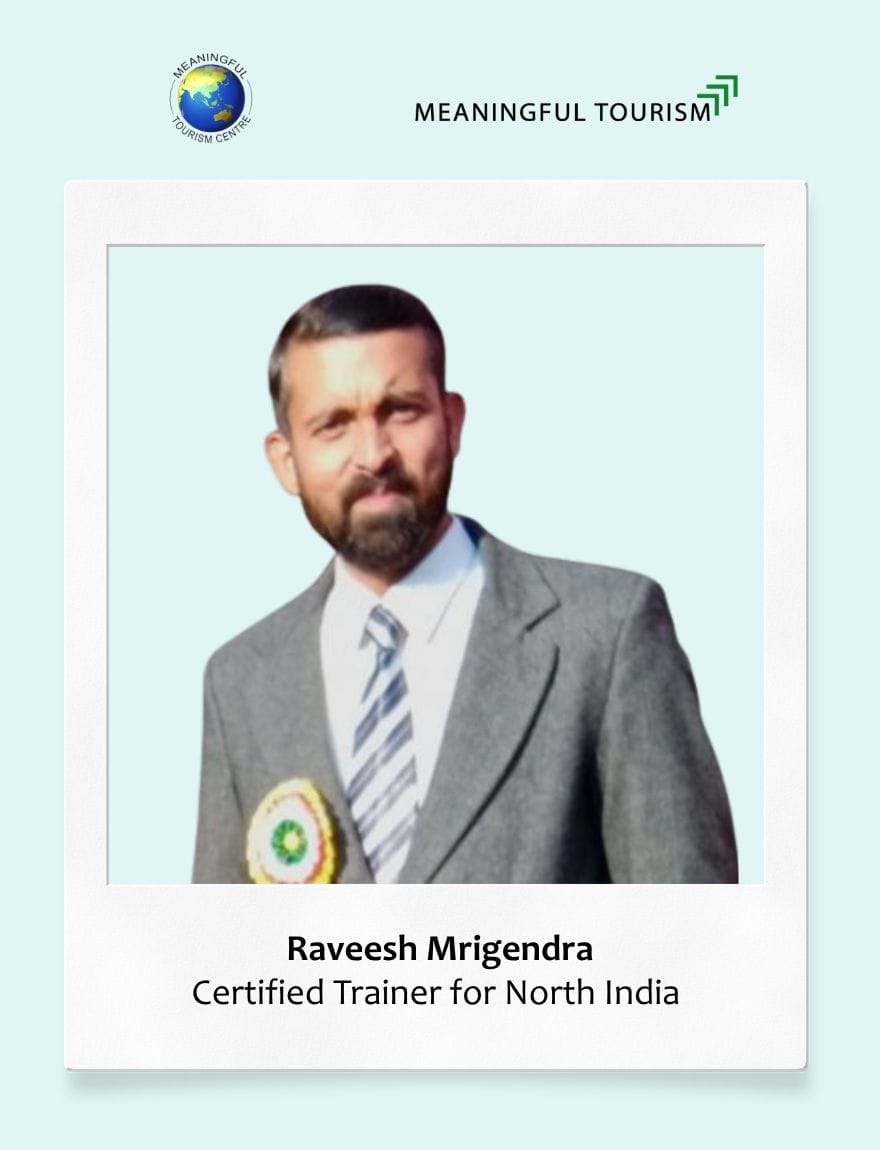
Raveesh Mrigendra is a Ph.D. Research Scholar in the Department of Tourism & Travel Management, School of Tourism, Travel and Hospitality Management, Central University of Himachal Pradesh, Dharamshala, India.
Previously, he has worked as a social worker, as a staff member in a resort, and as a Vocational Trainer (Tourism & Hospitality) in Government Senior Secondary Schools of Himachal Pradesh.
Meaningful Tourism Weekly: What is the current situation of tourism in North India and how can the Meaningful Tourism Paradigm help to support its development?
Raveesh:
Tourism in India today is at a crossroads where rapid growth is witnessing complex challenges. The sector significantly contributes to the national economy and provides employment across urban and rural regions. Simultaneously, this growth has also raised apprehensions concerning environmental pressure, erosion of cultural values, and uneven distribution of benefits accruing from tourism.
North India, with its Himalayas, pilgrimage circuits, heritage cities, and countryside, attracts a large number of domestic and international visitors.
However, many destinations are facing challenges such as overcrowding, waste management issues, unregulated construction, and seasonal economic instability. Communities in these areas often remain at the margin of decision-making and receive limited economic returns from tourism activities.
The Meaningful Tourism paradigm offers a constructive way forward by advocating tourism that creates balanced value for all stakeholder groups, namely, visitors, host communities, tourism providers, local governments, and the natural environment.
It calls for destinations to design tourism products and experiences aimed at deepening the visitor engagement with the local culture and nature, ensuring fair distribution of incomes, strengthening local identity, and conserving ecological resources, instead of merely meeting the number of tourists.
For North India, this may translate into community-based models of tourism, small-scale entrepreneurship, interpretation programs aimed at encouraging respectful behaviour, local product development, controlled carrying capacity plans in ecologically fragile zones, and training programs that uplift the local youth as guides and stewards of heritage.
Meaningful Tourism supports long-term resilience through shifting tourism from volume-driven to value-driven. As a certified trainer of Meaningful Tourism, I seek to support stakeholders in adopting this paradigm so that tourism in India grows in ways that enrich visitors, empower host communities, and protect cultural and natural heritage for future generations.
MTC Certified Trainers
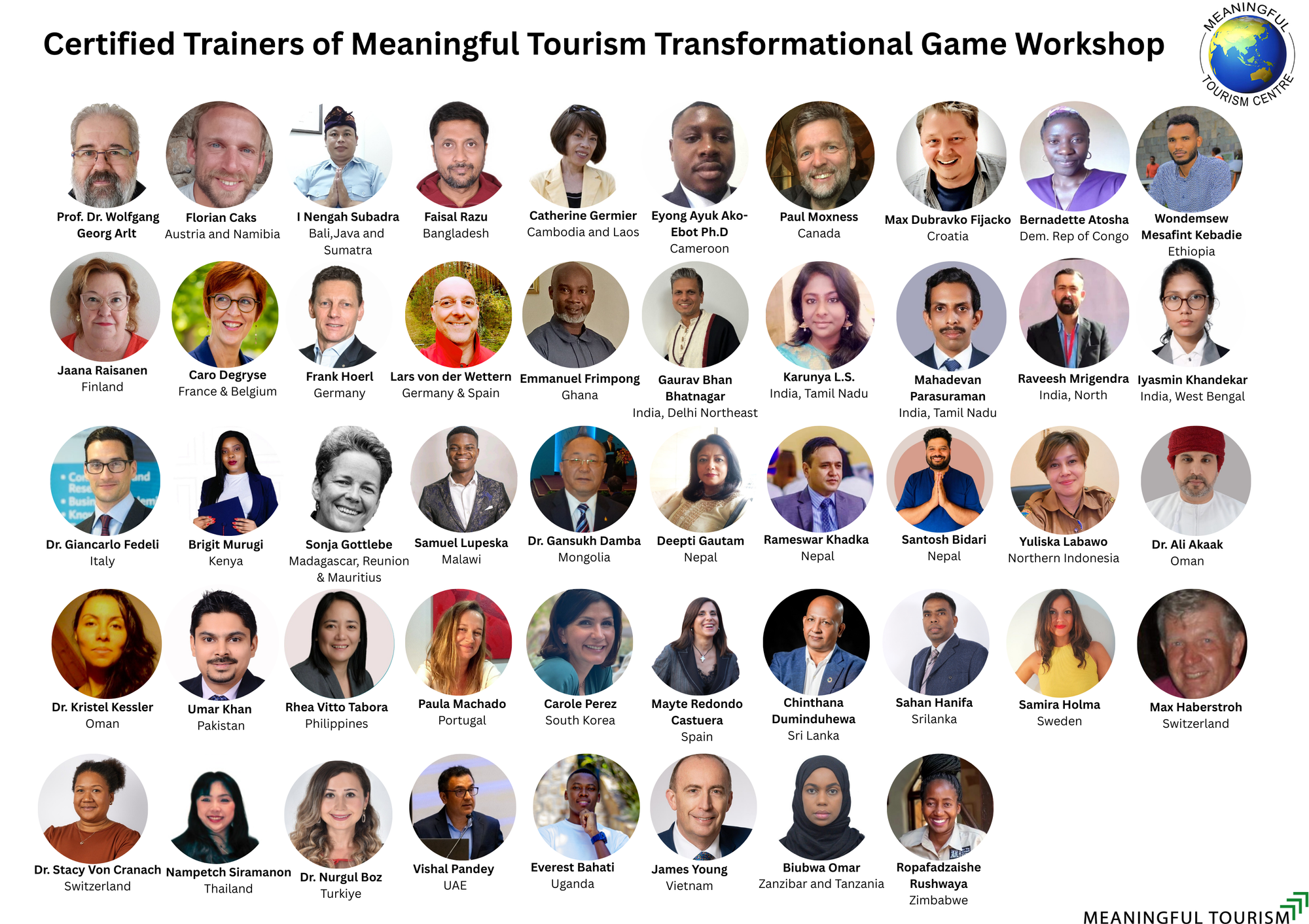
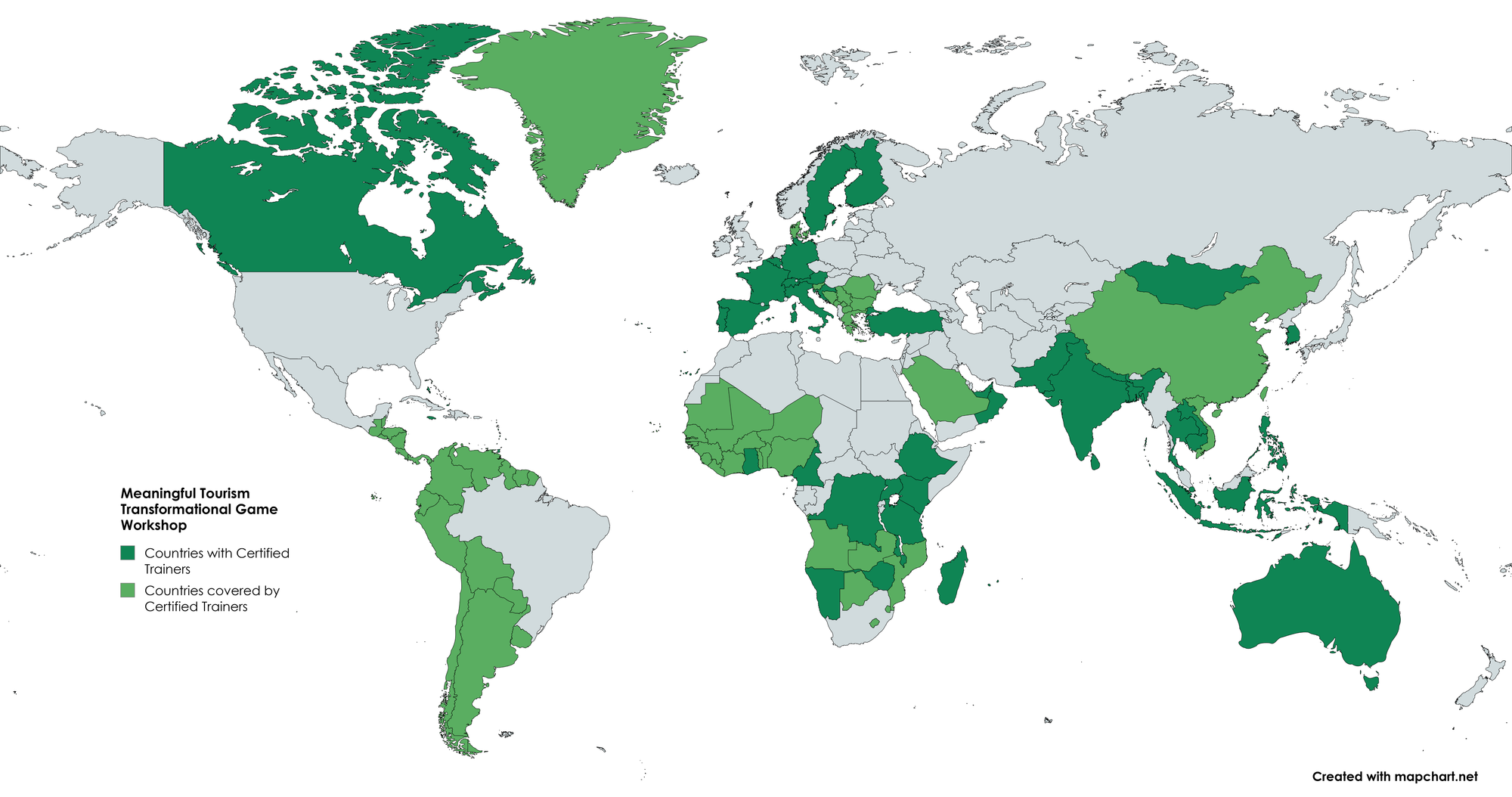
Please find below an overview of all our Certified Trainers for the Meaningful Tourism Transformational Game Workshop, along with the World Map showing the countries currently covered directly or indirectly.
The network of MTC Certified Trainers is constantly growing. As shown on the map, many countries and regions worldwide are already served by dedicated experts. However, MTC is continuously looking for professionals with experience in training or lecturing and a passion for sustainable tourism to join the network and fill the blanks on the map.

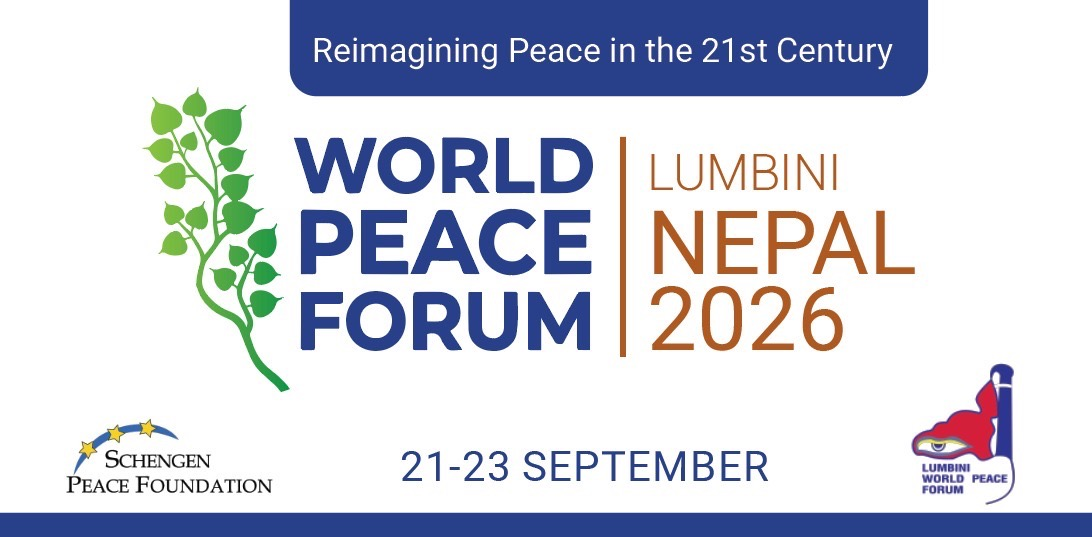
World Peace Forum 2026
September 21-23, 2026
Lumbini, Nepal
About Meaningful Tourism Weekly
Meaningful Tourism Weekly is published every Thursday by Meaningful Tourism Centre (MTC) - London and Kathmandu in collaboration with Travel Asia Now, led by Rhea Vitto Tabora.
Each issue features an Editorial, updates on MTC activities, a Best Practice Example, a profile of an MTC-certified trainer, news about upcoming events, and, occasionally, additional op-ed pieces from guest authors. Carefully selected news items, including videos and podcasts, are also included, with links to their original sources in the Meaningful Tourism News section.
Subscription to Meaningful Tourism Weekly is free, with the addition of a paid content section that includes a library of surveys, exclusive articles, conference presentations, and statistical data, offering subscribers invaluable resources.
Sponsorship opportunities are available for those interested in supporting this initiative.
For more information about MTC's training programs, market research, product adaptation, consulting services, conferences, strategy development, and marketing, visit our website or email us at info@meaningfultourismcentre.org.