Tourism needs peace



Dear reader,
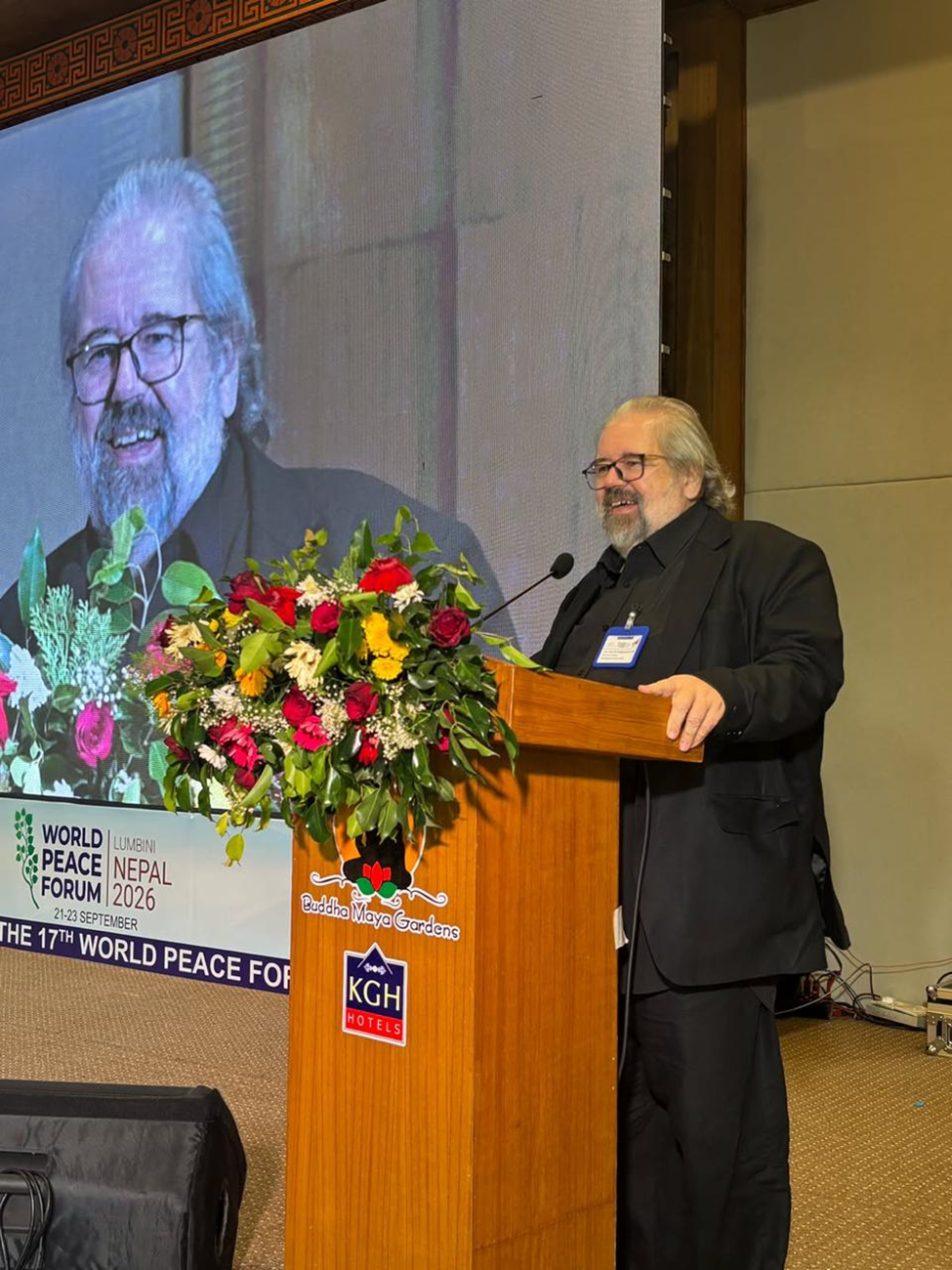
This week, your humble editor had the honour to be part of the celebrations of World Peace Day on September 21, 2026, in the form of the 17th World Peace Forum, organized by Lumbini World Peace Forum and the Schengen Peace Forum, based in Luxembourg.
Other international guests participated, having travelled from Australia, Belgium, Bhutan and India. Prof. Dr. Arthur Kurt Eilers, Executive Chairman & Group CEO of BestStar Holding Group, sent a video message from Mauritius, pledging support for this and for coming Peace Forums. The participant from Bhutan was Dorji Dhradhul, former Director General of the Tourism Council of Bhutan and author of High Value, Low Volume Tourism with a Soul, who was the guest at the Travel Dialogues South Asia podcast just a month ago.
Your humble editor took part in a panel discussion chaired by Dr. Sudan Kumar Oli, a Nepalese economist, policy expert, and member of the Lumbini Province Planning Commission, on the first day and was given the opportunity to present some insights about Peace and Meaningful Tourism on the second day. The discussions were enhanced by dance and music performances of cultural assets which are in danger of dying out in Nepal. Even the presentation by Dorji Dhradhul started with a peace song he had written especially for the forum.
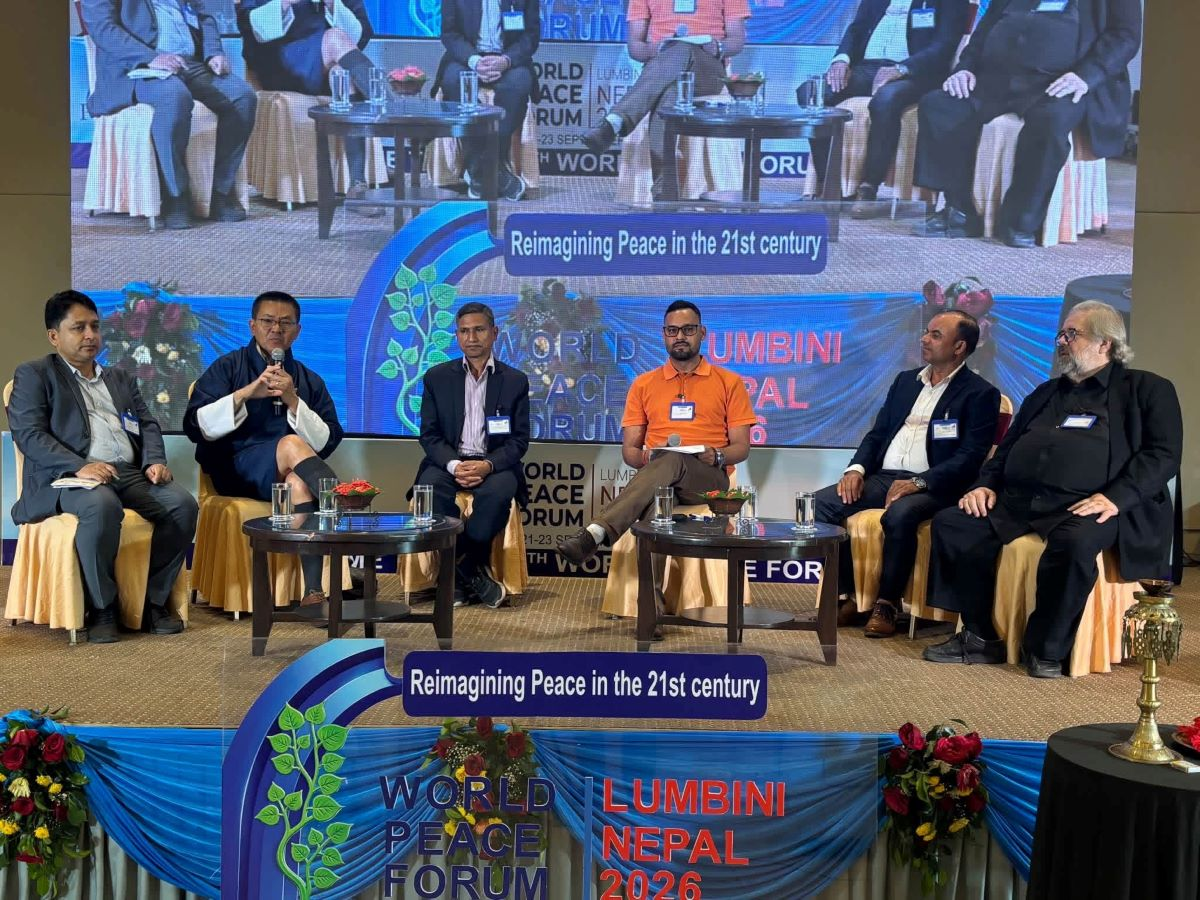
The Forum ended with the proclamation of the Lumbini Peace Declaration and with the will to establish an annual Peace Forum on an international VIP level, creating a “Davos” meeting for peace alternating in Lumbini and in the GMC, the new Mindfulness City in Bhutan. For the latter, you can learn more about it in this week's Travel Dialogues South Asia podcast (see the summary below).
To give the Declaration the space it deserves, we are quoting it here in full:
17th World Peace Forum Lumbini Nepal 2026 DECLARATION
Preamble
We, the delegates, governments, international diplomats, global leaders, scholars, spiritual leaders, civil society and private sectors, environmental advocates, and youth changemakers gathered from across the globe in the sacred sanctuary of Lumbini, the birthplace of Lord Buddha and a timeless UNESCO World Heritage site on this International Day of Peace, September 21, 2026;
World Peace Forum
Acknowledging that the 17th World Peace Forum marks a historic milestone as the first time this global assembly is convened in South Asia, bridging cultures, nations, and continents under the unifying banner of "Reimagining Peace in the 21st Century";
Deeply Concerned by the complex, overlapping crises of our era including escalating geopolitical tensions, nuclear threats, cyber threats, widening socioeconomic disparities, the digital divide, and the existential threat of climate change that disproportionately impacts vulnerable communities and ecosystems; Deeply Inspired by the enduring philosophy of middle path, compassion, non-violence, interdependence, and harmonious coexistence first expounded by Siddhartha Gautama in these sacred plains;
Hereby Proclaim and Adopt the Lumbini World Peace Declaration 2026, committing our collective energy, policy frameworks, and grassroots actions to the following pillars of global transformation:
I. Reimagining Multilateralism and Preventive Diplomacy
Redefining Security: We urge global institutions and nation-states to move beyond traditional, militarized paradigms of security, prioritizing human security, cooperative diplomacy, and conflict prevention over confrontation.
Inclusive Dialogue: We commit to fostering open channels of communication between governments, civil society, and local communities, ensuring women and youth are actively involved in peacebuilding and decision-making processes.
II. Fostering Eco-Peace and Climate Resilience
The Nexus of Peace and Climate: Recognizing that environmental degradation and resource scarcity are direct catalysts for conflict and displacement, we declare that ecological stewardship is an inseparable component of modern peacebuilding.
We pledge to accelerate green regeneration, protect vulnerable watersheds, and combat ecological vulnerability through cooperative cross-border action.
III. Harnessing Education, Innovation, and Technology for Harmony
Ethical Innovation: As artificial intelligence and emerging technologies reshape human interaction, we call for ethical guardrails that ensure technological advancements for social wellbeing.
Transformative Peace Education: We commit to embedding cultures of peace, empathy, global citizenship, and critical thinking into educational curricula at all levels, empowering the next generation to become architects of sustainable harmony.
IV. Cultivating Community Resilience and Cultural Diplomacy
Heritage as a Bridge: We emphasize the power of holistic diplomacy, Meaningful Tourism, and heritage preservation in breaking down barriers and fostering mutual respect among nations.
Empowering Local Changemakers: True peace is built from the ground up. We pledge to support community-led initiatives that strengthen local resilience, promote economic justice, and advance human dignity.
Call to Action
We, the participants of the 17th World Peace Forum, call upon governments, international organizations, civil society, the private sector, and citizens of the world to translate the spirit of Lumbini into concrete policies and daily actions. Let us carry the message of peace from this sacred birthplace across borders, turning dialogue into deeds and vision into reality.
Adopted unanimously on this 23rd day of September, 2026, in Lumbini, Nepal.
Signed by Vicki Hansen, President of Schengen Peace Foundation, and Basu Gautam, Founder and President of Lumbini World Peace Forum.
As always, all best wishes from the Meaningful Tourism Weekly team in Kathmandu and Manila, and from the whole Meaningful Tourism community to all our readers!


Summary of the latest edition of Travel Dialogues South Asia Podcast
Every week, MTC and its partners TravelDailyNews Asia-Pacific and Tanneri Chaso provide a new episode of the TRAVEL DIALOGUES SOUTH ASIA series of podcasts concentrating on the development of Meaningful Tourism in South Asia, including Pakistan, India, Maldives, Sri Lanka, Nepal, Bhutan, and Bangladesh.
Bhutan’s next tourism chapter: Growth, mindfulness and a new city
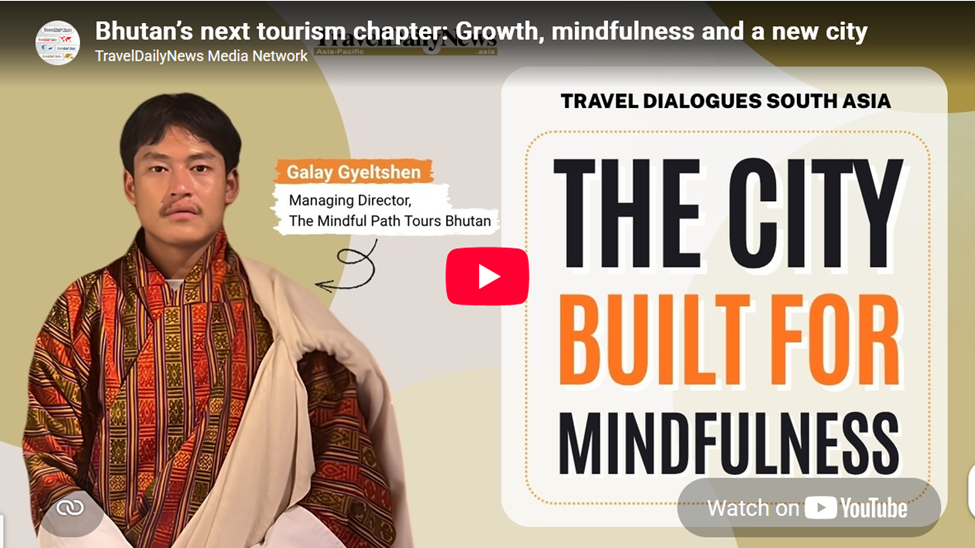
Bhutan is entering a period of significant tourism growth while attempting to preserve the principles that have made its development model distinctive. At the centre of this next chapter is an ambitious project that could fundamentally reshape how international visitors enter and experience the country: Gelephu Mindfulness City.
In this episode of Travel Dialogues South Asia, your humble editor spoke with Galay Gyeltshen, founder of Mindful Path Tours, about Bhutan tourism and Gelephu Mindfulness City, the country’s continued “high value, low volume” philosophy and the growing importance of climate resilience in tourism planning. The dialogue continued the coverage of Bhutan as an exceptional example for alternative ways to develop tourism.
Gyeltshen brings both tourism and development perspectives to the conversation. He founded inbound DMC Mindful Path Tours in 2025 and is also involved in developing tourism and business services for the Gelephu Mindfulness City project.
Meaningful and slow travel rather than volume
Mindful Path Tours itself reflects the direction Gyeltshen sees for Bhutanese tourism.
The company specialises in meaningful, slow and transformative journeys built around four pillars: spiritual and mindful travel, nature and adventure, wellness, and leisure and MICE.
These products fit naturally within Bhutan’s broader approach to tourism, which has historically prioritised value and controlled development rather than pursuing visitor numbers alone.
Yet visitor numbers are now rising quickly.
Bhutan welcomed approximately 209,000 visitors in 2025, an increase of 44% year-on-year. During the first half of 2026, arrivals reached around 149,000, up 48% year-on-year.
Tourism is also an important contributor to the national economy. According to the discussion, it is Bhutan’s second-largest earner after hydropower and contributes approximately 10–15% of GDP.
The challenge, therefore, is how to accommodate growth without allowing growth itself to become the objective.
Hotels and skills are developing alongside demand
The expansion is already generating investment in tourism infrastructure.
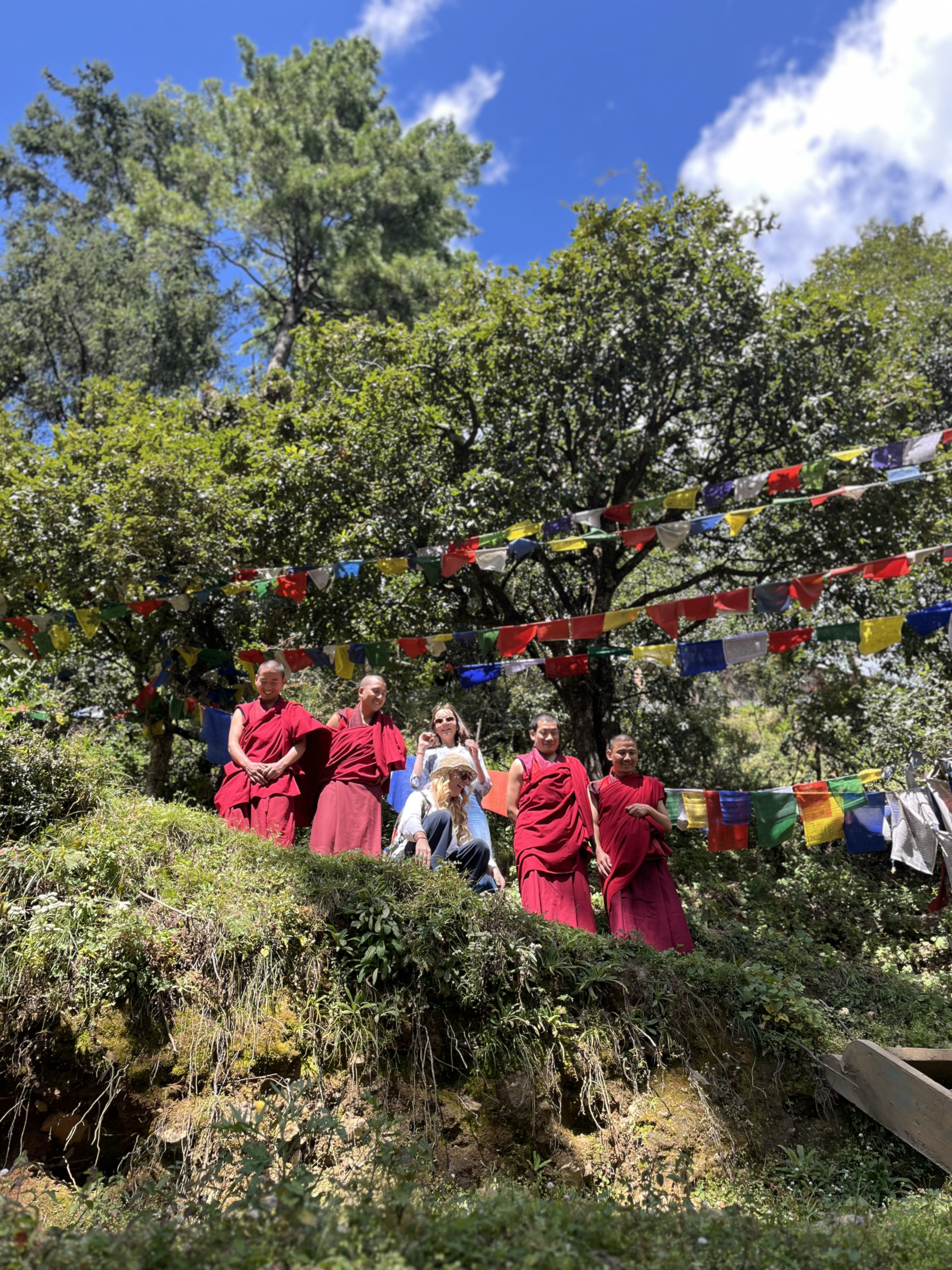
New hotels are opening, while workforce development is addressing another fundamental requirement: ensuring Bhutanese professionals have the skills necessary to serve an increasingly international visitor base.
The Desung Skilling Program provides young Bhutanese with training in areas including guiding and culinary arts. Foreign-language training covers Mandarin, Spanish, German, Japanese and Korean.
Access to the country nevertheless remains deliberately structured.
International visitors must book through a registered tour operator or DMC. The Sustainable Development Fee (SDF) for international guests has been temporarily reduced from US$200 to US$100 per person per night, while regional visitors from India and Bangladesh pay ₹1,200 per night.
This system remains central to Bhutan’s attempt to balance tourism’s economic benefits with the need to manage its impact.
Growth is already significant relative to Bhutan’s population
Visitor numbers also need to be considered in relation to the country’s size.
Bhutan has a population of approximately 800,000. With 209,000 visitors in 2025, the ratio equates to roughly 25 visitors for every 100 inhabitants, compared with a global average of 18 cited in the discussion.
That puts the debate around “high value, low volume” into a different perspective.
Bhutan may receive relatively modest absolute visitor numbers compared with major Asian tourism destinations, but tourism already represents a significant presence relative to its population.
Future development therefore requires more than simply increasing arrivals. Infrastructure, local economic participation, environmental protection and community capacity all become increasingly important as tourism expands.
Gelephu Mindfulness City: A different kind of development
The most ambitious element of Bhutan’s future tourism landscape is Gelephu Mindfulness City (GMC).
The project, envisioned by Bhutan’s fifth King, aims to create a new type of urban development integrating Buddhist spiritual values, nature, modern technology and business.
Located in Sarpang in southern Bhutan near the Indian border, GMC is planned across more than 2,500 square kilometres. According to the discussion, this makes the planned area larger than Singapore and equivalent to roughly 10% of Bhutan’s territory.
The scale is extraordinary, but the philosophy behind the project is arguably more significant.
Rather than separating urban development from the surrounding environment, the concept seeks to integrate the two.
Buildings below the trees and no fossil-fuel vehicles
Gelephu Mindfulness City was announced in December 2023 and officially chartered in February 2024, with international planners BIG involved in its design.
Environmental principles are embedded directly into the plans.
Buildings will not be allowed to exceed the height of trees, while the city is intended to operate without fossil-fuel vehicles.
Planning also incorporates biological corridors that allow wildlife, including elephants, to move through the landscape, alongside mindful management of rivers and the wider natural environment.
For tourism, this creates an interesting proposition.
Rather than adding tourism infrastructure to an existing urban environment, Bhutan has an opportunity to consider visitor experiences, mobility, wellness and environmental management as part of the development from the beginning.
A second international gateway to Bhutan
Connectivity will be fundamental to whether this vision translates into tourism demand.
Site preparation is underway for an international airport at Gelephu, with more than 7,000 volunteers involved. Completion is expected by the end of 2029.
The airport is intended to provide Bhutan with a second major international gateway.
Its significance could be substantial.
Bhutan’s geography and limited gateways have historically influenced the scale and structure of its tourism sector. A second major entry point in the south could change visitor flows and create new itinerary possibilities.
The longer-term outlook presented in the discussion suggests that completion of Gelephu International Airport could potentially double Bhutan’s visitor capacity.
Forty tourism products built around transformation
The tourism proposition planned for GMC also reflects Bhutan’s broader positioning.
A 40-product pipeline is being developed, comprising 20 attractions and 20 activities with an emphasis on transformative experiences. The city itself is envisioned as a “dharma center.”
Spirituality and wellness will form a substantial part of this proposition.
Twenty-two Buddhist masters and spiritual practitioners have been approved to establish meditation centres, wellness retreats and yoga facilities.
The first completed structure within GMC is the Chhogo Center. Community participation is also significant, with a major initiative involving more than 40,000 registered volunteers, including over 1,000 international participants, to construct 108 large stupas.
This gives Bhutan tourism and Gelephu Mindfulness City a potentially distinctive position within the rapidly expanding global wellness sector.
The proposition is not simply wellness infrastructure. It connects wellness with Buddhist traditions, nature and Bhutan’s existing destination identity.
Climate change is already part of tourism planning
But the conversation also addresses a much more immediate challenge.
Bhutan’s natural environment is central to its tourism proposition, yet that same environment is increasingly exposed to climate-related risks.
Glacial Lake Outburst Floods (GLOFs) represent a significant threat as Himalayan glaciers melt. Of more than 2,500 glacial lakes, over 65 are classified as high-risk.
Research cited in the discussion indicates potential exposure for more than 400 bridges and approximately 11,000 people, particularly in the Punakha and Wangdi valleys.
For tourism businesses, climate adaptation therefore cannot remain an abstract sustainability discussion. It increasingly becomes an operational issue.
Early warning systems, safer routes and trained guides
Bhutan is already responding through several measures.
Early-warning systems have been introduced in high-risk valleys, while work is underway to reduce the level of dangerous glacial lakes safely. Thoarthurmi Lake in Lunana is cited as one example.
Tourism planning is also adapting.
Climate-smart approaches are being applied to routes, hotels and infrastructure located close to rivers. Operators are considering more flexible itineraries, while guides receive training in emergency response.
Mock flood drills have taken place in Punakha, while earthquake drills have been conducted in Thimphu.
These measures suggest that climate resilience will increasingly become part of destination management rather than a separate environmental policy.
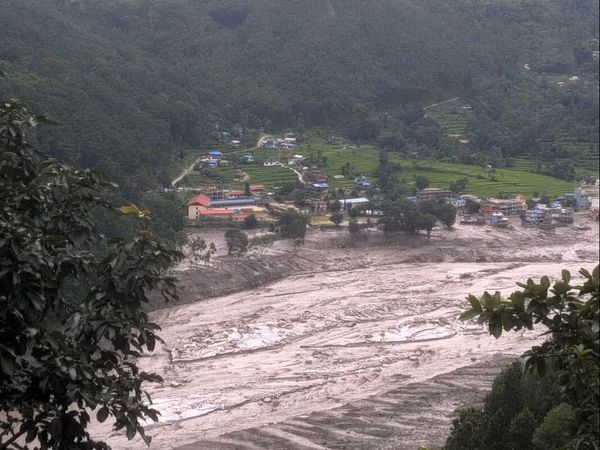
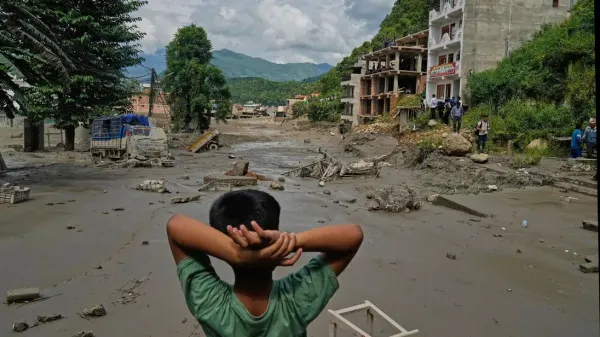
Communication after a disaster matters too
One particularly relevant point for the tourism industry concerns communication.
A localised natural disaster can quickly create an international perception that an entire country is unsafe.
The discussion therefore highlights the need for clear post-disaster communication that explains where an incident has occurred and distinguishes affected areas from parts of the destination that continue operating normally.
For destinations dependent on international tourism, this is increasingly important.
Climate resilience is not only about protecting infrastructure and people. It also requires the ability to communicate accurate information quickly enough to prevent a local event from unnecessarily damaging confidence in the wider destination.
Can Bhutan grow without abandoning “high value, low volume”?
The next five to ten years could fundamentally change Bhutanese tourism.
Demand for meaningful, slow and sustainable travel is expected to support continued growth. Gelephu and its international airport could provide a second major gateway, while wellness and mindfulness could become increasingly important components of the country’s international positioning.
There is also an expectation that rules could become tighter to ensure a greater proportion of tourism revenue remains with local operators and communities.
At the same time, climate-smart practices — from early-warning systems and safer routes to disaster-aware itinerary design — are expected to become standard elements of tourism operations.
Yet perhaps the most important point is what Bhutan does not intend to change.
Even as visitor numbers increase, the country’s “high value, low volume” philosophy is expected to remain, with quality prioritised over quantity. The ambition is for Bhutan to become a global example of responsible tourism that benefits its land, culture and people.
That creates an unusual tourism development test.
Bhutan is not asking simply how many more visitors it can accommodate.
It is attempting to answer a more difficult question: how can a destination grow while protecting the qualities that made people want to visit in the first place?
Gelephu Mindfulness City, climate-smart tourism planning and the continued emphasis on meaningful experiences suggest that Bhutan intends to find its own answer.

ITB Asia Conference 2026 Programme Taking Shape
Next month, your humble editor will be one of the speakers at the ITB Asia Conference 2026 running from 21–23 October in Singapore, under the theme “Experiences in Motion: Human-Centred Design in Travel & Tourism”.
The programme will examine how the travel industry is responding to changing consumer behaviour, new technologies and evolving business models – with a focus on putting people and their experiences at the centre of innovation.
Organised by Messe Berlin Asia Pacific, the three-day conference will bring together more than 150 industry leaders.
Sustainability will feature prominently in the programme part called The Next Decade of Sustainable Travel, where industry leaders will discuss embedding responsible practices into travel strategy, product development and destination management, while creating meaningful experiences for travellers. Speakers include Preethi Sanjeevi, CEO & Co-Founder, Greytt.ai; your humble editor, Prof. Dr. Wolfgang Georg Arlt, Executive Director, Meaningful Tourism Centre; Mark Wong, Senior Vice President, Asia Pacific, Small Luxury Hotels of the World; and Assistant Professor Dr. Kaewta Muangasame, Project Director, Thailand Green Plan 2030 Project, Department of Tourism of Thailand (DOT), and Director, Sustainable Tourism Action Center (STAC).
IndiAirport talking about Meaningful Tourism and Crisis Management

If you, as a reader of the Meaningful Tourism Weekly working in the aviation sector, are not able to visit ITB Asia in October, maybe you can consider meeting your humble editor in November in Gandhinagar for the IndiAirport Exhibition and Summit.
The organisers kindly confirmed that PROF M will be invited for a keynote address, sharing insights into the importance of Meaningful Tourism Economy development for airlines and airports, including updating their preparations for a – hopefully never happening – natural or manmade disaster with the FIRST SIX workshop and Lab program, which MTC is offering together with its partner Flying Media.
Book Chapter Soon to be Available
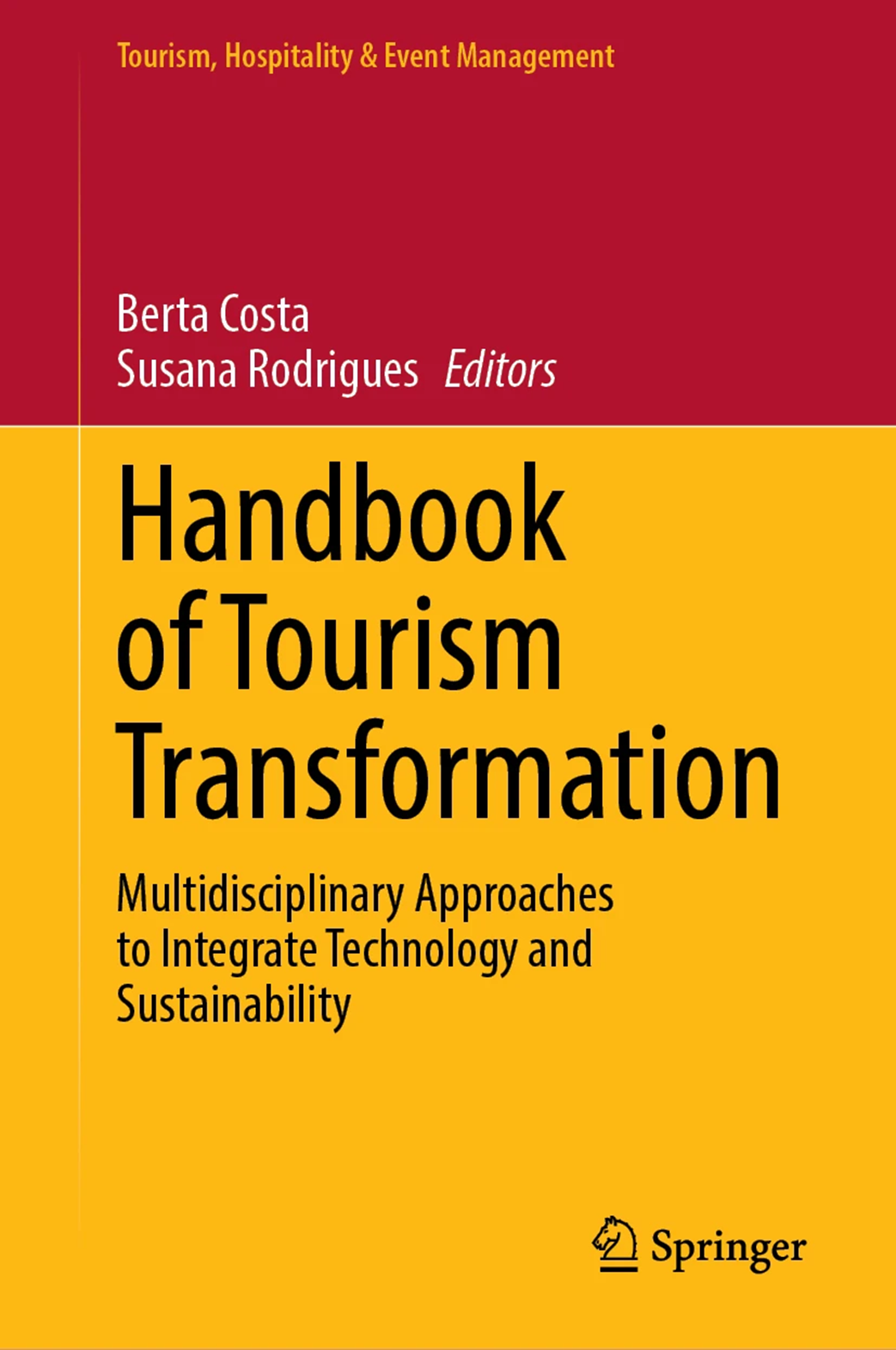
A positive update about the chapter on Meaningful Tourism and AI in the upcoming Handbook of Tourism Transformation: Multidisciplinary Approaches to Integrate Technology and Sustainability.
The Handbook is now in the production stage with Springer Publishers and its ISBN has already been assigned. The Handbook also now has its own page on the Springer website, which you can access here:
https://link.springer.com/book/9783032390547
However, the individual chapters are not yet available for online consultation, as the Handbook is still in the production process. The chapters will become available at a later stage. We will continue to keep you informed of any relevant updates regarding the production and online availability of the Handbook and the chapter on Meaningful Tourism and AI.

Meaningful Tourism Innovation Lab Nepal Relocates to New Lalitpur Office
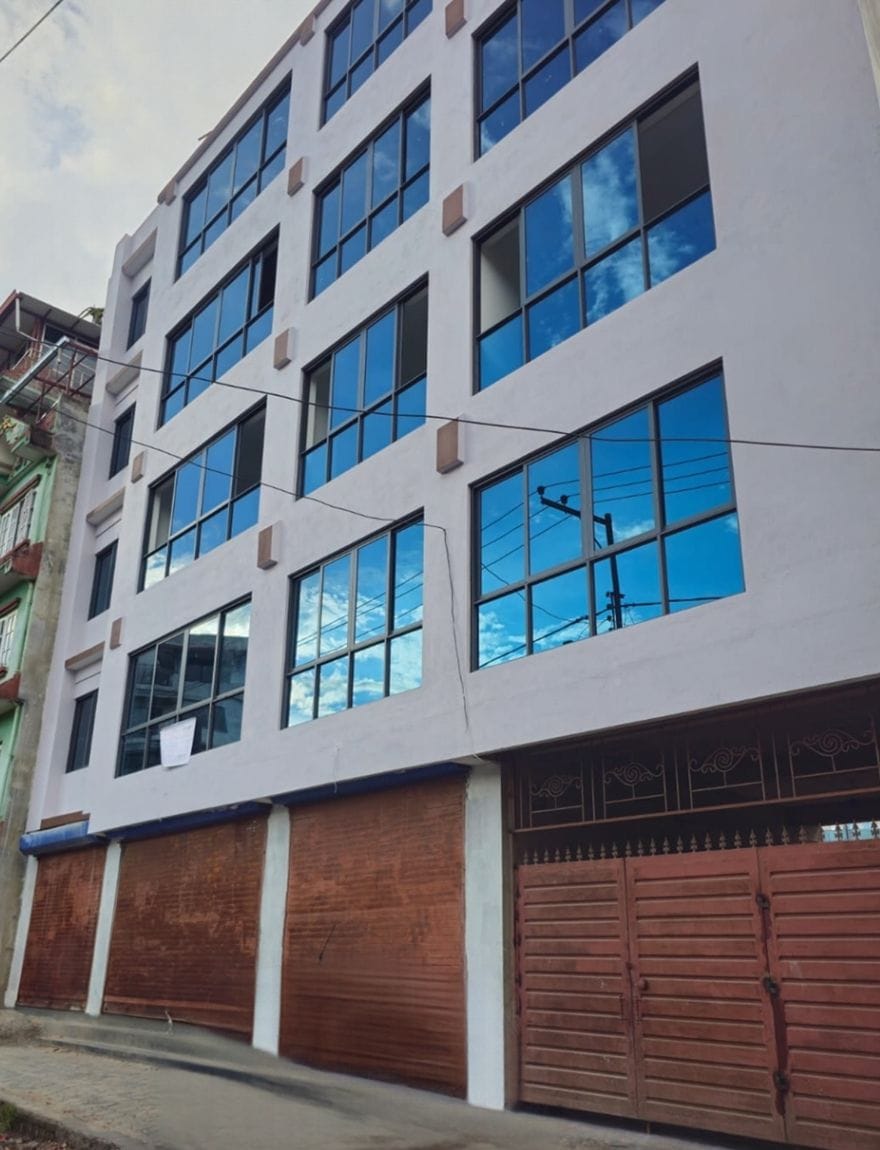
Meaningful Tourism Innovation Lab (MTIL) Nepal is moving together with the Meaningful Tourism Centre this week to a new, bigger office, relocating from Chakupat, Lalitpur to the new premises in Chyasal, Lalitpur.
The move will take place on Saturday, 26th September 2026. Starting from Monday, 28th September 2026, MTIL Nepal will begin all its regular operations and activities from the new location in Chyasal, Lalitpur.
Please take note of the new address for future correspondence and visits. Email, WhatsApp, and telephone details will remain the same.

Meaningful Tourism Community: The Meaningful Tourism Transformational Game Workshop Trainer
Atinuke Adeleye - Certified Trainer for Nigeria

Atinuke Adeleye is a tourism and hospitality professional, sustainability advocate, and founder of Tranquil Travels and Tours. Her main focus is on sustainable tourism, destination development, community-based tourism, and responsible tourism practices. She is passionate about using tourism to support economic and community development, while promoting meaningful value for visitors, communities, businesses, employees, governments, and the environment. She is also involved in sustainability education and is developing her expertise in leadership and sustainability reporting.
Meaningful Tourism Weekly: What is the current situation of tourism in Nigeria, and how can the Meaningful Tourism Paradigm help to support its development?
Her Answer:
Nigeria has significant tourism potential due to its rich cultural heritage, diverse landscapes, festivals, historical sites, wildlife, creative industries and large domestic market. Tourism is increasingly recognised as an important contributor to economic diversification, employment and investment. However, the sector has not yet fully realised its potential.

Key challenges include inadequate tourism infrastructure, limited investment, security concerns, insufficient tourism data, skills gaps, weak destination management and limited integration of local communities into tourism development. There is also a need to ensure that tourism growth generates tangible economic, social and environmental benefits rather than focusing mainly on increasing visitor numbers.
The Meaningful Tourism paradigm provides a holistic approach that can support Nigeria in addressing these challenges. It recognises six key tourism stakeholders: visitors, host communities, tourism employees, tourism and hospitality businesses, government, and the environment. The approach seeks to ensure that all six stakeholders receive objective benefits and subjective satisfaction from tourism activities.
For Nigeria, this paradigm can help shift tourism development from simply attracting more visitors to creating greater value from tourism. It can support stronger community participation, better employment opportunities, responsible business practices, environmental protection and improved visitor experiences.
A major strength of Meaningful Tourism is its focus on measurable results through SMART Key Performance Indicators (KPIs). Destinations and tourism organisations can assess their current situation, identify areas requiring improvement, establish measurable targets and continuously monitor progress.
If applied effectively, Meaningful Tourism can help Nigerian DMOs, tourism businesses, government agencies and communities work together rather than operating independently. It can therefore contribute to building a tourism sector that is inclusive, sustainable, resilient and economically beneficial.
MTC Certified Trainers
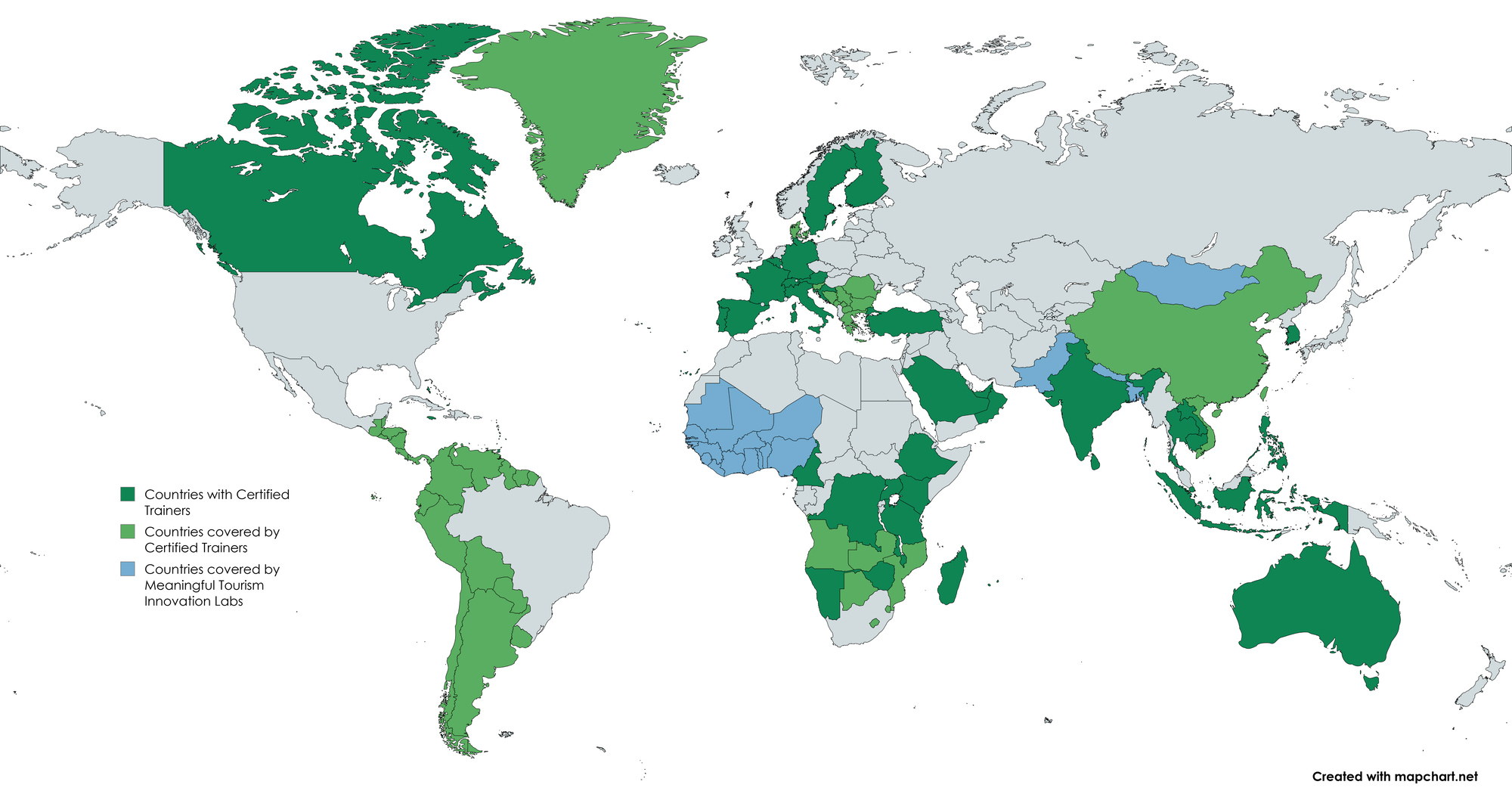
Please find below an overview of all our Certified Trainers for the Meaningful Tourism Transformational Game Workshop, along with the World Map showing the countries currently covered directly or indirectly.
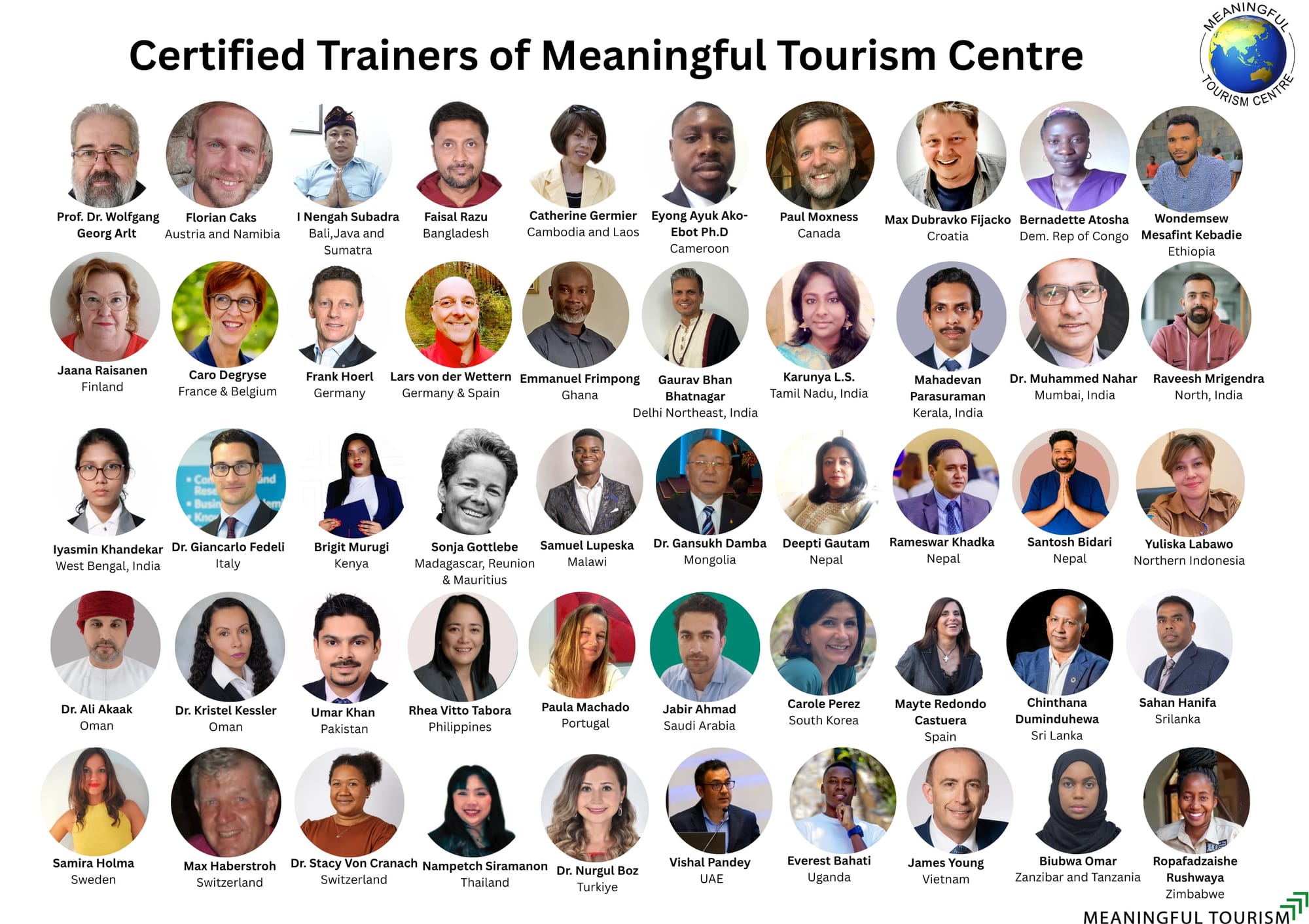
The network of MTC Certified Trainers is constantly growing. As shown on the map, many countries and regions worldwide are already served by dedicated experts. However, MTC is continuously looking for professionals with experience in training or lecturing and a passion for sustainable tourism to join the network and fill the blanks on the map.

ITB Asia 2026
21-23 October 2026
Sands Expo & Convention Centre, Singapore

ITB Asia, Asia’s Largest Travel Trade Show, is an annual 3-day B2B trade show and convention designed to bring together the key travel industry leaders in the region. It brings together international exhibitors and buyers from the MICE, Leisure, and Corporate segments.
About Meaningful Tourism Weekly
Meaningful Tourism Weekly is published every Thursday by Meaningful Tourism Centre (MTC) - London and Kathmandu, in collaboration with Travel Asia Now, led by Rhea Vitto Tabora.
Each issue features an Editorial, updates on MTC activities, a Best Practice Example, a profile of an MTC-certified trainer, news about upcoming events, and, occasionally, additional op-ed pieces from guest authors. The Meaningful Tourism News section also includes carefully selected news items, including videos and podcasts, with links to their original sources.
Subscription to Meaningful Tourism Weekly is free, with the addition of a paid content section that includes a library of surveys, exclusive articles, conference presentations, and statistical data, offering subscribers invaluable resources.
Sponsorship opportunities are available for those interested in supporting this initiative.
For more information about MTC's training programs, market research, product adaptation, consulting services, conferences, strategy development, and marketing, visit our website or email us at info@meaningfultourismcentre.org.