Second Meaningful Tourism Innovation Lab started in Bangladesh


Dear reader,
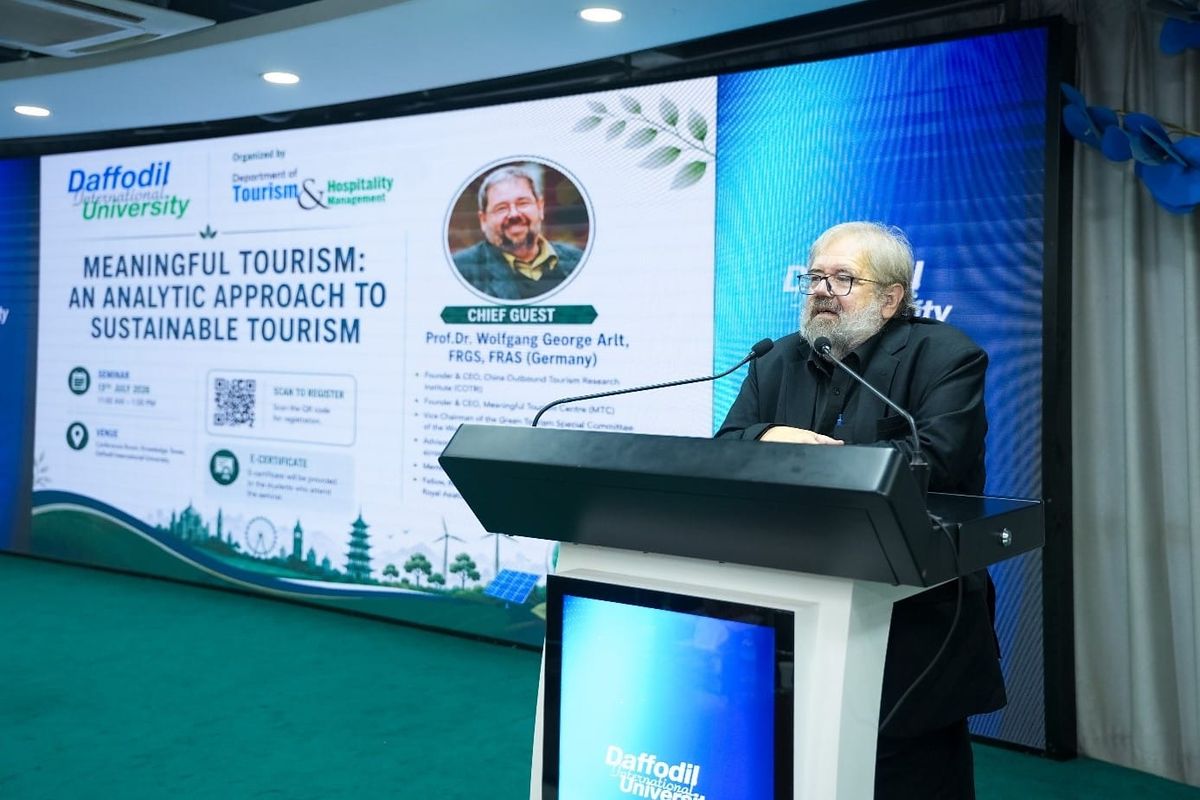
this week, your humble editor was very busy visiting Dhaka, the capital of Bangladesh at the invitation of the Daffodil International University, Department of Tourism and Hospitality Management. The DIU DTHM is the partner of the Meaningful Tourism Innovation Lab (MTIL) Nepal as the host organisation of the MTIL Bangladesh.
As the MTC Meaningful Tourism Centre headquarter is located in Kathmandu/Nepal, it is only a 70-minute flight with Biman Bangladesh Airways to Dhaka. Biman flights on this route are almost always on time and the service and friendliness of the staff were outstanding.
However, entering the country took longer than the flight. First, the immigration officer had to be convinced that, after showing the receipt for the 50 USD visa-on-arrival fee, no hotel reservation could be produced, as your humble editor was staying in the DIU guesthouse. This hurdle taken, it turned out that a waiting time for the luggage of more than one hour is rather the norm than the exception at the newly renamed Hazrat Shahjalal International Airport.
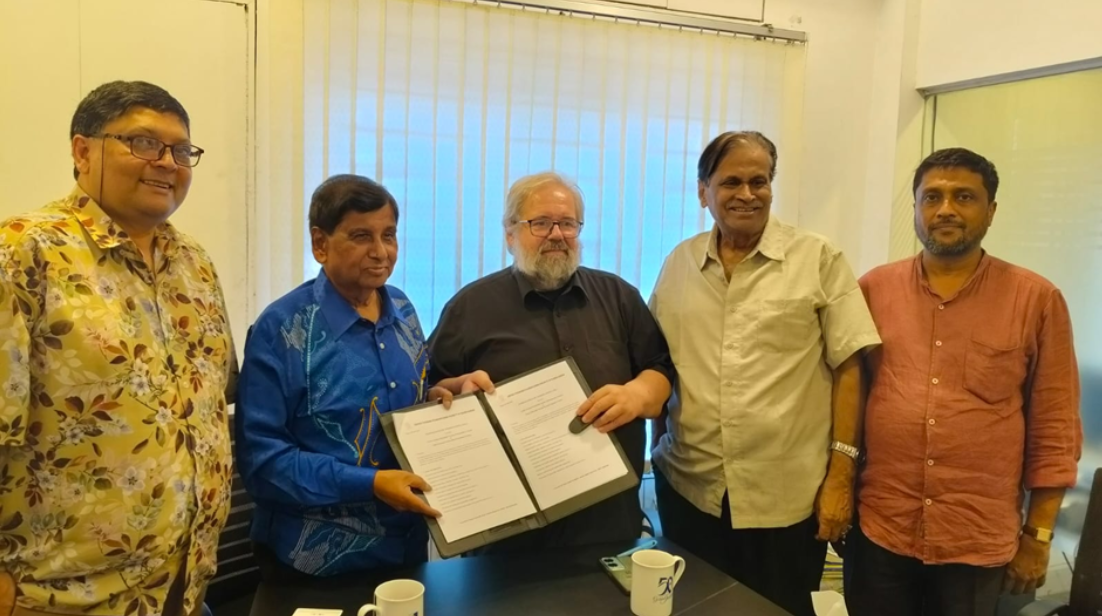
The rest of the stay however, was a wonderful experience. Three MoUs were signed, one for the establishment of the Meaningful Tourism Innovation Lab Bangladesh and another one with COTRI China Outbound Tourism Research Institute for cooperation in the field of Chinese inbound and outbound tourism and investment, with the DIU DTHM as a partner for both. This department has the highest number of tourism students in the whole country and is combining lecture hall instructions with practical projects, experiences and internships. Several students and faculty members made sure that every step of my visit was feeling like walking on a continuously rolled out red carpet.
The third MoU resulted in consultations with the United Tourism Stakeholders Society of Bangladesh (UTSSOB ) a newly formed organisation which aims to develop a united voice of the industry.
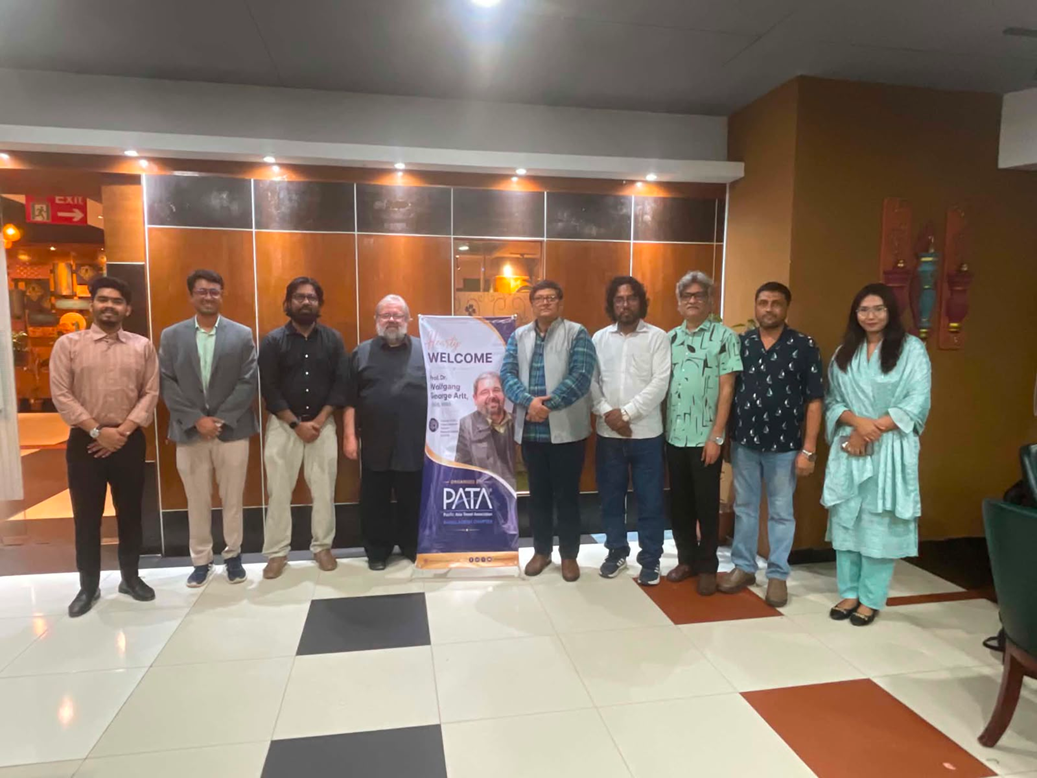
On the evening of the arrival day, PATA Bangladesh Chapter with its General Secretary Taufiq Rahman had invited a number of members and other tourism experts for a dinner with your humble editor, providing already a lot of insights into the unusual mixture of domestic overtourism in destinations like Cox’s Bazar with a rather pitiful number of international arrivals into the country. Only one in two thousand international trips ends in Bangladesh, even though the country is home to more than 2% of mankind. If business travellers and Bangladeshis with foreign passports entering the country are deducted, the number of 650,000 arrivals in 2025 shrinks further to maybe 200,000 or even less persons visiting “Beautiful Bangladesh” (this rather uninspired main slogan of the Bangladesh Tourism Board indicates already the lack of proper marketing) for leisure tourism purposes.
The next day saw your humble editor giving a two-hour lecture to more than 250 students and faculty members about the challenges and opportunities of Meaningful Tourism in Bangladesh, including the signing of the two MoUs. The following day was spent again in the university, with a roundtable talk including many major stakeholders in the nation's tourism industry and academia. The roundtable even made it into the national TV news.
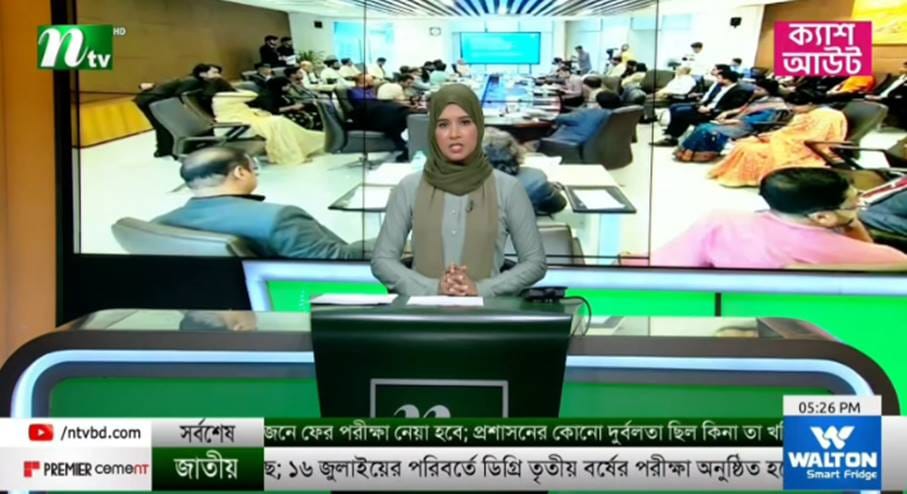
The new government in Bangladesh has been in office for four months, after the forceful ousting of the previous dictator and a period of an interim government. In the roundtable discussion – as in many others – many speakers made the point that the government is not paying much attention to tourism, but that without government investment and activities, nothing could be done. Fortunately, it turned out that not all stakeholders are falling back on this truism which gives an easy excuse for doing nothing beyond repeating the list of attractions, which are already overcrowded with domestic visitors.
After the roundtable, the students served a high-quality lunch, cooked by other students, in the restaurant lab of the university.
The third day was organised by Faisal Alam Chowdhury, Certified MTC trainer since the very beginning of MTC. On top of some external meetings already in the first days, he had perfectly organised visits to the Bangladesh Outbound Tour Operators Association (BOTOA) as well as to the UTSSOF. The visit ended with a Chinese dinner in the Kungfu Dumpling restaurant owned by Taufiq Rahman.
There are three tourism fairs in Bangladesh in September and October, and MTC and the MTILs will certainly participate in several of them, including the ceremony for the Meaningful Tourism Award 2026. More details are below in MTC News.
Bangladesh is way behind in the development as an inbound tourism destination. This can turn out to be an advantage, if with the implementation of a Meaningful Tourism Economy the mistakes of other destinations can be analysed and avoided. With half of mankind living within four hours' flight-time and the many attractions, natural beauty and hospitable hosts, the money seems to lie on the street with only the right tools needed to pick it up.
The full edition of the Meaningful Tourism Weekly this week includes, besides this editorial, a very interesting written summary of the Tourism Dialogues South Asia podcast with Fazel Bahardeen, the leading expert on Halal Tourism, speaking about the biggest non-geographical source market in international tourism, sharing insights valuable not only for receiving companies and destinations in South Asia, but worldwide.
Therefore, if you are reading this Editorial on LinkedIn, make sure to move to the full edition of the Meaningful Tourism Weekly newsletter on https://meaningful-tourism-weekly.ghost.io/. If you subscribe to the full edition on Ghost, free of charge, you will receive the complete weekly edition in your email inbox.
As always, all best wishes from the Meaningful Tourism Weekly team in Kathmandu and Manila, and from the whole Meaningful Tourism community to all our readers!


Travel Dialogues South Asia Podcast Summary
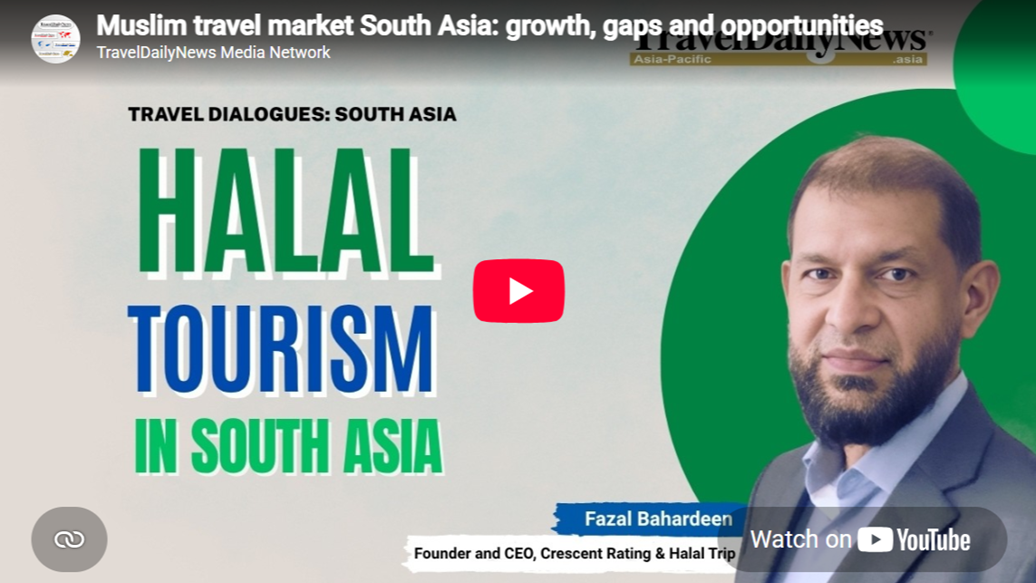
Every week, MTC and its partners TravelDailyNews Asia-Pacific and Tanneri Chaso provide a new episode of the TRAVEL DIALOGUES SOUTH ASIA series of podcasts concentrating on the development of Meaningful Tourism in South Asia, including Pakistan, India, Maldives, Sri Lanka, Nepal, Bhutan, and Bangladesh.
In the latest edition of the Travel Dialogues South Asia podcast, your humble editor talked with Fazal Bahardeen, CEO of CrescentRating and HalalTrip, about the Muslim travel market in South Asia and its growth, gaps and opportunities.
The global Muslim travel market has experienced significant growth over the past decade. According to the discussion, international Muslim arrivals reached approximately 160 million in 2019, increasing to an estimated 174 million in 2024 and projected to reach 196 million in 2025.
Looking further ahead, the market is expected to grow to 262 million travellers by 2030, with total expenditure estimated at $310 billion. This positions the segment as a mainstream travel market, representing around 11–12% of global international arrivals.
Within this context, the Muslim travel market in South Asia presents a substantial opportunity for destinations seeking to diversify demand and increase tourism revenue.
Characteristics of Muslim travellers
Unlike other outbound markets that are concentrated in a few countries, Muslim travellers originate from a wide range of global markets. Despite this diversity, they share common needs based on faith, including access to halal food, prayer facilities and family-friendly environments.
Meeting these requirements does not necessarily require large investments. Basic services, such as providing Qibla direction in hotel rooms or clearly communicating halal food availability, can significantly enhance destination appeal.
These shared expectations allow destinations to adopt a unified approach when targeting the Muslim travel market in South Asia.
South Asia’s current positioning
Despite having strong potential, most South Asian destinations have not prioritised the Muslim travel segment strategically. Countries such as Pakistan, Bangladesh, India, Sri Lanka and Nepal demonstrate varying levels of performance in the Global Muslim Travel Index, but overall lack coordinated positioning.
A key issue is visibility. Many tourism businesses already offer Muslim-friendly services, but fail to communicate these effectively to international audiences. As a result, destinations remain underrepresented in digital channels and travel planning platforms.
Perceptions also play a role, particularly in markets where negative media coverage impacts travel decisions.
Strategic gaps and missed opportunities
The discussion highlights a disconnect between existing tourism assets and strategic planning. While South Asia benefits from geographic proximity to major Muslim source markets in Southeast Asia and the Middle East, this advantage is not fully leveraged.
The absence of top-down strategic direction from tourism authorities limits the ability to position the region effectively. At the same time, marketing efforts remain fragmented, with insufficient focus on targeted communication and stakeholder education.
As a result, the Muslim travel market in South Asia remains underdeveloped despite its inherent advantages.
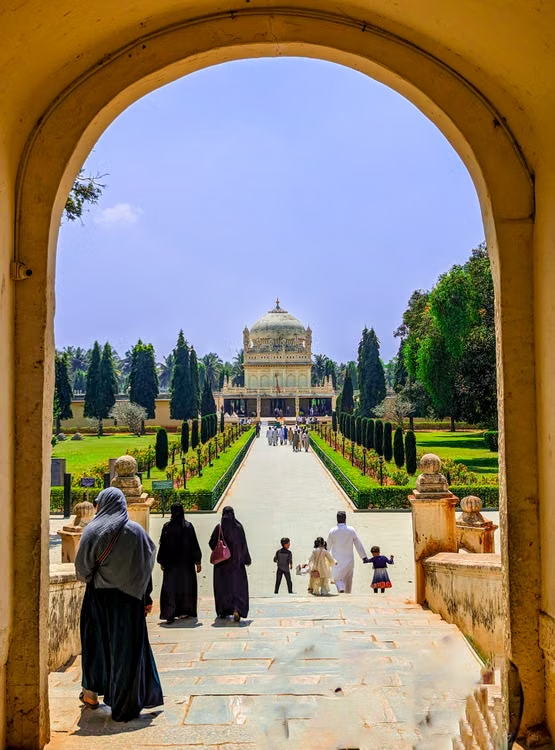
Frameworks for destination development
To address these gaps, structured frameworks have been developed to support destinations in attracting Muslim travellers. The ACES model focuses on core elements such as accessibility, communication, environment and services, providing a foundation for destination readiness.
Building on this, the RIDA framework emphasises the development of responsible, immersive, digital and assured experiences. At a more advanced level, the TRUST model highlights the importance of transparency, relevance, user experience, social engagement and customer value.
These frameworks provide a roadmap for destinations seeking to strengthen their position in the Muslim travel market in South Asia.
Outlook for regional growth
The long-term outlook for the Muslim travel market in South Asia remains positive, driven by strong global demand and the region’s proximity to key source markets. However, unlocking this potential will require a shift towards strategic prioritisation, improved communication and enhanced product development.
By aligning infrastructure, services and marketing with the expectations of Muslim travellers, South Asian destinations can increase their competitiveness and capture a larger share of this rapidly expanding segment.
The full podcast can be found here:
https://www.traveldailynews.asia/column/interviews/muslim-travel-market-south-asia/
All videos are also available on the MTC YouTube channel.

Second MTIL Meaningful Tourism Innovation Lab founded
As reported in the editorial above, on July 13, 2026 the MTIL Meaningful Tourism Innovation Lab Nepal welcomed the first of a number of organisations to start a regional MTIL. The Daffodil International University, Department of Tourism and Hospitality, is the perfect partner for such an undertaking in Bangladesh, combining the flexibility of a privately owned university with the highest number of tourism students in the country with the close relationships with the tourism and hospitality industry and an approach based on sustainability and practical application of research results.
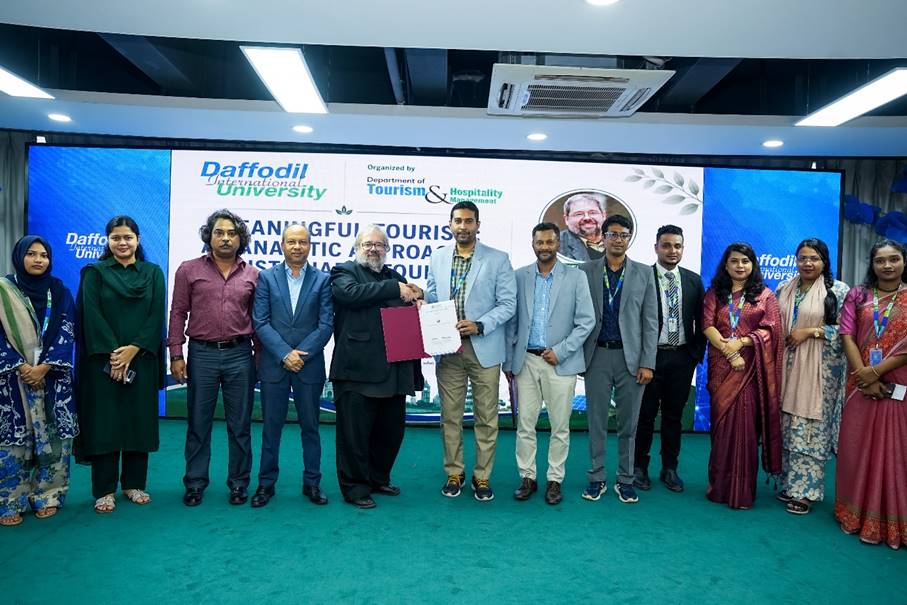
The contact was made not the least by Ass. Prof. Dr. Indrajeet Mallick, who happens to be a former Master student of your humble editor back in Germany in 2012/2013.
The planning has already begun for joint projects including trainings, workshops, consulting and conferences. MTIL Bangladesh will play the role of a nexus bringing together the different stakeholders and providing practical tools for the improvement of tourism, especially inbound tourism, in Bangladesh.
Meaningful Tourism Award 2026 soon opening for applications
The Meaningful Tourism Award has been organised by MTC since 2022, with previous venues for the award ceremony in Singapore at ITB Asia, Doha at the Qatar Travel Mart and in Kathmandu at the Himalayan Travel Mart.
In 2026, the award ceremony will take place in one of the tourism fairs in Dhaka. More details will be published in the coming weeks including the form for applications. Watch this space for details.
August 10, 2026: First Meaningful Tourism Workshop organised by Meaningful Tourism Innovation Lab Nepal
After the establishment of the Meaningful Tourism Centre in Nepal in 2024 and the recent start of Meaningful Tourism Innovation Labs (MTIL) in Nepal and in Bangladesh, Meaningful Tourism now starts practical applications with a kick-off workshop in Kathmandu on August 10, 2026.
The two leaders of the MTIL, your humble editor “PROF M”and Mr. Suman Baral, co-leaders of the I.Stem Lab, will provide the first full-day workshop to provide a head-start for a better future of tourism for tourism and hospitality companies and organisations.
The MTILs are promoting the development of a Meaningful Tourism Economy, providing practical tools for companies and organisations to create the official vision of PATA Pacific Asia Travel Association: A Meaningful Pacific-Asia Tourism Economy.
On August 10, 2026, the workshop will start with PROF M explaining the tools of Meaningful Tourism, which is based on the insight that all stakeholders need benefits and satisfaction from tourism to be able to provide quality and to attract the right kind of international customers.
After that, Suman Baral will provide examples how Artificial Intelligence can be integrated into a Meaningful Tourism approach to guarantee visibility in the international market, quality control and more efficient ways of work and promotion.
After a joint lunch, participants will work together in groups to learn how to apply Meaningful Tourism and AI tools with the help of practical examples.
To celebrate the start of the work of the Meaningful Tourism Innovation Lab Nepal, the participation fee for the workshop has been reduced to 7,000 Nepali Rupee per person. If a company or organisation is sending more than one person, there is a further reduction to 6,000 Nepali Rupee per person.
Participants will receive a certification of participation from the Meaningful Tourism Innovation Lab, as well as a certification as Level 1 member of the Meaningful Tourism Movement, and a copy of the latest eBook of the Meaningful Tourism Centre. A free lunch is also included. The workshop will be held in English from 10 a.m. until 4 p.m. in the Meaningful Tourism Innovation Lab headquarter in Lalitpur.
From September, workshops will also be offered in Dhaka by the MTIL Meaningful Tourism Innovation Lab Bangladesh.

Meaningful Tourism Community: The Meaningful Tourism Transformational Game Workshop Trainer
Faisal Razu - Certified Trainer for Bangladesh
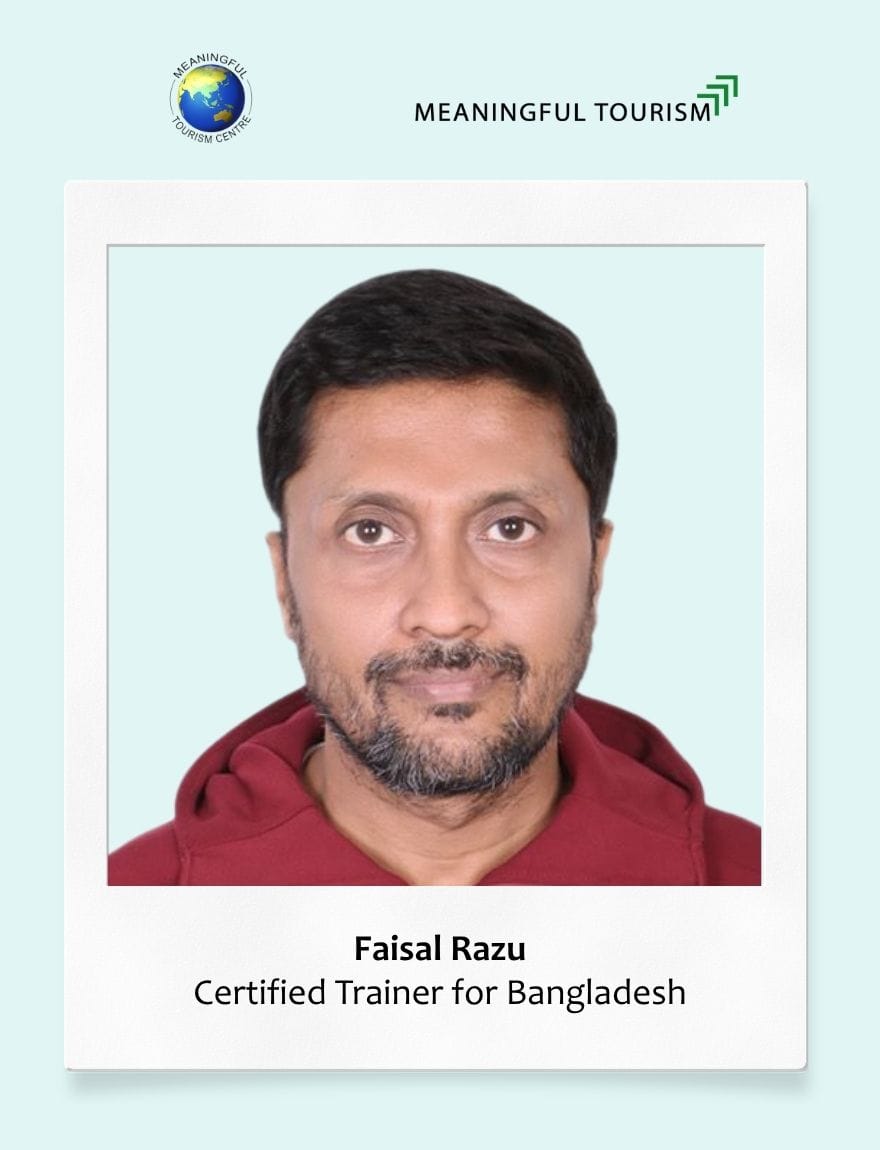
Faisal Razu is a seasoned travel consultant and tour operator with over a decade of experience in Bangladesh’s tourism and hospitality industry. As the founder of Piano Island Tours and Travels, he specializes in customized inbound and outbound travel experiences, promoting authentic Bangladeshi culture—from river cruises and village stays to eco-tourism and “Made in Bangladesh” fashion tours.
Faisal also serves as the Asia South Area Representative of the World Federation of Tourist Guide Associations and is the Bangladesh Chapter President of the International Wedding Planners Association. Known for his professionalism and passion, he is dedicated to elevating tourism standards and showcasing Bangladesh as a top global destination.
Meaningful Tourism Weekly: What is the current situation of tourism in Bangladesh and how can the Meaningful Tourism Paradigm help to support its development?
Faisal: My opinion is that the tourism sector in Bangladesh currently plays a mixed role — some areas are gaining modest growth, but serious structural challenges remain.
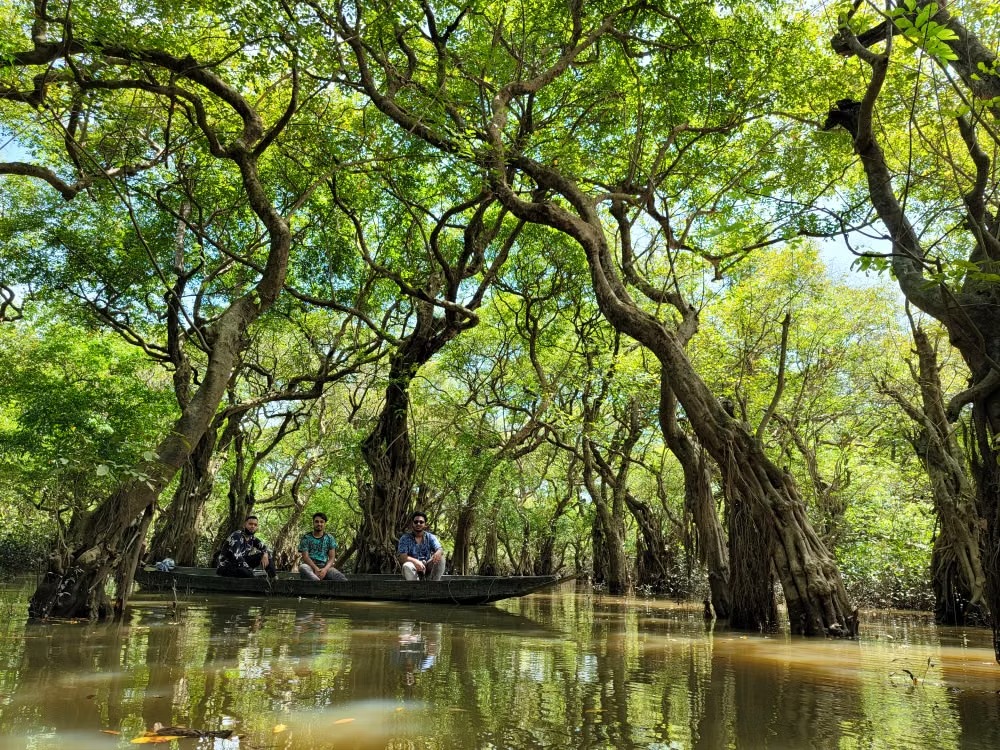
Domestic tourism in Bangladesh is growing strongly, and public–private partnership investments are remarkable. The government has started the “Visit Bangladesh” campaign, promoting iconic attractions like the Sundarbans mangrove forest, the beaches of Cox’s Bazar, the heritage city of Narayanganj, and the hill regions of Sylhet, Bandarban, and Rangamati.
I am also trying to promote tourism from my side by using #think_bangladesh, #visit_bangladesh, and “Narayanganj — a city full of color.” However, tourism industry development is a continuous process, and overall, it is still under development.
In 2024, this sector was badly affected by political instability, which we discussed during our Zoom meeting. Globally, our tourism ranking was 109 out of 119, according to the World Economic Forum last year.
Bangladesh has many valuable tourism elements. We need focus, and the government needs to make decisions if they want to utilize at least 50% of this potential. A meaningful tourism paradigm — based on sustainability, community involvement, infrastructure development, and strong governance — could help unlock the country’s potential. I believe investors from China and the UAE could take advantage of this opportunity for the best returns.
Finally, without a long-term strategic master plan, public–private partnerships, and coordinated policies, tourism growth is not possible. Such policies would help position Bangladesh’s tourism sector as a driver of economic, environmental, and social development.
MTC Certified Trainers
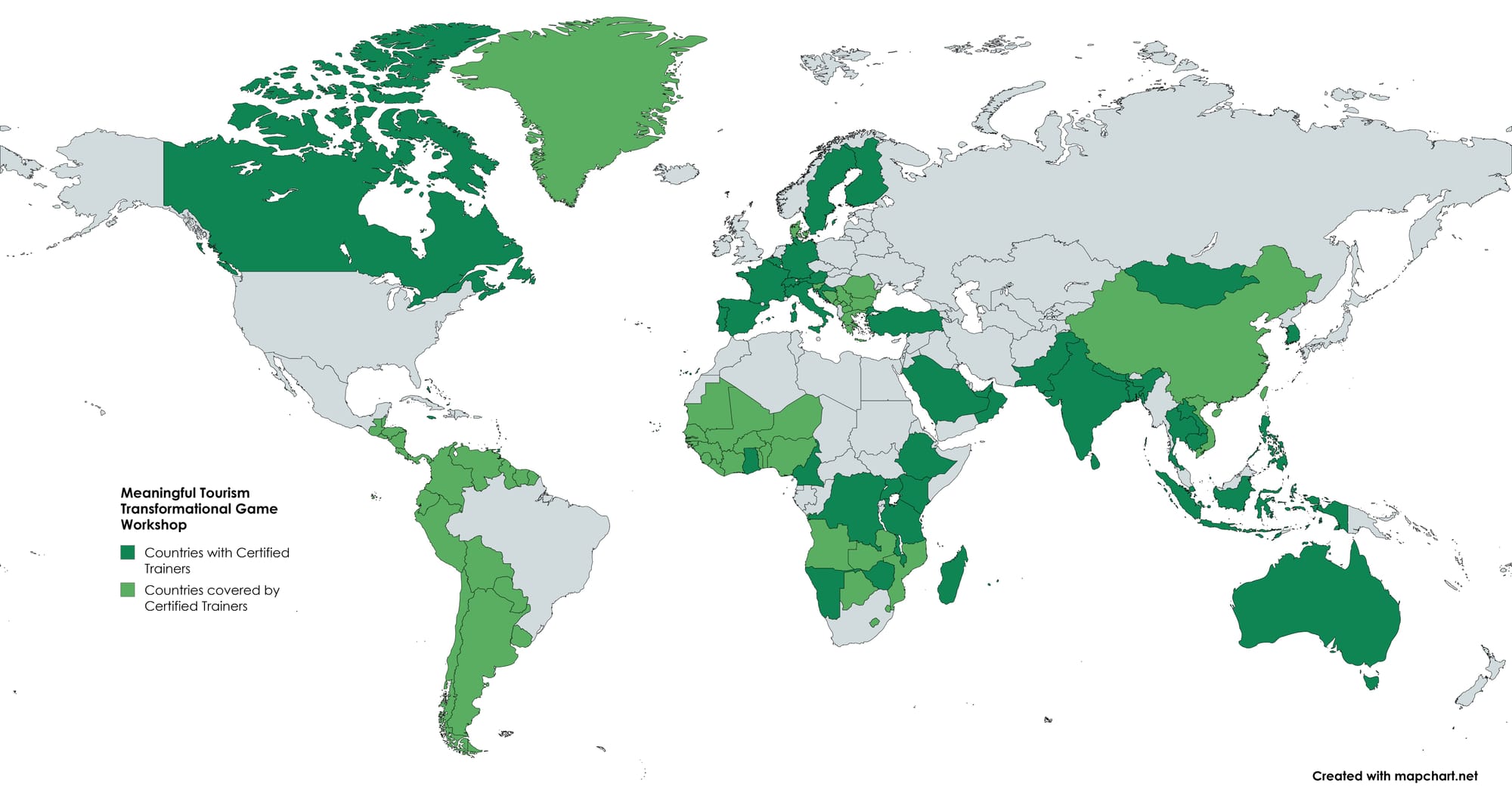
Please find below an overview of all our Certified Trainers for the Meaningful Tourism Transformational Game Workshop, along with the World Map showing the countries currently covered directly or indirectly.
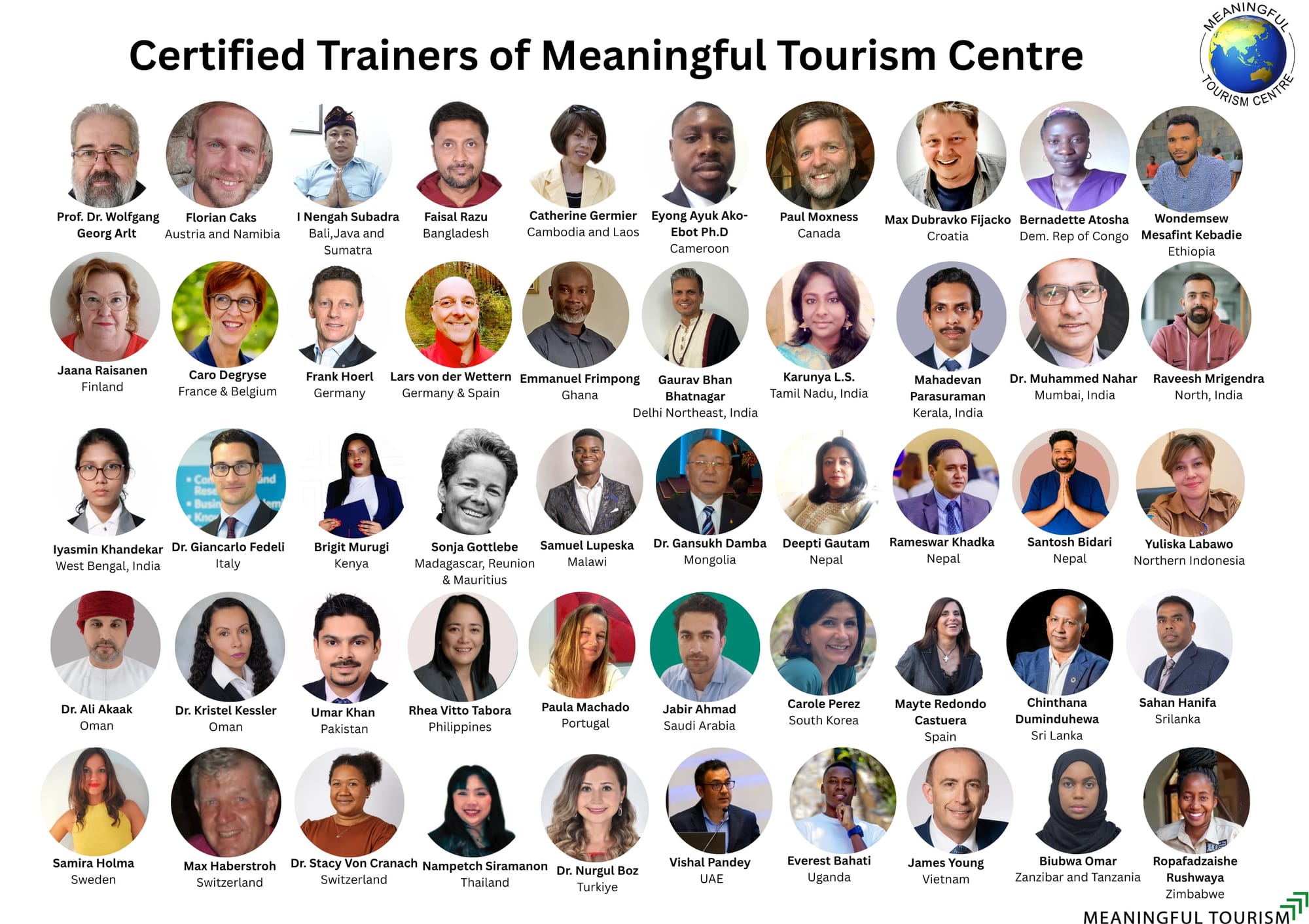
The network of MTC Certified Trainers is constantly growing. As shown on the map, many countries and regions worldwide are already served by dedicated experts. However, MTC is continuously looking for professionals with experience in training or lecturing and a passion for sustainable tourism to join the network and fill the blanks on the map.
About Meaningful Tourism Weekly
Meaningful Tourism Weekly is published every Thursday by Meaningful Tourism Centre (MTC) - London and Kathmandu in collaboration with Travel Asia Now, led by Rhea Vitto Tabora.
Each issue features an Editorial, updates on MTC activities, a Best Practice Example, a profile of an MTC-certified trainer, news about upcoming events, and, occasionally, additional op-ed pieces from guest authors. Carefully selected news items, including videos and podcasts, are also included, with links to their original sources in the Meaningful Tourism News section.
Subscription to Meaningful Tourism Weekly is free, with the addition of a paid content section that includes a library of surveys, exclusive articles, conference presentations, and statistical data, offering subscribers invaluable resources.
Sponsorship opportunities are available for those interested in supporting this initiative.
For more information about MTC's training programs, market research, product adaptation, consulting services, conferences, strategy development, and marketing, visit our website or email us at info@meaningfultourismcentre.org.