Tourism Crisis Communication Management - Learning from the flood in Nepal


Dear reader,
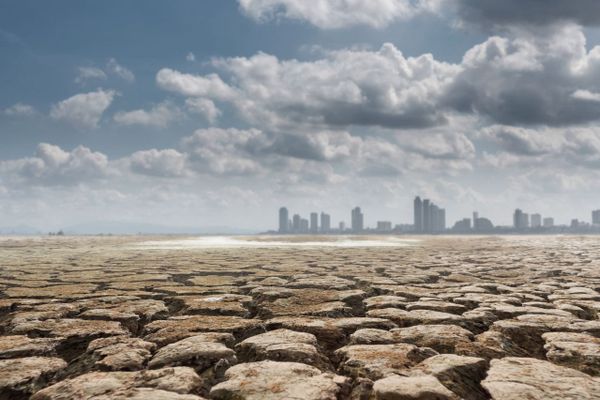
even two weeks after the deadly waves of water, mud, ice and rocks killed probably more than 7,000 persons and destroyed villages, hydropower stations and transport infrastructure in the border region of China and Nepal, the world is still paying attention to this tragedy.
With the first shock over, it has become clear that many houses and even schools were built far too close to the river in recent years, when in earlier times people would live in houses up on the hill and would use the fertile ground close to the river only as fields.
Exactly 25 years ago, 9/11, the collapse of the World Trade Center towers in Manhattan, became a defining moment of the new global 24/7 television-news environment. The flood in Nepal on August 26th, 2026 can be seen as the first case of a catastrophe being narrated, amplified and interpreted in an increasingly AI-assisted, smartphone-first media world.
The Nepal floods, officially called the Rasuwa–Bhotekoshi Floods, will probably not stay in the collective memory the same way the towers in NYC did for a quarter of a century, as bigger and deadlier floods will happen all over the world in increasing frequency in the coming years and decades.
Nepal has more than its fair share of natural disasters in the form of earthquakes, forest fires and regular floodings during the monsoon season, and went through the earthquake of 2015 in the Kathmandu Valley and as a man-made disturbance exactly one year ago the Gen Z movement, which toppled the government.
Still, it unfortunately turned out that Nepal was not prepared for such a tragic event in reacting to the “first wave” of physical destruction in terms of rescue and support of the people trapped in villages which lost all road access and help for the homeless and the wounded. Nepal had also not prepared for the “second wave”, the long-term damage of the brand of Nepal as a destination in terms of cancellation after the event and, more importantly, the loss of trust in the safety and security of the destination in the following years.
Crises are no longer made global only by press conferences or television news. A smartphone video, a social post, an automatic translation or an AI-generated summary can shape international perception before a destination has activated its communication architecture.
MTC has therefore agreed with our partners Flying Media to use the experience of the tourism crisis communication with regard to the Nepal floods as a Reality Case for a training program, not as a blame exercise, but as a real situation through which Tourism Crisis Communication can be examined and learned to be managed with better results in an AI-powered media environment.
That will not stop the first wave, but it might help to prevent second-wave losses of business, jobs and income from a reduction of inbound traveller arrivals and spending when it is most needed in the aftermath of tragic events.
Meaningful Tourism can play an important role already in the preparation for the Tourism Crisis Communication. A destination is not a single sender. During a crisis, visitors, the host community, employees in the service industry, companies, governments and environmental/NGO representatives have legitimate voices – alongside NTOs, DMOs, DMCs, hotels, airlines, airports, attractions, influencers and media partners. Using Meaningful Tourism tools, it becomes clear that the way for a successful communication is not talking about the people, but by the people. At the same time, many voices must not become a “cacophony of despair”. The task is to align interests, facts, roles and core messages as far as possible so that authenticity is preserved without creating a contradictory overall picture.
The program is called THE FIRST SIX, as the first six hours decide how a story is told in global media, if people will remember the “Nepal floods” in half a year or the “Langtang mountains flood”, happening not “just north of Kathmandu” but in the “border region with China”.
THE FIRST SIX is not a single workshop, but will grow into a modular system of knowledge, training, simulation, labs, readiness and ongoing support.
MTC will provide additional training for its Certified MTC trainers worldwide for this special program, your humble editor will also conduct workshops and customized THE FIRST SIX labs, especially in Asia and Africa.
Last week, leaving Nepal for a week, your humble editor had a very rewarding and successful time during ITB India in Mumbai. You can find a short report in the MTC News section below.
We also include the summary of the latest Travel Dialogues South Asia, this week talking about the upcoming World Peace Forum in Lumbini. Your humble editor will have the honour to present Meaningful Tourism and Peace as the topic of a presentation.
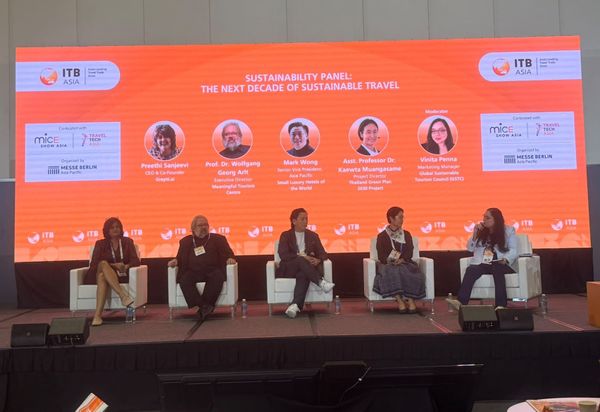
We can also already confirm that your humble editor will be speaking at the ITB ASIA conference next month in Singapore.
In the MTIL news, there are further good news to report about the growing network of MTILs in the world.
If you want to support the Nepali people, come to Nepal now; the country is safe and welcomes every visitor even more than before. If you do not have the opportunity to travel to the country, the Prime Minister Disaster Relief Fund is the central account for donations. Information can be found here:


A website with a dashboard named Nepal Now has been established, which should provide permanent updates about the situation in Nepal, even though, as of the time of writing, it had not been updated for two days already.
 NepalNow Travel
As always, all best wishes from the Meaningful Tourism Weekly team in Kathmandu and Manila, and from the whole Meaningful Tourism community to all our readers!


Summary of the latest edition of Travel Dialogues South Asia Podcast

Every week, MTC and its partners TravelDailyNews Asia-Pacific and Tanneri Chaso provide a new episode of the TRAVEL DIALOGUES SOUTH ASIA series of podcasts concentrating on the development of Meaningful Tourism in South Asia, including Pakistan, India, Maldives, Sri Lanka, Nepal, Bhutan, and Bangladesh.
In Nepal, connecting global peace dialogue with climate action, sustainable development and tourism.
The Lumbini World Peace Forum is seeking to establish the birthplace of Buddha as an international platform for dialogue on peace, climate change, sustainable development and other issues shaping the global agenda, according to Basu Gautam, Founder and President of the Lumbini World Peace Forum.
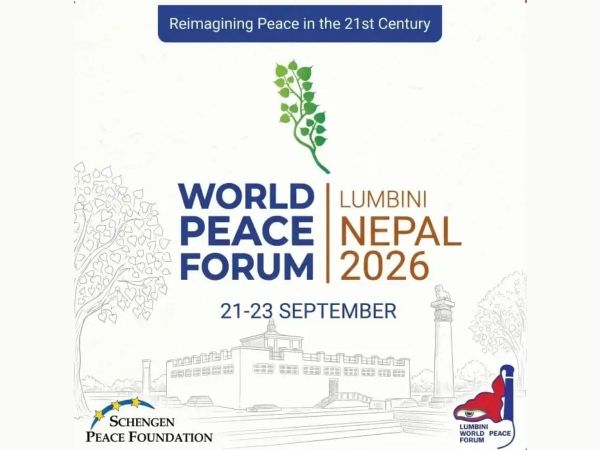
Speaking with your humble editor on Travel Dialogues South Asia, Gautam outlined the organisation’s work in Nepal and plans for the 17th World Peace Forum, scheduled to take place in Lumbini from 21 to 23 September, beginning on the International Day of Peace. B2Btravel services
Beyond its international policy agenda, the event also has a tourism dimension. Its organisers see the forum as an opportunity to increase international awareness of Lumbini, encourage visitation and generate economic opportunities for communities surrounding one of the world’s most significant spiritual heritage sites.
Ecotourism, climate action and one million trees
Based in Nepal, LWPFor works across areas including ecotourism, intercultural dialogue and climate change.
One of its principal environmental initiatives has been a programme to plant one million trees across Nepal. The organisation has been working on the project for the past seven years, with particular attention to remote and grassroots communities.
The initiative reflects wider concerns about Nepal’s exposure to climate change, particularly given its Himalayan geography.
Those concerns have gained renewed urgency following severe post-monsoon flooding in Nepal. According to Gautam, the disaster resulted in more than 300 deaths, with further people reported missing.
The scale of the flooding, he said, demonstrates the country’s vulnerability to changing climatic conditions and the need for mitigation measures, as well as international cooperation during the recovery process.
World Peace Forum comes to South Asia
The 17th Lumbini World Peace Forum will be organised by LWPFor in partnership with the Schengen Peace Foundation of Luxembourg.
The event represents the first time the World Peace Forum has been held in South Asia. It is also notable for taking place outside a national capital. Asiamarket insights
Lumbini’s selection is closely connected with its international significance as the birthplace of Buddha. Gautam also points to Nepal’s non-aligned position and its geographical location between India and China as factors supporting Lumbini’s potential to serve as a neutral meeting place for international dialogue.
The longer-term ambition extends beyond hosting a single event. The organisers envisage establishing Lumbini as a regular venue for international discussions, with an annual gathering capable of developing its own identity around global peace and contemporary international issues.
The aspiration is to create a platform with continuity and international recognition, drawing a comparison with the role that Davos has developed through the World Economic Forum.
Global Peace Index founder among speakers
The keynote speaker will be Steve Killelea, Founder of the Institute for Economics and Peace in Sydney and creator of the Global Peace Index.
The index provides a data-driven measurement of peace and is referenced by international institutions including the OECD, IMF and World Bank.
Other participants are expected to include Vicky Hansen, President of the Schengen Peace Foundation in Luxembourg, as well as the founder of the Peace Journalism Foundation in Uganda, a BBC award-winning journalist who will address the role of media in mitigating conflict.
Delegates are expected from more than ten countries, including Bhutan, Malaysia and Indonesia, while invitations have also been extended to participants from India and Bangladesh.
Your humble editor will be one of the speakers during the Forum, talking about the importance of peace for a Meaningful tourism Economy.
MTC News
Meaningful Tourism in India
Last week, your humble editor spent a busy but very successful week in Mumbai, speaking at the ITB India about “Meaningful Tourism as a tool for sustainable tourism development in India and beyond”. During more than a dozen meetings with exhibitors and visitors, many of whom used our free Visitor Passes, new relations and projects were created.


The most important were our cooperation with Flying Media, as described in the Editorial above, and our agreement with the prestigious TATA Institute for Social Sciences (TISS) to consider starting an MTIL India at TISS.
Next to many contacts with Indian stakeholders, we could also intensify our relations with Bhutan and will hopefully be able to bring Meaningful Tourism tools to the table for the development of the Mindful City planned in Bhutan.
Another highlight of the trip was the hybrid online and offline meeting and dinner with several of our Indian Certified MTC trainers, who will also be involved in the development of the MTIL India.
The fair was very well organized and will certainly continue to play an increasing role in the Indian tourism ecosystem in the coming years.
Meaningful Tourism in Singapore
Messe Berlin organises not only ITB Berlin and ITB India, but also ITB Asia, which will take place next month in Singapore. The organizers confirmed during ITB India that your humble editor will also be invited to speak at the conference during this fair about Meaningful Tourism. More details will be published here in the Meaningful Tourism Weekly soon.
New Certified MTC Trainer in the pipeline
During this week, MTC conducted the next round of Train-the-Trainer workshops with participants from Africa, the Middle East and Asia. In the coming week, further talks will be held with each participant, hopefully leading to agreements for additional countries, which will enjoy having their own Certified MTC trainer.

MTIL Nepal
The recent tragic flood of August 26 has devastated many communities in Nepal, including families and businesses that are closely connected to tourism. Thoughts and deepest sympathies are with everyone who has lost relatives, colleagues, homes, or livelihoods. At the same time, this disaster has once again shown that tourism in Nepal must respond to the increasing effects of climate change. Nepal needs to develop new products and new ways to organise tourism that are more resilient, fair, and sustainable. Meaningful Tourism provides tools to achieve this with a holistic approach and with the help of simple, practical AI applications.
MTIL Nepal will organize for the second time a full-day Meaningful Tourism & AI Workshop on September 24th, 2026. This workshop again offers an opportunity to gain in-depth knowledge of Meaningful Tourism and explore practical applications of Artificial Intelligence in tourism, especially at a time when rebuilding and rethinking tourism has become more urgent than ever.
For an initial period, MTIL Nepal was organized as a partnership between I.Stem Ltd. and the Meaningful Tourism Centre. Last week, MTIL Nepal received the official registration as a non-profit organization and signed a basic cooperation agreement with the MTC. MTIL Nepal will coordinate, on behalf of MTC, all MTILs in the world.
MTIL Mongolia
The Mongolia Tourism Innovation Lab is starting its work at the end of the summer holiday period in the country. The two partners, Sustainable Tourism Development of Mongolia and The Tourism Education and Development Society of Mongolia, are busy preparing the first activities.
MTIL India
As a result of discussions in Mumbai in the past week, the TATA Institute of Social Sciences, one of the most prestigious universities in India with 90 years of history and four campuses in different parts of the country, is planning to start the MTIL India under the Skill Facilitation Centre of TISS.
Key focus points and activities will include:
- Promote tourism-driven rural income development and entrepreneurship, with a focus on local livelihoods and opportunities.
- Organise workshops, roundtable discussions and capacity-building programmes to promote skill development for key stakeholders in tourism
- Identify climate change as a key driver impacting whole tourism supply-demand change and develop strategies for climate-resilient and sustainable tourism through fostering innovative and practical models locally relevant for tourism solutions.
- Bridging the gap by aligning industry requirements with academic knowledge, research and local capabilities.
- Undertake research, policy projects, and implementation of destination-based innovation with Meaningful Tourism Innovation Lab partner countries.
The Lab will also serve as a think tank regional platform for India and South Asia, facilitating knowledge sharing and collaboration. It will provide a platform for implementing research, skills, and academic-industry knowledge into pragmatic tourism solutions, contributing to meaningful, sustainable, and climate-resilient tourism development.
MTC is discussing with several Certified MTC trainers about the possibility of starting sub-divisions of the MTIL India in different parts of the country. This will be the first time that a two-tier structure for an MTIL will be introduced, reflecting the size and diversity of the country.
STOP PRESS: MTIL Indonesia!
Just before the Meaningful Tourism Weekly was supposed to be published, the news reached us that we have a sixth MTIL in our network!
Our partner is the Language Assistance organization, based in Denpasar, Bali, under the leadership of Professor I Nengah Subadra, PhD, our certified MTC trainer for Indonesia. He is a professor of cultural tourism and the Director of Research at the University of Triatma Mulya in Denpasar.

Meaningful Tourism Community: The Meaningful Tourism Transformational Game Workshop Trainer
Santosh Bidari - Certified Trainer for Nepal

Santosh Bidari is a Nepali social entrepreneur and community leader dedicated to personal growth, cultural connection, and grassroots transformation. He is the Founder and Leader of InnerVillage Nepal, where he facilitates transformational spiritual and cultural journeys that reconnect individuals with nature, mindfulness, and authentic village life. He also serves as Founder and Director of Peace for People Foundation, a nonprofit that empowers youth, women, and marginalized communities through education, creative expression, and cultural exchange.
With more than 15 years of experience in community development, he has supported over 3,000 children and young people through scholarships and skill-building programs. His work focuses on well-being, intercultural understanding, and building inclusive communities grounded in dignity, love, and human connection.
Meaningful Tourism Weekly: What is the current situation of tourism in Nepal and how can the Meaningful Tourism Paradigm help to support its development?
Santosh:
Tourism in Nepal has been steadily recovering after recent disruptions, with international arrivals gradually increasing and traditional destinations such as the Kathmandu Valley, Pokhara, Chitwan, and the Everest and Annapurna regions regaining activity. According to official figures, Nepal received over one million international visitors in 2023, showing strong interest despite global uncertainties.

However, the current tourism model remains largely volume-driven and concentrated in a few locations, leaving much of the country's cultural and rural potential underutilized.
From my professional experience, Nepal is exceptionally well-positioned for meaningful tourism, yet it has not fully capitalized on this strength. Globally, many travelers are moving away from fast-paced itineraries and mass tourism. Instead, they are seeking safety, peace, cultural depth, wellness, and genuine human connection. Nepal naturally offers these qualities through its spiritual heritage, village life, diverse cultures, and strong sense of hospitality.
The challenge lies in promotion, professionalism, and policy alignment. Tourism marketing in Nepal still focuses heavily on iconic landscapes rather than on experience quality, community engagement, and long-term value. At the same time, gaps in professional training, service consistency, and storytelling limit Nepal's ability to present itself clearly to conscious international travelers. Policy-related issues—such as visa limitations, unclear frameworks for long-stay, wellness, or retreat-based tourism, and regulatory inconsistencies—also discourage deeper engagement.
Meaningful Tourism provides a practical path forward. By prioritizing quality over quantity, supporting community-based initiatives, strengthening professional standards, and improving policy support for longer and purpose-driven stays, Nepal can move toward a more resilient and ethical tourism model. Such an approach would not only distribute benefits more evenly but also align Nepal's tourism identity with what global travelers increasingly value: authenticity, responsibility, and meaningful experience.
MTC Certified Trainers
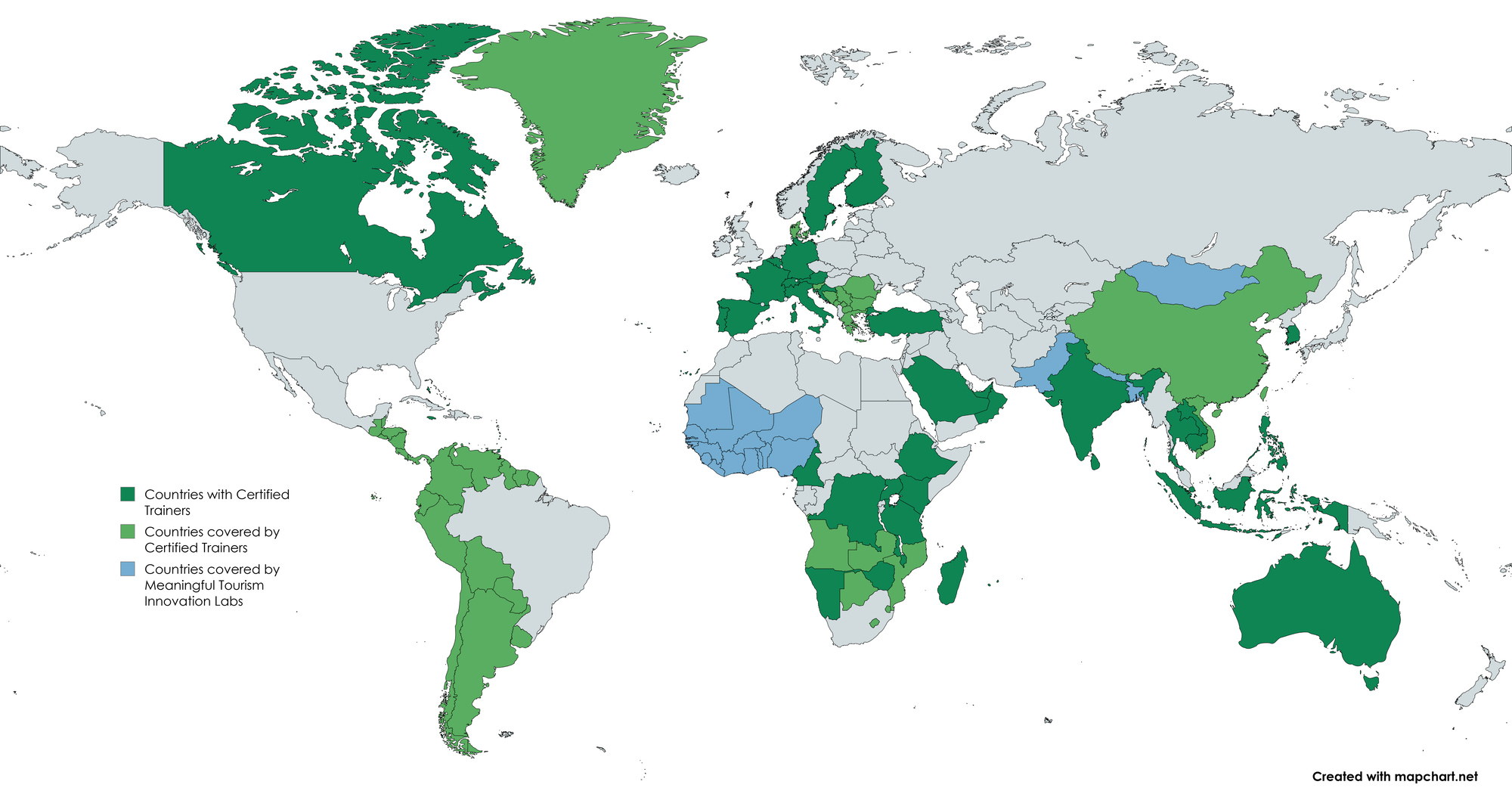
Please find below an overview of all our Certified Trainers for the Meaningful Tourism Transformational Game Workshop, along with the World Map showing the countries currently covered directly or indirectly.
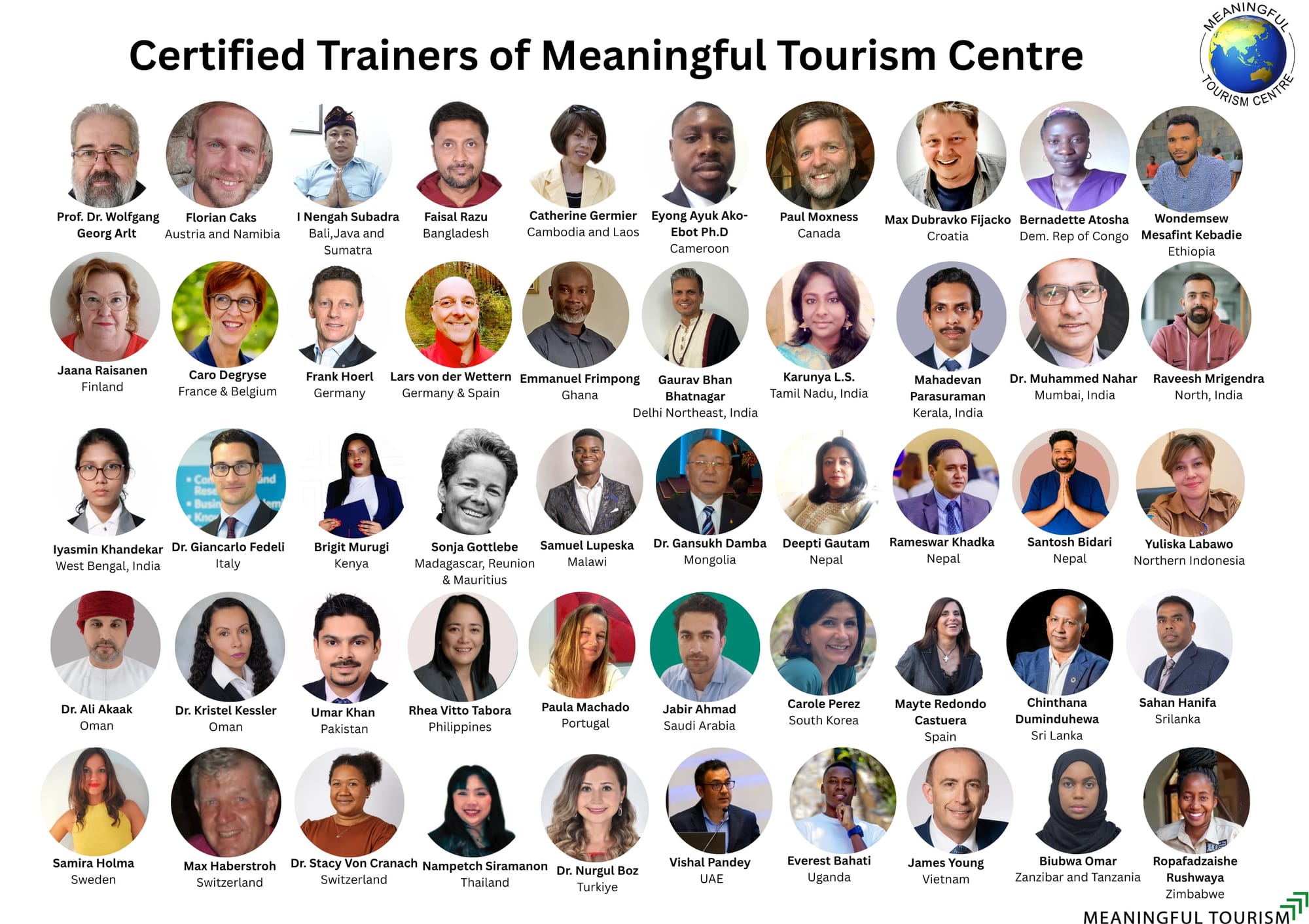
The network of MTC Certified Trainers is constantly growing. As shown on the map, many countries and regions worldwide are already served by dedicated experts. However, MTC is continuously looking for professionals with experience in training or lecturing and a passion for sustainable tourism to join the network and fill the blanks on the map.

World Peace Forum 2026
September 21-23, 2026
Lumbini, Nepal

More details here:


ITB Asia 2026
21-23 October 2026
Sands Expo & Convention Centre, Singapore

ITB Asia, Asia’s Largest Travel Trade Show, is an annual 3-day B2B trade show and convention designed to bring together the key travel industry leaders in the region. It convenes international exhibitors and buyers from the MICE, Leisure and Corporate segments.
About Meaningful Tourism Weekly
Meaningful Tourism Weekly is published every Thursday by Meaningful Tourism Centre (MTC) - London and Kathmandu, in collaboration with Travel Asia Now, led by Rhea Vitto Tabora.
Each issue features an Editorial, updates on MTC activities, a Best Practice Example, a profile of an MTC-certified trainer, news about upcoming events, and, occasionally, additional op-ed pieces from guest authors. Carefully selected news items, including videos and podcasts, are also included, with links to their original sources in the Meaningful Tourism News section.
Subscription to Meaningful Tourism Weekly is free, with the addition of a paid content section that includes a library of surveys, exclusive articles, conference presentations, and statistical data, offering subscribers invaluable resources.
Sponsorship opportunities are available for those interested in supporting this initiative.
For more information about MTC's training programs, market research, product adaptation, consulting services, conferences, strategy development, and marketing, visit our website or email us at info@meaningfultourismcentre.org.