Designing a Green Meaningful Tourism World

Dear reader,
as promised last week, some more details about the visit of your humble editor to the Institute of Geographical Sciences and Natural Resources Research at the Chinese Academy of Sciences in Beijing last week.
The Chinese Academy of Sciences (CAS), established in 1949, currently comprises over 100 research institutes spread across China, each focusing on distinct research fields and encompassing many internal research directions and teams. All research institutes are managed by the CAS Headquarters; however, each research institute is an independent legal entity with autonomy in its internal management. In the past 20 years, the CAS research institute evaluations have undergone a gradual transformation, shifting from a primarily quantitative-driven approach to Major R&D Outcome-Oriented Evaluation System, which is more qualitative-driven, while still utilizing quantitative indicators for supportive purposes.
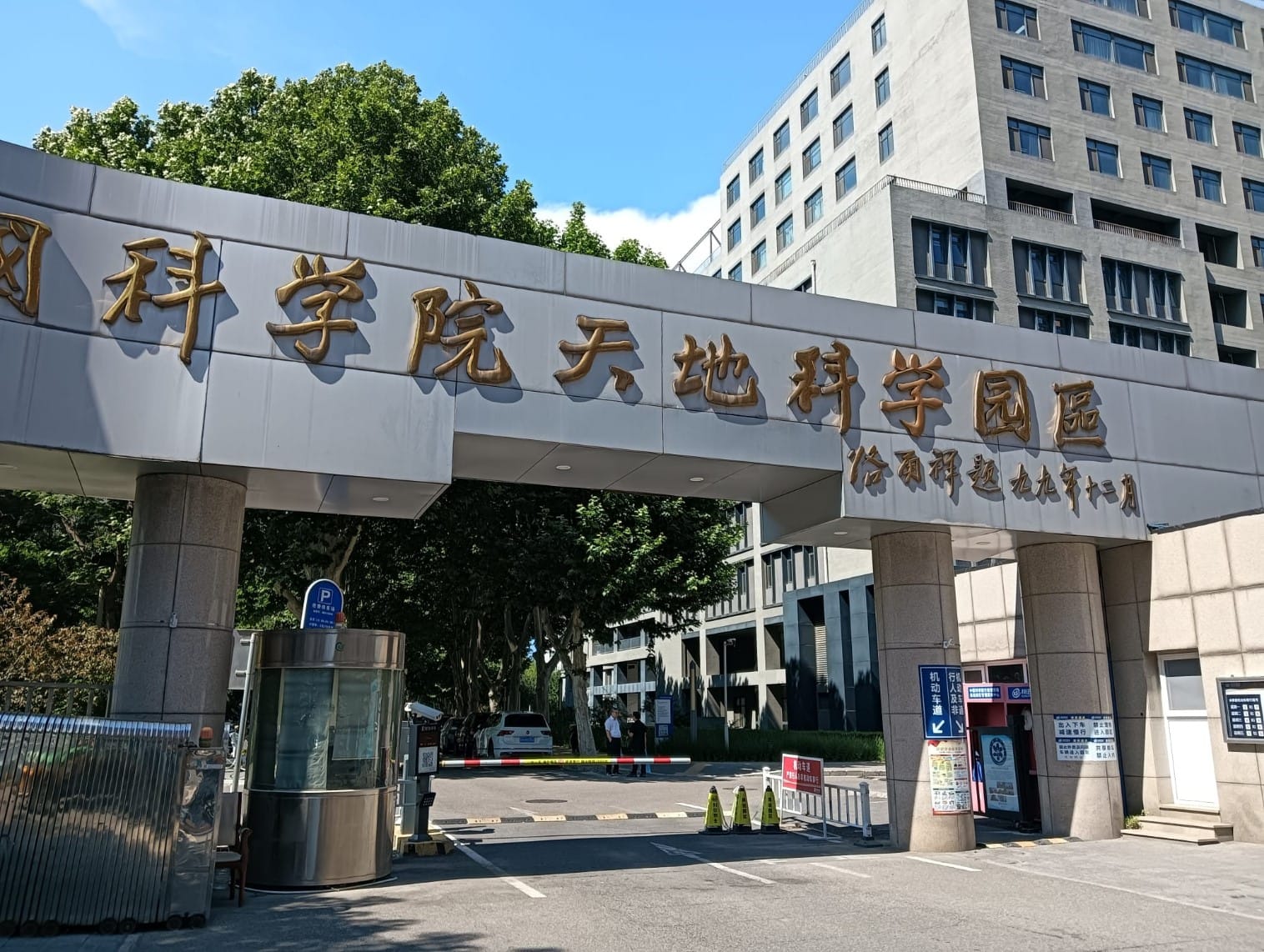
One of the famous researchers of CAS is Prof. Dong Suocheng. He and his team of the Institute of Geographical Sciences and Natural Resources Research at CAS have been authorised for a starting period of three years to establish the Green Tourism Special Committee within the World Green Design Organisation. WGDO was founded in Brussels, Belgium, in 2013. It is the first non-profit international organization to promote the development of green design throughout the world. WGDO is an official transparency register NGO in the European Union system and has been granted Special Consultative Status with the UN Economic and Social Council. WGDO Beijing Representative office was registered in China in 2020.
WGDO aims to advocate and broadcast the concept of "Green Design" globally, by means of “green design”, to lead the transformation of modes of production, lifestyle and consumption, and to achieve “the harmonious coexistence between humanity and nature”.
Among the activities of WDGO are the annual World Green Design Forum, the green design international awards, the Green Design Report, compiling green design international standards, the Global Green Development Think Tank, and more. WGDO promotes the exchange and cooperation of the technology, materials, capital and talents of "green design” to build a global dialogue platform for green development.
WGDO has established a partnership mechanism with organizations and professionals related to green design in 42 countries, set up branches in 14 countries, including Belgium, Germany, the United Kingdom, France, South Korea, China, Myanmar, Italy, and Kenya. There are 22 specialized committees and 11 working committees. The new tourism committee is one of the specialized committees.
The majority of positions in WDGO are taken by Chinese scientists and former politicians, and conferences are taking place either in Europe or in China. Looking at the list of the current global council members, your humble editor even found Mr. Tao Guangyuan, the Representative of the German Energy Agency in China, who was co-owner of the tour operator company your humble editor ran in the 1990s in Berlin and Beijing. His son Tao Tao started the famous GetYourGuide online marketplace for tour guides, excursions, travel-related activities, and tickets to tourist attractions.
The goal of the Tourism Committee is to build an international collaborative platform dedicated to advancing the green transformation and sustainable development of the global tourism sector, to foster innovation, to enhance global collaboration, and to contribute meaningfully to the achievement of the UN SDGs.
Its seven core missions are:
1) Develop international standards and evaluation systems for green tourism
2) Supporting and demonstrating innovative green tourism projects and BPs
3) Facilitate exchange, capacity building, empowerment
4) Strengthening international dialogue about green consumption
5) Initiative on rural green tourism development
6) Initiative for green transition of Ice and Snow tourism
7) Advancing public welfare and science communication related to sustainable tourism
The workshop meeting of the Committee was opened by its chairman Prof. Dong Suocheng, the main advisor Prof Tao Baoxiang, who led many scientific expeditions to the Amazon and other destinations, and the Secretary General and Executive Vice Chairman Liu Jing. Several other expert members of the Committee also attended, including fellow Vice Chairs Li Shifeng, and Li Yu, Executive Secretary General Xia Bing, Deputy Secretary Generals Tian Li and Wang Xinyi, and the members Zhang Ming, Guan Renpeng and Zhang Jing.
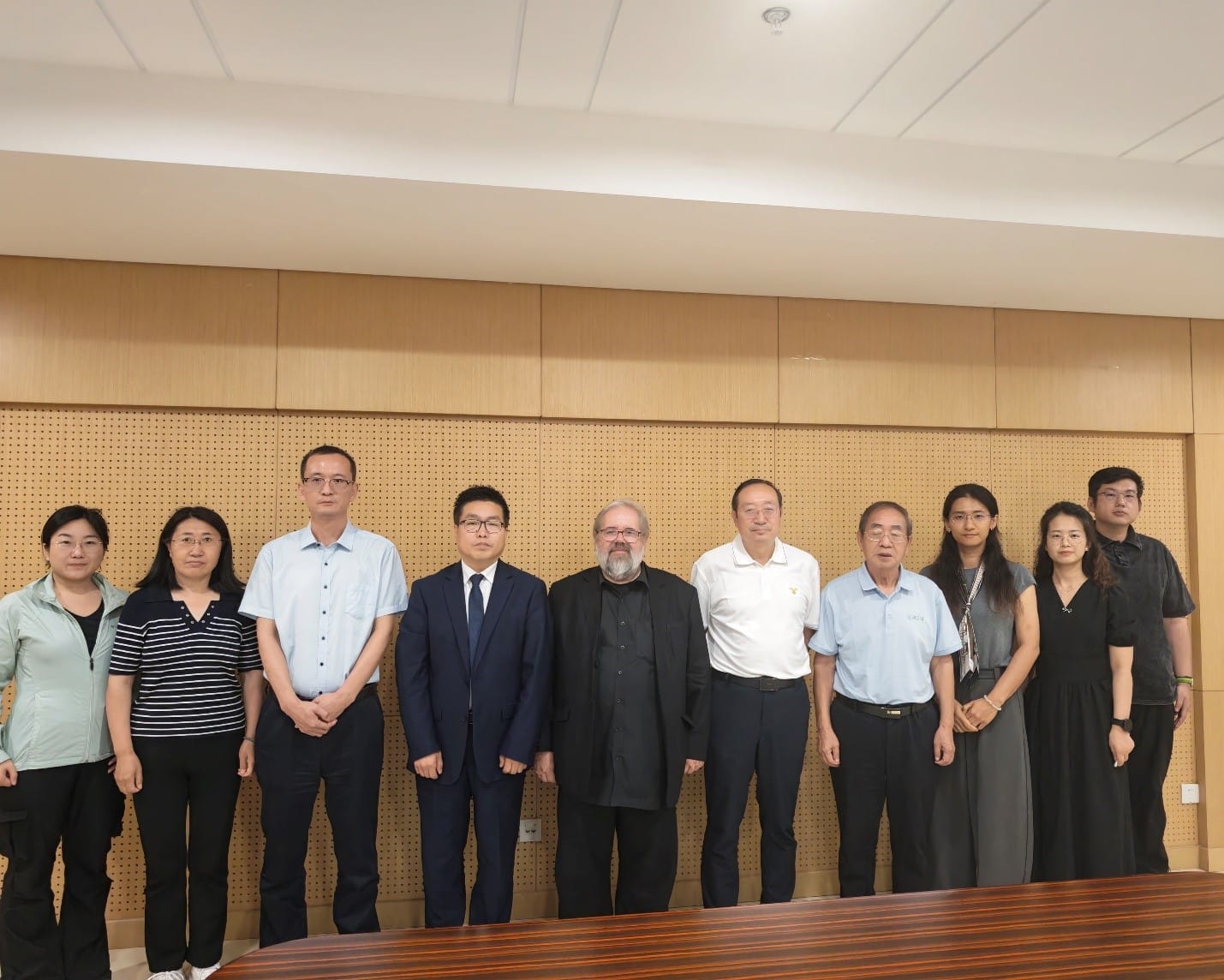
Your humble editor was given the opportunity to introduce the Meaningful Tourism paradigm and to give comments on the goals and core missions, which fit very well with the ideas and principles of Meaningful Tourism.
The work of the Committee should help break down existing silos, with some experts talking about sustainable development and others talking about AI and new technologies without bringing the two parts together. As the Post-SDG era is approaching, there is a chance to influence the discussion of a new and better structured set of goals for the period after 2030, including a tourism perspective as well as a stronger non-Western perspective.
The workshop signaled the end of the first phase of building the structure, which took three months, and the beginning of the second phase of working on the roadmap to tackle the seven core missions. On August 15th, the first results will already be presented during the WDGO Green Design and Sustainable Fashion Summit at the Palace of Nations in Geneva, Switzerland.
The summit is announced to continue the core philosophy of WGDO — "Green Design Empowers Global Sustainable Development". It will invite experts in the field of United Nations sustainable development, representatives of international organizations and leading industrial enterprises to conduct in-depth exchanges on the prospects and key roles of green design in helping achieve the United Nations SDGs.
For the Meaningful Tourism movement, this provides an additional chance to gain influence on an international level and especially in China. China is not only the biggest domestic and the biggest international travel source market in the world, it is also at the same time the most important developer and producer of AI and robot technology and equipment for the production of solar and wind power. Not to forget that in absolute terms, the country is also the biggest source of greenhouse gases choking our planet.
Assuming that the predictions of a new, even more powerful El Niño become true in the coming months, we will also see further destruction of many traditional tourism business structures. Beaches are flooded by rising seawater levels and rising temperatures make it unbearable to enjoy outdoor activities from swimming to strolling through city centres. Designing a green, or more precisely Meaningful Tourism is more important than ever.
As always, all best wishes from the Meaningful Tourism Weekly team in Kathmandu and Manila, and from the whole Meaningful Tourism community to all our readers!


Meaningful Tourism at the 15th Asia Tourism Forum
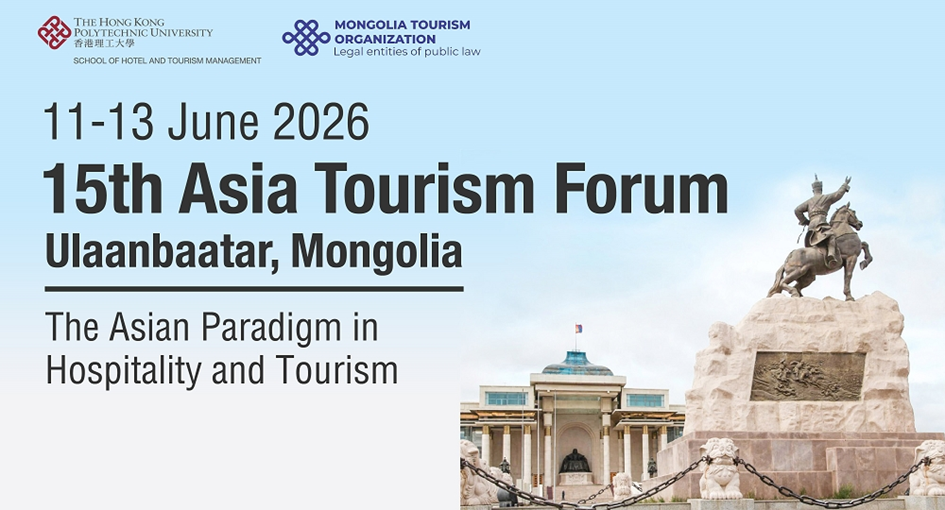
The Mongolia Tourism Organization and the Hong Kong Polytechnic University School of Hotel and Tourism Management are organising this week the 15th Asia Tourism Forum in Ulaanbaatar, the capital of Mongolia.
Dr. Gansukh Damba, the MTC Certified Trainer for Mongolia will present a paper developed together with your humble editor about Meaningful Tourism and Ger tourism, using the traditional Mongolian tents in Community Based tourism offers.
Your humble editor was invited to the Forum as well, but needed to decline to visit in person and will give a taped short introduction into the key elements of Meaningful Tourism. With the planned establishment of a Meaningful Tourism Innovation Lab in Mongolia, there will hopefully be more opportunities to visit Ulaanbaatar in the coming months.
Interestingly, during talks to Mr. Battulga, the head of the Mongolia Tourism Organization, who visited the WTCF Summit in Beijing, it became clear that the economic success of the mining sector in the country creates a labour shortage for the tourism industry. The workforce is lured to the well-paying jobs in the mining industry, making it necessary for Mongolian tour operators and hotels looking for staff in other countries, including Nepal.
Meaningful Tourism Innovation Lab Nepal finding a home, others on their way
The Meaningful Tourism Innovation Lab Nepal will open with new office space and conference facilities in Patan, one of the three historical capitals of Nepal in the Kathmandu Valley, next month, providing the physical platform for the development of innovative tourism forms within the framework of a Meaningful Tourism Economy for Nepal.
At the same time, discussions are under way in a number of other countries, including Mongolia, Bangladesh, Pakistan and Indonesia. Look out for further information on these pages in the coming weeks.
Invitation to ITB India and ITB MICE China
MTC will organise the first Meaningful Tourism stand at ITB India in September 2026 in Mumbai and is also discussing the participation at the first instalment of the ITB MICE China organised in November 2026 by Messe Berlin. The latter one will fill a gap in China, which until now has no fair focussed on the MICE segment of tourism.
We are inviting all members of the Meaningful Tourism Movement to join by sharing our stand during these fairs.

Meaningful Tourism Community: The Meaningful Tourism Transformational Game Workshop Trainer
Rameswar Khadka - Certified Trainer for Nepal
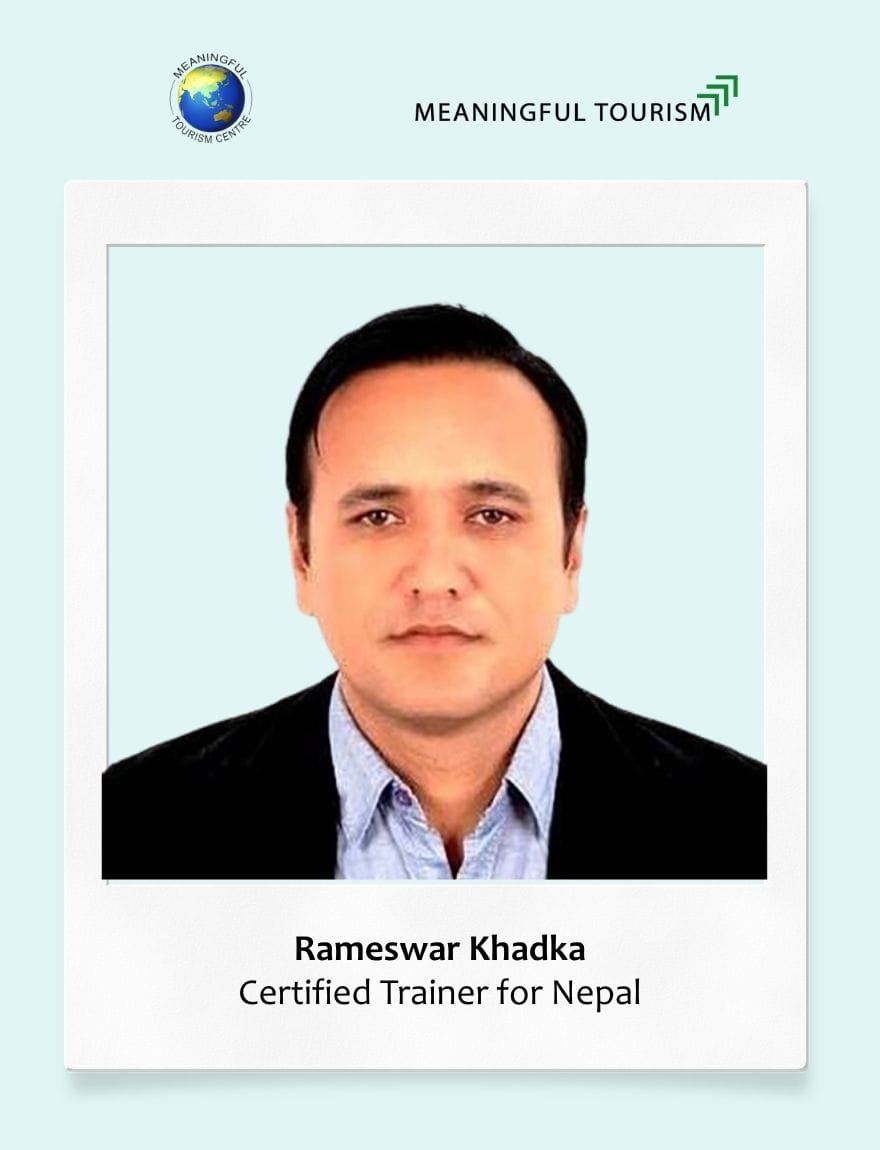
Rameswar Khadka is a seasoned Tourism Development Specialist and Trainer with 18 years of experience in design, delivery, result management and capacity building in tourism development programs and projects in Nepal and South Asia.
With a Masters of Arts in Rural Development Studies and a BA in Sociology/Anthropology, he has a multidisciplinary background such as tourism, economic analysis, research, and social development, as well as a unique set of skills in tourism planning, community-based tourism development, capacity building, and ecologically friendly tourism promotion, all built on extensive field experience and collaboration with government agencies, INGOs, and local communities.
Meaningful Tourism Weekly: What is the current situation of tourism in Nepal and how can the Meaningful Tourism Paradigm help to support its development?
Rameswar:
Nepal at a Crossroads: Embracing Meaningful Tourism for a Resilient Future
Nepal’s tourism sector is showing signs of recovery, yet it remains at a defining crossroads. In 2025, the country welcomed just over one million international visitors, an encouraging rebound following the pandemic and recent disruptions, but still below pre-COVID levels. While Nepal’s dramatic Himalayan landscapes, rich cultural heritage, and adventure tourism continue to attract global travelers, the sector faces persistent challenges that limit its full potential.
Constraints such as limited international air connectivity, congestion at key gateways, infrastructure gaps in emerging destinations, and strong seasonality continue to affect growth. In addition, Nepal’s tourism remains vulnerable to external shocks, whether political instability, climate-related events, or global economic uncertainty. Nepal illustrates a broader global dilemma: how to rebuild tourism not just faster, but better.
This is where the concept of Meaningful Tourism becomes relevant. Moving beyond a narrow focus on arrival numbers, meaningful tourism emphasizes quality over quantity, seeking to generate positive economic, social, cultural, and environmental outcomes for host destinations and visitors alike. It calls for tourism that enriches local communities, preserves cultural identity, and safeguards fragile ecosystems, while offering travelers deeper, more authentic experiences.
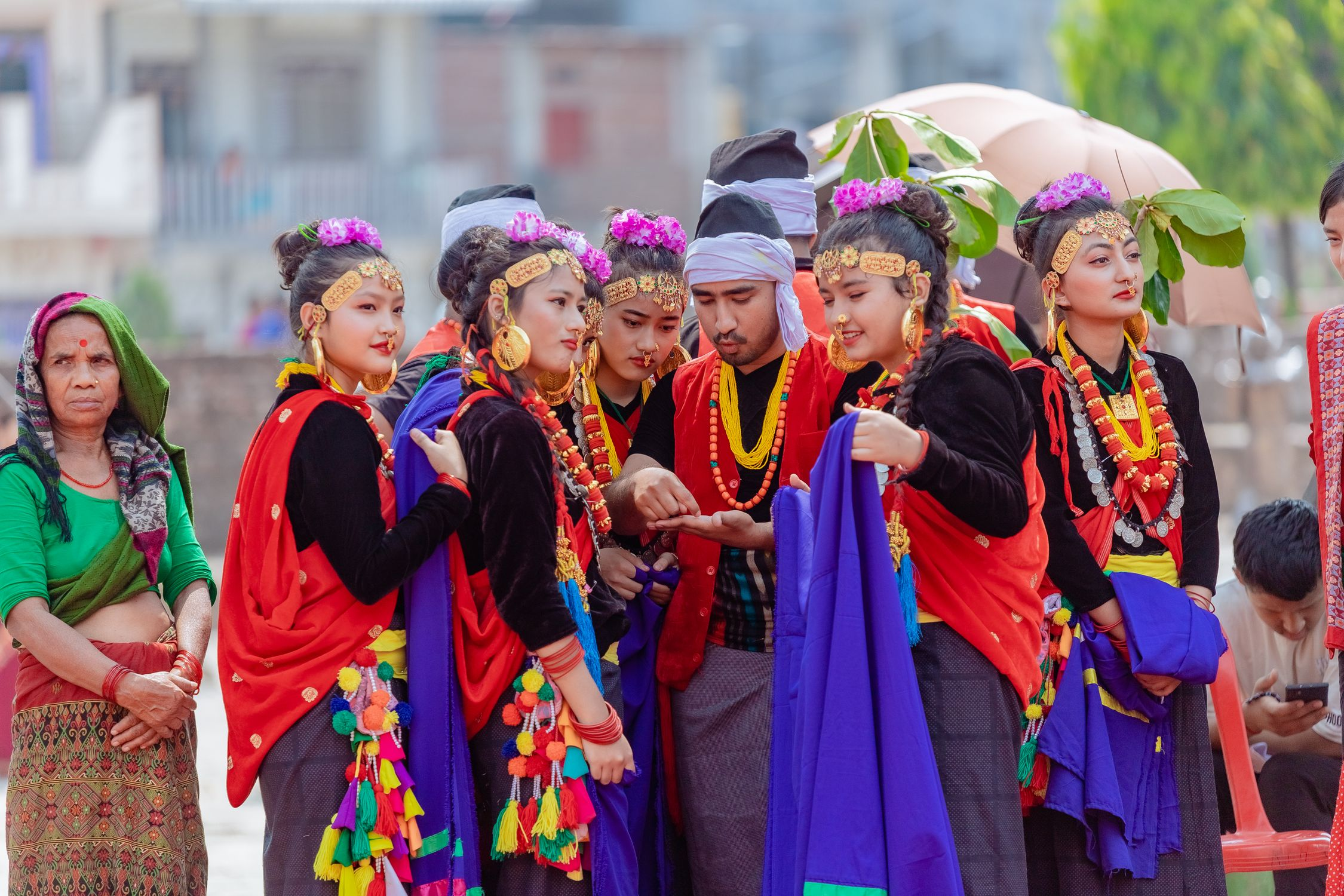
In Nepal, adopting this paradigm could reshape the sector’s trajectory. Community-based tourism, immersive cultural routes, and high-value, low-impact trekking experiences can help spread benefits beyond traditional hubs and reduce pressure on overcrowded destinations. Empowering local enterprises, guides, and homestay operators can also reduce economic leakage and strengthen rural livelihoods.
For international travel professionals and enthusiasts, Nepal’s journey offers an important lesson: long-term competitiveness in tourism depends on meaning, responsibility, and resilience. If Nepal strategically embraces meaningful tourism, it has the potential not only to recover but to emerge as a global model for purpose-driven, sustainable travel in mountain destinations worldwide.
MTC Certified Trainers
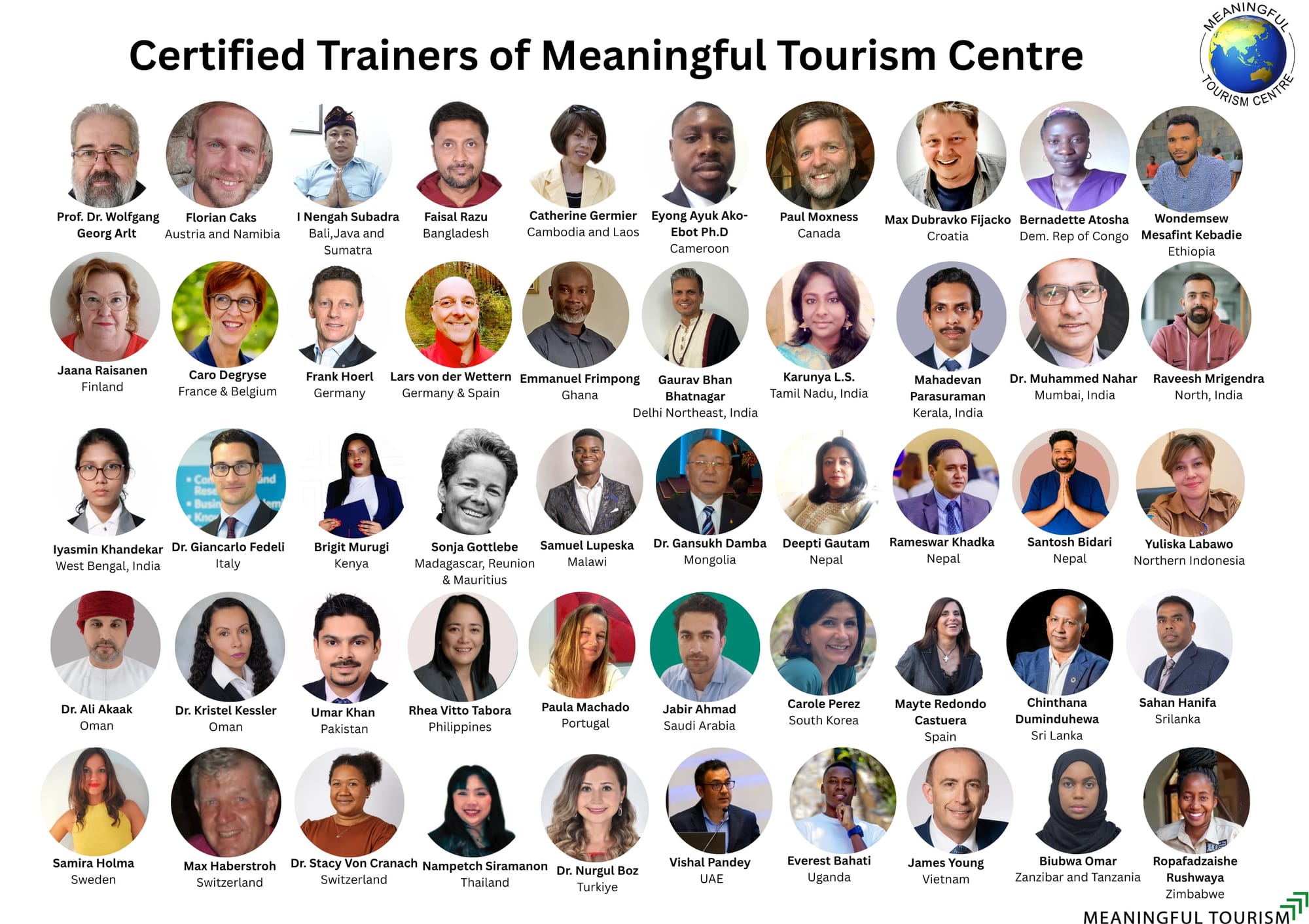
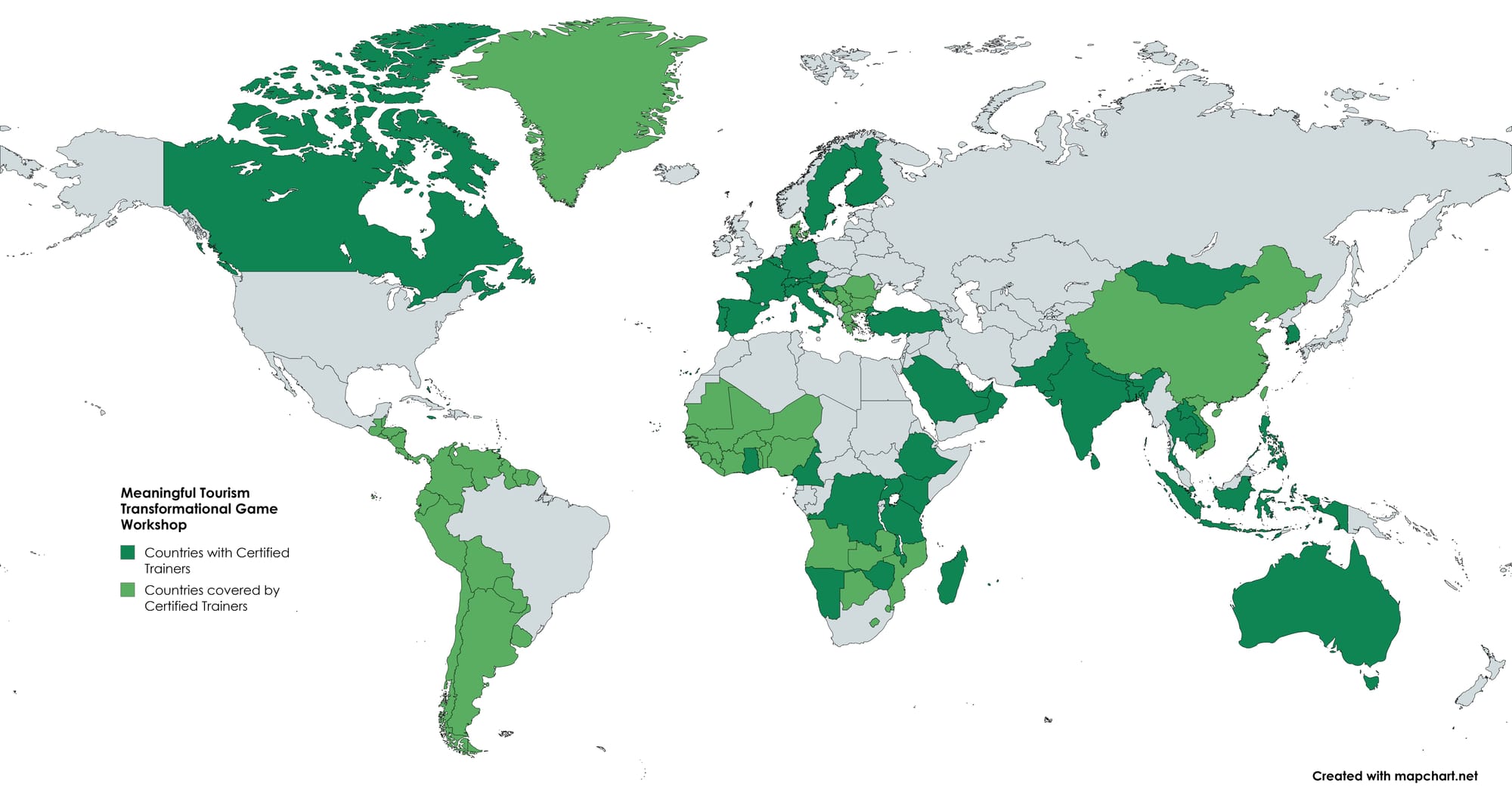
Please find below an overview of all our Certified Trainers for the Meaningful Tourism Transformational Game Workshop, along with the World Map showing the countries currently covered directly or indirectly.
The network of MTC Certified Trainers is constantly growing. As shown on the map, many countries and regions worldwide are already served by dedicated experts. However, MTC is continuously looking for professionals with experience in training or lecturing and a passion for sustainable tourism to join the network and fill the blanks on the map.
About Meaningful Tourism Weekly
Meaningful Tourism Weekly is published every Thursday by Meaningful Tourism Centre (MTC) - London and Kathmandu in collaboration with Travel Asia Now, led by Rhea Vitto Tabora.
Each issue features an Editorial, updates on MTC activities, a Best Practice Example, a profile of an MTC-certified trainer, news about upcoming events, and, occasionally, additional op-ed pieces from guest authors. Carefully selected news items, including videos and podcasts, are also included, with links to their original sources in the Meaningful Tourism News section.
Subscription to Meaningful Tourism Weekly is free, with the addition of a paid content section that includes a library of surveys, exclusive articles, conference presentations, and statistical data, offering subscribers invaluable resources.
Sponsorship opportunities are available for those interested in supporting this initiative.
For more information about MTC's training programs, market research, product adaptation, consulting services, conferences, strategy development, and marketing, visit our website or email us at info@meaningfultourismcentre.org.