Meaningful Tourism Centre and Meaningful Tourism Innovation Lab Nepal under one roof


Dear reader,
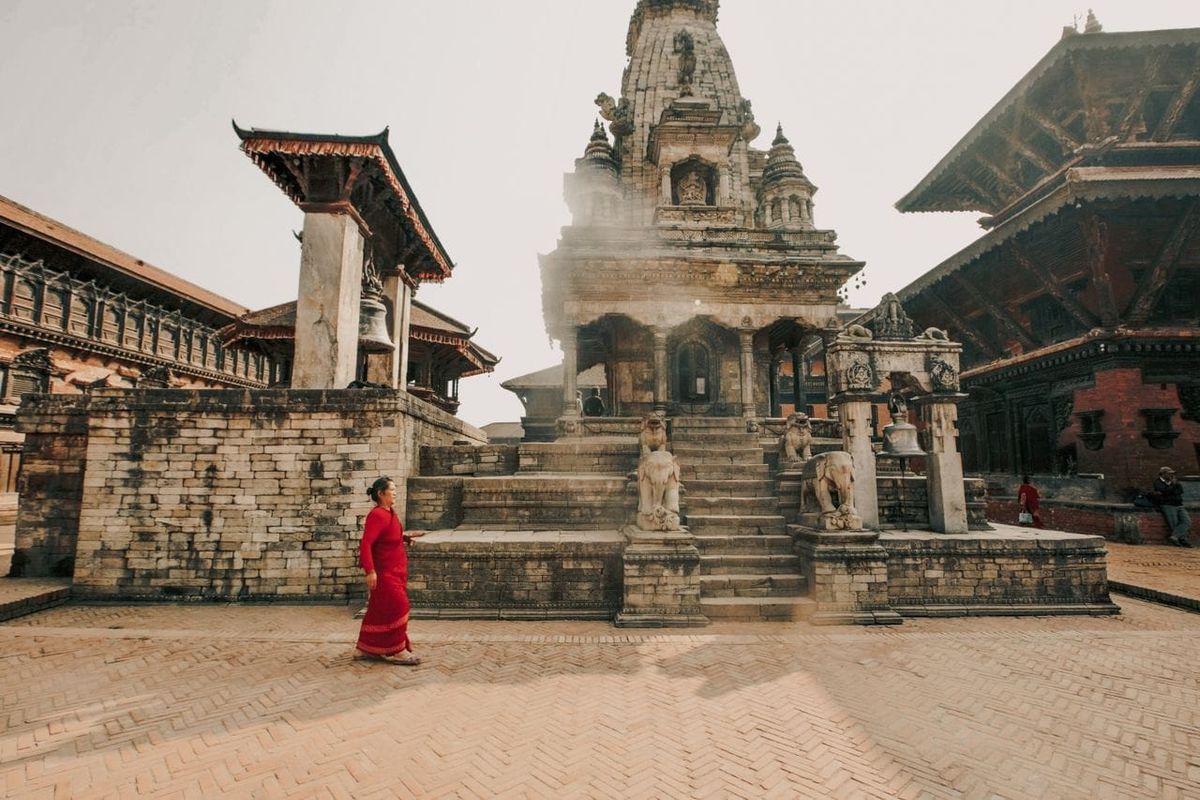
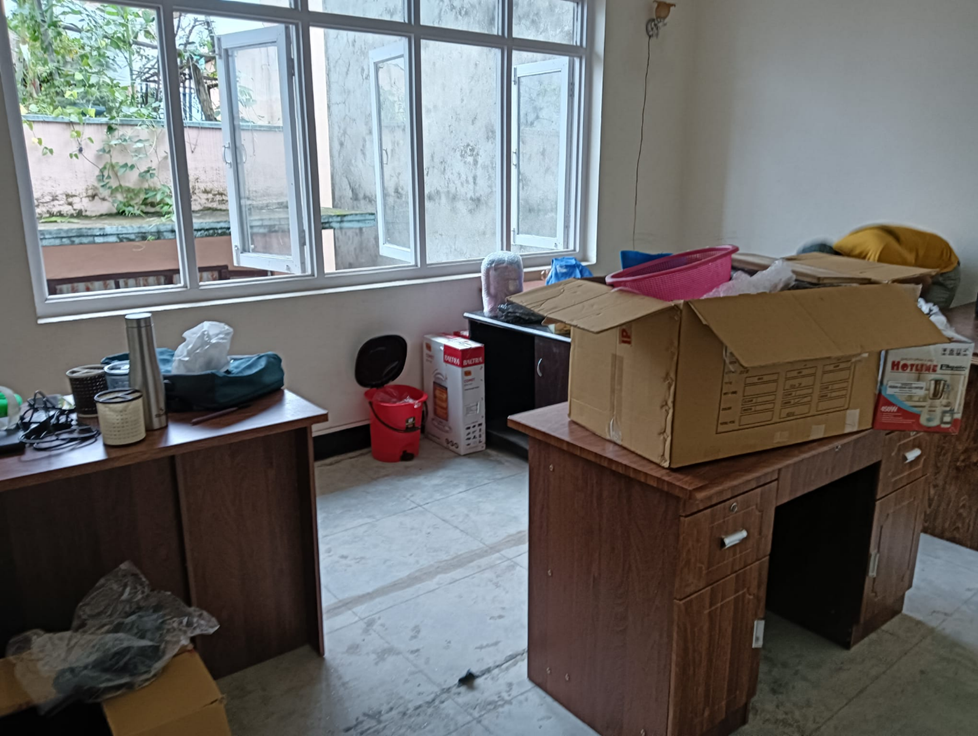
this week, the Meaningful Tourism Centre moved to new offices in Lalitpur, one of the three ancient capitals of Nepal in the Kathmandu Valley. The new office is located on the premises of I.Stem Lab, partner of MTC for the Meaningful Tourism Innovation Lab Nepal. The close neighbourhood of the MTC headquarter, the MTIL Nepal partner I.Stem and the newly started MTIL Nepal Secretariat in one building will help to coordinate the work for Nepal and the world. The secretary, Sapana Adhikari, is portraited in the full edition of the Meaningful Tourism Weekly.
The first joint activity will be a Meaningful Tourism & AI workshop on August 10th, 2026. If you are interested to see your humble editor and I.Stem leader Suman Baral (well, their avatars, to be correct) giving more details about the workshop, please visit the MTC YouTube channel:

As reported last week, the Daffodil International University, Department of Tourism and Hospitality Management, has become the partner for the MTIL Meaningful Tourism Innovation Lab Bangladesh. This week your humble editor is proud to announce that the MoU for the third MTIL, covering West Africa, has been signed with the African Tourism Research Network, a well-established NGO based in Ghana. The leader, Emmanuel Frimpong, acts as Certified Trainer for the Meaningful Tourism Centre since several years. This will be the first MTIL in Africa, with several more, especially in Asia, in the pipeline.
Also in Asia, MTC will participate in several tourism fairs and conferences, starting at ITB India in Mumbai (Sept. 1-3) and directly afterwards in Dhaka at the new Bangladesh Tourism Market (Sept. 3-5). All readers interested to meet with your humble editor PROF M and several of our Certified Trainers in India and Bangladesh respectively, are warmly welcomed to make appointments for a friendly talk (and a selfie, of course).
Another positive development this week can also be reported. Your humble editor has been appointed as the Vice President and member of the Executive Committee of ITSA International Tourism Studies Association (ITSA). After being a member for eighteen years, serving as Regional Vice President for Western Europe and later South Asia, the new position in the Executive Committee will also bring new opportunities for further establishing the Meaningful Tourism paradigm in the discourse of both academia and industry, especially in the field of urban tourism. ITSA is unique among international tourism associations as a global organisation dedicated to fostering meaningful collaboration between tourism scholars and practitioners from both developed and developing countries. Over more than two decades, ITSA has established itself as a respected international platform for advancing tourism knowledge through its conferences, scholarly collaborations, and its official journal, the International Journal of Tourism Cities (IJTC).
After the sad passing of the founder and main promoter of ITSA, Prof. Alastair Morrison, the Association enters a new phase of growth for 2026–2028. Alastair was a close friend and mentor of your humble editor. To continue to work for ITSA and to expand the global reach and impact on tourism in research and practice of the organisation is also a personal obligation to recognize his legacy. The next ITSA conference is planned to take place in China.
The full edition of the Meaningful Tourism Weekly this week also includes a very interesting written summary of the Tourism Dialogues South Asia podcast by Mr. Raveesh Mrigendra, an expert on tourism and climate change. South Asia faces a unique combination of development and environmental challenges, with tourism playing a dual role. It is both impacted by climate change and contributes to it, particularly through transport-related emissions and increased pressure on natural resources.
Therefore, if you are reading this Editorial on LinkedIn, make sure to move to the full edition of the Meaningful Tourism Weekly newsletter on https://meaningful-tourism-weekly.ghost.io/. If you subscribe to the full edition on Ghost, free of charge, you will receive the complete weekly edition in your email inbox.
As always, all best wishes from the Meaningful Tourism Weekly team in Kathmandu and Manila, and from the whole Meaningful Tourism community to all our readers!


Travel Dialogues South Asia Podcast Summary
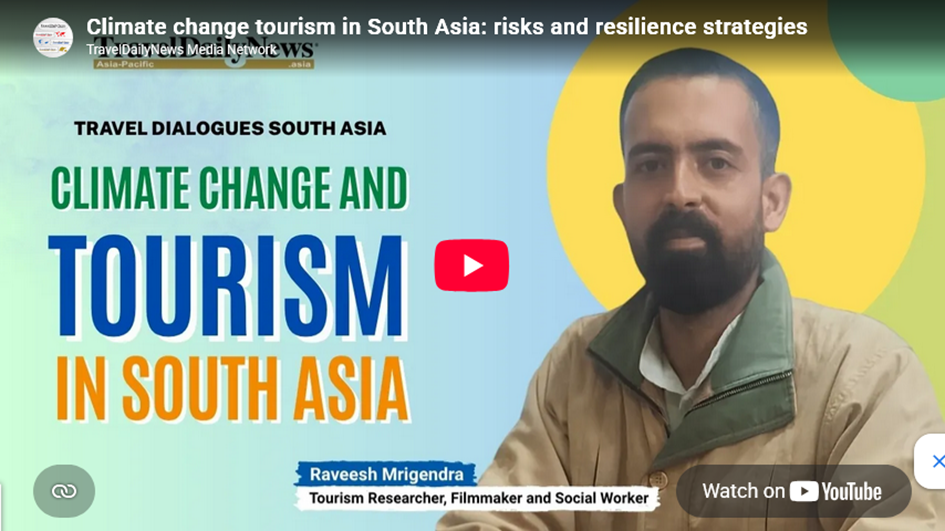
Every week, MTC and its partners TravelDailyNews Asia-Pacific and Tanneri Chaso provide a new episode of the TRAVEL DIALOGUES SOUTH ASIA series of podcasts concentrating on the development of Meaningful Tourism in South Asia, including Pakistan, India, Maldives, Sri Lanka, Nepal, Bhutan, and Bangladesh.
In the latest edition of the Travel Dialogues South Asia podcast, your humble editor talked with Raveesh Mrigendra, tourism researcher, recently awarded filmmaker and self-proclaimed social worker, based in India, about influence of climate change on the tourism in South Asia. The different ways of reaction to the challenge of dealing with the fundamental changes for tourism are however relevant for the tourism ecosystem anywhere in the world, not only in South Asia.
Climate change as an immediate tourism risk
Climate change is no longer a long-term concern but an immediate operational challenge for tourism. Extreme temperatures, such as those recorded across Europe, demonstrate that even traditionally stable destinations are increasingly exposed to climate risks.
Tourism, which relies heavily on outdoor experiences, is directly affected by heatwaves, changing weather patterns and environmental degradation. These developments are reshaping travel behaviour and destination competitiveness.
South Asia’s vulnerability to climate pressures
The region faces a unique combination of development and environmental challenges. South Asia comprises multiple developing economies that must balance tourism growth with climate adaptation, often with limited financial resources.
At the same time, tourism plays a dual role. It is both impacted by climate change and contributes to it, particularly through transport-related emissions and increased pressure on natural resources.
The complexity of climate change tourism in South Asia lies in this dual dynamic, which requires coordinated policy responses and investment strategies.
Overtourism and shifting travel patterns
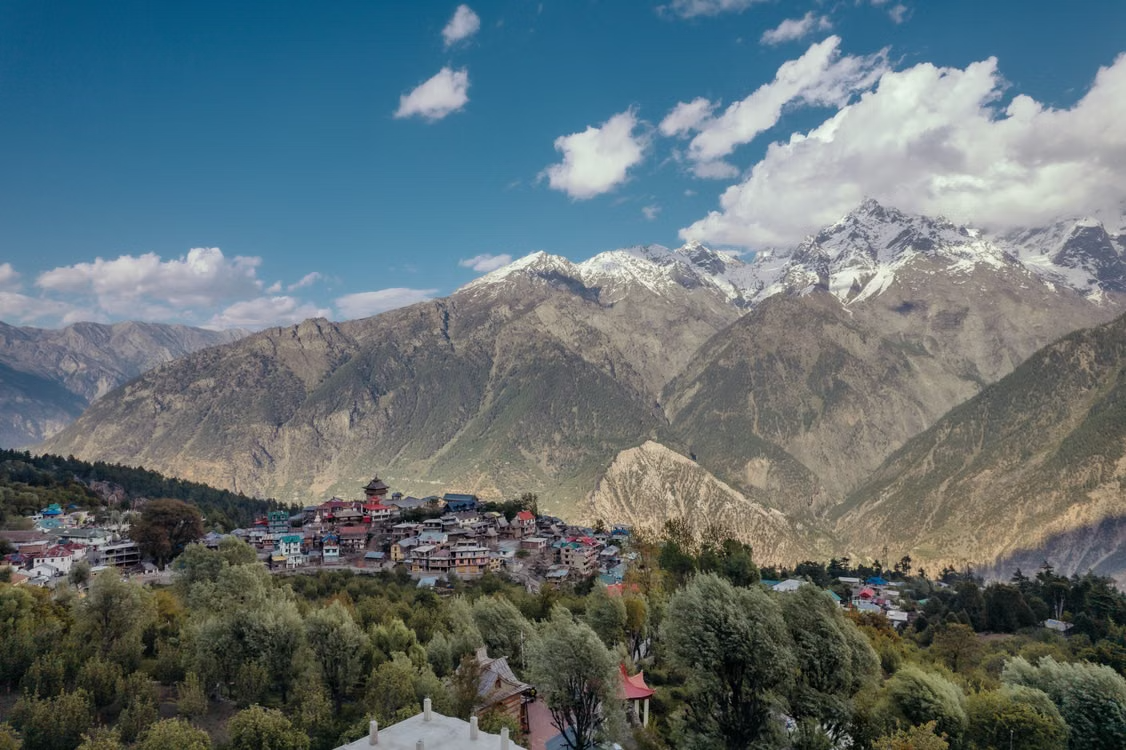
Rising temperatures in lowland areas are driving travellers towards cooler destinations, particularly mountainous regions. This “heatcation” trend is intensifying pressure on areas such as Himachal Pradesh and similar destinations across South Asia.
In some regions, tourism volumes significantly exceed local population capacity, creating strain on infrastructure and ecosystems. This shift in demand highlights the need for better spatial planning and visitor management.
Infrastructure and environmental challenges
Climate-related impacts are increasingly visible in tourism infrastructure. Irregular rainfall and extreme weather events are causing landslides, damaging roads and limiting accessibility to key destinations.
At the same time, waste management systems are struggling to cope with rising visitor numbers, leading to pollution and environmental degradation. Water resources and local ecosystems are under growing pressure, particularly in high-demand destinations.
Transport emissions further contribute to the environmental footprint of tourism, reinforcing the need for more sustainable mobility solutions.
Local adaptation and resilience strategies
Efforts to address climate change tourism in South Asia are emerging at both national and local levels. In India, policy frameworks such as the National Action Plan on Climate Change include targeted measures for renewable energy and ecosystem protection.
At the local level, there is renewed interest in traditional practices that offer climate-resilient solutions. For example, mud-based architecture is being reconsidered due to its natural insulation properties, providing a sustainable alternative to modern construction.
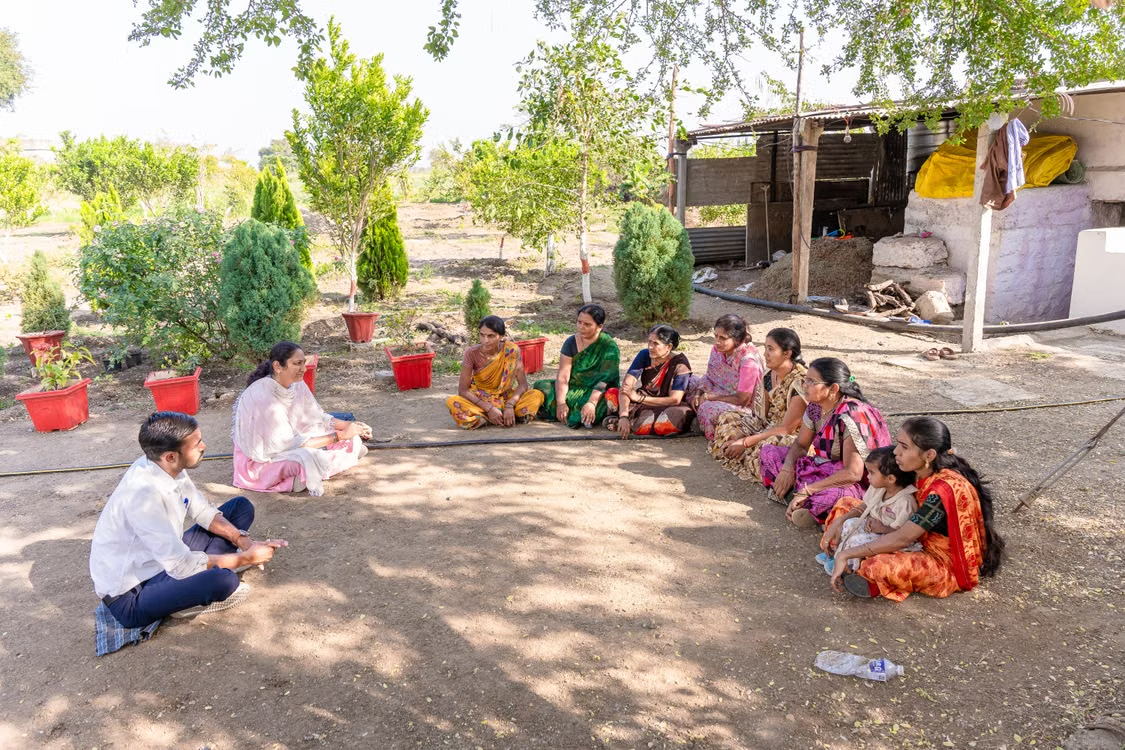
Community engagement also plays a key role. Initiatives involving volunteer tourism support environmental actions such as waste collection and tree planting, while also contributing to local awareness and capacity building.
Awareness gaps and behavioural change
Despite increasing exposure to climate impacts, a gap remains between awareness and behavioural change among both residents and visitors. Education and targeted communication are therefore essential to drive long-term transformation.
Achieving a tipping point in sustainable practices requires collaboration between governments, industry stakeholders and local communities, supported by consistent policy implementation.
Managing growth for long-term sustainability
Many discussion highlights the importance of managing tourism growth rather than focusing solely on increasing arrivals. Integrating traditional knowledge with modern solutions is seen as critical to building resilience.
While reversing climate change is unlikely, mitigating its impact and slowing its progression is achievable through strategic planning and responsible tourism development.
The future of climate change tourism in South Asia will depend on the ability of destinations to adapt, innovate and align tourism growth with environmental sustainability.
The full podcast can be found here:
https://www.traveldailynews.asia/column/interviews/climate-change-tourism-south-asia/
All videos are also available on the MTC YouTube channel.

Meaningful Tourism Innovation Lab Nepal News
Meaningful Tourism Innovation Lab Nepal’s first full-time employee
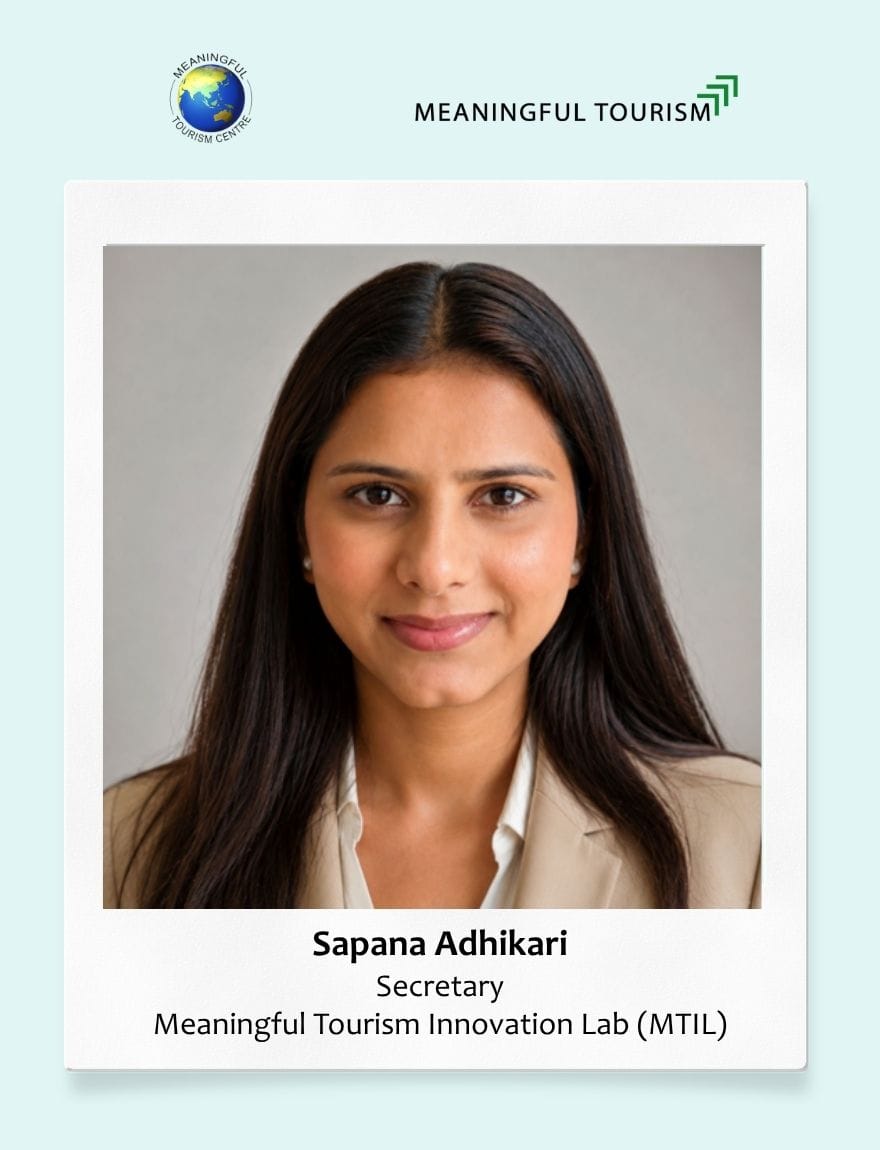
To strengthen the growing network of Meaningful Tourism Innovation Labs (MTIL), Ms. Sapana Adhikari started to work as full-time Secretary of MITL on July 15, 2026.
Ms. Adhikari is an accounting student, while also developing her professional career. She previously worked for more than a year as an Accountant at Chinese Incubation Enterprises Pvt. Ltd. in Kathmandu/Nepal, where she gained experience in structured work processes and professional international work environments.
After resigning from Chinese Incubation Enterprises, she joined the Meaningful Tourism Centre as a Project Assistant (trainee). In recognition of her performance and commitment, she was offered, after two months, the position of founding full-time Secretary at the Meaningful Tourism Innovation Lab Nepal.
In her new role, Ms. Adhikari supports the administrative, organizational, and communication functions of MTIL Nepal and the growing MTIL network and will help to contribute to the smooth implementation of projects and activities in Nepal and around the world.
Establishing online and telephone communication structures is among the first tasks of the new Secretary. For the time being, she can be reached at info@meaningfultourismcentre.org.
Preparations for the first Meaningful Tourism Workshop organised by Meaningful Tourism Innovation Lab Nepal on August 10, 2026 in full swing
As reported last week, the two leaders of the MTIL Meaningful Tourism Innovation Lab, your humble editor “PROF M”and Mr. Suman Baral, co-leaders of the I.Stem Lab, will provide the first full-day workshop on Meaningful Tourism & AI in Nepal on August 10, 2026.
Participants will receive a certification of participation from the Meaningful Tourism Innovation Lab, as well as a certification as a Level 1 member of the Meaningful Tourism Movement, and a copy of the latest eBook of the Meaningful Tourism Centre. Seats are limited, so early registration is advisable.
MTC Certified Trainers
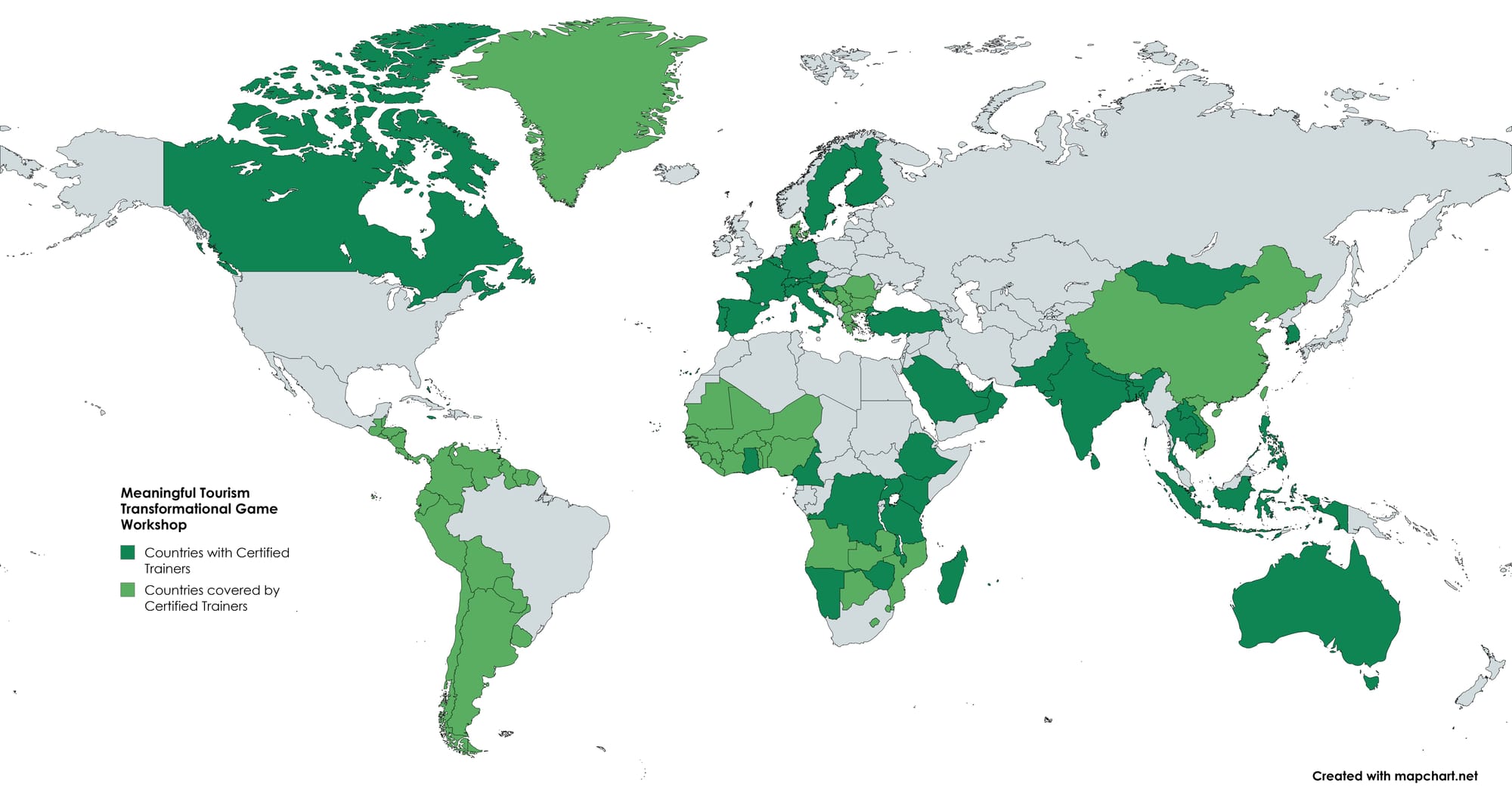
Please find below an overview of all our Certified Trainers for the Meaningful Tourism Transformational Game Workshop, along with the World Map showing the countries currently covered directly or indirectly.
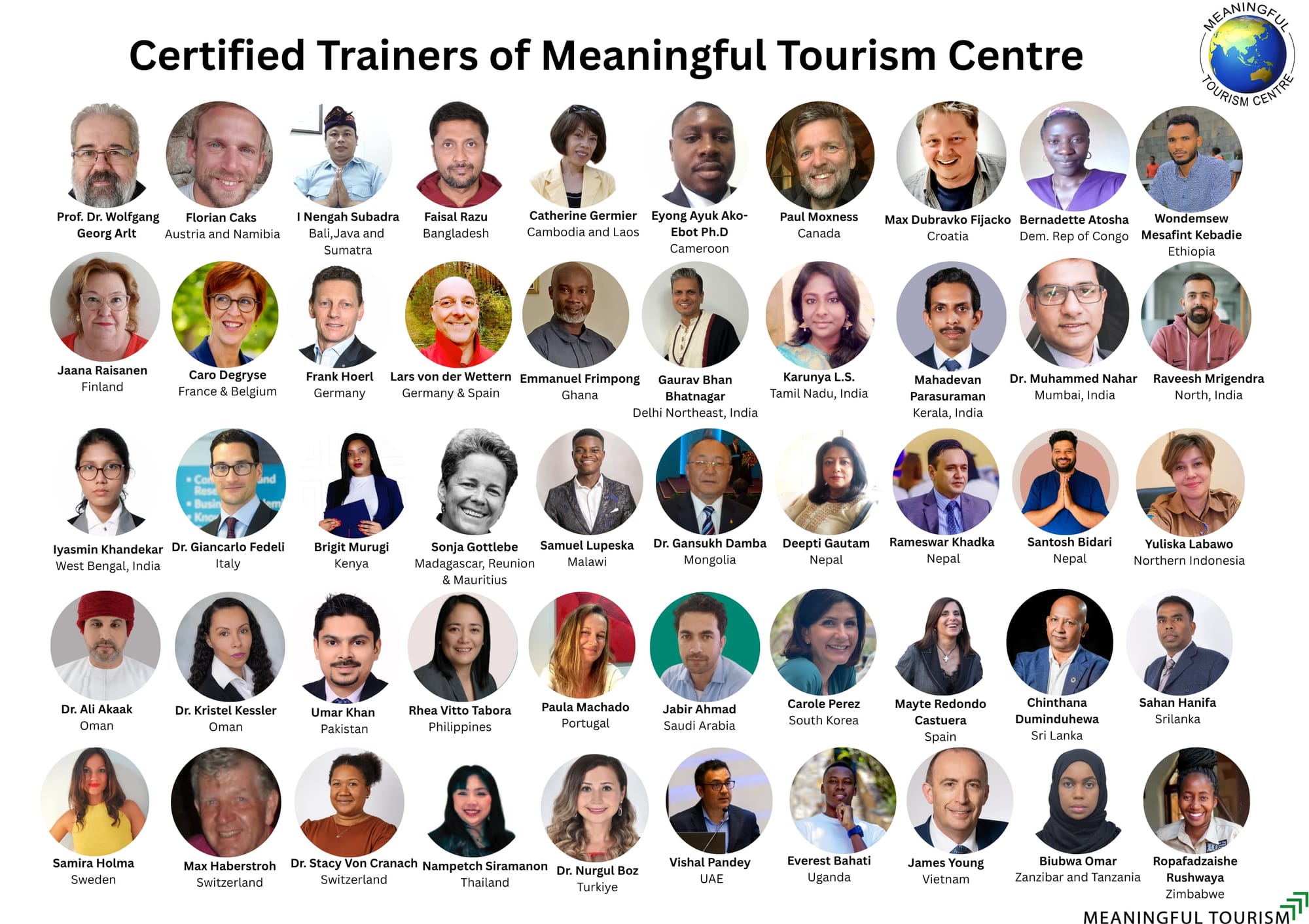
The network of MTC Certified Trainers is constantly growing. As shown on the map, many countries and regions worldwide are already served by dedicated experts. However, MTC is continuously looking for professionals with experience in training or lecturing and a passion for sustainable tourism to join the network and fill the blanks on the map.
About Meaningful Tourism Weekly
Meaningful Tourism Weekly is published every Thursday by Meaningful Tourism Centre (MTC) - London and Kathmandu in collaboration with Travel Asia Now, led by Rhea Vitto Tabora.
Each issue features an Editorial, updates on MTC activities, a Best Practice Example, a profile of an MTC-certified trainer, news about upcoming events, and, occasionally, additional op-ed pieces from guest authors. Carefully selected news items, including videos and podcasts, are also included, with links to their original sources in the Meaningful Tourism News section.
Subscription to Meaningful Tourism Weekly is free, with the addition of a paid content section that includes a library of surveys, exclusive articles, conference presentations, and statistical data, offering subscribers invaluable resources.
Sponsorship opportunities are available for those interested in supporting this initiative.
For more information about MTC's training programs, market research, product adaptation, consulting services, conferences, strategy development, and marketing, visit our website or email us at info@meaningfultourismcentre.org.