Regional tourism – a new necessary category



Dear reader,
“Never trust a statistic you did not falsify yourself”, Churchill is supposed to have said. Tourism is the biggest industry in the world in terms of jobs and turnover; however, tourism statistics are notoriously unreliable.
There are many reasons, among them the fact that most countries base their numbers on hotel arrivals, which leaves out camping, Airbnb and similar short rental arrangements and also all private accommodation. More importantly, typically the 1.5 billion international trips are quoted, leaving out the much bigger, but even less known, number of domestic trips.
Not often discussed is also the simple fact that international travel is bigger, at least in percentage, the smaller a country is. An inhabitant of Hong Kong SAR or Andorra has very little choice when it comes to domestic leisure travel. On the other hand, China may be the biggest outbound travel market in the world, but still has the number of about six billion domestic trips dwarfing the amount of less than 150 million outbound trips.
A trip from New York City to San Francisco does not show up in international tourism statistics of UN Tourism, whereas the almost daily trips of my sister-in-law from Basel in Switzerland across the border to the nearest supermarket in Germany to buy even Swiss products like butter for a lower price than back home are counted, including her claiming of VAT refund.
Two reasons why South Asia sees only 2% of all international travel, even though it is home to 25% of mankind, are first the size of India and second the fact that the normal border region visits between India and Pakistan or India and Bangladesh do not happen for political and historical reasons.
If travel within the EU or within the Schengen region would be counted as domestic travel, Europe could no longer claim to be home to half of all international travel. Chinese numbers would half if the visits of Hong Kong SAR and Macau SAR, which amount to half of all outbound trips, would not be included.
Adding to this, the current restraints in international travel and the foreseeable further rise in the price of air travel due to climate change taxes and the continuing lack of Sustainable Aviation Fuel (SAF), it becomes apparent that we should say goodbye to the old dichotomy of domestic and international travel.
Instead, a Meaningful Tourism Economy should distinguish between domestic, regional and long-distance travel, with cutting big countries into segments like East Coast and West Coast and Flyover states for the USA and North, East, South and Central China, for example.
By sorting trips according to their length of time needed to travel from A to B in maybe 0-4, 4-8 and more than 8 hours, the dynamics of markets as well as the likelihood of cultural differences, and last but not least the ecological impact, would become much clearer.
Reliance on single source markets or on a small number of air routes has proven to be calamitous for the tourism industry in many destinations in recent months.

Next week, your humble editor will be in China to participate in the World Tourism Cities Federation Summit and to meet the colleagues of the Chinese Academy of Sciences to prepare the start of the Green Tourism Special Committee of the World Green Design Organization (WGDO), of which your humble editor has been asked to become the Vice Chairman.
This week, another honour was unexpectedly added: to be included in the series VOICES of traveldailynews.asia, which presents important persons for the tourism development especially in Asia, naming your humble editor "The Architect of Meaningful Change". See more about this in the MTC news below.
Finally, Chris Ryan, Professor at Waikato University in New Zealand and one of the most distinguished tourism academics alive, gave us this encouragement this week: “Keep going, Wolfgang. History will prove you right in your endeavours.”
Such encouragement helps the Meaningful Tourism movement to thrive and hopefully also motivates our readers to move forward in their way into a Meaningful Tourism Economy.
As always, all best wishes from the Meaningful Tourism Weekly team in Kathmandu and Manila, and from the whole Meaningful Tourism community to all our readers!


Meaningful Tourism in South Asia – Podcast summary
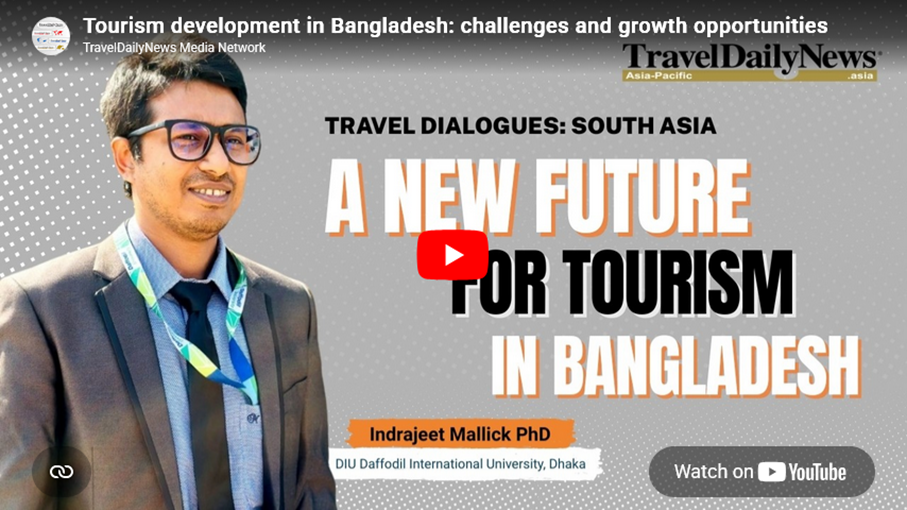
Every week, MTC and its partners TravelDailyNews Asia-Pacific and Tanneri Chaso provide a new episode of the TRAVEL DIALOGUES SOUTH ASIA series of podcasts concentrating on the development of Meaningful Tourism in South Asia, including Pakistan, India, Maldives, Sri Lanka, Nepal, Bhutan and Bangladesh.
This week, the podcast featured your humble editor speaking with Dr Indrajeet Mallick, an expert on tourism development in Bangladesh.
The full podcast can be found here:
https://www.traveldailynews.asia/column/interviews/tourism-development-bangladesh-strategy/
Government recognition and sector positioning
Bangladesh is entering a new phase in recognising the economic importance of tourism, with the government acknowledging its contribution alongside traditionally dominant sectors such as textiles. This shift reflects a growing understanding of the need to establish a structured framework for international tourism and to strengthen the country’s global positioning.
At present, tourism activity in Bangladesh remains largely domestic, highlighting the significant opportunity to expand inbound tourism through targeted strategies and investment.
Structural challenges and market gaps
The current development of tourism in Bangladesh faces a number of structural challenges that limit its international competitiveness. One of the most significant issues is the absence of a clear and compelling destination brand, which contributes to low awareness and misconceptions regarding safety among international travellers.
Infrastructure gaps remain a critical barrier, particularly in transport connectivity, which is essential in a densely populated country. In addition, the tourism sector has yet to fully adopt modern digital solutions, including integrated platforms and artificial intelligence tools for booking and visitor services.
Human capital also presents a challenge, with a shortage of trained professionals who understand tourism as a service-driven industry. Addressing safety perceptions and ensuring consistent service quality are essential to building trust and attracting repeat visitation.

Opportunities for sustainable and meaningful growth
Despite these challenges, Bangladesh offers a range of opportunities for developing a competitive tourism sector. The adoption of meaningful tourism principles can create balanced value for both visitors and local communities, enhancing living standards while delivering authentic experiences.
Community-based tourism represents a particularly strong growth area, enabling direct economic benefits for local populations and supporting cultural preservation. At the same time, developing year-round tourism activity is seen as essential for creating stable employment and reducing seasonal dependency.
The country also has the advantage of learning from the experiences of more mature destinations, allowing it to avoid over-reliance on high-volume tourism and instead focus on quality-driven growth from the outset.
Leveraging unique tourism assets
Bangladesh possesses a diverse portfolio of tourism resources that can support differentiated positioning in international markets. These include its rich cultural heritage, riverine landscapes, tea culture, culinary traditions and the Sundarbans mangrove ecosystem.

The development of tourism development in Bangladesh depends on effectively packaging these assets into structured tourism products that resonate with global demand, particularly among travellers seeking authentic and immersive experiences.
A key strategic direction highlighted in the discussion is the importance of regional collaboration. Positioning Bangladesh within a broader South Asia tourism framework could enhance visibility and allow the country to benefit from shared marketing efforts and regional expertise.
The concept of a unified South Asia brand, similar to Southeast Asia, could support a more coordinated and effective approach to attracting international visitors. This would also enable Bangladesh to align its development with regional trends and market expectations.
Looking ahead, the outlook for tourism development in Bangladesh is positive, provided that strategic investments, policy alignment and industry collaboration are implemented. By focusing on sustainability, quality and clear market positioning, the country has the potential to emerge as a competitive destination within the global tourism landscape.
New newsletter accompanying the Travel Dialogues South Asia podcast
MTC started a new newsletter on LinkedIn this week, which will not only provide a summary of each podcast but also share additional news about tourism development in South Asia. Within the first 24 hours, already more than 1,500 colleagues subscribed to the Travel Dialogues South Asia newsletter!
It can be subscribed to for free here:
THE VOICES covering Meaningful Tourism
This week also saw the publication within THE VOICES of traveldailynews.asia, a series which present important persons for the tourism development, especially in Asia, naming your humble editor "The Architect of Meaningful Change".

Other VOICES featured include PATA's CEO Noor Ahmad Hamid and newly elected Vice Chair Ben Montgomery, as well as other major thought leaders like Luzi Matzig, Alain St. Ange, and Mac Patel.
The first paragraph reads:
"In an industry frequently caught between the pursuit of volume and the necessity of preservation, Prof Dr Wolfgang Georg Arlt, Meaningful Tourism Centre’s Founder and Executive Director, offers a stark, necessary perspective. Born in West-Berlin and now an internationally recognized expert, he approaches the global travel sector not just as an economic engine, but as a system in desperate need of evolution.
Operating a non-profit headquartered in London and Kathmandu, he tackles the structural issues of modern travel through a deeply human, cross-cultural lens. For him, the survival and relevance of the sector rely entirely on its willingness to embrace fundamental transformation."
Read the full text here:
Meaningful Tourism Innovation Lab network growing
Following the opening of the Meaningful Tourism Innovation Lab Nepal to support the translation of insights into concrete action to build a Meaningful Tourism Economy for the stakeholders involved, other countries and regions are following the initiative.
MTC is proud to announce that we are already working on opening Meaningful Tourism Innovation Labs in several countries including Saudi Arabia, Turkiye, Oman, Pakistan, Bangladesh, Ghana and others. According to the planned timeline, by the end of 2026, there should be at least ten MTILs offering their services.
Invitation to ITB India

MTC will organise the first Meaningful Tourism stand at ITB India in September 2026 in Mumbai. Next to our partners MTIL Nepal and Airoi Inc., we are inviting all members of the Meaningful Tourism Movement to join by using this initiative to present their achievements and services during the major tourism fair in India.
The Meaningful Tourism Award 2026 ceremony will also take place during the fair. Applications will be possible from July; more information will follow in Meaningful Tourism Weekly.
Your humble editor has also been invited to speak at the ITB India conference, highlighting the opportunities of establishing a Meaningful Tourism Economy in India and in South Asia as a region.

Meaningful Tourism Community: The Meaningful Tourism Transformational Game Workshop Trainer
Brigit Murugi - Certified Trainer for Kenya
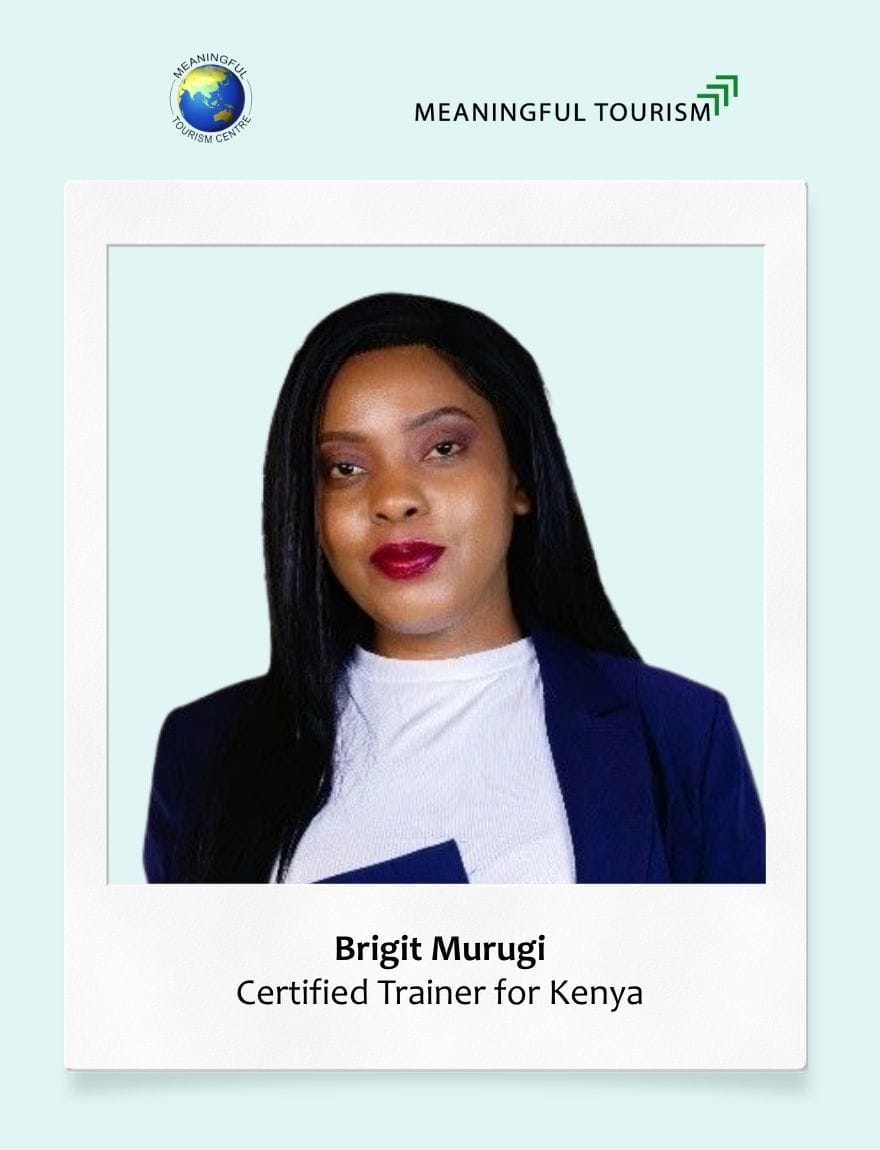
Brigit Murugi is a passionate Tour Operator and Sustainable Tourism Advocate at Eco-Path Adventures, where she designs immersive safaris that connect travelers to Kenya’s nature, culture, and communities.
Alongside her work in tourism, she is an HR & Payroll Automation Consultant, helping organizations streamline operations, improve compliance, and enhance employee experiences.
She holds a Diploma in IATA Tourism and Travel Services Marketing Operations from the Air Travel & Related Studies Centre and a Certificate in Customer Experience from Brand Love Education.
With a strong foundation in customer experience management and business development, Brigit combines empathy, innovation, and structure to create meaningful connections—whether with travelers, teams, or systems.
Meaningful Tourism Weekly: What is the current situation of tourism in Kenya and how can the Meaningful Tourism Paradigm help to support its development?
Brigit: Kenya, Through the Lens of Eco-Path Adventures
Kenya's tourism sector is on a strong path of recovery and transformation. Beyond the traditional safari model, travelers today are seeking experiences that connect them with people, culture, and nature in a genuine way. This shift aligns perfectly with our philosophy at Eco-Path Adventures, where we champion slow, meaningful travel journeys that are immersive, responsible, and rooted in purpose.
While Kenya remains one of Africa's most iconic destinations, the challenge ahead is ensuring that growth benefits both visitors and local communities without compromising our natural heritage. Mass tourism can create economic opportunity, but if unmanaged, it can also dilute cultural authenticity and strain fragile ecosystems. That's why we believe in the Meaningful Tourism paradigm one that emphasizes balance between experience, sustainability, and impact.

At Eco-Path Adventures, we design safaris that invite travelers to slow down to spend time engaging with local communities, walk through conservation areas with local guides, and experience Kenya beyond the lens of quick sightseeing. By doing so, travel becomes more than recreation; it becomes a bridge for understanding and empowerment.
Meaningful Tourism offers Kenya a path to redefine success in travel, not by the number of visitors, but by the depth of experience and positive impact created. When tourism honours people, preserves nature, and tells authentic stories, it becomes a force for development and connection.
Through collaboration and consciousness, Kenya can continue to lead Africa as a model of purposeful, meaningful tourism.
MTC Certified Trainers
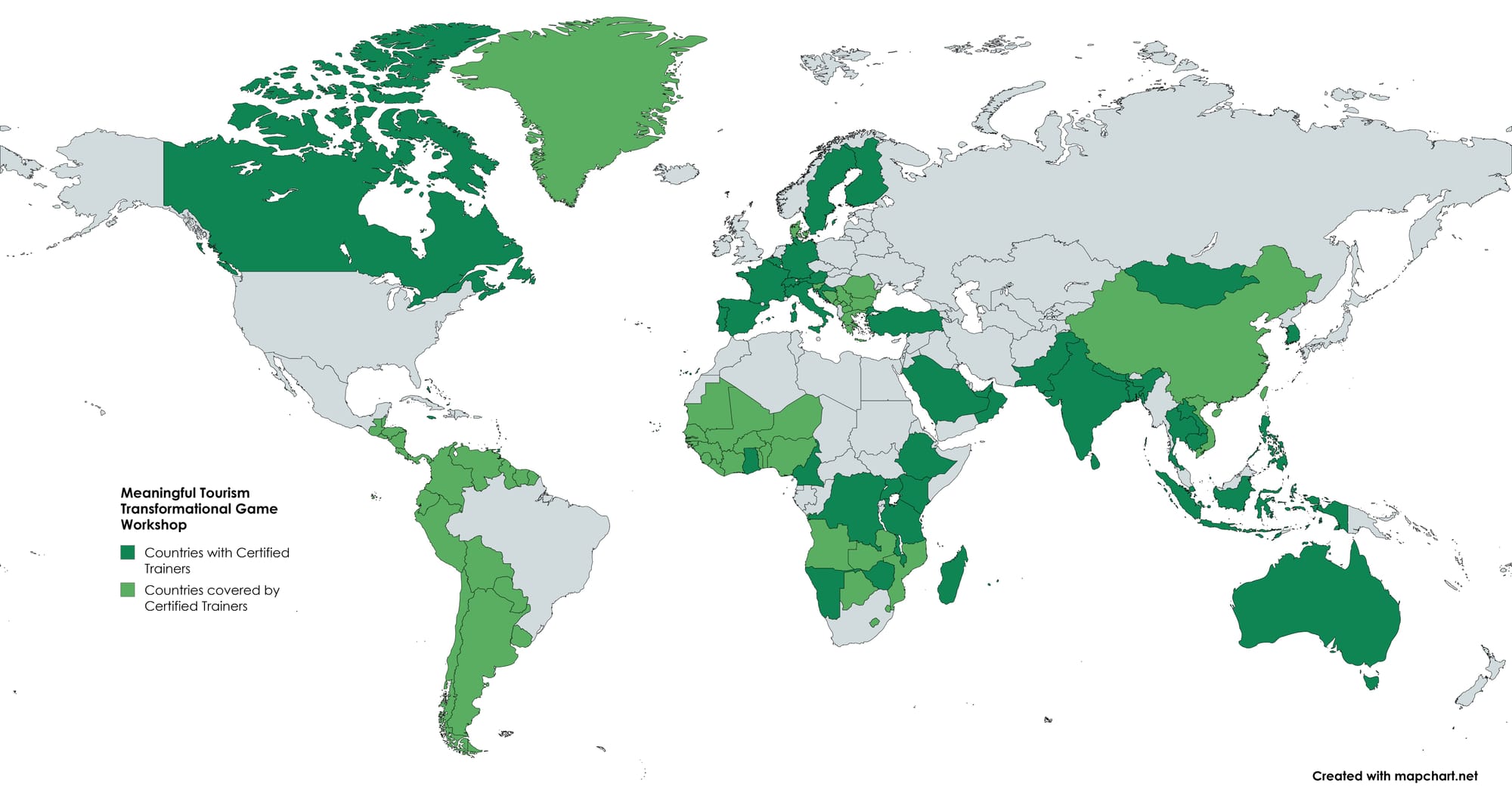
Please find below an overview of all our Certified Trainers for the Meaningful Tourism Transformational Game Workshop, along with the World Map showing the countries currently covered directly or indirectly.
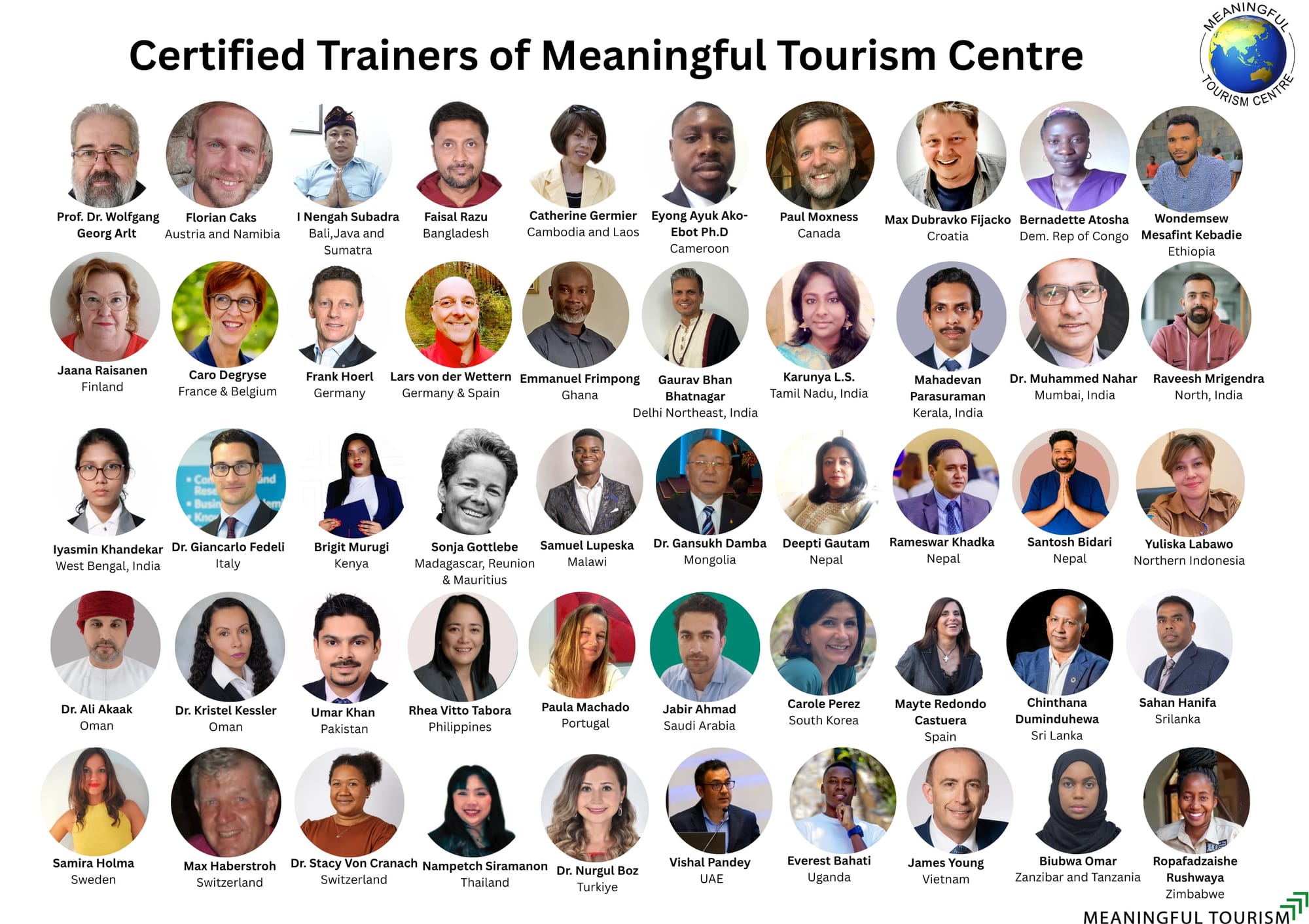
The network of MTC Certified Trainers is constantly growing. As shown on the map, many countries and regions worldwide are already served by dedicated experts. However, MTC is continuously looking for professionals with experience in training or lecturing and a passion for sustainable tourism to join the network and fill the blanks on the map.
About Meaningful Tourism Weekly
Meaningful Tourism Weekly is published every Thursday by Meaningful Tourism Centre (MTC) - London and Kathmandu in collaboration with Travel Asia Now, led by Rhea Vitto Tabora.
Each issue features an Editorial, updates on MTC activities, a Best Practice Example, a profile of an MTC-certified trainer, news about upcoming events, and, occasionally, additional op-ed pieces from guest authors. Carefully selected news items, including videos and podcasts, are also included, with links to their original sources in the Meaningful Tourism News section.
Subscription to Meaningful Tourism Weekly is free, with the addition of a paid content section that includes a library of surveys, exclusive articles, conference presentations, and statistical data, offering subscribers invaluable resources.
Sponsorship opportunities are available for those interested in supporting this initiative.
For more information about MTC's training programs, market research, product adaptation, consulting services, conferences, strategy development, and marketing, visit our website or email us at info@meaningfultourismcentre.org.